Complete Biodegradability and Composting Efficiency
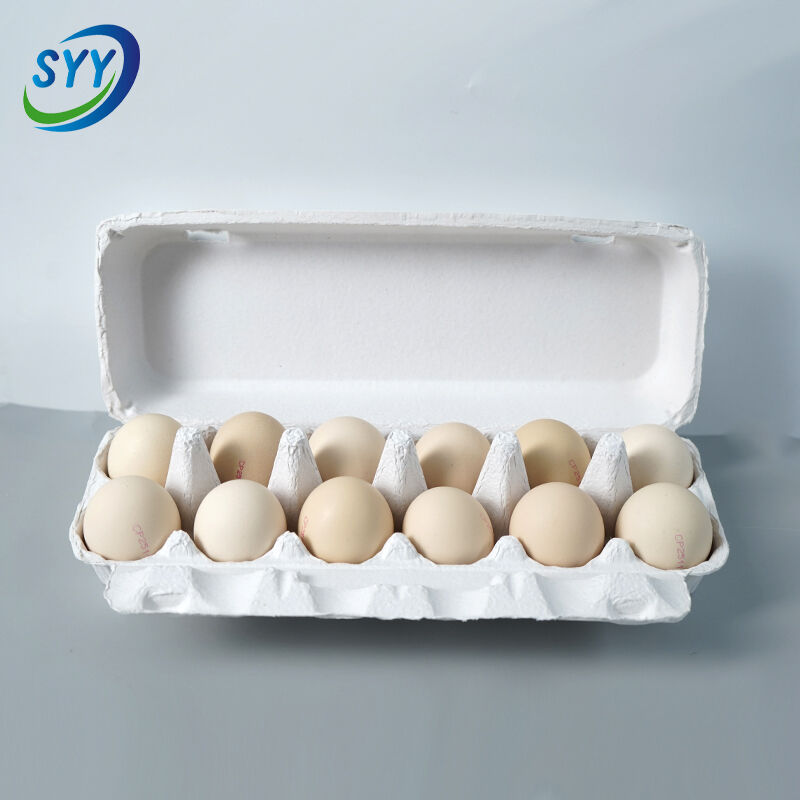
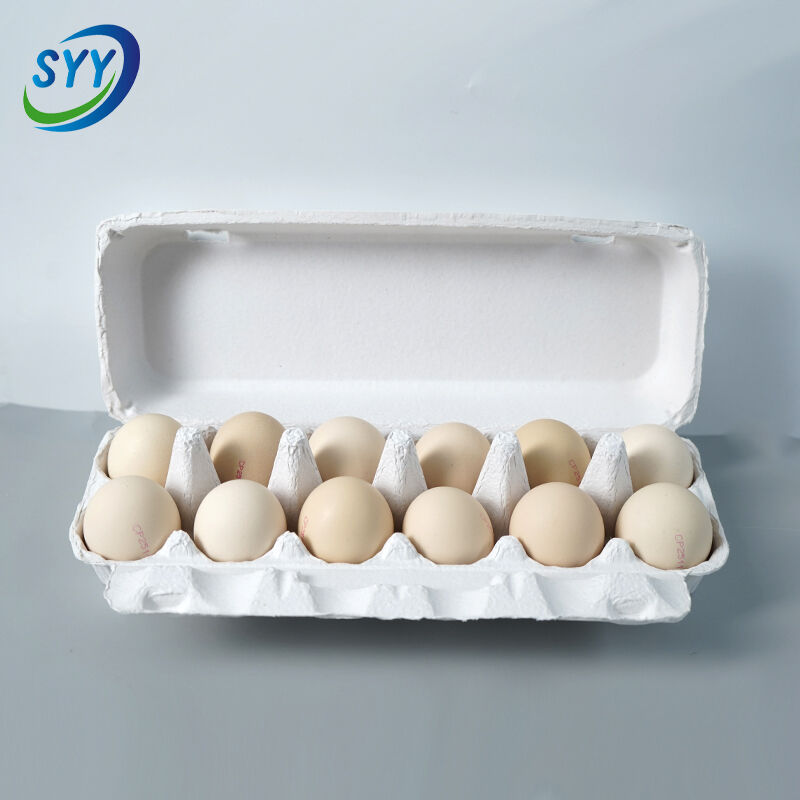
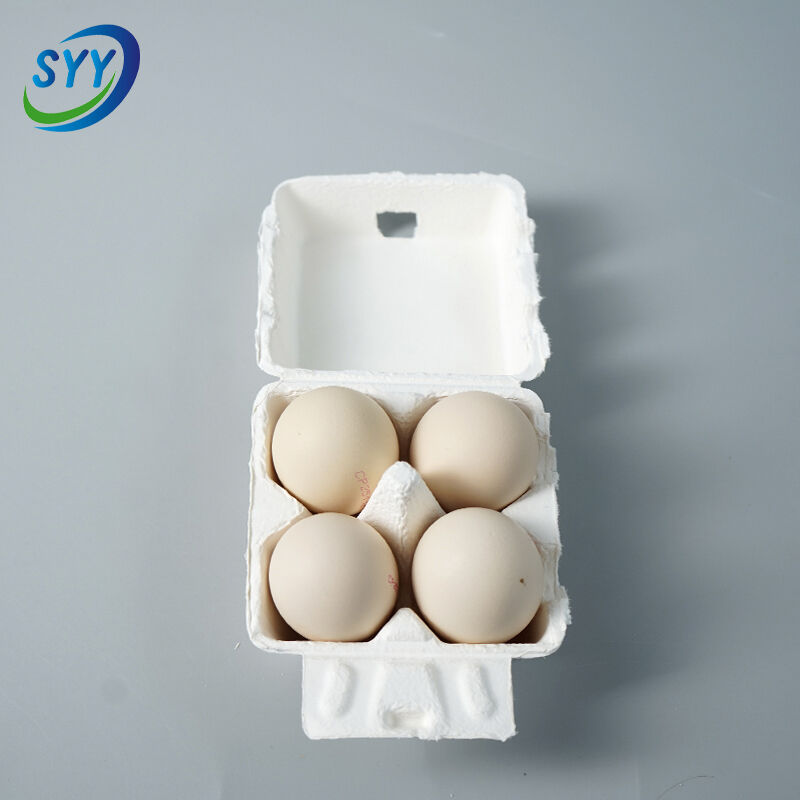
The most compelling feature of compostable egg cartons lies in their complete biodegradability, which transforms waste disposal from an environmental burden into a beneficial process that enriches soil and supports sustainable agriculture. Unlike conventional plastic or styrofoam containers that fragment into persistent microplastics or accumulate in landfills indefinitely, compostable egg cartons decompose entirely within 60 to 90 days when placed in proper composting conditions. This remarkable transformation occurs through natural biological processes where microorganisms break down the organic fibers and binding agents into carbon dioxide, water, and valuable organic matter that enhances soil structure and fertility. The composting efficiency of these cartons depends on optimal conditions including adequate moisture levels, proper temperature ranges between 140 to 160 degrees Fahrenheit, and sufficient oxygen circulation that promotes aerobic decomposition. Home composters can simply tear compostable egg cartons into smaller pieces and add them directly to their compost bins alongside kitchen scraps and yard waste, where they contribute carbon-rich brown material that balances nitrogen-heavy green materials for optimal composting ratios. Commercial composting facilities process compostable egg cartons efficiently alongside other organic waste streams, creating high-quality compost products that are sold to agricultural operations, landscaping companies, and gardening enthusiasts. The resulting compost material contains essential nutrients including nitrogen, phosphorus, and potassium that support healthy plant growth while improving soil water retention and drainage characteristics. Environmental testing has confirmed that compostable egg cartons leave no toxic residues or harmful substances in finished compost, ensuring safety for food production and sensitive ecosystems. This complete biodegradability eliminates the long-term environmental liabilities associated with persistent packaging materials, reducing the burden on waste management systems and contributing to circular economy principles. The composting process also generates significantly lower greenhouse gas emissions compared to landfill disposal, as controlled aerobic decomposition produces minimal methane while sequestering carbon in stable organic matter. For businesses and consumers committed to reducing their environmental footprint, the complete biodegradability of compostable egg cartons represents a tangible way to participate in regenerative practices that actively improve environmental conditions rather than simply minimizing harm.
 EN
EN