 EN
EN

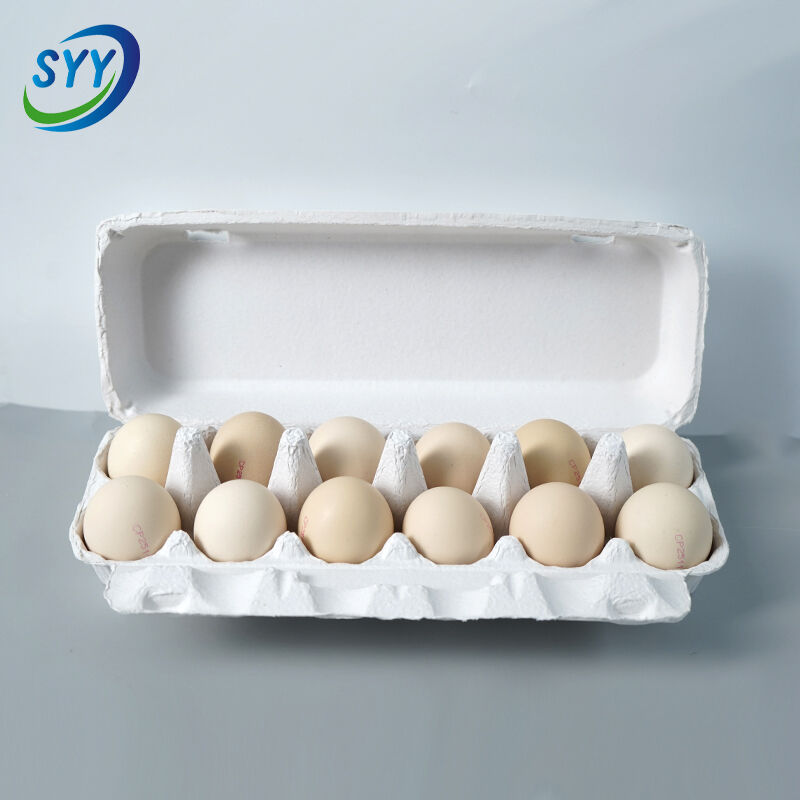
Choosing the right egg packaging manufacturer is one of the most consequential decisions a poultry producer, retailer, or food distribution business can make. The packaging that holds your eggs does far more than contain a product — it communicates brand identity, ensures product safety during transit, meets retailer and regulatory requirements, and increasingly reflects your environmental values. With dozens of manufacturers operating globally, understanding exactly what separates a capable supplier from a substandard one requires careful evaluation across multiple dimensions.
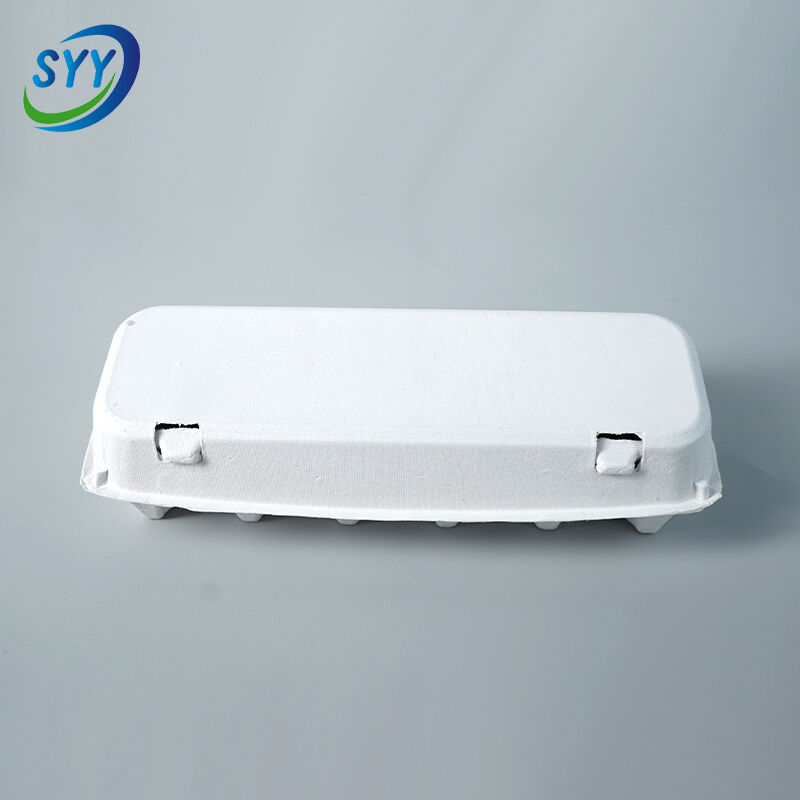
This guide is designed to walk you through the critical criteria you should assess when evaluating egg packaging manufacturers — from structural quality and material integrity to pricing transparency, minimum order requirements, and the depth of customization options available. Whether you are sourcing for a large commercial egg operation or a specialty farm brand, this framework will help you make a confident, well-informed sourcing decision that serves your business over the long term.
Understanding What Quality Means in Egg Packaging
Structural Integrity and Cushioning Performance
The most fundamental quality measure for any egg packaging product is its ability to protect the eggs from breakage. This involves both the structural rigidity of the container itself and the cushioning design built into each cell. A well-engineered molded pulp carton, for instance, cradles each egg individually, distributing shock and vibration evenly to prevent contact between eggs and to absorb external impact during handling and transport.
When assessing manufacturers, ask whether their egg packaging has undergone drop testing, compression testing, or vibration simulation testing. Reputable manufacturers can provide data or certifications that validate the protective performance of their products under real-world logistics conditions. This is not a minor technical detail — breakage rates directly affect your cost per unit sold, and consistent protection is non-negotiable.
Pay close attention to wall thickness consistency, the depth and geometry of individual egg cells, and the locking or closure mechanism of the carton lid. These physical attributes vary widely across manufacturers and directly correlate with how reliably the egg packaging performs at scale.
Material Quality and Food Safety Standards
Egg packaging must meet food safety standards because it comes into direct or near-direct contact with a consumable product. Manufacturers should be able to demonstrate compliance with applicable food contact material regulations, such as FDA standards in the United States or EU food packaging directives if you are sourcing for European markets. Non-compliant materials can introduce contamination risks and expose your business to liability.
For molded fiber egg packaging specifically, the pulp source matters. Recycled newsprint, virgin fiber, and agricultural fiber each carry different implications for cleanliness, structural consistency, and dye or ink contamination risk. A quality manufacturer will disclose their raw material sourcing and be transparent about how their production process controls contamination.
Beyond chemical safety, look at moisture resistance. Eggs are cold-chain products and egg packaging routinely encounters condensation. A carton that loses structural integrity when exposed to humidity is a liability, not a solution. Quality manufacturers engineer moisture management into their products from the material stage onward.
Evaluating Cost Structures and Total Landed Price
Unit Price Versus Total Cost of Ownership
The quoted per-unit price for egg packaging is rarely the full picture. When comparing manufacturers, you must calculate the total landed cost — which includes unit price, minimum order quantity implications, freight and shipping costs, import duties if applicable, and any tooling or setup fees required for customized versions. A lower unit price from a distant supplier may become more expensive once logistics are factored in.
Ask manufacturers for detailed price breakdowns at multiple volume tiers. Understanding how per-unit costs scale with volume helps you plan procurement strategically. Many egg packaging manufacturers offer significant price reductions at higher quantities, which may justify adjusting your purchasing cadence or warehousing capacity to take advantage of better economics.
Also consider the cost of packaging failures. A slightly cheaper carton that results in a 3% higher egg breakage rate will cost more in the long run than a well-engineered product with a marginally higher per-unit price. Quality and cost must be evaluated together, not in isolation.
Minimum Order Quantities and Supply Flexibility
Minimum order quantities (MOQs) set by egg packaging manufacturers can significantly constrain smaller or mid-sized buyers. Before committing to a supplier, clarify their MOQ policies for standard items versus custom-printed or custom-configured egg packaging. Some manufacturers maintain large inventories of standard carton sizes that can ship in small quantities, while custom orders may require commitments of tens of thousands of units.
Flexibility in supply is particularly important if your egg packaging requirements vary seasonally or if your business is scaling. A manufacturer that can accommodate variable order sizes and lead times without penalizing you commercially is a strategically valuable partner. Evaluate their production capacity, average lead time from order to delivery, and policies around rush orders or urgent replenishment.
Supply chain disruptions have underscored the importance of having a manufacturer with reliable inventory management and the ability to communicate proactively about delays. Ask potential suppliers about their track record during supply chain stress periods and how they managed customer commitments.
Assessing Customization Depth and Brand Alignment
Print Quality and Label Options
Customization in egg packaging extends well beyond simply printing a logo. Top-tier manufacturers offer a range of printing techniques suited to different materials — flexographic printing on foam, offset or digital printing on paperboard, and embossing or debossing on molded fiber cartons. The quality and consistency of print output directly affects how your brand appears on retail shelves and in customer hands.
Request physical samples before committing to a manufacturer. Reviewing a physical printed sample reveals color fidelity, registration accuracy, ink durability under refrigeration conditions, and overall finish quality in ways that digital proofs cannot. For branded egg packaging sold in premium retail environments, printing quality is a direct extension of your product's perceived value.
Also evaluate whether the manufacturer supports multi-color printing, spot color matching, and whether they can handle regulatory labeling requirements such as nutrition facts panels, allergen disclosures, or traceability codes within their existing production workflow.
Structural and Size Customization Capabilities
While standard egg packaging comes in common configurations like 6-count, 12-count, and 18-count formats, specialty operations may require non-standard counts, alternative dimensions for oversized or specialty egg varieties, or structural modifications to accommodate retail display requirements. Confirm whether a manufacturer can produce these configurations and whether tooling costs for new molds or dies are reasonable.
Some egg packaging manufacturers also offer window cutouts, ergonomic handle designs, or tamper-evident closure features. These structural elements can differentiate your product in the market and improve the consumer experience. Understanding a manufacturer's design and engineering capabilities early in the sourcing process saves time and avoids costly surprises later.
If sustainability is a brand priority, ask about eco-friendly egg packaging options. Molded pulp cartons made from recycled fiber represent one of the most widely accepted sustainable formats, and manufacturers capable of producing food-grade molded fiber with strong print quality are particularly well positioned to serve modern market needs.
Sustainability Credentials and Environmental Compliance
Material Sourcing and Recyclability
Consumer and retailer pressure on sustainable packaging has intensified significantly in recent years, and egg packaging is not exempt from this trend. Buyers increasingly expect their egg packaging to be made from recycled or responsibly sourced materials, to be recyclable or compostable at end of life, and to carry credible environmental certifications. When evaluating manufacturers, investigate what percentage of their raw materials is post-consumer recycled content and whether they hold certifications like FSC (Forest Stewardship Council) or similar bodies.
Molded fiber egg packaging is currently one of the most favorable formats from a lifecycle perspective, as it is typically made from recycled paper pulp and is both curbside recyclable and industrially compostable in many regions. If your retail partners or end consumers value environmental attributes, selecting a manufacturer who can substantiate the sustainability claims of their egg packaging with verifiable data is essential.
Be cautious of vague sustainability language. Ask for specific data on recycled content percentages, carbon footprint comparisons, and whether the manufacturer participates in any industry-recognized sustainability reporting frameworks. Genuine environmental commitment should be backed by measurable evidence, not just marketing copy.
Manufacturing Process and Waste Reduction
The environmental footprint of egg packaging is not limited to the finished product. How a manufacturer runs their production facility matters too. Responsible manufacturers typically implement water recycling systems in pulp processing operations, use energy-efficient drying and forming equipment, and have clear policies on production waste diversion from landfill. These operational attributes are worth exploring when assessing long-term supplier alignment.
Some buyers require their egg packaging suppliers to complete environmental questionnaires or participate in supply chain audits. If your business is committed to sustainability reporting or plans to pursue certifications like B Corp or similar frameworks, ensure your packaging supplier is capable and willing to support that process with documented data and audit access.
Selecting a manufacturer whose environmental practices align with your own values not only reduces reputational risk but also simplifies reporting requirements as sustainability disclosure expectations continue to increase across food and retail supply chains.
Supplier Reliability, Communication, and Long-Term Partnership Value
Production Capacity and Lead Time Consistency
Even the highest-quality egg packaging becomes a business problem if the manufacturer cannot deliver consistently against your replenishment schedule. During your evaluation process, ask manufacturers about their installed production capacity relative to current order commitments. A manufacturer running at near-full capacity may struggle to accommodate growth in your egg packaging volumes or to prioritize your order during high-demand periods.
Request references from existing customers of comparable size and order frequency to understand the manufacturer's track record on delivery commitments. On-time delivery performance is one of the clearest indicators of operational discipline and supply chain reliability. This metric is especially important for egg packaging, as production downtime caused by packaging shortages can have immediate commercial consequences.
Lead time consistency also enables more efficient inventory management on your end. Predictable replenishment cycles allow you to carry lower safety stock, reducing warehousing costs and working capital tied up in packaging inventory.
Responsiveness and Technical Support
The quality of communication and technical support a manufacturer provides is a strong proxy for how they will handle challenges and exceptions once a commercial relationship is established. During your initial outreach and sampling process, evaluate how quickly and thoroughly they respond to inquiries, whether they assign a dedicated account contact, and how knowledgeable their representatives are about the technical properties of their egg packaging products.
A manufacturer who understands the downstream use of their egg packaging — the egg grading lines it runs through, the cold chain it must survive, the retail environments it will occupy — is far more valuable than one that simply fulfills generic orders. Technical collaboration enables continuous improvement in packaging performance and helps you adapt as your product requirements evolve.
Ultimately, sourcing egg packaging is not a purely transactional process. The manufacturer you choose becomes an operational dependency. The time invested in thoroughly evaluating quality, cost, customization capabilities, sustainability credentials, and supplier reliability pays compound returns over the life of the partnership.
FAQ
What materials are most commonly used in egg packaging manufacturing?
The most widely used materials in egg packaging include molded pulp (made from recycled paper fiber), expanded polystyrene foam, and clear PET plastic. Molded pulp is increasingly preferred due to its environmental profile, recyclability, and strong cushioning performance. Paperboard cartons with individual cell inserts are also common in retail formats. Each material has different implications for cost, protection performance, printability, and sustainability.
How do I assess whether an egg packaging manufacturer meets food safety requirements?
You should request documentation of compliance with relevant food contact material regulations in your target market, such as FDA regulations in the US or EU framework regulations for food packaging. Ask about the raw material sourcing process, how the manufacturer controls for contaminants, and whether their production facilities are subject to third-party audits. For molded fiber egg packaging specifically, inquire about the quality of recycled pulp input and ink or dye safety certification.
What customization options should I expect from a quality egg packaging manufacturer?
A capable egg packaging manufacturer should be able to offer at minimum custom printing with accurate color reproduction, standard and non-standard count configurations, and label placement flexibility to accommodate regulatory requirements. More advanced manufacturers offer structural customization including window panels, ergonomic handles, tamper-evident features, and specialty finishes. Always request printed physical samples before finalizing a customization agreement to verify actual output quality against your brand standards.
How does sustainable egg packaging affect retail and consumer perception?
Sustainable egg packaging has become a meaningful purchasing consideration for a growing segment of retail buyers and consumers. Recyclable or compostable cartons — particularly molded fiber formats — are associated with responsible production practices and can positively differentiate a brand on shelf. Retailers increasingly impose sustainability requirements on their private label and branded egg packaging suppliers. Selecting a manufacturer who can verify the environmental credentials of their products with data supports both your sustainability commitments and your retail relationships.
Table of Contents
- Understanding What Quality Means in Egg Packaging
- Evaluating Cost Structures and Total Landed Price
- Assessing Customization Depth and Brand Alignment
- Sustainability Credentials and Environmental Compliance
- Supplier Reliability, Communication, and Long-Term Partnership Value
-
FAQ
- What materials are most commonly used in egg packaging manufacturing?
- How do I assess whether an egg packaging manufacturer meets food safety requirements?
- What customization options should I expect from a quality egg packaging manufacturer?
- How does sustainable egg packaging affect retail and consumer perception?