Premium Compostable Egg Cartons: Sustainable Packaging Solutions for Eco-Conscious Businesses

Get a Free Quote

We usually reply within 12 hours.
Email
Country/Region
Product Type
Please select your products type
Estimated Order Quantity
Hole Count
Please select your hole count
Packing System
Please select your packing system
Target Delivery Time
Color
Please select your color
Attachment
Please upload at least an attachment
Up to 3 files, each no larger than 30MB. Supported formats: jpg, jpeg, png, pdf, doc, docx, xls, xlsx, csv, txt, stp, step, igs, x_t, dxf, prt, sldprt, sat, rar, zip.
Message
0/1000

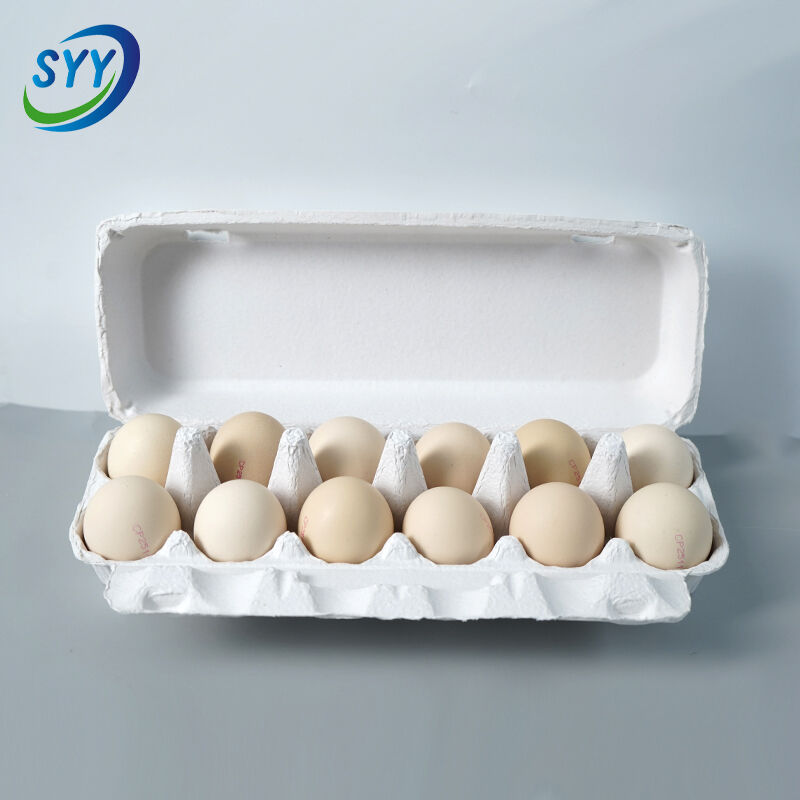
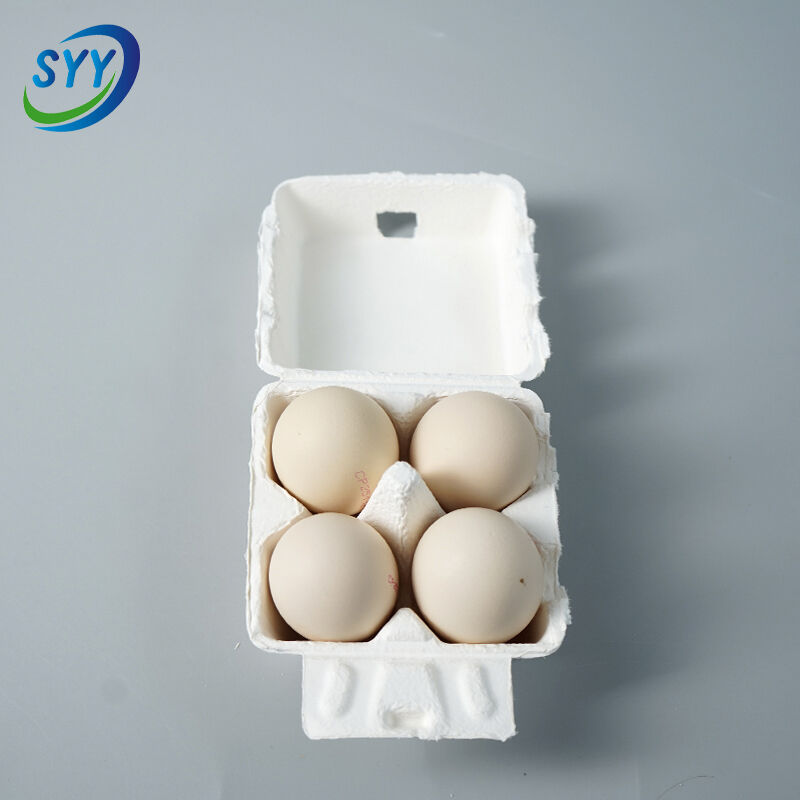
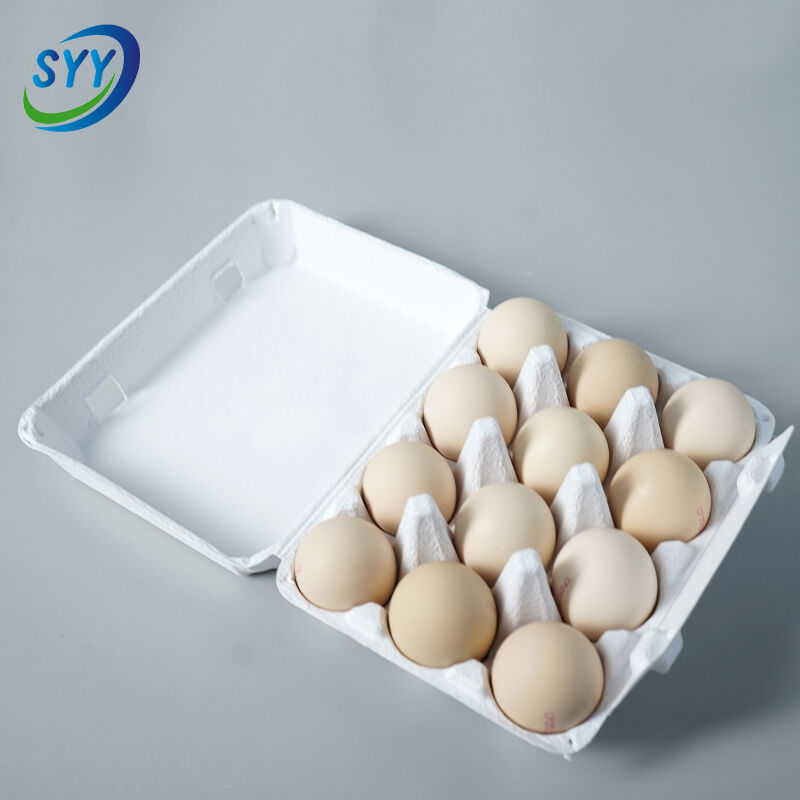
compostable egg carton

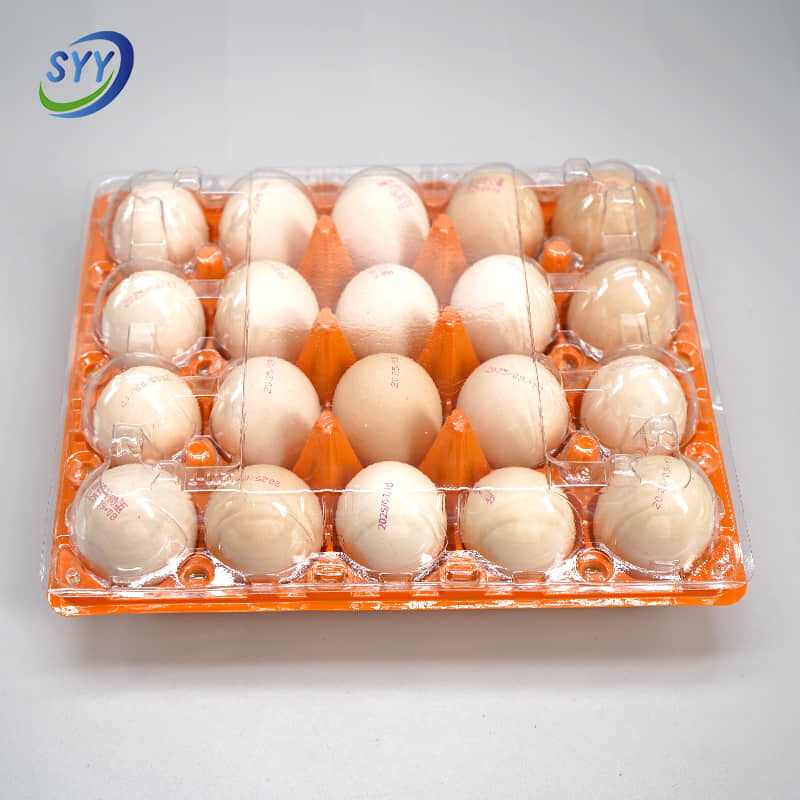
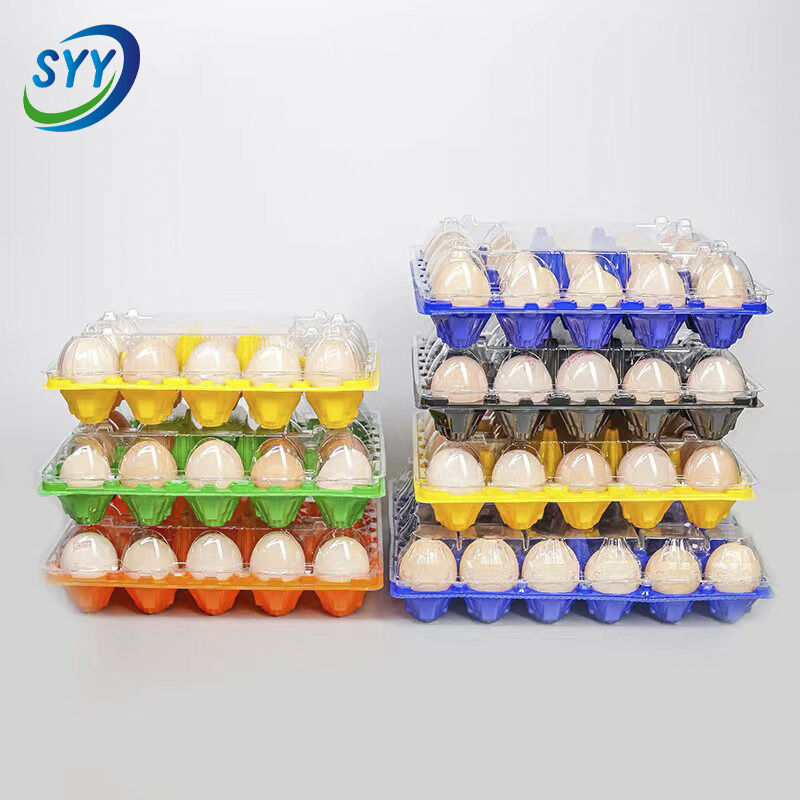
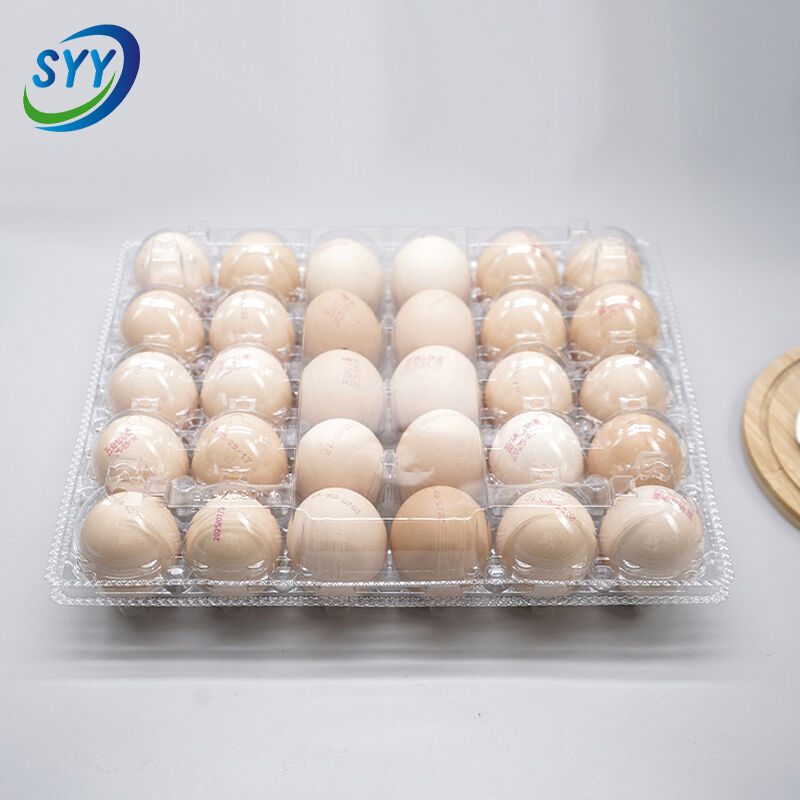
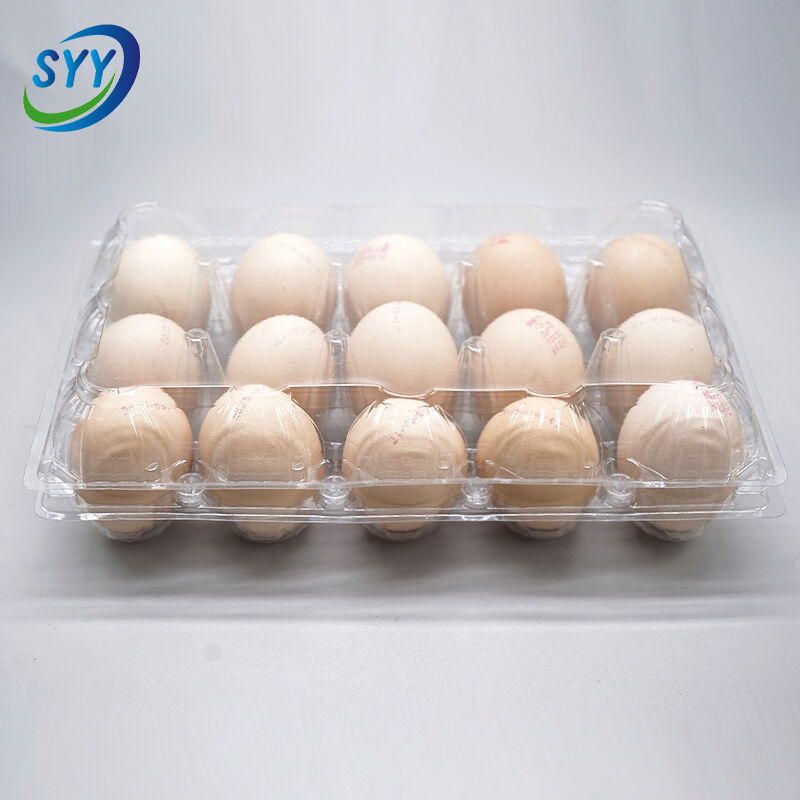
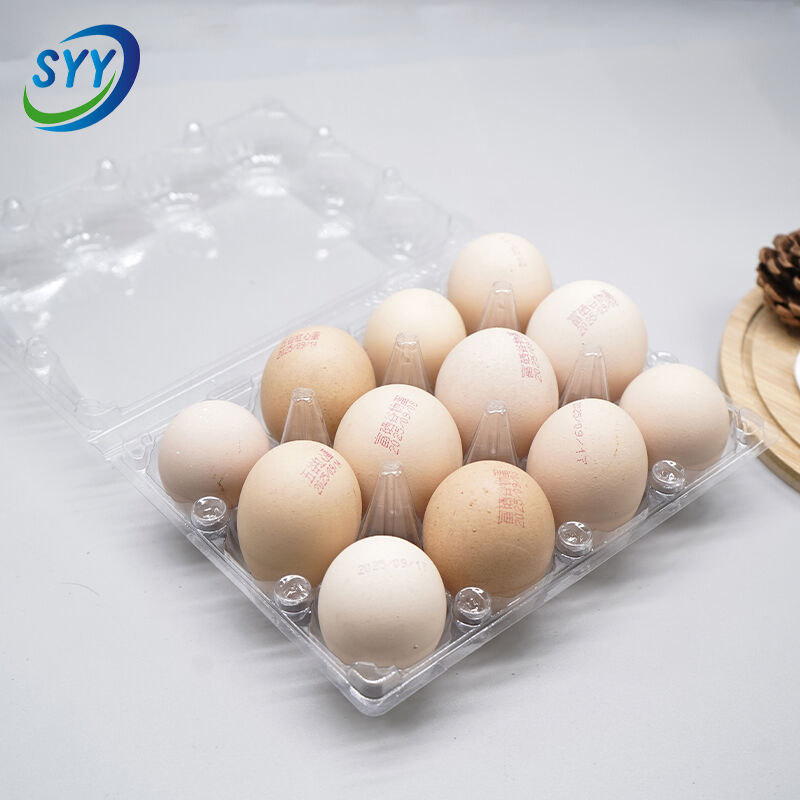
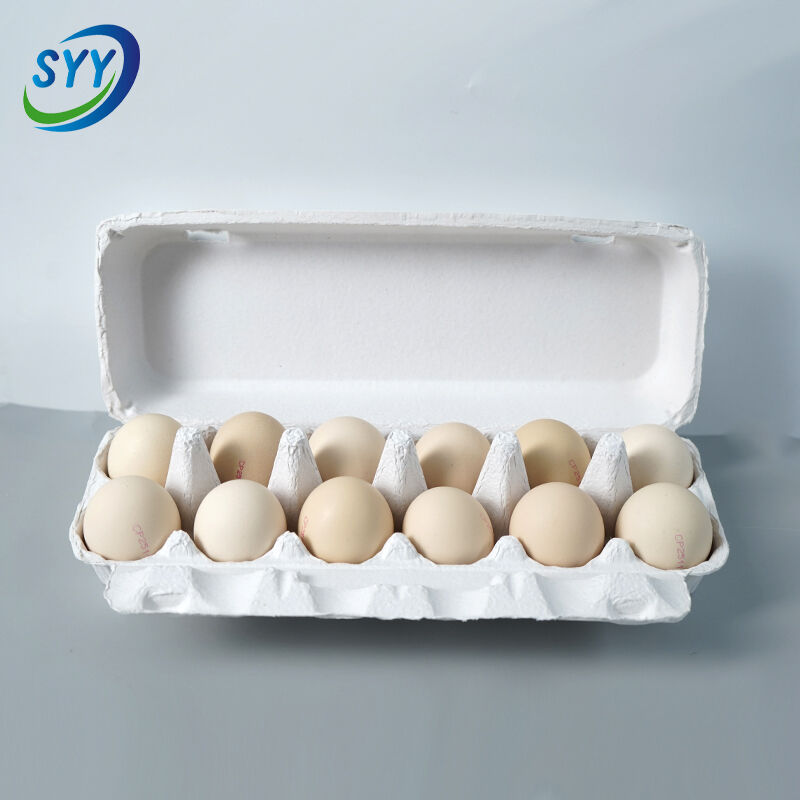
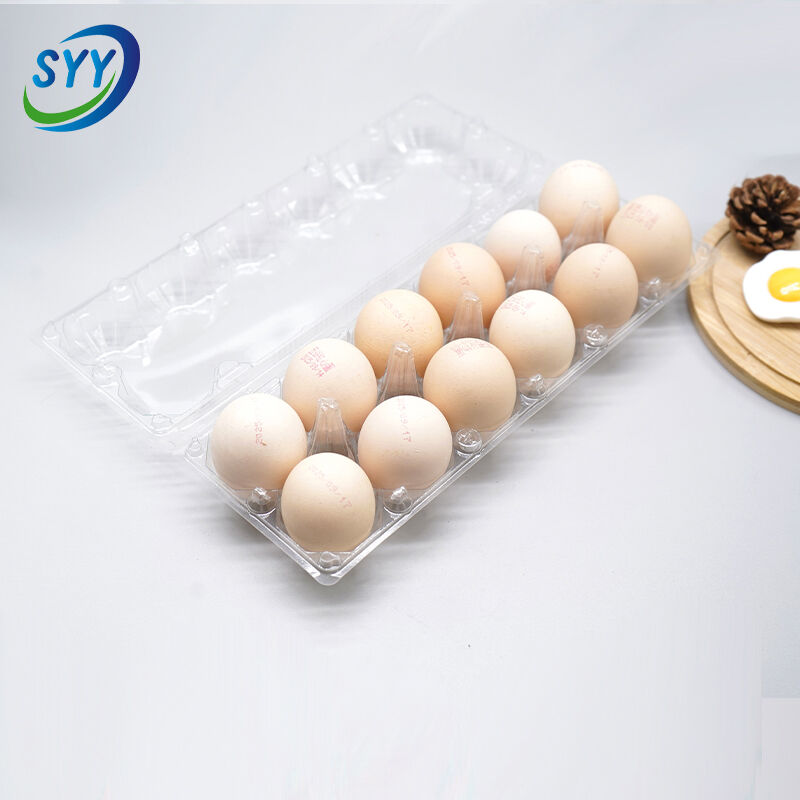
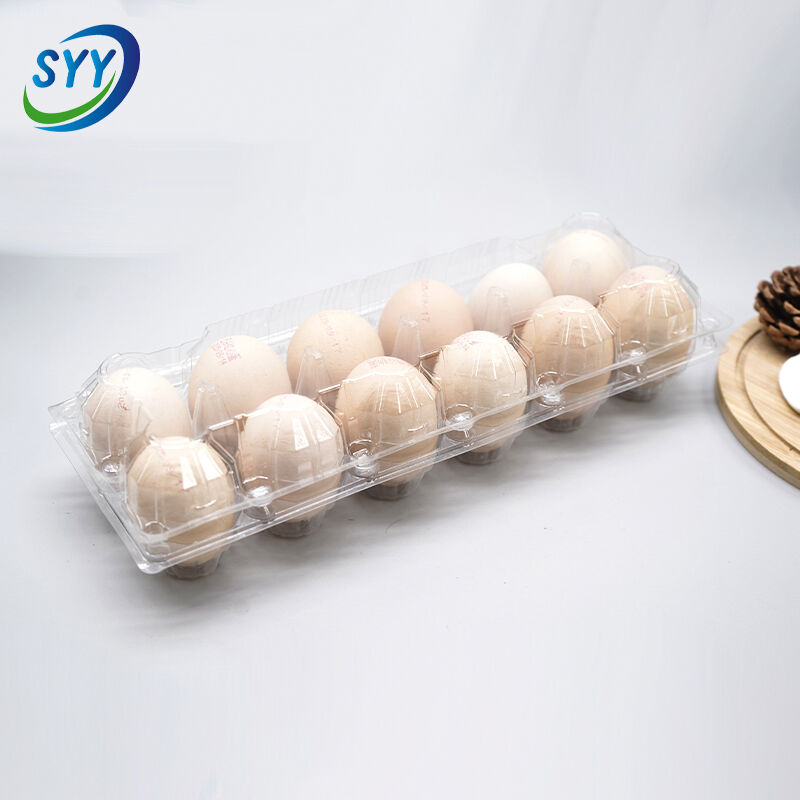
The compostable egg carton represents a revolutionary advancement in sustainable packaging technology, designed to replace traditional plastic and styrofoam containers with an environmentally responsible alternative. These innovative containers are manufactured using organic materials such as recycled paper pulp, agricultural waste fibers, and natural binding agents that break down completely in composting environments. The primary function of a compostable egg carton is to provide secure protection for eggs during transportation and storage while maintaining the structural integrity required for retail display and consumer handling. The technological features of compostable egg cartons include advanced molding processes that create precise compartments to cradle each egg individually, preventing damage from impact and movement. The manufacturing process involves forming wet pulp into specific shapes using heated molds, creating a lightweight yet durable container that maintains its form even when exposed to moisture. These cartons incorporate ventilation channels that allow proper air circulation around eggs, helping to maintain freshness and prevent condensation buildup. The material composition ensures that the carton maintains sufficient strength to support stacking in retail environments while remaining completely biodegradable. Applications for compostable egg cartons extend across the entire food supply chain, from commercial egg producers and distributors to grocery stores and consumers. Large-scale poultry operations utilize these containers for packaging fresh eggs immediately after collection, ensuring product safety during transport to processing facilities. Retail establishments benefit from the professional appearance and stackability of compostable egg cartons, which maintain product visibility while demonstrating environmental commitment to customers. Home consumers appreciate the convenience of disposing of empty cartons directly into compost bins, where they decompose naturally within 60 to 90 days under proper composting conditions. The versatility of compostable egg carton design allows for customization in size, color, and branding elements while maintaining core functional requirements for egg protection and environmental sustainability.

New Products

Compostable egg cartons deliver significant environmental benefits that directly impact both businesses and consumers seeking sustainable packaging solutions. These containers eliminate the need for petroleum-based plastics and styrofoam materials that persist in landfills for hundreds of years, reducing overall waste accumulation and environmental pollution. When disposed of properly, compostable egg cartons break down into nutrient-rich soil amendments that enhance garden productivity and support healthy plant growth. This natural decomposition process occurs without releasing harmful chemicals or microplastics into the environment, making compostable options safer for ecosystems and wildlife. Businesses adopting compostable egg cartons often experience enhanced brand reputation and customer loyalty, as consumers increasingly prefer companies that demonstrate genuine environmental responsibility through their packaging choices. The cost-effectiveness of compostable egg cartons has improved significantly as manufacturing scales have increased and production technologies have advanced, making them competitive with traditional packaging options while providing superior environmental value. Storage and handling advantages include moisture resistance that protects eggs from humidity while allowing natural breathability that prevents condensation and maintains optimal freshness levels. The lightweight construction of compostable egg cartons reduces shipping costs and carbon emissions associated with transportation, creating additional economic and environmental benefits throughout the supply chain. Manufacturing processes for compostable egg cartons often utilize local agricultural waste materials, supporting regional economies and reducing transportation requirements for raw materials. Quality control measures ensure consistent strength and durability, with modern compostable egg cartons meeting or exceeding performance standards established for conventional packaging materials. Consumer convenience reaches beyond simple disposal, as many compostable egg cartons feature easy-opening designs and clear labeling that helps customers identify eggs quickly and efficiently. The versatility of compostable materials allows manufacturers to create custom designs, sizes, and configurations that meet specific customer requirements while maintaining environmental integrity. Regulatory compliance becomes simplified with compostable egg cartons, as many jurisdictions implement restrictions on single-use plastics and mandate sustainable packaging alternatives. Long-term economic benefits include reduced waste management costs for businesses and municipalities, as compostable materials divert organic waste from landfills and reduce methane emissions associated with anaerobic decomposition.

Tips And Tricks

How to Reduce Egg Breakage During Transport: Best Egg Packaging Solutions for Poultry Farms

07

May

How to Reduce Egg Breakage During Transport: Best Egg Packaging Solutions for Poultry Farms

For poultry farms of every scale, egg breakage during transport represents one of the most persistent and costly operational challenges. Every cracked or shattered egg is not just a lost product — it is lost revenue, wasted labor, and a potenti...
View More
What to Look for in Egg Packaging Manufacturers: Quality, Cost, and Customization Guide

12

May

What to Look for in Egg Packaging Manufacturers: Quality, Cost, and Customization Guide

Choosing the right egg packaging manufacturer is one of the most consequential decisions a poultry producer, retailer, or food distribution business can make. The packaging that holds your eggs does far more than contain a product — it communicates b...
View More
How to Choose the Right Egg Tray Supplier: Key Factors for Reliable Egg Packaging Manufacturers

11

May

How to Choose the Right Egg Tray Supplier: Key Factors for Reliable Egg Packaging Manufacturers

Finding the right egg tray supplier is one of the most consequential procurement decisions a poultry farm, food distributor, or retail chain can make. The quality of your egg packaging directly impacts product integrity during transit, shelf presenta...
View More
Best Egg Packaging Solutions for Supermarkets: Clear PET Egg Cartons for Retail Display

13

May

Best Egg Packaging Solutions for Supermarkets: Clear PET Egg Cartons for Retail Display

In the competitive world of retail grocery, the way eggs are packaged and displayed can significantly influence purchasing decisions. Supermarkets today face mounting pressure to balance product visibility, structural protection, and shelf appeal — a...
View More

Get a Free Quote

We usually reply within 12 hours.
Email
Country/Region
Product Type
Please select your products type
Estimated Order Quantity
Hole Count
Please select your hole count
Packing System
Please select your packing system
Target Delivery Time
Color
Please select your color
Attachment
Please upload at least an attachment
Up to 3 files,more 30mb,suppor jpg、jpeg、png、pdf、doc、docx、xls、xlsx、csv、txt、stp、step、igs、x_t、dxf、prt、sldprt、sat、rar、zip
Message
0/1000

compostable egg carton

Complete Biodegradability and Composting Efficiency

Complete Biodegradability and Composting Efficiency

The most compelling feature of compostable egg cartons lies in their complete biodegradability, which transforms waste disposal from an environmental burden into a beneficial process that enriches soil and supports sustainable agriculture. Unlike conventional plastic or styrofoam containers that fragment into persistent microplastics or accumulate in landfills indefinitely, compostable egg cartons decompose entirely within 60 to 90 days when placed in proper composting conditions. This remarkable transformation occurs through natural biological processes where microorganisms break down the organic fibers and binding agents into carbon dioxide, water, and valuable organic matter that enhances soil structure and fertility. The composting efficiency of these cartons depends on optimal conditions including adequate moisture levels, proper temperature ranges between 140 to 160 degrees Fahrenheit, and sufficient oxygen circulation that promotes aerobic decomposition. Home composters can simply tear compostable egg cartons into smaller pieces and add them directly to their compost bins alongside kitchen scraps and yard waste, where they contribute carbon-rich brown material that balances nitrogen-heavy green materials for optimal composting ratios. Commercial composting facilities process compostable egg cartons efficiently alongside other organic waste streams, creating high-quality compost products that are sold to agricultural operations, landscaping companies, and gardening enthusiasts. The resulting compost material contains essential nutrients including nitrogen, phosphorus, and potassium that support healthy plant growth while improving soil water retention and drainage characteristics. Environmental testing has confirmed that compostable egg cartons leave no toxic residues or harmful substances in finished compost, ensuring safety for food production and sensitive ecosystems. This complete biodegradability eliminates the long-term environmental liabilities associated with persistent packaging materials, reducing the burden on waste management systems and contributing to circular economy principles. The composting process also generates significantly lower greenhouse gas emissions compared to landfill disposal, as controlled aerobic decomposition produces minimal methane while sequestering carbon in stable organic matter. For businesses and consumers committed to reducing their environmental footprint, the complete biodegradability of compostable egg cartons represents a tangible way to participate in regenerative practices that actively improve environmental conditions rather than simply minimizing harm.
Superior Protection and Structural Integrity

Superior Protection and Structural Integrity

Compostable egg cartons demonstrate exceptional protective capabilities that rival or exceed traditional packaging materials while maintaining structural integrity throughout the entire supply chain process from production to consumer disposal. Advanced manufacturing techniques create precisely molded compartments that cradle each egg in a custom-fitted depression, distributing impact forces evenly and preventing shell damage during handling, transportation, and storage. The engineered fiber structure of compostable egg cartons incorporates shock-absorbing properties that cushion eggs against vibrations and sudden movements commonly encountered during shipping and retail handling. This superior protection results from the natural flexibility of organic fiber materials that bend and compress under pressure while maintaining their original shape, providing dynamic protection that adapts to various stress conditions. Moisture management represents another critical protective feature, as compostable egg cartons maintain optimal humidity levels around eggs while preventing excessive moisture accumulation that could promote bacterial growth or shell deterioration. The porous nature of the organic fiber construction allows controlled air circulation that maintains freshness while preventing the condensation buildup commonly associated with sealed plastic containers. Structural integrity testing demonstrates that compostable egg cartons maintain their protective properties even when exposed to typical storage conditions including temperature variations, humidity fluctuations, and normal handling stresses encountered in retail environments. The stackability of compostable egg cartons enables efficient storage and display in warehouses and retail settings, with reinforced bottom surfaces that distribute weight evenly and prevent crushing of lower containers in stacked configurations. Corner reinforcement and edge protection features ensure that compostable egg cartons maintain their shape and protective capabilities even when subjected to rough handling during transportation and stocking procedures. Quality control measures during manufacturing include compression testing, drop testing, and humidity exposure testing that verify protective performance under real-world conditions. The cellular structure of compostable egg carton materials provides excellent insulation properties that help maintain stable temperatures and protect eggs from thermal shock during transportation between different climate zones. Comparative studies have shown that eggs packaged in well-designed compostable cartons experience lower breakage rates than those in many conventional packaging alternatives, demonstrating that environmental responsibility does not require compromising product protection or quality assurance.
Economic Efficiency and Supply Chain Optimization

Economic Efficiency and Supply Chain Optimization

The economic efficiency of compostable egg cartons extends far beyond initial purchase costs to encompass comprehensive supply chain optimization that delivers measurable financial benefits throughout the entire product lifecycle. Manufacturing costs for compostable egg cartons have decreased substantially as production volumes have increased and technological innovations have streamlined production processes, making them increasingly competitive with conventional packaging options while providing superior environmental value propositions. Raw material sourcing for compostable egg cartons often utilizes locally available agricultural waste products and recycled paper materials, reducing transportation costs and supporting regional economic development while creating stable supply chains that are less vulnerable to petroleum price fluctuations. The lightweight construction of compostable egg cartons reduces shipping weights and transportation costs across all logistics stages, from initial distribution to retail delivery, generating cumulative savings that improve overall profitability for producers and distributors. Inventory management becomes more efficient with compostable egg cartons because their consistent dimensions and stacking characteristics optimize warehouse space utilization and reduce storage costs compared to irregular or bulky packaging alternatives. Retail operations benefit from the professional appearance and consumer appeal of compostable egg cartons, which can command premium pricing in markets where environmental consciousness drives purchasing decisions and brand differentiation strategies. Waste management cost reductions represent significant long-term savings for businesses, as compostable egg cartons eliminate disposal fees associated with non-recyclable materials while potentially generating revenue through composting programs or waste diversion incentives. Regulatory compliance costs decrease with compostable packaging solutions, as many jurisdictions implement restrictions on single-use plastics and provide incentives for businesses adopting sustainable packaging alternatives that reduce environmental impact. Brand value enhancement through environmental stewardship creates intangible but measurable economic benefits including increased customer loyalty, positive media coverage, and enhanced reputation that supports premium pricing strategies and market expansion opportunities. Supply chain risk mitigation improves with compostable egg cartons because their renewable resource base provides greater supply security compared to petroleum-dependent alternatives subject to price volatility and geopolitical disruptions. Labor efficiency gains result from standardized handling procedures and reduced complexity in packaging operations, as compostable egg cartons integrate seamlessly into existing production and distribution workflows without requiring specialized equipment or training. Market expansion opportunities emerge as consumer preferences shift toward sustainable products, creating competitive advantages for early adopters of compostable packaging solutions in both domestic and international markets where environmental regulations continue to strengthen.

Get a Free Quote

We usually reply within 12 hours.
Email
Country/Region
Product Type
Please select your products type
Estimated Order Quantity
Hole Count
Please select your hole count
Packing System
Please select your packing system
Target Delivery Time
Color
Please select your color
Attachment
Please upload at least an attachment
Up to 3 files, each no larger than 30MB. Supported formats: jpg, jpeg, png, pdf, doc, docx, xls, xlsx, csv, txt, stp, step, igs, x_t, dxf, prt, sldprt, sat, rar, zip.
Message
0/1000