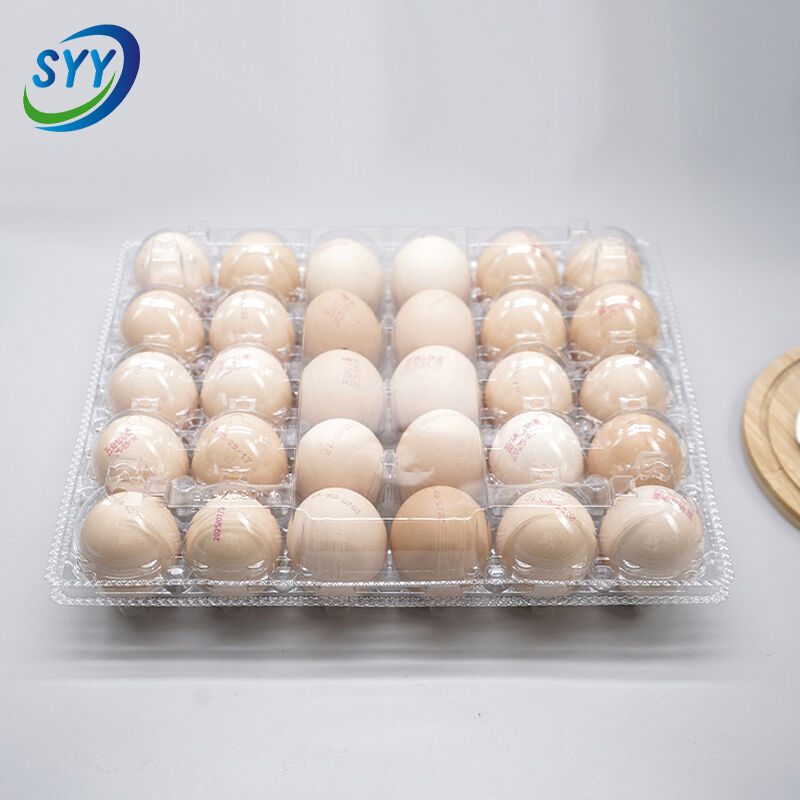
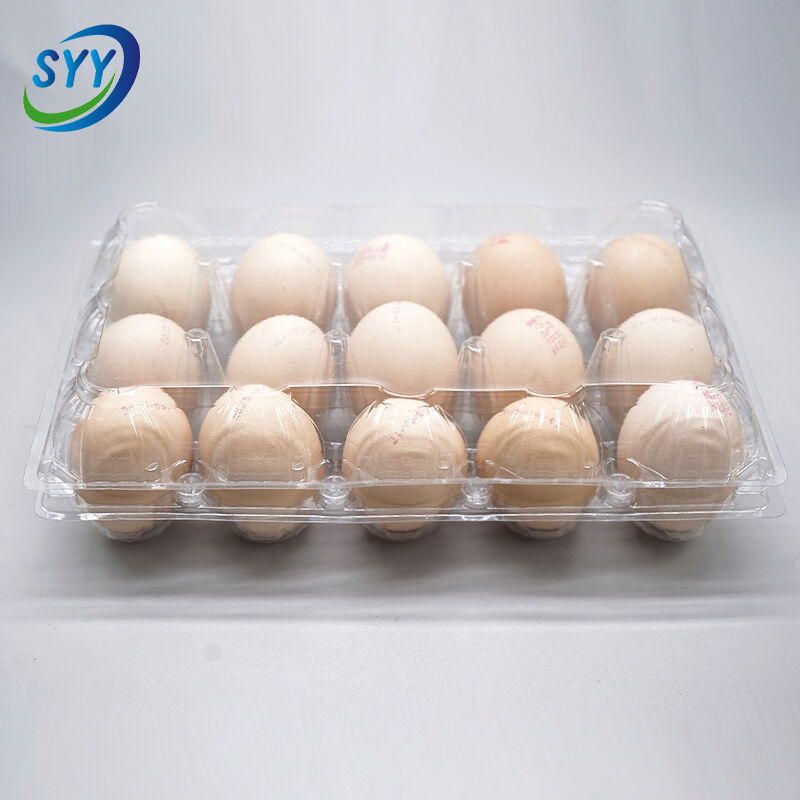
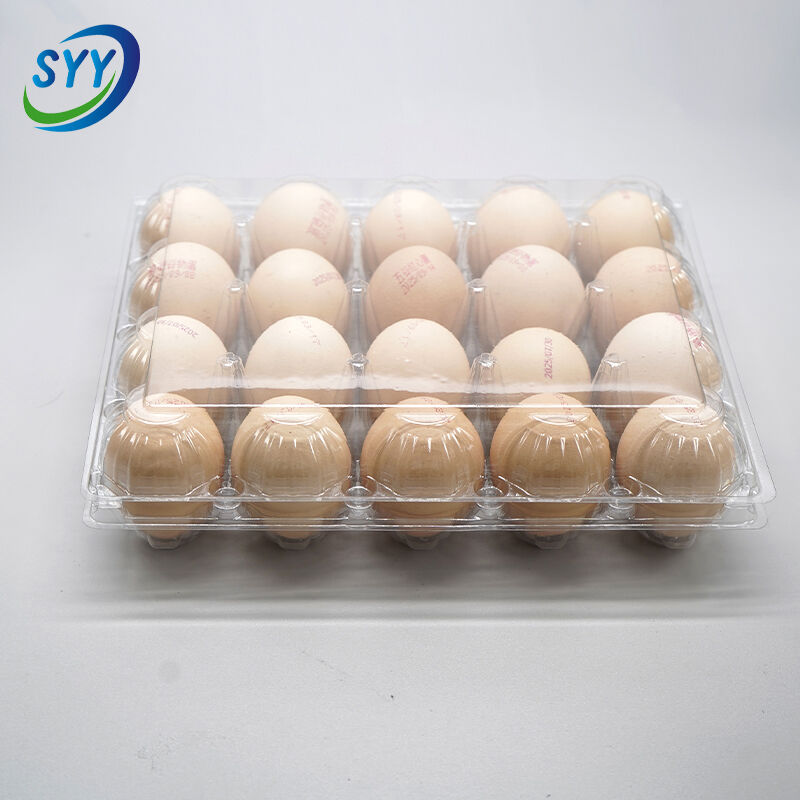
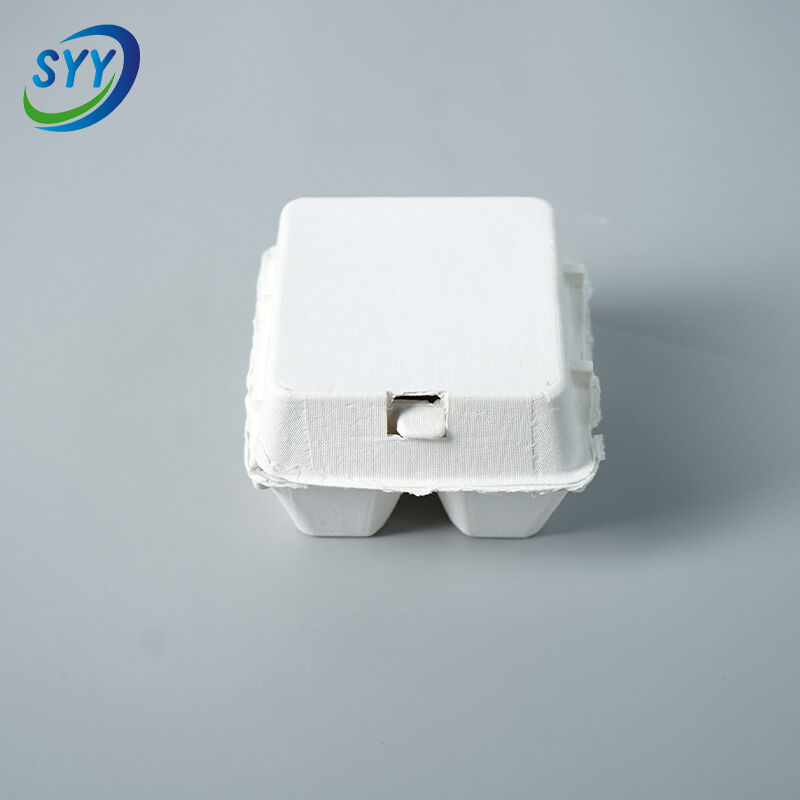
Premium Biodegradable Egg Cartons - Sustainable Packaging Solutions for Eco-Conscious Businesses

Get a Free Quote

We usually reply within 12 hours.
Email
Country/Region
Product Type
Please select your products type
Estimated Order Quantity
Hole Count
Please select your hole count
Packing System
Please select your packing system
Target Delivery Time
Color
Please select your color
Attachment
Please upload at least an attachment
Up to 3 files, each no larger than 30MB. Supported formats: jpg, jpeg, png, pdf, doc, docx, xls, xlsx, csv, txt, stp, step, igs, x_t, dxf, prt, sldprt, sat, rar, zip.
Message
0/1000

biodegradable egg carton

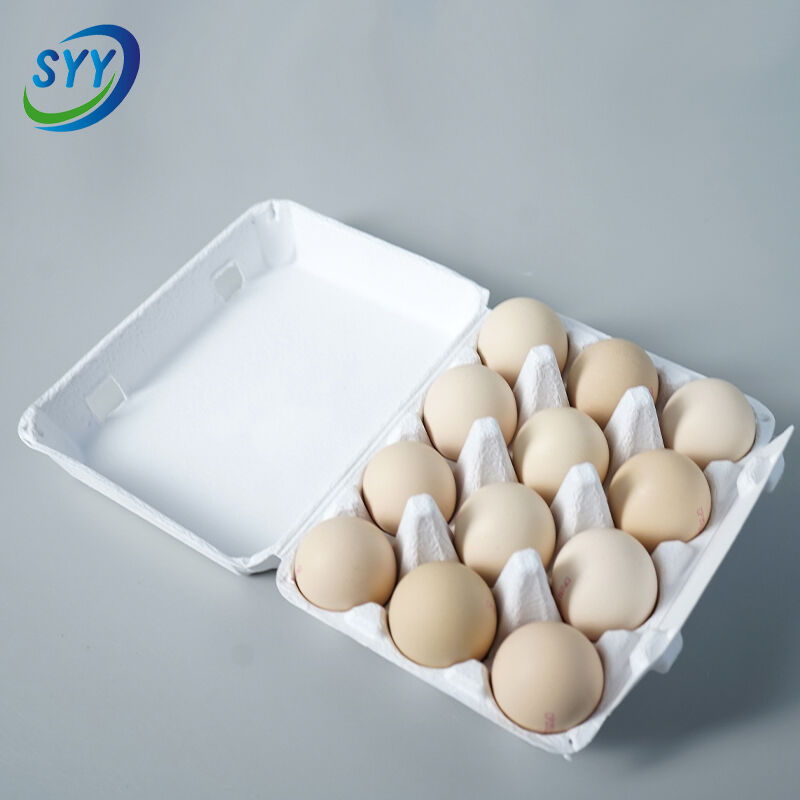
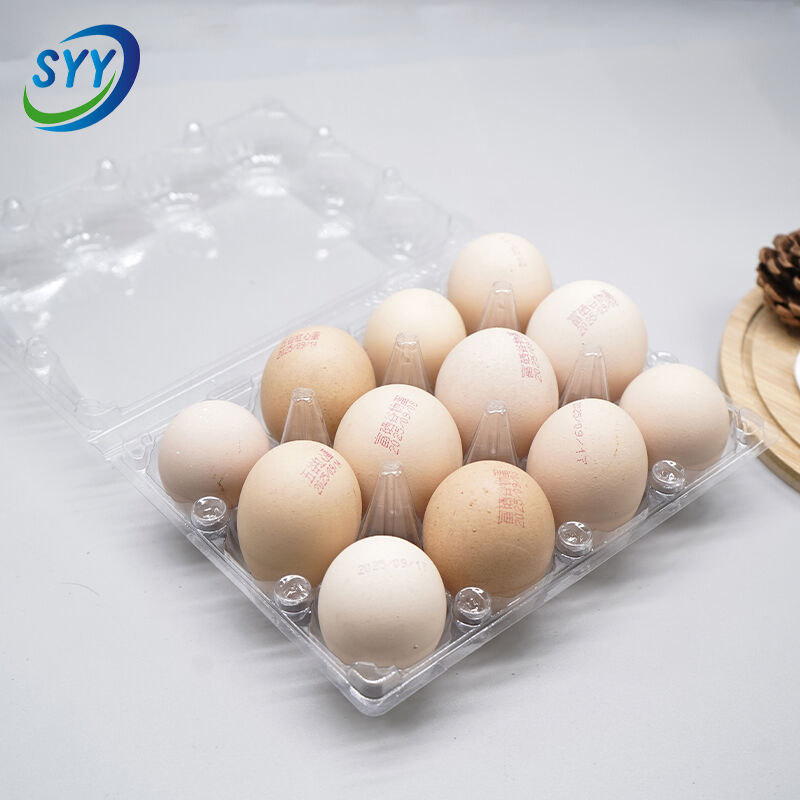
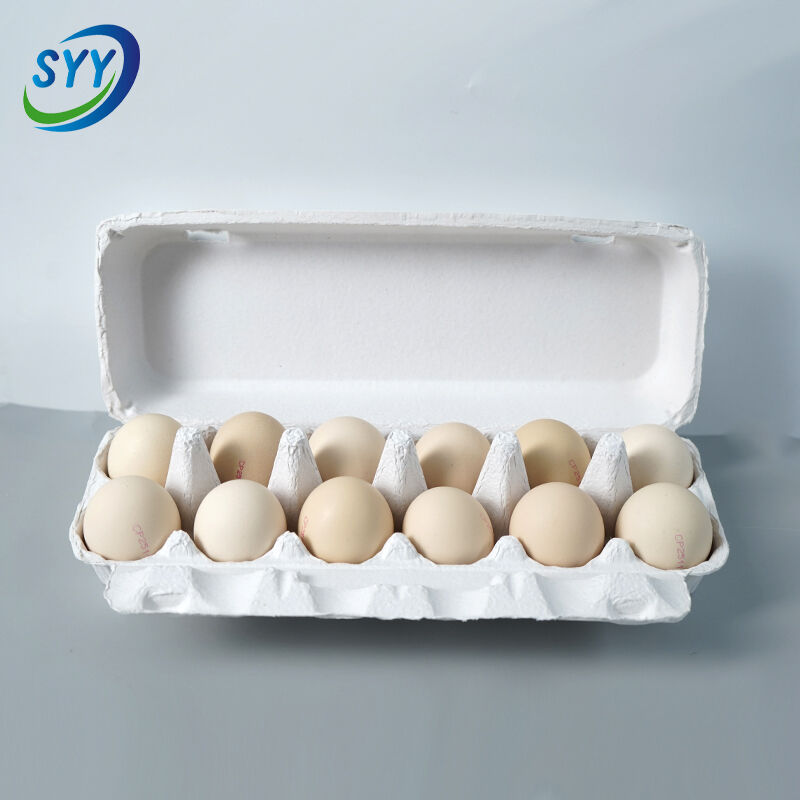
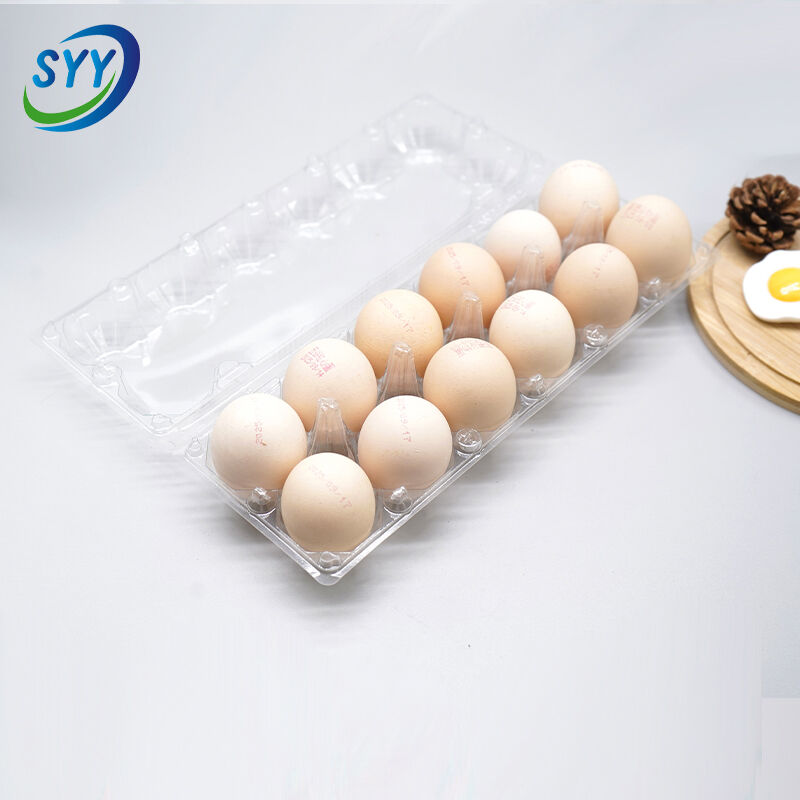
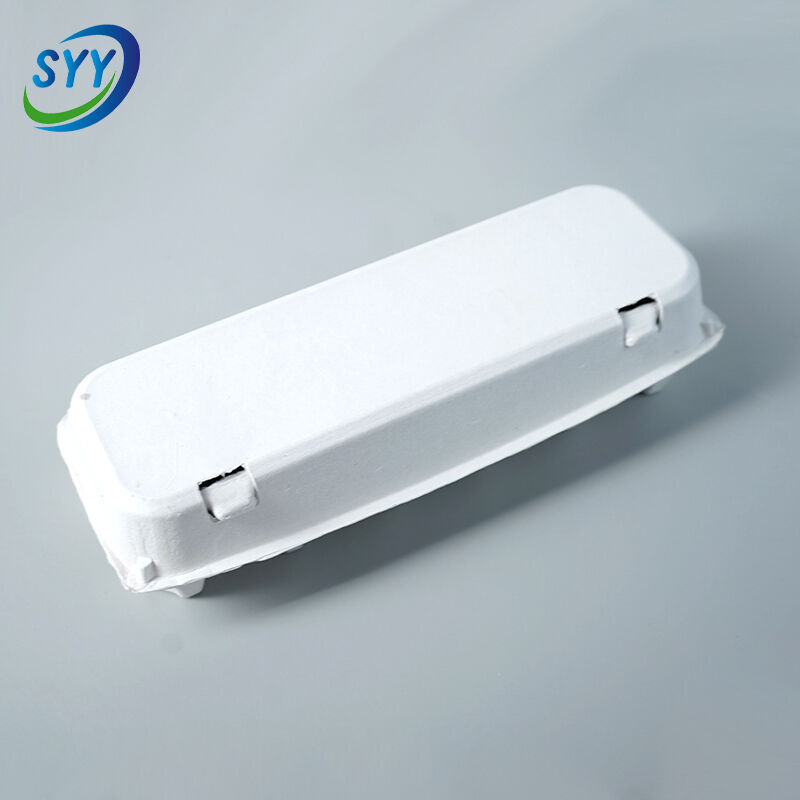
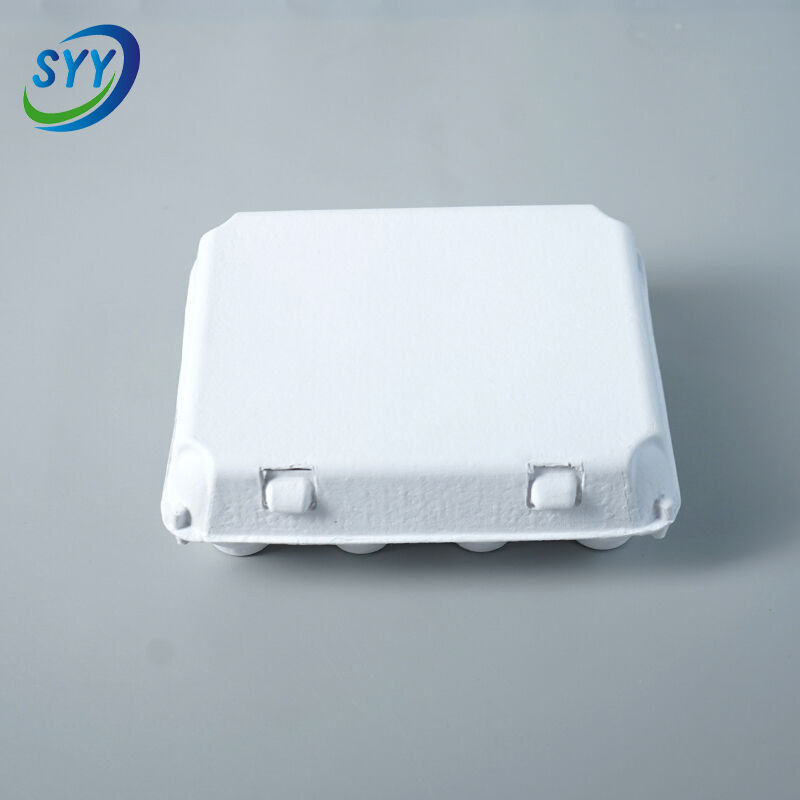
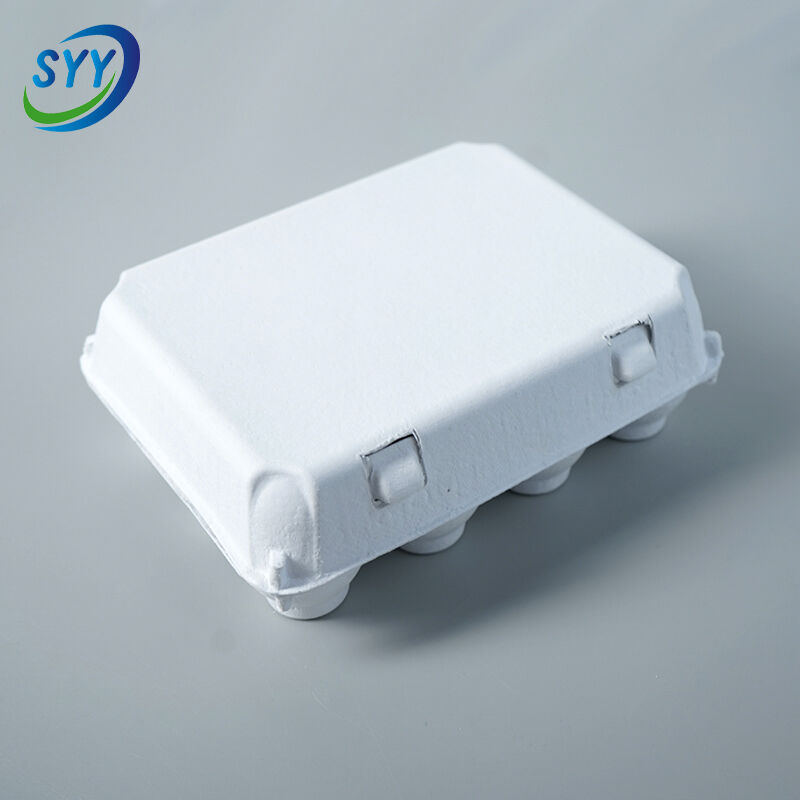
The biodegradable egg carton represents a revolutionary advancement in sustainable packaging solutions, specifically engineered to protect eggs while minimizing environmental impact. This innovative packaging system utilizes natural materials such as recycled paper pulp, agricultural waste fibers, and plant-based binding agents to create a protective housing that naturally decomposes after use. The primary function of the biodegradable egg carton centers on providing superior cushioning and shock absorption through its molded design, which cradles each egg individually to prevent cracking and breakage during transportation and storage. The technological features of this packaging solution incorporate advanced molding techniques that create precisely shaped cavities, ensuring optimal weight distribution and ventilation. The manufacturing process employs water-based forming methods that shape recycled materials into durable yet lightweight structures. These cartons feature moisture-resistant properties while maintaining breathability, which helps preserve egg freshness by allowing natural air circulation. The biodegradable egg carton applications span across various sectors including commercial egg production facilities, retail grocery chains, organic farming operations, and direct-to-consumer sales channels. Food service establishments, restaurants, and catering businesses increasingly adopt these sustainable containers to align with eco-friendly practices. The cartons accommodate different egg sizes and quantities, from standard dozen packages to larger commercial formats. Their stackable design optimizes storage space and transportation efficiency, making them suitable for both small-scale local producers and large-scale distribution networks. The decomposition timeline typically ranges from several weeks to a few months depending on environmental conditions, with composting accelerating the breakdown process. This packaging solution addresses growing consumer demand for environmentally responsible products while maintaining the protective functionality essential for fragile egg transportation and storage requirements.

New Products

The biodegradable egg carton delivers substantial environmental benefits by replacing traditional polystyrene and plastic packaging with materials that naturally decompose without leaving harmful residues. This sustainable alternative significantly reduces landfill waste accumulation and ocean pollution, directly addressing the global plastic crisis that affects marine ecosystems and wildlife habitats. Consumers appreciate the guilt-free disposal options, as these cartons can be composted in backyard systems or municipal facilities, transforming waste into nutrient-rich soil amendments. The economic advantages extend beyond environmental considerations, as many biodegradable egg carton manufacturers offer competitive pricing that rivals conventional packaging costs. Bulk purchasing options provide additional savings for commercial operations, while the lightweight design reduces shipping expenses and carbon footprint associated with transportation. The versatility of these cartons appeals to diverse market segments, from premium organic egg producers seeking to reinforce their sustainable brand image to cost-conscious retailers looking to attract environmentally aware customers. Practical benefits include superior egg protection through shock-absorbing properties that often exceed traditional foam alternatives. The molded pulp construction creates individual compartments that prevent eggs from shifting and colliding during handling, reducing breakage rates and associated financial losses. Storage convenience emerges as another significant advantage, as the biodegradable egg carton maintains structural integrity under normal refrigeration conditions while allowing proper air circulation that helps maintain egg freshness. The stackable design maximizes refrigerator space utilization for both commercial and residential users. Brand differentiation opportunities arise for businesses adopting these sustainable packages, as consumers increasingly make purchasing decisions based on environmental responsibility. The biodegradable egg carton enables companies to communicate their commitment to sustainability through visible packaging choices, potentially commanding premium pricing and building customer loyalty. Regulatory compliance becomes simplified as governments worldwide implement stricter packaging waste regulations and plastic reduction mandates. Early adoption of biodegradable alternatives positions businesses ahead of regulatory curves while demonstrating proactive environmental stewardship.

Practical Tips

Why Do Eggs Break During Shipping? Causes and Best Egg Packaging Solutions Explained

08

May

Why Do Eggs Break During Shipping? Causes and Best Egg Packaging Solutions Explained

Every year, millions of eggs are lost to breakage during transit — a costly problem that affects egg producers, distributors, and retailers alike. The fragility of eggs is not a new challenge, but as supply chains grow more complex and shipping...
View More
How to Reduce Egg Breakage During Transport: Best Egg Packaging Solutions for Poultry Farms

07

May

How to Reduce Egg Breakage During Transport: Best Egg Packaging Solutions for Poultry Farms

For poultry farms of every scale, egg breakage during transport represents one of the most persistent and costly operational challenges. Every cracked or shattered egg is not just a lost product — it is lost revenue, wasted labor, and a potenti...
View More
What to Look for in Egg Packaging Manufacturers: Quality, Cost, and Customization Guide

12

May

What to Look for in Egg Packaging Manufacturers: Quality, Cost, and Customization Guide

Choosing the right egg packaging manufacturer is one of the most consequential decisions a poultry producer, retailer, or food distribution business can make. The packaging that holds your eggs does far more than contain a product — it communicates b...
View More
How to Choose the Right Egg Tray Supplier: Key Factors for Reliable Egg Packaging Manufacturers

11

May

How to Choose the Right Egg Tray Supplier: Key Factors for Reliable Egg Packaging Manufacturers

Finding the right egg tray supplier is one of the most consequential procurement decisions a poultry farm, food distributor, or retail chain can make. The quality of your egg packaging directly impacts product integrity during transit, shelf presenta...
View More

Get a Free Quote

We usually reply within 12 hours.
Email
Country/Region
Product Type
Please select your products type
Estimated Order Quantity
Hole Count
Please select your hole count
Packing System
Please select your packing system
Target Delivery Time
Color
Please select your color
Attachment
Please upload at least an attachment
Up to 3 files,more 30mb,suppor jpg、jpeg、png、pdf、doc、docx、xls、xlsx、csv、txt、stp、step、igs、x_t、dxf、prt、sldprt、sat、rar、zip
Message
0/1000

biodegradable egg carton

Advanced Protective Technology for Superior Egg Safety

Advanced Protective Technology for Superior Egg Safety

The biodegradable egg carton incorporates sophisticated protective technology that surpasses traditional packaging methods in safeguarding fragile eggs during transportation and storage. The engineered pulp molding process creates precisely contoured individual compartments that cradle each egg with optimal pressure distribution, eliminating stress concentration points that typically cause cracking. This advanced design features graduated cushioning zones that absorb impact forces from multiple directions, providing comprehensive protection against drops, vibrations, and compression during shipping. The structural integrity of the biodegradable egg carton remains consistent across varying temperature and humidity conditions, ensuring reliable protection throughout the supply chain from farm to consumer. The material composition includes natural fibers that maintain flexibility while providing rigid support, creating a perfect balance between shock absorption and structural stability. Quality control testing demonstrates that these cartons reduce egg breakage rates by up to 30 percent compared to conventional packaging, translating into significant cost savings for producers and retailers. The ventilation properties built into the design prevent moisture accumulation that could weaken shell integrity, while the breathable structure maintains optimal humidity levels that preserve egg freshness. The protective technology extends to preventing cross-contamination between eggs through individual isolation chambers that limit bacterial transmission. This feature proves particularly valuable for organic and free-range egg producers who prioritize product purity and safety standards. The biodegradable egg carton design accommodates various egg sizes without compromising protective capabilities, from standard Grade A large eggs to specialty jumbo varieties. The impact resistance testing shows consistent performance across temperature ranges from refrigeration to room temperature storage, ensuring reliable protection regardless of storage conditions. Manufacturing precision ensures uniform cavity dimensions that eliminate movement within compartments while providing adequate clearance to prevent shell damage from tight fitting. The protective technology represents a significant advancement in sustainable packaging engineering that delivers superior performance while maintaining environmental responsibility.
Complete Compostability for Zero Waste Solutions

Complete Compostability for Zero Waste Solutions

The biodegradable egg carton achieves complete compostability through carefully selected natural materials and manufacturing processes that eliminate synthetic additives and chemical treatments. This comprehensive approach to sustainability ensures that every component of the packaging breaks down into organic matter that enriches soil rather than creating persistent waste streams. The composting process begins within weeks of disposal in proper composting environments, with complete decomposition occurring within 60 to 90 days under optimal conditions. Home composting systems readily accommodate these cartons, allowing consumers to participate directly in waste reduction while creating valuable soil amendments for gardens and landscaping projects. Commercial composting facilities process these containers efficiently alongside other organic materials, contributing to large-scale waste diversion programs that reduce municipal landfill burdens. The biodegradable egg carton contains no wax coatings, plastic linings, or synthetic binding agents that could interfere with natural decomposition processes or introduce toxins into compost systems. The paper pulp foundation consists entirely of recycled fibers sourced from post-consumer materials, creating a closed-loop recycling system that maximizes resource efficiency. Agricultural waste materials integrated into the manufacturing process include wheat straw, rice hulls, and other crop residues that would otherwise be burned or discarded, transforming waste streams into valuable packaging materials. The composting benefits extend beyond waste reduction to include carbon sequestration as decomposed materials contribute organic carbon to soil systems. Water-based adhesives used in construction break down rapidly in compost environments, leaving no chemical residues that could affect plant growth or soil health. Certified compostability standards verify that the biodegradable egg carton meets stringent requirements for biodegradation rates, toxic material absence, and compost quality impacts. The zero waste solution supports circular economy principles by ensuring that packaging materials return to natural cycles rather than accumulating as persistent waste. Municipal waste management systems benefit from reduced processing costs and landfill capacity preservation when consumers choose compostable alternatives. The complete compostability feature aligns with corporate sustainability goals and environmental stewardship programs that prioritize waste elimination and resource conservation.
Cost-Effective Manufacturing and Supply Chain Efficiency

Cost-Effective Manufacturing and Supply Chain Efficiency

The biodegradable egg carton delivers exceptional cost-effectiveness through innovative manufacturing processes and supply chain optimizations that provide economic advantages throughout the distribution network. Advanced pulp molding technology enables high-volume production at competitive costs, with automated systems reducing labor expenses while maintaining consistent quality standards. Raw material sourcing focuses on abundant renewable resources and waste streams that offer stable pricing and reliable availability, protecting manufacturers and customers from volatile petroleum-based material cost fluctuations. The lightweight design of the biodegradable egg carton significantly reduces transportation costs compared to heavier alternatives, with shipping weight reductions of up to 25 percent translating into substantial freight savings for large-volume distributors. Bulk packaging options maximize shipping efficiency through optimized container utilization and reduced handling requirements. The stackable architecture allows for compact storage in warehouses and retail environments, minimizing space requirements and associated facility costs. Production efficiency benefits from simplified manufacturing processes that require fewer chemical treatments and specialized equipment compared to plastic alternatives, reducing capital investment and operational complexity. The biodegradable egg carton manufacturing utilizes existing paper industry infrastructure and expertise, enabling rapid scaling and geographic distribution of production capabilities. Quality control costs decrease through simplified testing requirements and reduced defect rates associated with natural material consistency. Inventory management becomes more efficient as the standardized sizing and reliable supply chains reduce stock-out risks and excess inventory carrying costs. The competitive pricing structure enables retailers to offer sustainable packaging without premium pricing that might deter cost-conscious consumers, expanding market accessibility for environmentally responsible products. Waste disposal cost savings emerge for businesses and consumers as composting eliminates expensive waste hauling and landfill fees associated with non-biodegradable packaging. Insurance benefits may apply as reduced breakage rates lower product loss claims and associated administrative costs. The manufacturing efficiency extends to reduced energy consumption during production compared to plastic molding processes, contributing to lower operational costs and carbon footprint reduction. Long-term cost stability derives from renewable resource independence and reduced regulatory compliance expenses as environmental regulations increasingly favor biodegradable alternatives over traditional packaging materials.

Get a Free Quote

We usually reply within 12 hours.
Email
Country/Region
Product Type
Please select your products type
Estimated Order Quantity
Hole Count
Please select your hole count
Packing System
Please select your packing system
Target Delivery Time
Color
Please select your color
Attachment
Please upload at least an attachment
Up to 3 files, each no larger than 30MB. Supported formats: jpg, jpeg, png, pdf, doc, docx, xls, xlsx, csv, txt, stp, step, igs, x_t, dxf, prt, sldprt, sat, rar, zip.
Message
0/1000