Exceptional Environmental Sustainability and Eco-Friendly Impact
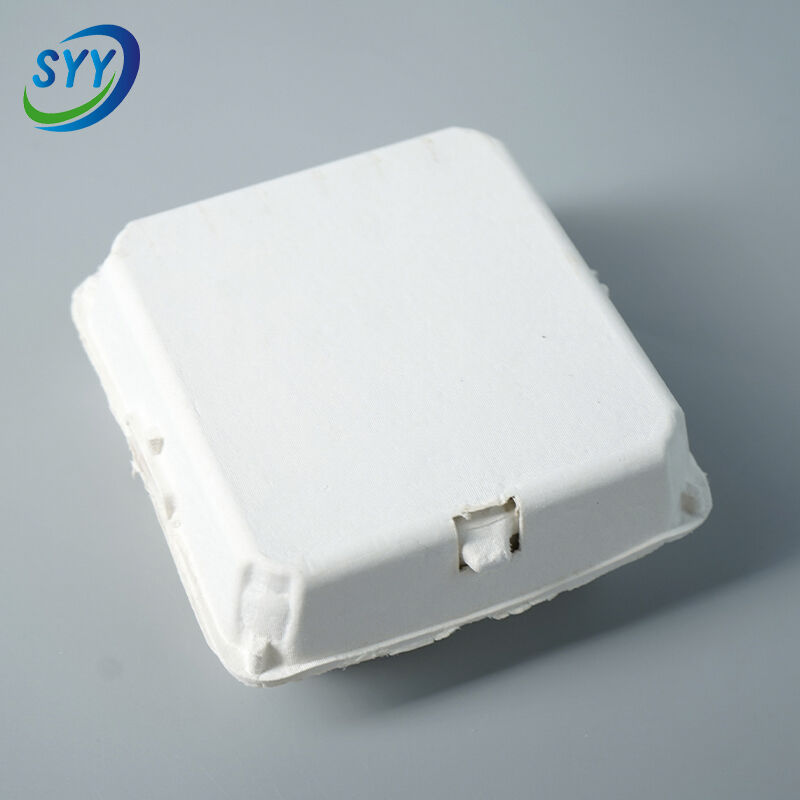
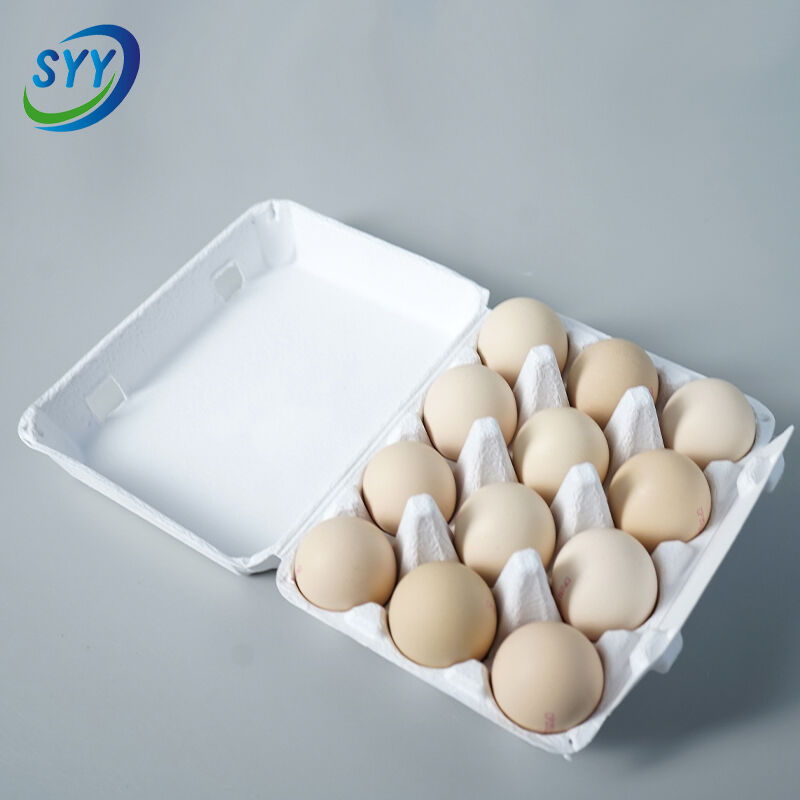
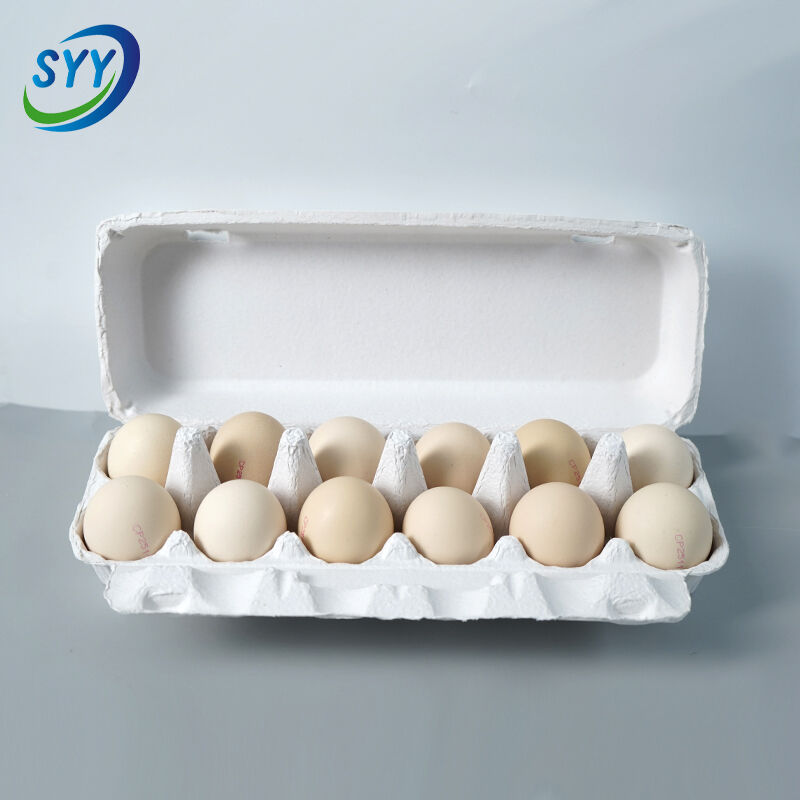
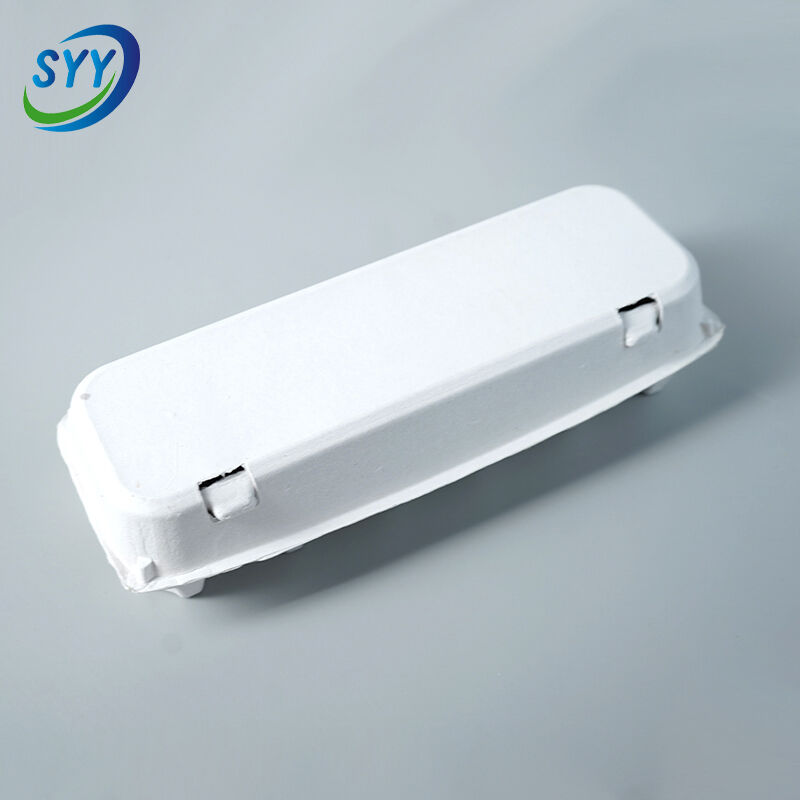
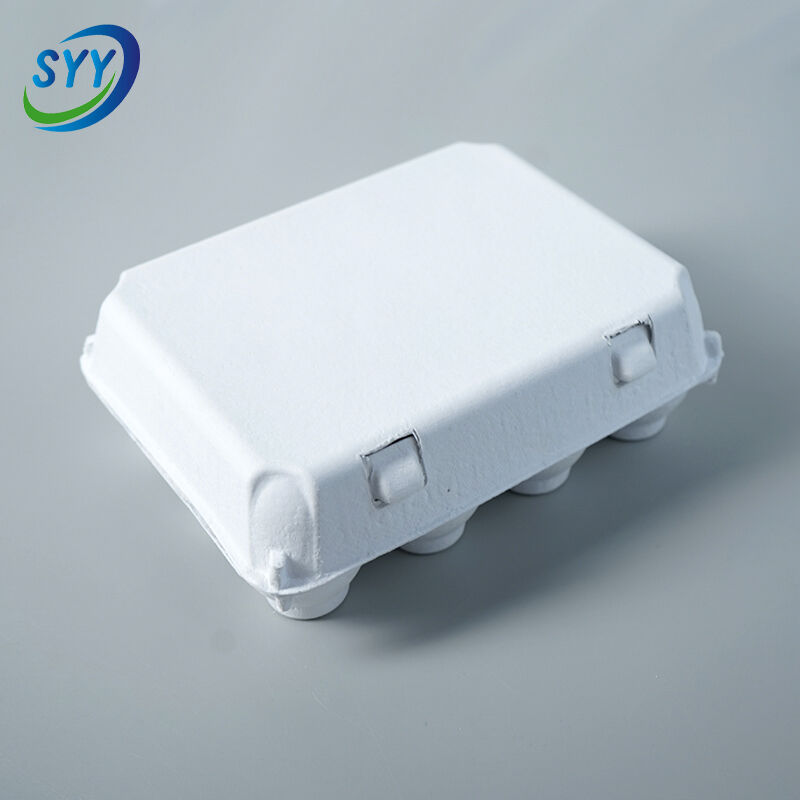
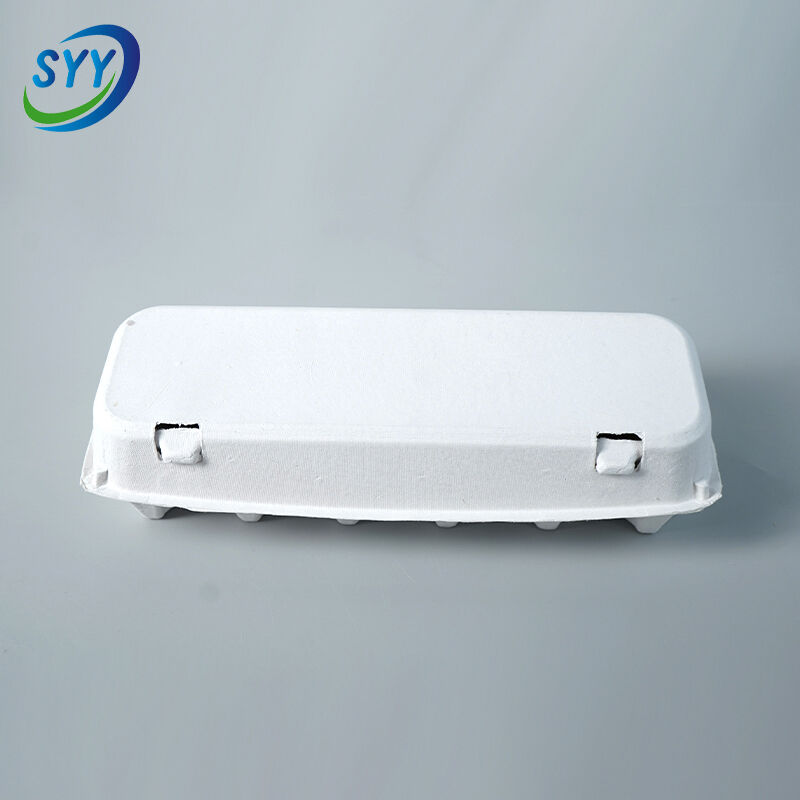
The pulp egg carton stands as a champion of environmental sustainability, representing one of the most eco-friendly packaging solutions available in today's market. This remarkable packaging innovation transforms waste materials into functional containers, creating a closed-loop system that benefits both the environment and the economy. The production process begins with post-consumer recycled paper and cardboard, materials that would otherwise occupy valuable landfill space or require energy-intensive processing for disposal. By incorporating agricultural waste such as wheat straw, bagasse, and other natural fibers, the pulp egg carton manufacturing process diverts organic materials from waste streams while creating valuable products. The environmental impact extends far beyond material sourcing, as the entire lifecycle of pulp egg cartons demonstrates superior ecological performance. During production, the manufacturing process requires significantly less energy compared to plastic alternatives, reducing carbon emissions and supporting climate change mitigation efforts. The water-based production system eliminates the need for harmful chemicals or synthetic additives, ensuring that manufacturing byproducts remain environmentally safe. When consumers finish using pulp egg cartons, the disposal process becomes remarkably simple and beneficial. Home composting systems readily accept these containers, where they decompose within 30 to 90 days depending on environmental conditions. Commercial composting facilities process pulp egg cartons even more efficiently, contributing to nutrient-rich soil amendments that support agricultural productivity. This biodegradability characteristic eliminates long-term environmental burdens associated with persistent packaging materials. The carbon footprint reduction achieved through pulp egg carton adoption proves substantial, as transportation emissions decrease due to lightweight construction while end-of-life processing requires minimal energy input. Forest conservation benefits emerge indirectly, as increased recycling rates reduce pressure on virgin timber resources. The circular economy model exemplified by pulp egg cartons demonstrates how sustainable packaging can support economic growth while protecting natural resources for future generations.
 EN
EN