 EN
EN

Every year, millions of eggs are lost to breakage during transit — a costly problem that affects egg producers, distributors, and retailers alike. The fragility of eggs is not a new challenge, but as supply chains grow more complex and shipping distances increase, the risks associated with inadequate egg packaging have never been more significant. Understanding exactly why eggs break during shipping — and what can be done to prevent it — is essential for anyone involved in the egg supply chain.
The answer lies in a combination of mechanical stress, environmental factors, and packaging design failures. When egg packaging is not properly engineered for the realities of modern logistics, even a short journey from farm to shelf can result in significant product loss. This article breaks down the root causes of egg breakage in shipping and explains the most effective egg packaging solutions that keep eggs protected from collection to consumer delivery.
The Physical Vulnerability of Eggs in Transit
Why Eggshell Strength Is Not Enough
The eggshell is a remarkable natural structure — curved, lightweight, and surprisingly strong under evenly distributed pressure. However, this strength is highly directional. An egg can withstand significant compressive force along its vertical axis, but it is highly susceptible to localized point-impact stress, lateral force, and vibration-induced fatigue. These are precisely the conditions that dominate in shipping environments.
During transit, eggs are subjected to repeated micro-vibrations from vehicle engines, road surfaces, and conveyor belts. These vibrations, while individually minor, accumulate over time and weaken the eggshell's structural integrity before any visible crack appears. This is why some eggs appear intact upon arrival but break easily when handled — a phenomenon known as stress fracturing.
Without robust egg packaging that cushions and isolates each individual egg from vibration energy, even a smooth-looking journey can cause significant internal damage. The packaging must act as both a physical barrier and a mechanical damper, absorbing and dissipating kinetic energy before it reaches the shell.
The Role of Impact Forces in Egg Breakage
Sudden impacts are among the leading causes of egg breakage during shipping. These impacts occur during loading and unloading operations, when packages are dropped or stacked improperly, or when vehicles encounter sudden stops or rough terrain. The force of these impacts is transmitted directly through the packaging material to the eggs inside.
The severity of impact damage depends on two key variables: the magnitude of the force and the ability of the egg packaging to absorb it. Thin, rigid packaging materials offer very little energy absorption. When an impact occurs, almost all of the force is transferred directly to the egg, often causing immediate cracking or shattering.
Properly designed egg packaging incorporates cushioning geometry and material flexibility to spread impact forces over a larger area and a longer time interval, significantly reducing the peak stress experienced by the shell. This principle of force distribution is at the core of all effective protective packaging design.
Environmental Causes of Egg Damage During Shipping
Temperature and Humidity Fluctuations
Temperature changes during shipping create a less obvious but equally serious risk. When eggs are exposed to rapid temperature fluctuations — moving from cold storage into warm ambient environments — condensation forms on the shell surface. This moisture weakens the shell's protective cuticle and can soften certain packaging materials, reducing their protective capacity.
High humidity environments compound the problem further. Cardboard and paper-based egg packaging that lacks moisture resistance can absorb humidity from the air, losing structural rigidity over the course of a long journey. Once the packaging deforms, eggs shift within their compartments and become exposed to the very impacts and vibrations the packaging was designed to prevent.
Selecting egg packaging materials that maintain structural integrity across a range of temperature and humidity conditions is therefore a critical decision. Molded pulp packaging, for example, offers a naturally stable fiber structure that performs reliably even in variable environmental conditions commonly encountered in refrigerated logistics.
Compression and Stacking Pressure
In warehousing and shipping environments, egg packages are frequently stacked multiple units high on pallets. The cumulative weight of stacked cases creates significant compressive load on the packages at the bottom of the stack. If the egg packaging is not designed to handle this stacking load, the outer carton compresses, transmitting downward pressure directly onto the eggs.
This is a particularly common cause of damage in long-distance shipping, where stacked pallets travel for extended periods without rotation or redistribution of weight. The longer the compression stress is applied, the greater the risk of both packaging deformation and egg cracking. Effective egg packaging must therefore include adequate column strength to maintain structural performance under realistic stacking loads.
Testing egg packaging under simulated stacking conditions before commercial deployment is a best practice that many professional producers follow. This allows packaging engineers to identify compression failure points and reinforce structural weak spots before eggs reach the distribution network.
Packaging Design Failures That Lead to Breakage
Poor Fit and Insufficient Individual Egg Cushioning
One of the most preventable causes of egg breakage is simply poor packaging fit. When the individual compartments within an egg packaging unit are too large for the eggs they hold, the eggs can shift freely during transit. This movement allows eggs to contact each other or strike the walls of the package with every vibration or impact event, dramatically increasing the probability of cracking.
Conversely, when compartments are too tight, the packaging itself exerts constant pressure on the eggshell, which can cause stress fractures over time. The ideal egg packaging solution provides snug but gentle individual cell support, cradling each egg securely without applying excessive localized force to the shell surface.
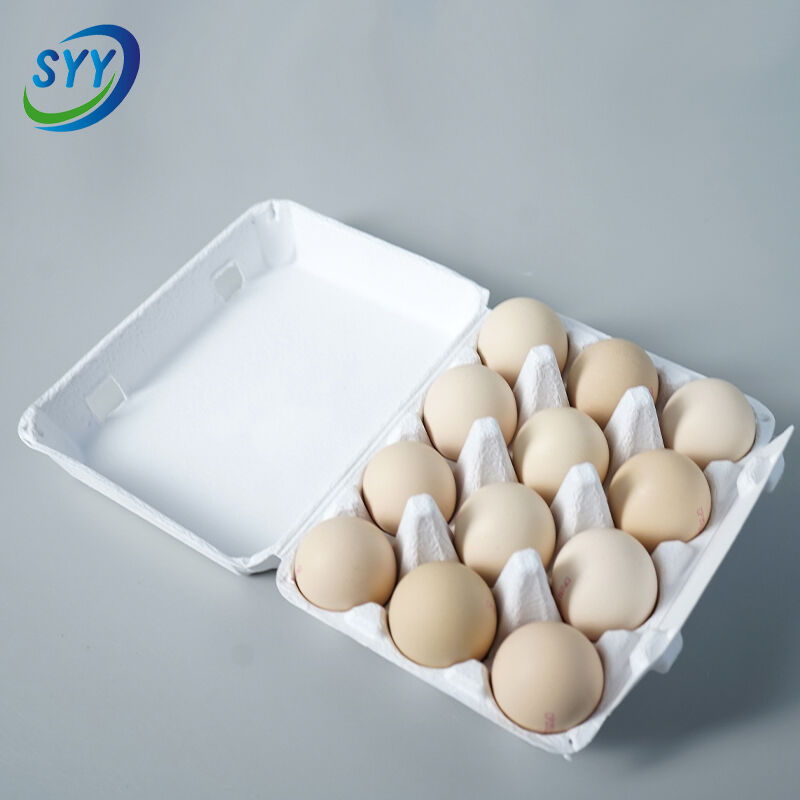
Molded pulp cartons are specifically engineered to provide this balanced fit. The contoured cell design cradles the egg's natural oval geometry, distributing contact pressure evenly across a larger surface area. This geometry-matched support is one reason why molded pulp remains the dominant material in professional egg packaging applications worldwide.
Inadequate Outer Packaging and Load Distribution
Even when individual egg cartons are well designed, breakage can still occur if the outer shipping packaging fails to properly distribute loads. Outer boxes and trays must be engineered to transmit stacking and impact forces to the structural elements of the packaging rather than directly onto the egg cartons inside.
Flimsy outer boxes, inadequate filler materials, and improper pallet configuration all contribute to load distribution failures. When these outer layers collapse or deform, the protective geometry of even the best egg packaging inner carton is compromised. A complete packaging system — from individual carton to outer shipping case to pallet configuration — must be designed and tested as an integrated unit.
Producers who invest in comprehensive egg packaging system design, rather than selecting individual components in isolation, consistently achieve lower breakage rates across their supply chains. This systems-thinking approach is particularly important for producers shipping eggs over long distances or through multiple transit stages.
Best Egg Packaging Solutions for Reducing Breakage
Molded Pulp Cartons: The Industry Standard
Molded pulp cartons represent the gold standard in protective egg packaging for a range of well-documented reasons. Manufactured from recycled paper fibers, molded pulp cartons offer an outstanding combination of cushioning performance, structural rigidity, environmental sustainability, and cost-effectiveness. Their three-dimensional fiber matrix absorbs and disperses both impact and vibration energy with exceptional efficiency.
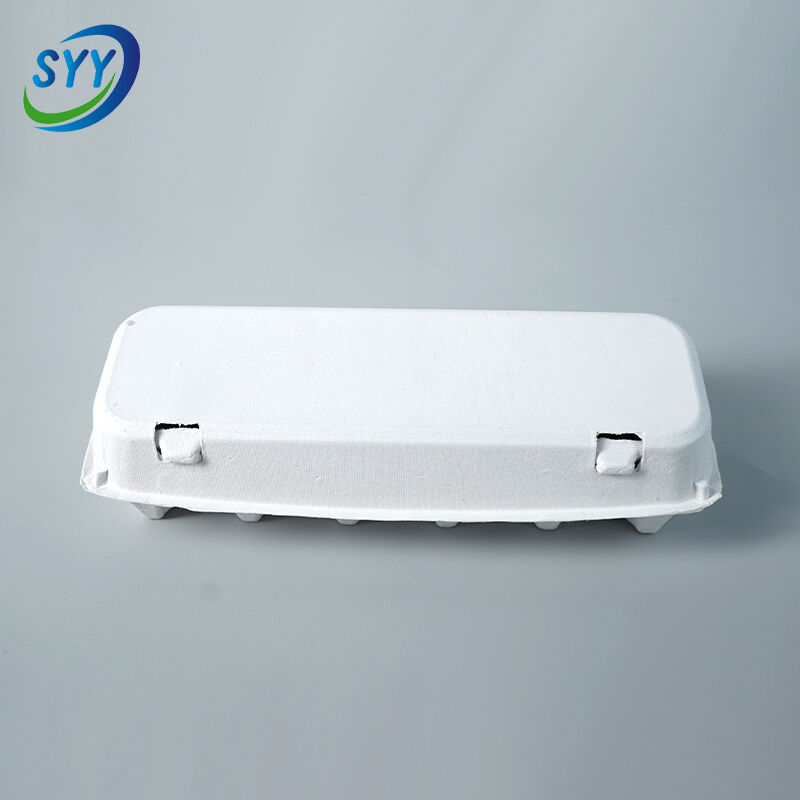
The contoured cell design of a quality molded pulp carton, such as the egg packaging solution available for 12-hole eco-friendly configurations, ensures that each egg is individually supported in a precisely shaped cradle. This individual support prevents egg-to-egg contact and eliminates free movement within the package, addressing two of the most significant causes of transit breakage simultaneously.
Molded pulp also performs reliably in refrigerated environments, maintaining its structural integrity even when exposed to moisture and temperature variation. This makes it suitable for use across the full cold chain, from farm collection through cold storage to retail display. For producers seeking a packaging solution that performs consistently across all stages of the egg supply chain, molded pulp cartons remain the clear choice.
Eco-Friendly Packaging and Sustainability Alignment
Beyond performance, modern egg packaging must also satisfy growing sustainability requirements from retailers, consumers, and regulatory bodies. Eco-friendly molded pulp cartons address this requirement directly. Because they are manufactured from recycled materials and are themselves fully recyclable and biodegradable, they align with circular economy principles that are increasingly mandatory in food supply chains.
The shift toward sustainable egg packaging is not merely driven by consumer preference — it is increasingly being required by major retail buyers as a condition of supply. Producers who invest in eco-certified packaging materials gain a competitive advantage in premium retail channels while simultaneously reducing their environmental impact and compliance risk.
Sustainable egg packaging solutions also tend to be lighter than plastic alternatives, which reduces shipping weight and freight costs over time. The combination of superior protection, sustainability credentials, and logistical efficiency makes eco-friendly molded pulp the most strategically sound choice for contemporary egg producers and distributors.
Optimizing Packaging Configuration for Different Distribution Channels
Different distribution channels impose different mechanical stresses on egg packaging. Retail distribution through ambient temperature grocery stores involves different handling conditions than direct-to-consumer cold-chain delivery or food service bulk shipping. Recognizing these differences and selecting packaging configurations accordingly is an important step in minimizing breakage rates.
For retail channels, standard 6-hole or 12-hole molded pulp cartons are optimal, offering consumer-friendly sizing with adequate protection for typical supermarket supply chain conditions. For food service or bulk distribution, larger tray formats that allow efficient palletization while maintaining individual egg cushioning are preferred. In all cases, the egg packaging format must be matched to the specific mechanical stresses of the intended distribution pathway.
Consulting with experienced egg packaging specialists to conduct a full supply chain stress analysis before finalizing packaging specifications is a valuable investment. This analysis identifies the specific impact, vibration, compression, and environmental risks relevant to a particular distribution route and enables packaging selection to be precisely optimized for those conditions.
FAQ
What is the most common cause of egg breakage during shipping?
The most common cause is a combination of vibration-induced stress fracturing and sudden impacts during loading, unloading, and transit. These mechanical stresses overwhelm the eggshell when the egg packaging does not provide adequate individual cushioning and impact absorption. Poor compartment fit, allowing eggs to shift within the packaging, significantly amplifies both of these risks.
Why is molded pulp considered the best egg packaging material for transit protection?
Molded pulp is favored because its three-dimensional fiber structure absorbs and dissipates both shock and vibration energy effectively. Its contoured cell design matches the natural geometry of eggs, providing individually tailored support that prevents movement and distributes contact pressure evenly. It also maintains structural performance across a range of temperature and humidity conditions typical in cold chain logistics.
How does humidity affect egg packaging performance during shipping?
High humidity can weaken packaging materials that lack sufficient moisture resistance, causing them to soften and deform. Once egg packaging loses structural rigidity, eggs are no longer held securely and become vulnerable to impact and vibration damage. Quality molded pulp cartons are engineered with fiber compositions that resist moisture absorption while maintaining their protective geometry across typical shipping conditions.
Can better egg packaging eliminate breakage entirely during long-distance shipping?
While no packaging system can guarantee zero breakage under all conditions, properly engineered egg packaging can reduce transit breakage rates to minimal levels. The key is treating packaging as a complete system — from individual carton design through outer box configuration to pallet loading strategy — and matching that system to the specific mechanical and environmental demands of the intended supply chain route.
Table of Contents
- The Physical Vulnerability of Eggs in Transit
- Environmental Causes of Egg Damage During Shipping
- Packaging Design Failures That Lead to Breakage
- Best Egg Packaging Solutions for Reducing Breakage
-
FAQ
- What is the most common cause of egg breakage during shipping?
- Why is molded pulp considered the best egg packaging material for transit protection?
- How does humidity affect egg packaging performance during shipping?
- Can better egg packaging eliminate breakage entirely during long-distance shipping?