 EN
EN

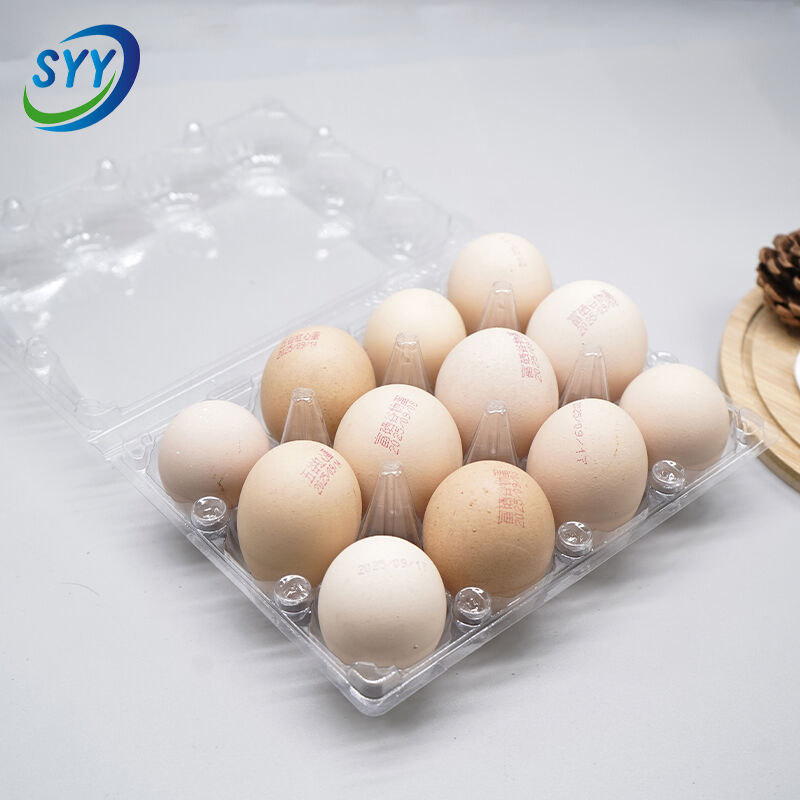
For poultry farms of every scale, egg breakage during transport represents one of the most persistent and costly operational challenges. Every cracked or shattered egg is not just a lost product — it is lost revenue, wasted labor, and a potential blow to your reputation with buyers and distributors. Whether you are shipping a few hundred eggs to a local market or moving thousands of trays across long-haul logistics networks, the integrity of your egg packaging plays a decisive role in determining how many eggs arrive intact. Understanding the root causes of breakage and selecting the right packaging approach is therefore not a minor operational detail — it is a strategic business decision.
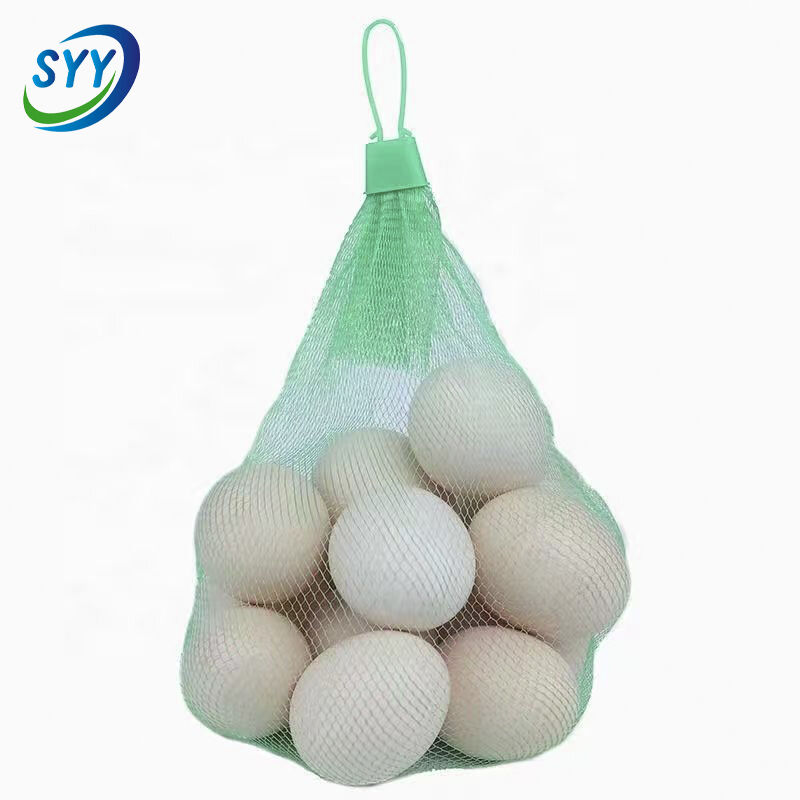
Modern egg packaging solutions have evolved well beyond the simple cardboard carton. Today, poultry farms have access to a range of materials and tray designs engineered specifically to absorb vibration, maintain airflow around delicate shells, and withstand the mechanical stress of stacking and handling. However, not every solution is equally suited to every farm's needs. The right choice depends on your transport distance, the volume of eggs moved per cycle, the sensitivity of your distribution channels, and the specific vulnerabilities in your current logistics workflow. This article walks through the critical factors that cause egg breakage, explains how different packaging technologies address those factors, and provides practical guidance for choosing the most effective solution for your operation.
Understanding the Root Causes of Egg Breakage in Transport
Mechanical Shock and Vibration on the Road
The most common cause of egg breakage during transport is mechanical shock and continuous vibration. When loaded vehicles travel over uneven roads, speed bumps, or rough terrain, that kinetic energy transfers directly through the packaging and into each individual egg. If the egg packaging material is rigid and non-absorbing, the shell absorbs the full force of each impact, making cracks inevitable. Vibration over extended distances compounds the problem — even low-intensity, continuous movement creates micro-fractures that weaken the shell before any obvious breakage is visible.
Effective egg packaging must therefore function as a shock-dampening system, not merely a container. The geometry of the tray design — particularly the depth and curvature of each egg cup — determines how well individual eggs are cradled and isolated from lateral and vertical movement. A shallow cup that allows the egg to rock freely offers far less protection than a deep, contoured cup that holds the egg firmly in a stable position throughout the journey.
Stacking Pressure and Load Distribution
In commercial poultry operations, eggs are rarely transported in single-layer configurations. Stacking multiple trays or cartons creates compressive forces that bear down on the eggs at the bottom of the pile. If the egg packaging material is not structurally strong enough to transfer that compressive load through the tray walls rather than through the eggs themselves, breakage at the bottom layers becomes a predictable outcome. This is a particularly acute problem in warm or humid environments where cardboard-based packaging loses structural rigidity.
Choosing egg packaging materials with high compression resistance — such as durable polyethylene mesh or reinforced molded fiber — ensures that stacking forces are distributed across the tray structure rather than concentrated on individual egg shells. This structural integrity is especially critical for farms that palletize high stacks for warehouse storage before onward transport.
How Egg Tray Material Affects Breakage Rates
The Limitations of Traditional Cardboard and Pulp Trays
Molded pulp and cardboard egg packaging trays have been the industry standard for decades, and they offer legitimate advantages including low cost, biodegradability, and wide availability. However, they carry a significant structural weakness: moisture sensitivity. In humid climates, during rainy seasons, or in the presence of condensation from refrigerated transport, cardboard and pulp trays absorb moisture and lose up to a significant portion of their load-bearing capacity. A tray that performs well under dry warehouse conditions can become soft and deformable in the back of a refrigerated truck.
This moisture-driven degradation means that farms relying exclusively on pulp egg packaging need to carefully manage environmental exposure throughout the entire logistics chain. Without climate control and careful handling, even well-designed pulp trays will fail to protect eggs in the conditions they frequently encounter. For farms operating in tropical climates or those distributing through extended supply chains with variable storage conditions, this is a recurring source of preventable breakage.
Why PE Mesh and Synthetic Material Trays Outperform in Demanding Conditions
Polyethylene mesh trays represent a major advancement in egg packaging technology for working poultry farms. Unlike pulp or cardboard, PE mesh is inherently moisture-resistant, maintaining its structural integrity regardless of humidity, condensation, or brief water exposure. This means that the compression strength, shock absorption geometry, and dimensional stability you measure in a dry environment are the same properties you get in real-world transport conditions.
In addition to moisture resistance, PE mesh egg packaging provides an important functional advantage through breathability. The open mesh structure allows air to circulate freely around each egg, which serves two critical purposes: it prevents condensation buildup on the shell surface — a factor that can soften the cuticle and increase fragility — and it supports temperature equilibration during transitions between cold and ambient environments. For farms that also use trays in incubation settings, breathability directly impacts hatch rates by ensuring adequate airflow around developing eggs. The egg packaging solution from SYY Pack is specifically engineered to meet both transport and incubation demands, reflecting a dual-use design philosophy that delivers real value across the poultry production cycle.
Optimizing Your Packaging Process to Minimize Breakage
Loading and Orientation Best Practices
Even the best egg packaging materials cannot compensate for poor loading technique. The orientation of the egg within the tray matters: eggs should always be loaded with the larger, blunter end facing upward. This orientation positions the air cell at the top, which provides a small but meaningful internal buffer against shock, and it places the structurally stronger end of the egg in the position that bears the most contact pressure.
Consistent orientation across all trays also improves the regularity of load distribution during stacking. When eggs are randomly oriented, the contact points between shell and tray cup vary unpredictably, creating hot spots of localized stress that increase the probability of cracking. Training your farm team to follow a consistent loading protocol is one of the lowest-cost interventions available for reducing breakage, and it works synergistically with high-quality egg packaging materials to produce better outcomes.
Securing Stacks and Minimizing Movement During Transit
Lateral movement within a loaded vehicle is a frequently underestimated cause of egg breakage. When trays are not secured and the vehicle turns, accelerates, or brakes suddenly, stacks can shift, tilt, and impact the walls of the cargo area. Proper use of dunnage, load bars, or stretch wrap around palletized egg packaging stacks significantly reduces this lateral movement and protects the structural integrity of the load throughout the journey.
Farms that transport eggs in loose cage configurations rather than on pallets should ensure that individual trays are nested securely and that the loading density does not leave excessive free space that allows trays to slide. The fit between consecutive trays in a stack should be snug — good quality egg packaging trays are designed with interlocking features that prevent lateral displacement even without additional securing measures. Paying close attention to this fit at the time of purchase can meaningfully reduce breakage without adding any operational complexity.
Selecting the Right Egg Packaging Solution for Your Farm's Specific Needs
Matching Packaging to Transport Distance and Frequency
Short-distance, high-frequency deliveries to local markets place different demands on egg packaging than long-haul distribution to regional wholesalers or export channels. For short-distance, rapid-turnover routes, low-cost pulp trays may be economically justifiable provided humidity is not a factor. However, for routes that involve extended transit times, multiple handling touchpoints, or exposure to variable environmental conditions, the durability and reusability of PE mesh egg packaging delivers a substantially better return on investment.
Reusable egg packaging trays also reduce per-cycle packaging cost over time. While the initial unit cost of a durable PE mesh tray is higher than a single-use pulp tray, the total cost across dozens of uses is typically far lower. For farms managing tight margins — which describes most commercial poultry operations — this lifecycle cost analysis is essential to making a financially sound packaging decision.
Evaluating Tray Compatibility with Your Existing Equipment
If your farm uses automated grading, washing, or packing equipment, tray compatibility is a non-negotiable factor in your egg packaging selection process. Not all tray formats are dimensionally compatible with all equipment configurations. Before committing to a new egg packaging system, verify the tray dimensions, cell pitch, and material stiffness against the specifications of your automated equipment.
Farms that hand-pack eggs have more flexibility, but should still consider how the tray design affects handling speed and ergonomics. A well-designed egg packaging tray should allow a worker to load eggs quickly and consistently without excessive precision or force. Tray designs that are difficult to load efficiently will slow down your packing line and increase the risk of eggs being placed incorrectly, which ultimately increases breakage downstream in the transport process.
FAQ
What is the most important factor in choosing egg packaging to prevent breakage?
The most important factor is the material's ability to absorb mechanical shock and maintain structural integrity under real transport conditions, including humidity and stacking pressure. Moisture-resistant materials such as PE mesh are particularly effective because they do not lose strength in humid or condensation-prone environments, which is when most cardboard-based egg packaging fails. The geometry of the egg cup — depth, curvature, and contact surface — is equally critical for isolating each egg from vibration and lateral movement.
Can the same egg packaging be used for both transport and incubation?
Yes, certain egg packaging formats — particularly breathable PE mesh trays — are specifically designed to serve both transport and incubation functions. The open mesh structure allows the continuous airflow required for embryo development during incubation while also providing the structural support and shock resistance needed during transit. Using a dual-purpose tray reduces your total packaging inventory and simplifies logistics across the production cycle.
How does egg orientation within the tray affect breakage rates?
Egg orientation has a measurable impact on breakage rates. Positioning eggs with the blunt end upward aligns the internal air cell with the top of the tray cup, providing a small cushioning effect against vertical shock. It also ensures that the structurally stronger end of the egg bears the primary contact with the tray surface. Inconsistent orientation within a stack creates uneven load distribution that increases the risk of shell failure, particularly at the bottom of tall stacks during transport.
How often should reusable egg packaging trays be replaced?
The replacement frequency for reusable egg packaging trays depends on the material, the intensity of use, and the cleaning and handling practices applied between cycles. High-quality PE mesh trays are designed to withstand repeated use across many production cycles without significant degradation of structural performance. Visual inspection before each use — checking for cracks, deformation, or significant dimensional change in the egg cups — is the most reliable method for determining when a tray should be retired from service. Farms that follow consistent cleaning protocols and proper storage practices typically achieve excellent longevity from durable mesh trays.