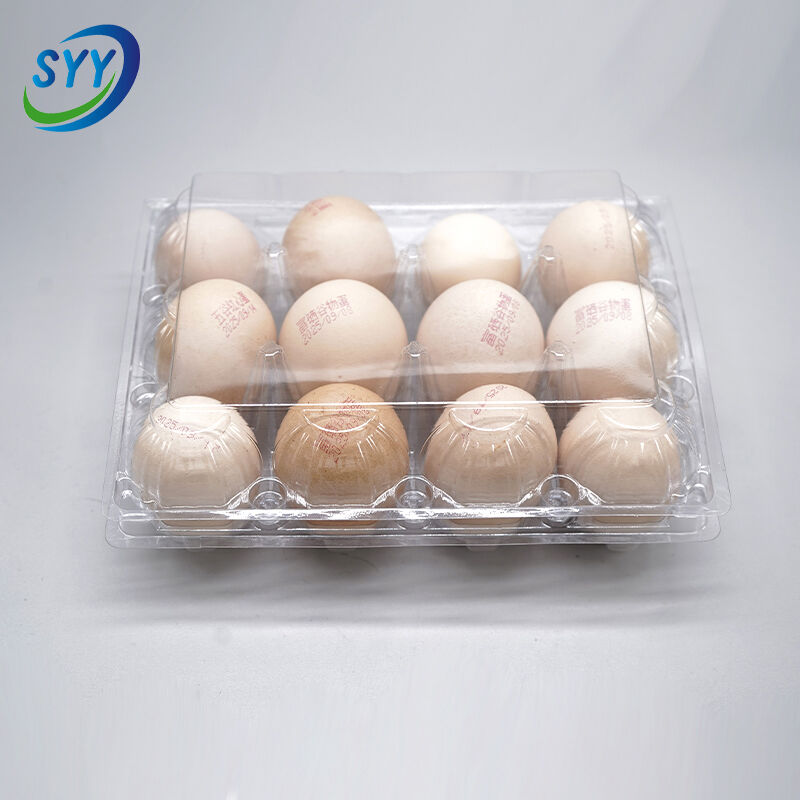
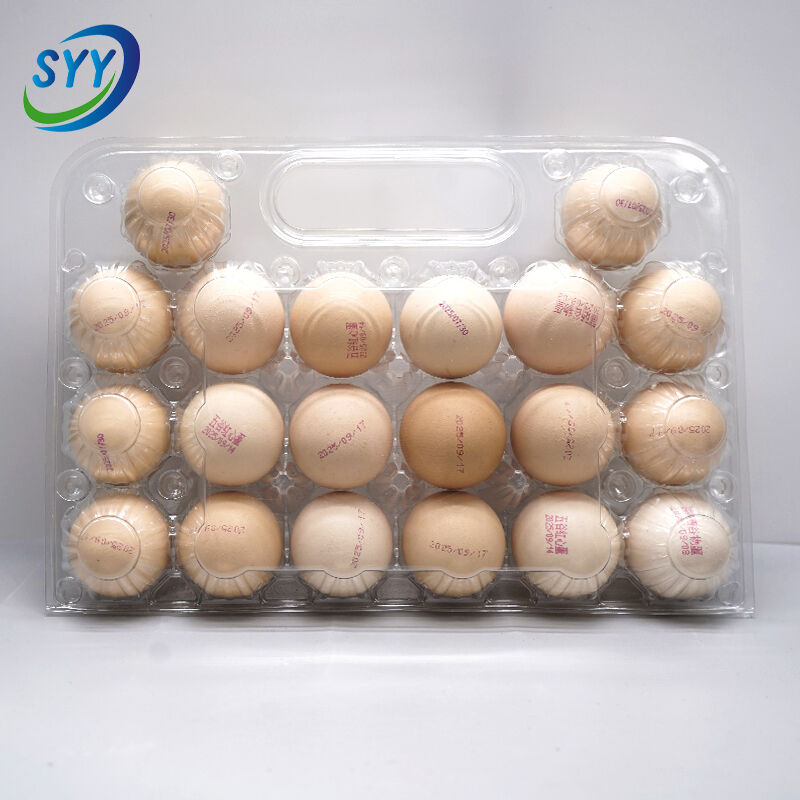
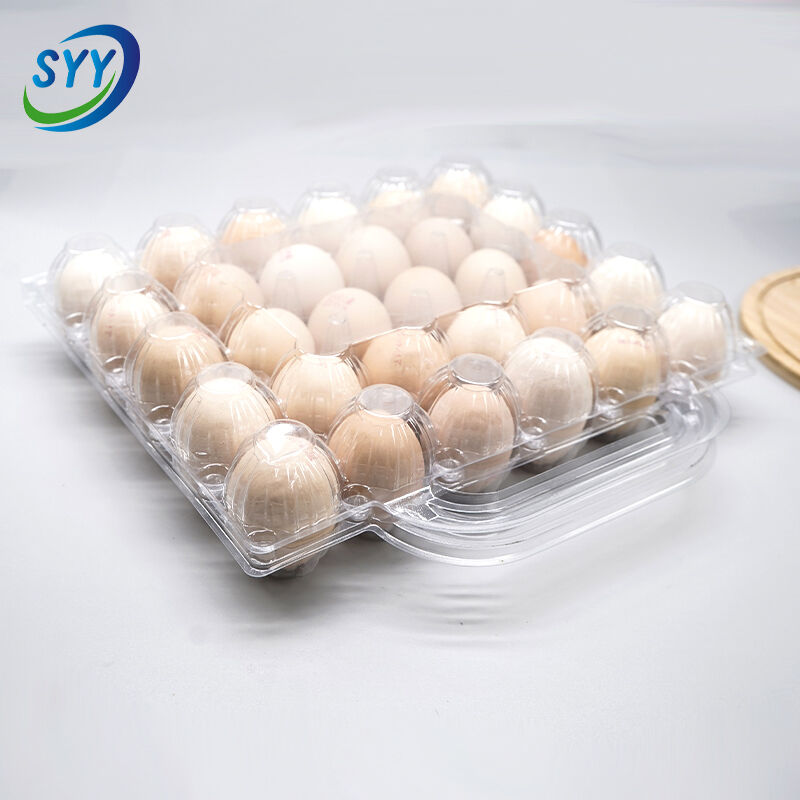
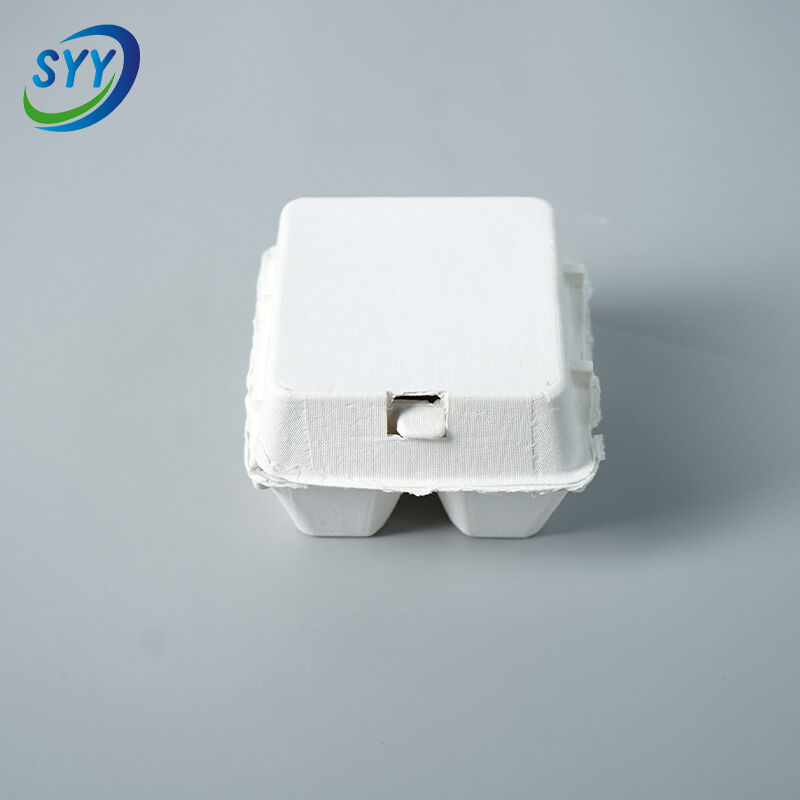
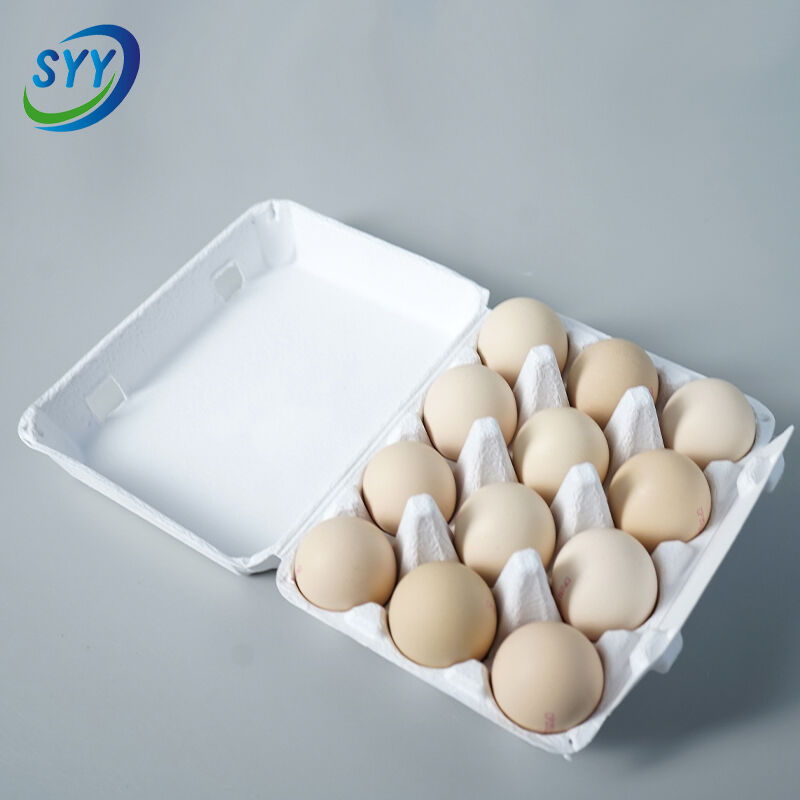
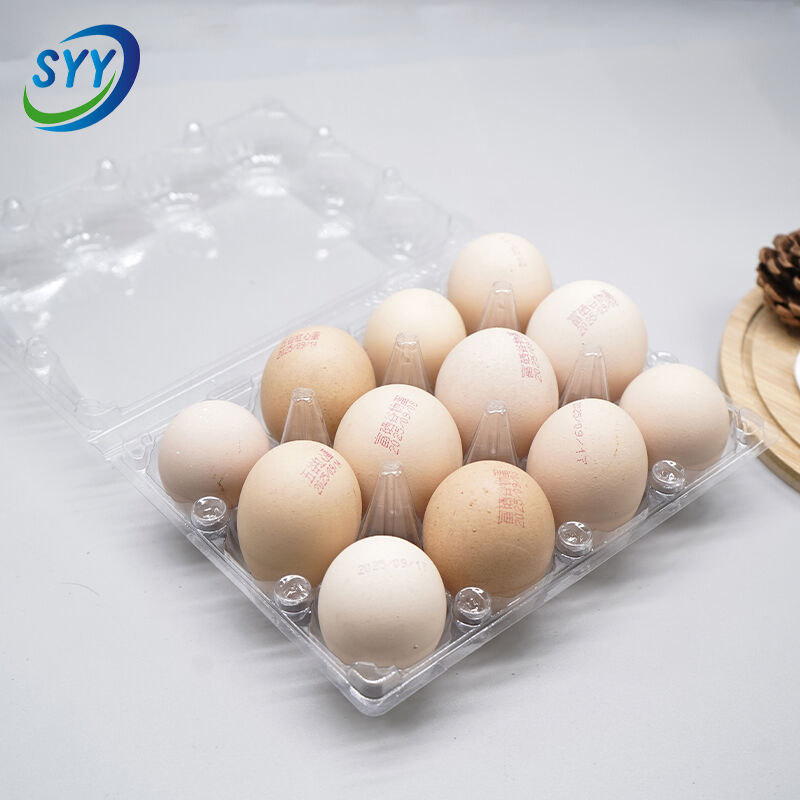
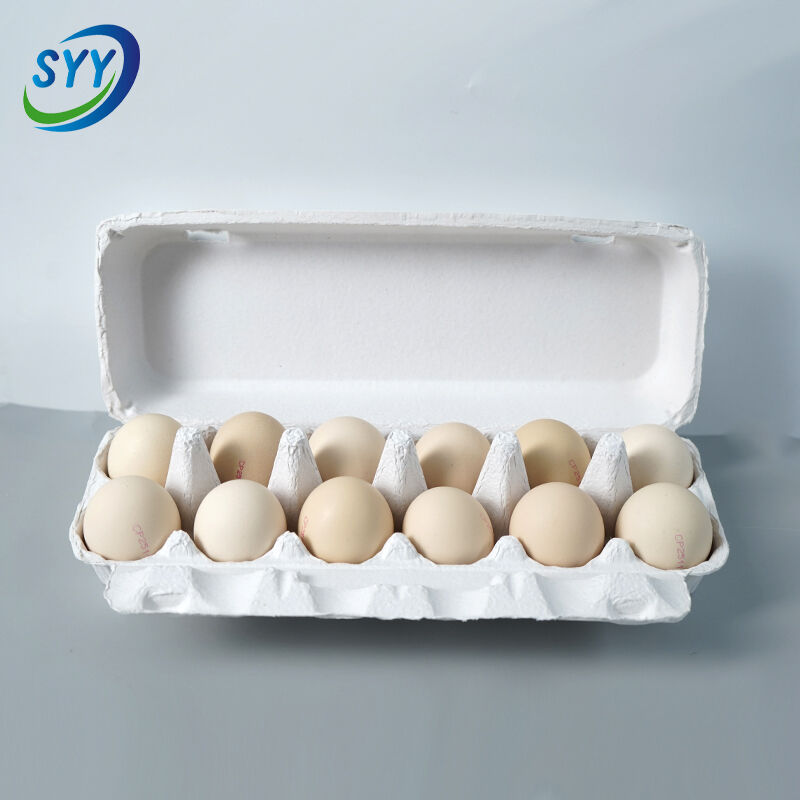
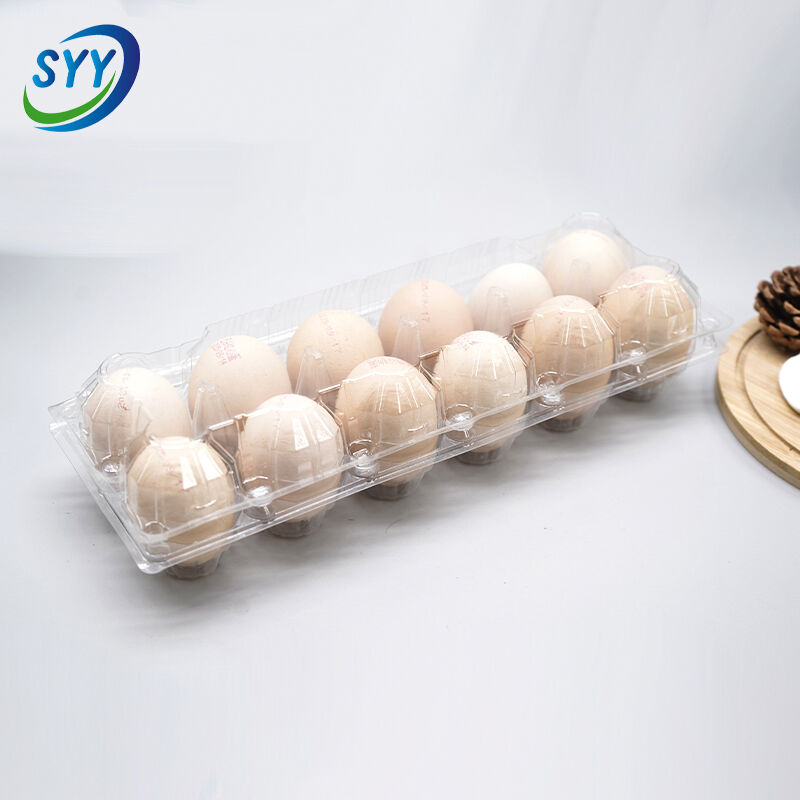
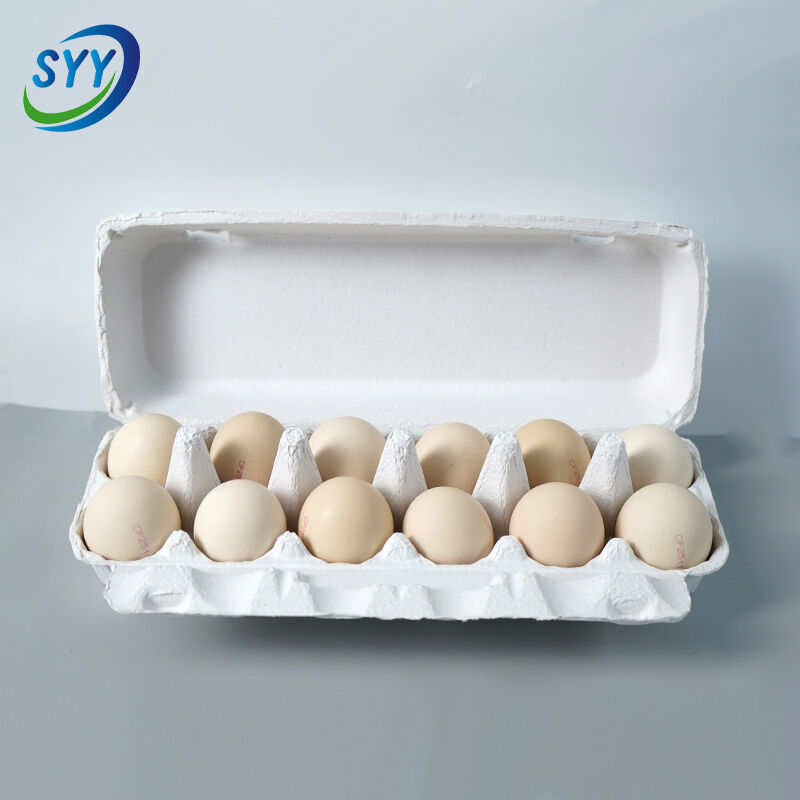
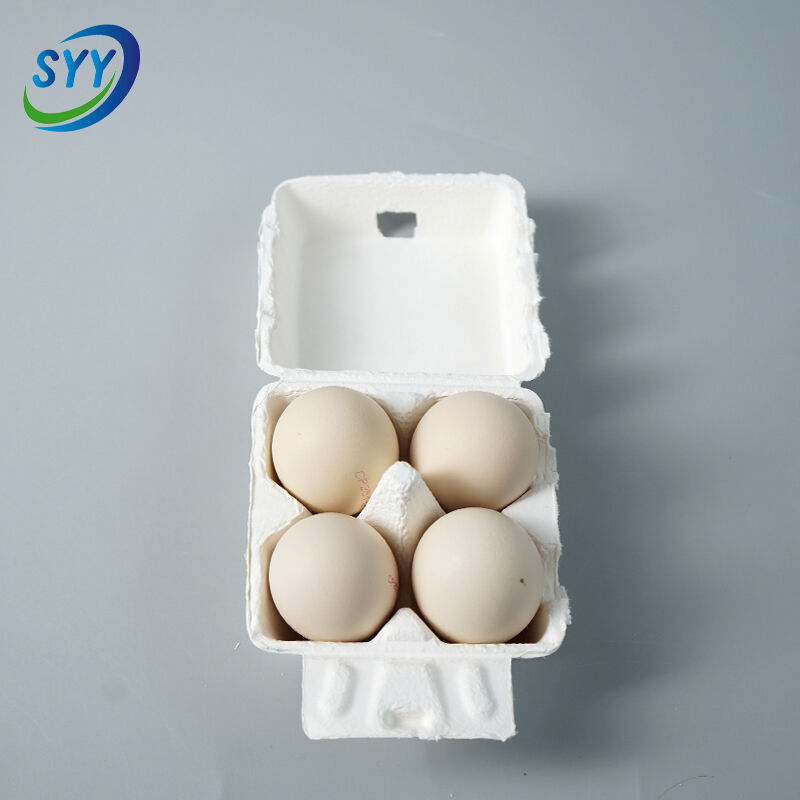
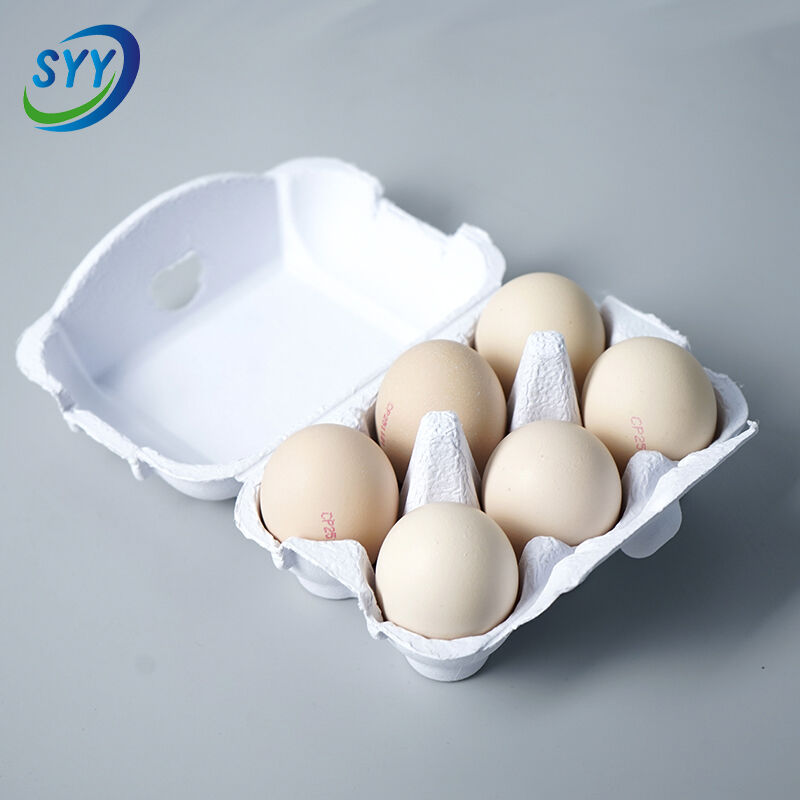
paper egg carton
The paper egg carton stands as one of the most ingenious packaging solutions in the food industry, representing decades of engineering refinement to protect one of nature's most fragile products. This molded pulp container serves as the primary protective housing for eggs during transportation, storage, and retail display. Constructed from recycled paper materials and natural fibers, the paper egg carton transforms waste newspaper, cardboard, and other paper products into a functional protective system. The manufacturing process involves creating a pulp mixture that gets molded into the distinctive cup-shaped compartments, each designed to cradle individual eggs securely. Modern paper egg carton production utilizes advanced molding techniques that ensure consistent wall thickness and optimal structural integrity. The carton's unique cellular design distributes impact forces evenly, preventing shell damage during handling and transport. Each compartment features carefully calculated dimensions that accommodate standard egg sizes while maintaining proper ventilation. The paper egg carton incorporates ventilation holes strategically positioned to allow air circulation, preventing moisture buildup that could compromise egg quality. Temperature regulation capabilities help maintain optimal storage conditions throughout the supply chain. The biodegradable nature of paper egg carton materials aligns with sustainable packaging initiatives across the food industry. Manufacturing facilities can produce these containers using renewable energy sources, further reducing environmental impact. Quality control measures ensure each paper egg carton meets food safety standards and provides consistent protection levels. The lightweight design reduces shipping costs while maintaining durability requirements. Surface treatments can enhance moisture resistance without compromising recyclability. The paper egg carton continues evolving with new fiber blends and manufacturing techniques that improve performance characteristics while maintaining cost-effectiveness and environmental benefits.
 EN
EN