Advanced Automation Technology for Maximum Efficiency
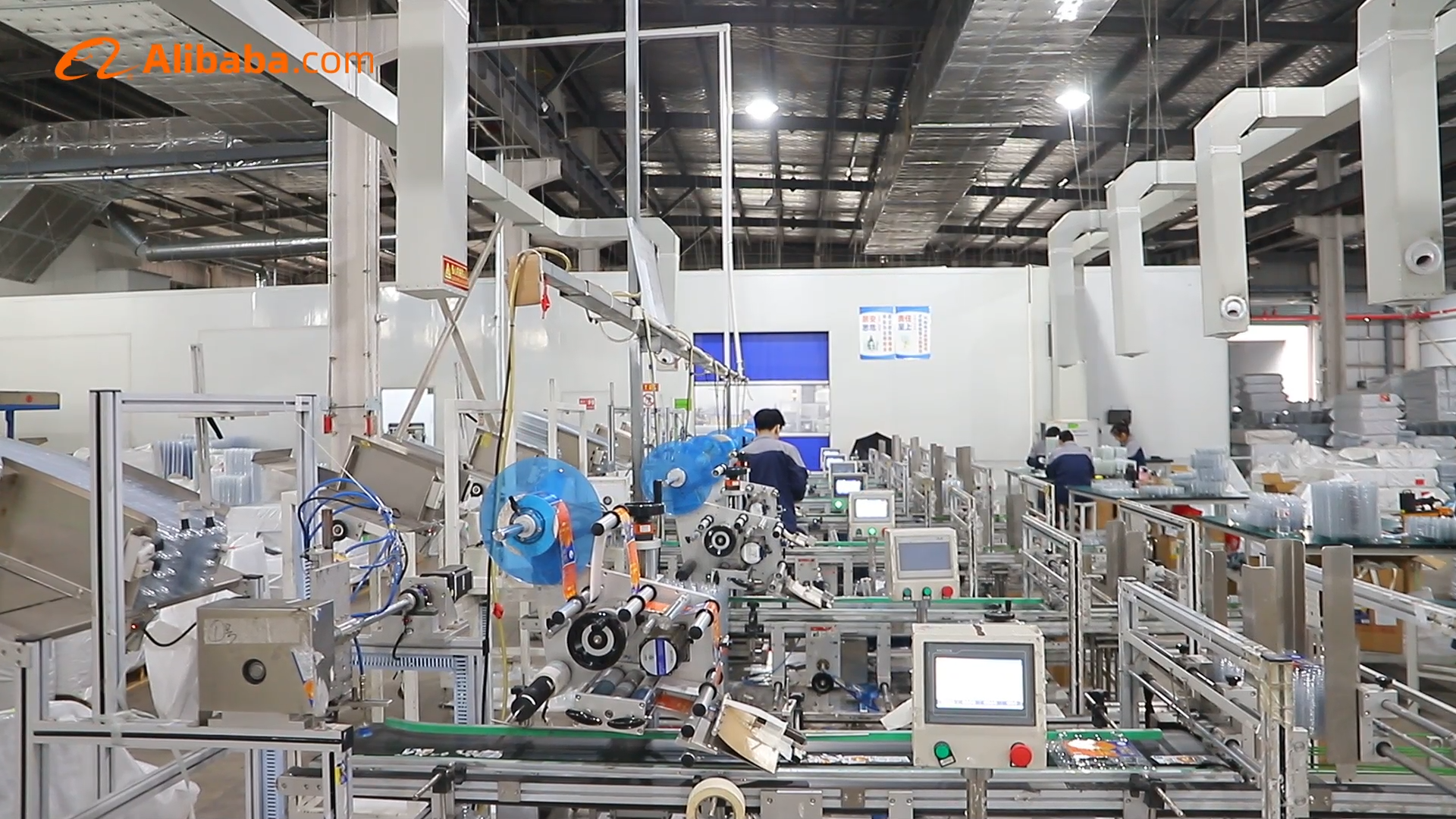
The egg tray production line incorporates cutting-edge automation technology that revolutionizes traditional manufacturing processes, delivering unprecedented efficiency and consistency in production operations. This sophisticated automation system encompasses every aspect of the manufacturing process, from raw material handling to finished product packaging, creating a seamless workflow that minimizes human intervention while maximizing output quality. The automated pulp preparation system represents a cornerstone of this technology, featuring programmable mixing ratios that ensure optimal fiber distribution and consistency throughout the production cycle. Sensors continuously monitor pulp density, temperature, and viscosity, automatically adjusting parameters to maintain ideal conditions for superior tray formation. The molding section utilizes precision-controlled vacuum systems that operate with millisecond timing accuracy, ensuring each tray receives identical forming pressure and duration for consistent wall thickness and structural integrity. Advanced programmable logic controllers coordinate all system components, synchronizing material flow, molding cycles, and drying sequences to optimize production throughput while minimizing energy consumption. The automated drying system employs intelligent temperature and humidity controls that adapt to ambient conditions, ensuring optimal moisture removal rates regardless of external weather conditions. This technology significantly reduces production time while maintaining product quality standards, allowing manufacturers to achieve higher daily output volumes with lower energy costs. The automation system includes comprehensive safety features, including emergency shutdown protocols, overload protection, and maintenance alerts that prevent equipment damage and ensure operator safety. Real-time monitoring capabilities provide operators with instant feedback on production parameters, enabling immediate adjustments to maintain optimal performance levels. The automated quality control systems inspect each tray during production, automatically rejecting defective products and maintaining consistent quality standards without manual intervention. This advanced automation technology reduces labor requirements by up to 60 percent compared to semi-automatic systems, while simultaneously improving product consistency and reducing waste rates. The user-friendly interface allows operators to easily monitor and control all production parameters from a centralized control panel, simplifying operations and reducing training requirements for new personnel.
 EN
EN