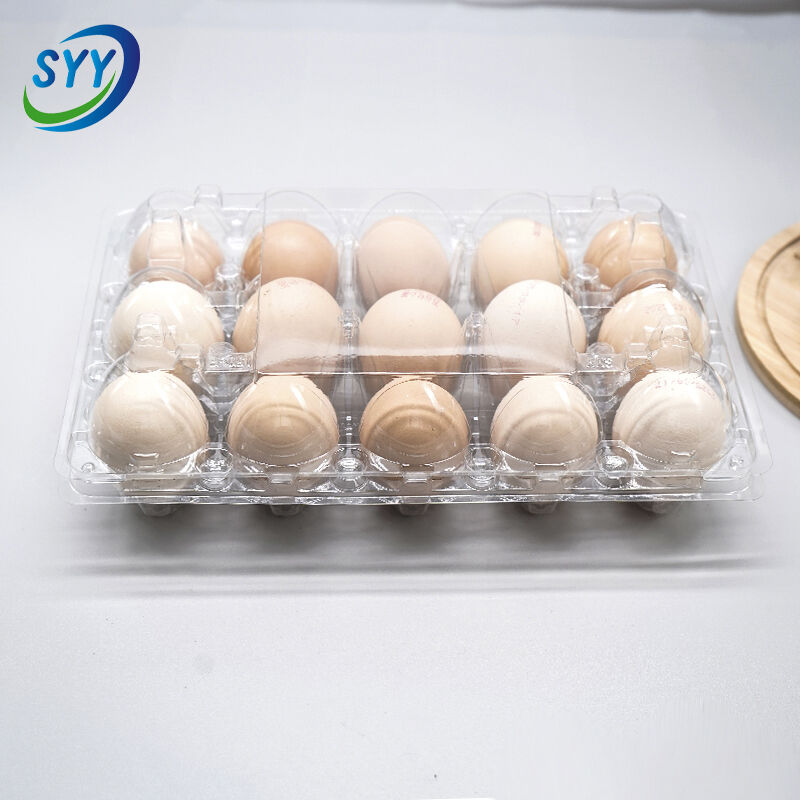
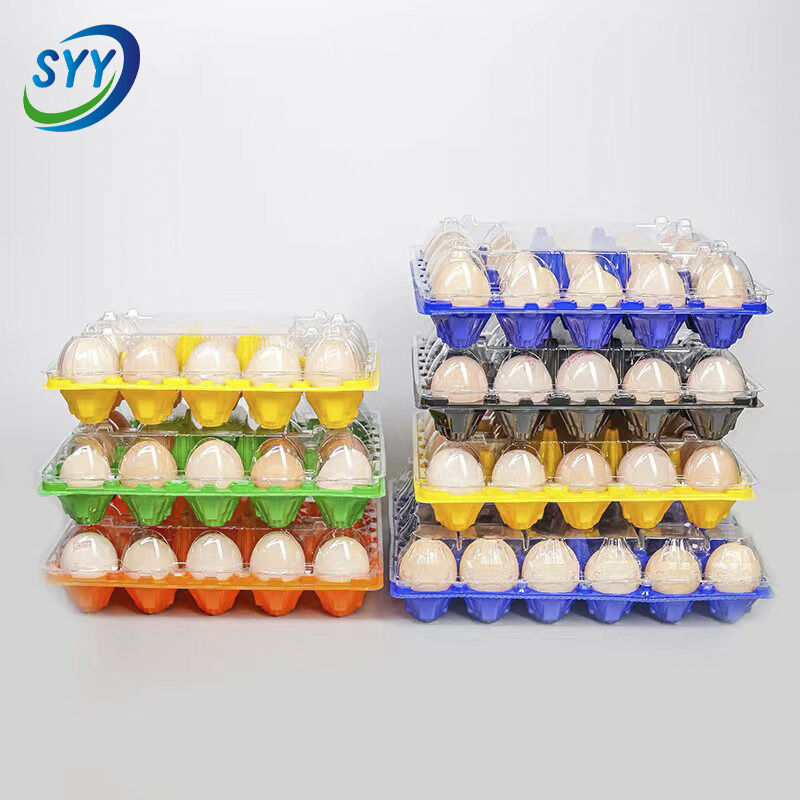
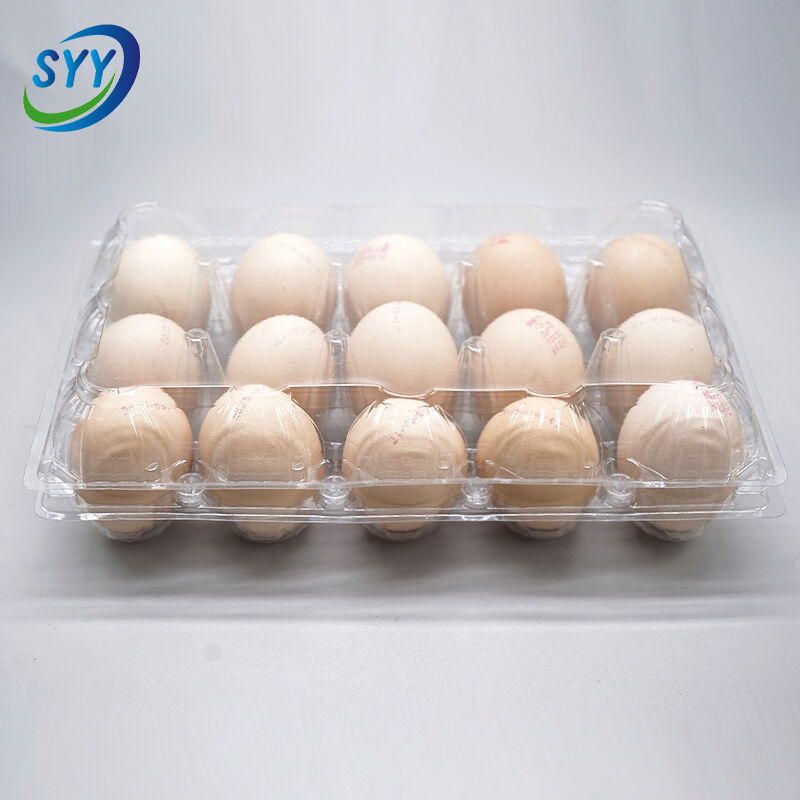
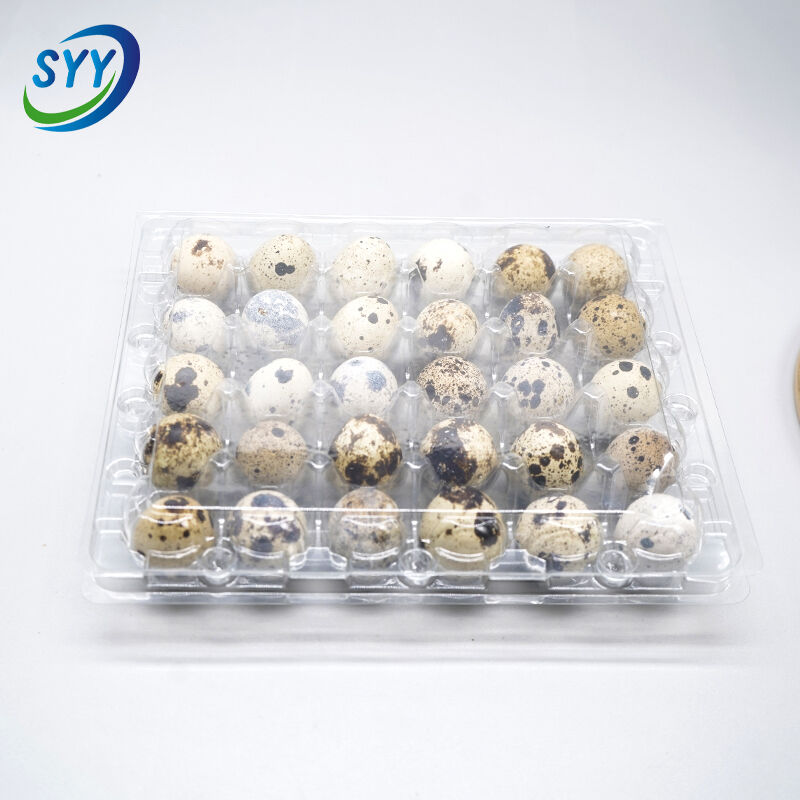
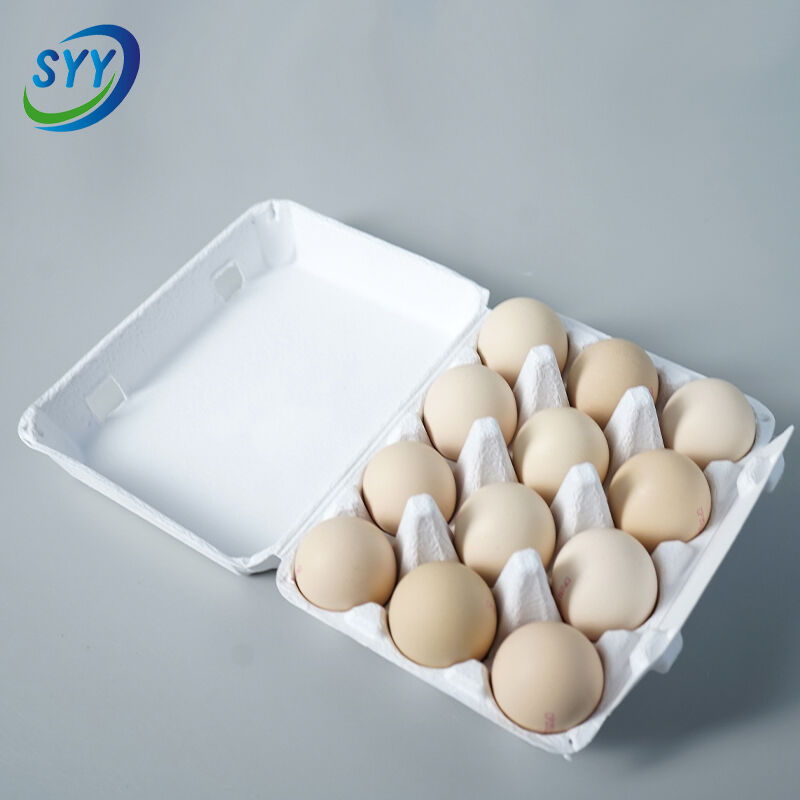
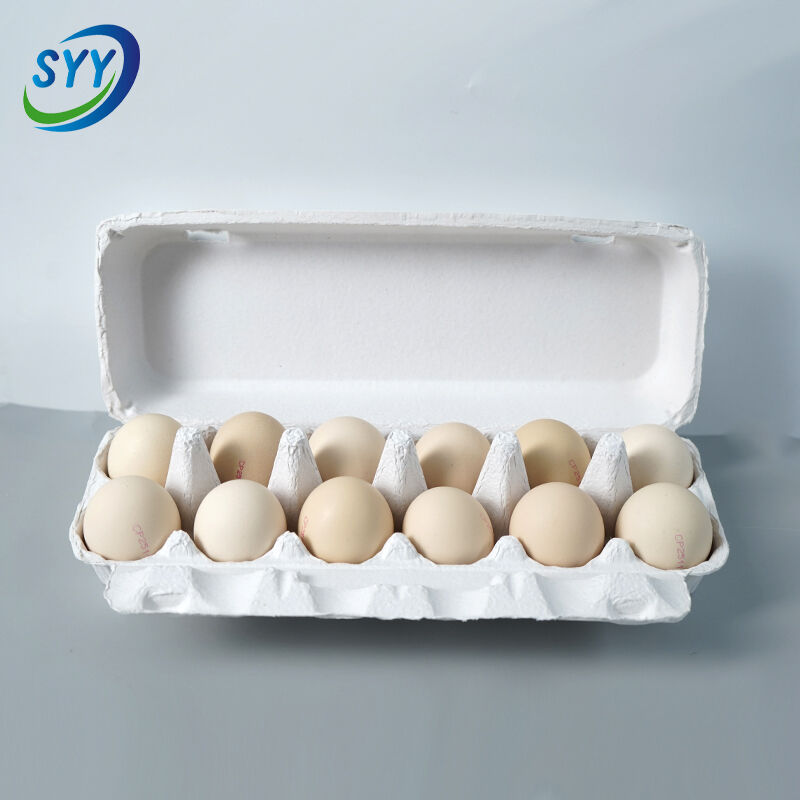
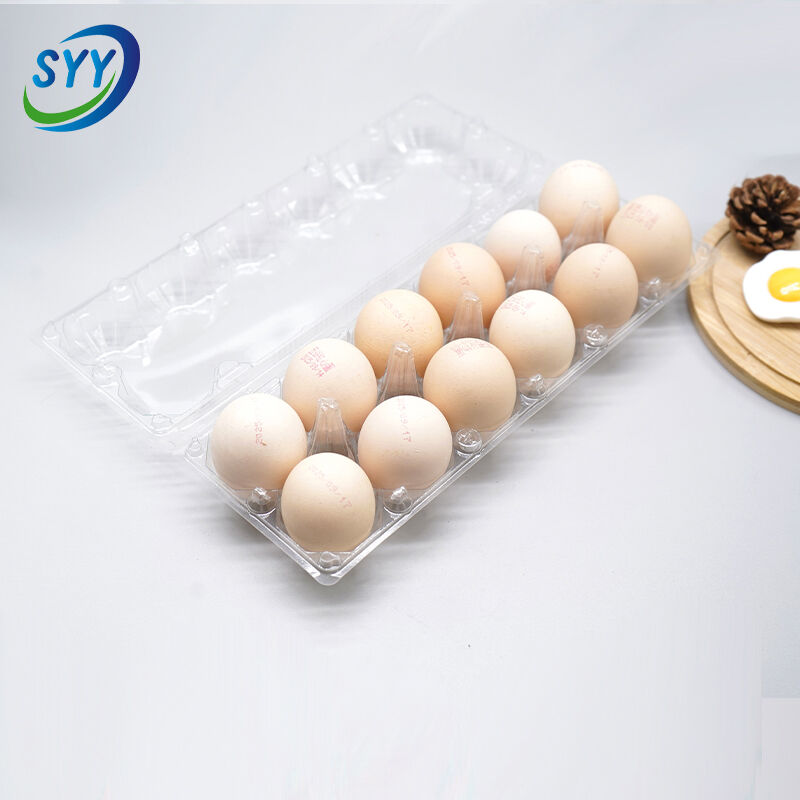
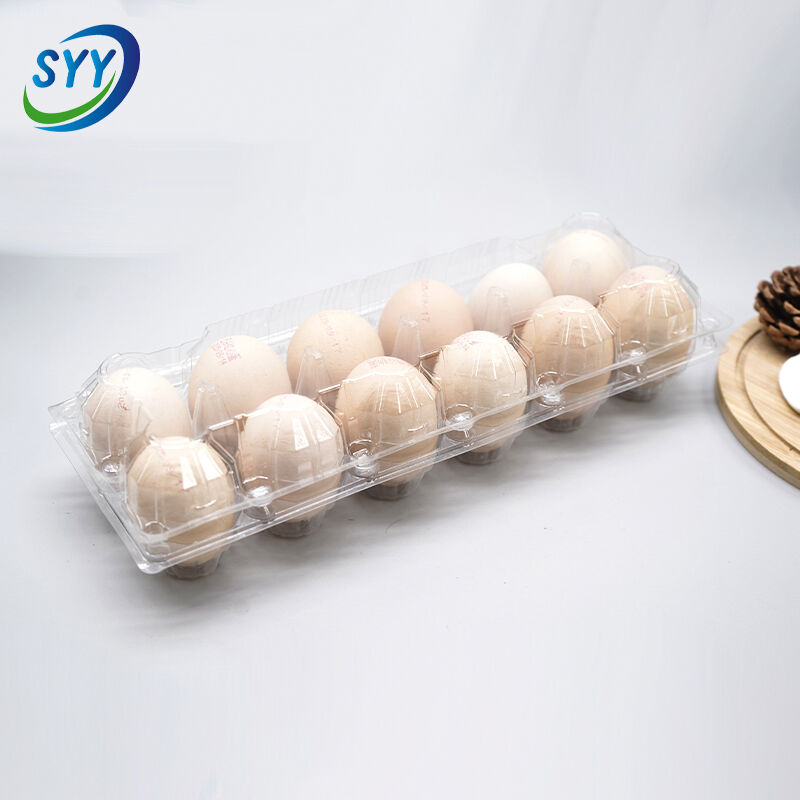
Complete Egg Tray Production Line - Automated Manufacturing Solutions for Sustainable Packaging

Get a Free Quote

We usually reply within 12 hours.
Email
Country/Region
Product Type
Please select your products type
Estimated Order Quantity
Hole Count
Please select your hole count
Packing System
Please select your packing system
Target Delivery Time
Color
Please select your color
Attachment
Please upload at least an attachment
Up to 3 files, each no larger than 30MB. Supported formats: jpg, jpeg, png, pdf, doc, docx, xls, xlsx, csv, txt, stp, step, igs, x_t, dxf, prt, sldprt, sat, rar, zip.
Message
0/1000

egg tray production line

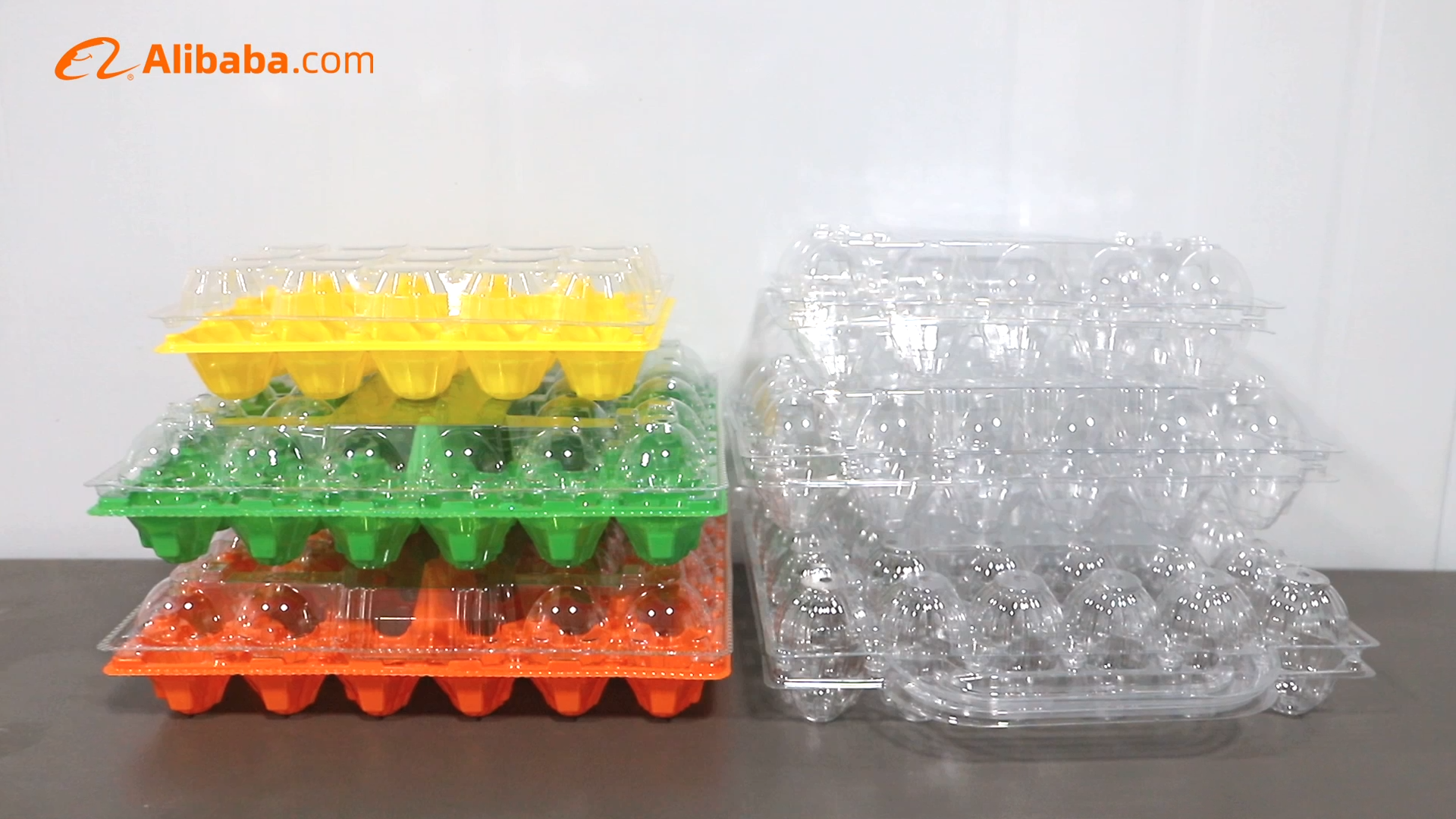
The egg tray production line represents a sophisticated manufacturing system designed to create environmentally friendly packaging solutions for the poultry industry. This comprehensive production system transforms waste paper materials into durable, protective egg trays through an automated molding process. The egg tray production line incorporates multiple interconnected components that work seamlessly together to ensure consistent, high-quality output while maintaining operational efficiency. At its core, the production line utilizes pulp molding technology, which begins with the preparation of recycled paper pulp mixed with water to create a homogeneous slurry. This mixture is then fed into precision-engineered molding machines that shape the pulp into specific egg tray configurations. The main functions of an egg tray production line encompass pulp preparation, molding, drying, and packaging processes. During pulp preparation, waste paper undergoes thorough cleaning and breaking down into fine fibers, creating the raw material foundation. The molding stage involves vacuum-forming technology where the prepared pulp is drawn into aluminum molds, creating the characteristic cup-shaped compartments that securely hold individual eggs. Following molding, the formed trays enter a controlled drying system that removes excess moisture while maintaining structural integrity. The technological features of modern egg tray production lines include automated feeding systems, programmable logic controllers for precise operation timing, and energy-efficient drying mechanisms. These systems can accommodate various tray sizes and configurations, from standard 30-egg trays to specialized packaging for different egg types. The production line's versatility extends to processing different paper grades, allowing manufacturers to optimize raw material costs while maintaining product quality standards. Applications for egg tray production lines span across commercial egg producers, packaging manufacturers, and recycling facilities seeking sustainable packaging alternatives. The equipment serves both small-scale operations requiring 1000-2000 pieces per hour and large industrial facilities demanding production capacities exceeding 6000 pieces hourly.

New Product Recommendations

The egg tray production line offers numerous compelling advantages that make it an attractive investment for businesses seeking sustainable packaging solutions. First and foremost, the production line provides exceptional environmental benefits by converting waste paper into useful packaging products, effectively reducing landfill waste while creating valuable commodities. This eco-friendly approach aligns with growing consumer demands for sustainable business practices and helps companies meet environmental compliance requirements. The cost-effectiveness of operating an egg tray production line stands out as a primary advantage, particularly regarding raw material expenses. Since the system utilizes readily available waste paper as its primary input, manufacturers can significantly reduce material costs compared to purchasing pre-made packaging solutions. Additionally, the production line generates substantial profit margins, as finished egg trays command premium prices in the market due to their protective qualities and environmental appeal. Operational efficiency represents another major advantage, as modern egg tray production lines feature automated systems that minimize manual labor requirements while maximizing output consistency. The automated pulp preparation, molding, and drying processes ensure uniform product quality with minimal human intervention, reducing labor costs and eliminating quality variations associated with manual production methods. The production line's flexibility allows manufacturers to adapt quickly to market demands by adjusting tray sizes, configurations, and production volumes without significant equipment modifications. This adaptability proves crucial in responding to seasonal demand fluctuations or customer-specific requirements. Energy efficiency improvements in contemporary egg tray production lines translate to reduced operational costs and improved profitability. Advanced drying systems incorporate heat recovery mechanisms that capture and reuse thermal energy, significantly lowering fuel consumption compared to traditional drying methods. The durability and reliability of modern egg tray production equipment ensure consistent performance over extended periods, minimizing maintenance costs and production downtime. Quality control features integrated into the production line help maintain consistent product standards, reducing waste and customer complaints. The scalability of egg tray production lines enables businesses to start with smaller capacity systems and expand operations as demand grows, providing a practical growth pathway without requiring complete equipment replacement. Market demand for egg trays continues growing steadily, driven by increasing egg consumption and heightened environmental consciousness among consumers and businesses alike.

Latest News

Why Do Eggs Break During Shipping? Causes and Best Egg Packaging Solutions Explained

08

May

Why Do Eggs Break During Shipping? Causes and Best Egg Packaging Solutions Explained

Every year, millions of eggs are lost to breakage during transit — a costly problem that affects egg producers, distributors, and retailers alike. The fragility of eggs is not a new challenge, but as supply chains grow more complex and shipping...
View More
What to Look for in Egg Packaging Manufacturers: Quality, Cost, and Customization Guide

12

May

What to Look for in Egg Packaging Manufacturers: Quality, Cost, and Customization Guide

Choosing the right egg packaging manufacturer is one of the most consequential decisions a poultry producer, retailer, or food distribution business can make. The packaging that holds your eggs does far more than contain a product — it communicates b...
View More
How to Choose the Right Egg Tray Supplier: Key Factors for Reliable Egg Packaging Manufacturers

11

May

How to Choose the Right Egg Tray Supplier: Key Factors for Reliable Egg Packaging Manufacturers

Finding the right egg tray supplier is one of the most consequential procurement decisions a poultry farm, food distributor, or retail chain can make. The quality of your egg packaging directly impacts product integrity during transit, shelf presenta...
View More
Best Egg Packaging Solutions for Supermarkets: Clear PET Egg Cartons for Retail Display

13

May

Best Egg Packaging Solutions for Supermarkets: Clear PET Egg Cartons for Retail Display

In the competitive world of retail grocery, the way eggs are packaged and displayed can significantly influence purchasing decisions. Supermarkets today face mounting pressure to balance product visibility, structural protection, and shelf appeal — a...
View More

Get a Free Quote

We usually reply within 12 hours.
Email
Country/Region
Product Type
Please select your products type
Estimated Order Quantity
Hole Count
Please select your hole count
Packing System
Please select your packing system
Target Delivery Time
Color
Please select your color
Attachment
Please upload at least an attachment
Up to 3 files,more 30mb,suppor jpg、jpeg、png、pdf、doc、docx、xls、xlsx、csv、txt、stp、step、igs、x_t、dxf、prt、sldprt、sat、rar、zip
Message
0/1000

egg tray production line

Advanced Automation Technology for Maximum Efficiency

Advanced Automation Technology for Maximum Efficiency

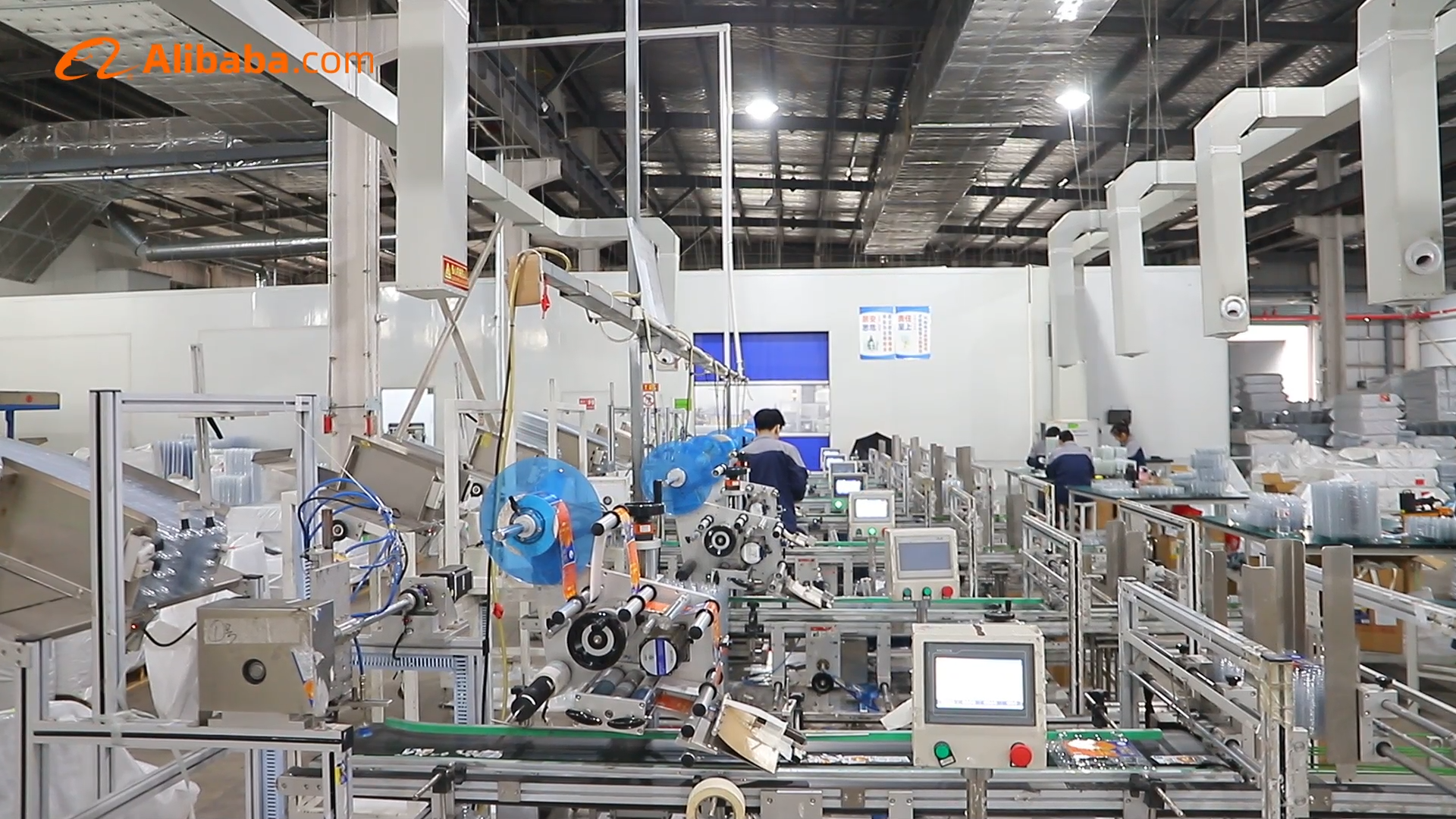
The egg tray production line incorporates cutting-edge automation technology that revolutionizes traditional manufacturing processes, delivering unprecedented efficiency and consistency in production operations. This sophisticated automation system encompasses every aspect of the manufacturing process, from raw material handling to finished product packaging, creating a seamless workflow that minimizes human intervention while maximizing output quality. The automated pulp preparation system represents a cornerstone of this technology, featuring programmable mixing ratios that ensure optimal fiber distribution and consistency throughout the production cycle. Sensors continuously monitor pulp density, temperature, and viscosity, automatically adjusting parameters to maintain ideal conditions for superior tray formation. The molding section utilizes precision-controlled vacuum systems that operate with millisecond timing accuracy, ensuring each tray receives identical forming pressure and duration for consistent wall thickness and structural integrity. Advanced programmable logic controllers coordinate all system components, synchronizing material flow, molding cycles, and drying sequences to optimize production throughput while minimizing energy consumption. The automated drying system employs intelligent temperature and humidity controls that adapt to ambient conditions, ensuring optimal moisture removal rates regardless of external weather conditions. This technology significantly reduces production time while maintaining product quality standards, allowing manufacturers to achieve higher daily output volumes with lower energy costs. The automation system includes comprehensive safety features, including emergency shutdown protocols, overload protection, and maintenance alerts that prevent equipment damage and ensure operator safety. Real-time monitoring capabilities provide operators with instant feedback on production parameters, enabling immediate adjustments to maintain optimal performance levels. The automated quality control systems inspect each tray during production, automatically rejecting defective products and maintaining consistent quality standards without manual intervention. This advanced automation technology reduces labor requirements by up to 60 percent compared to semi-automatic systems, while simultaneously improving product consistency and reducing waste rates. The user-friendly interface allows operators to easily monitor and control all production parameters from a centralized control panel, simplifying operations and reducing training requirements for new personnel.
Environmentally Sustainable Manufacturing Process

Environmentally Sustainable Manufacturing Process

The egg tray production line champions environmental sustainability through its innovative approach to waste utilization and resource conservation, making it an ideal solution for businesses committed to reducing their ecological footprint. This production system transforms abundant waste paper materials into valuable packaging products, effectively closing the loop in the paper recycling cycle while creating economic value from materials that would otherwise burden landfill facilities. The environmental benefits extend far beyond simple waste reduction, as the production process requires significantly less energy and water compared to manufacturing virgin paper products or plastic alternatives. The pulp preparation stage efficiently processes various types of waste paper, including newspapers, magazines, office paper, and cardboard, demonstrating remarkable versatility in raw material utilization. This flexibility allows manufacturers to source materials locally, reducing transportation costs and associated carbon emissions while supporting community recycling initiatives. The water usage in the egg tray production line operates on a closed-loop system, where process water is continuously recycled and reused, minimizing fresh water consumption and eliminating wastewater discharge. Advanced filtration systems remove contaminants from process water, maintaining water quality standards while reducing overall environmental impact. The production process generates zero toxic emissions, unlike plastic manufacturing processes that release harmful chemicals into the atmosphere. The finished egg trays themselves contribute to environmental sustainability by being completely biodegradable and compostable, breaking down naturally within 45-60 days under normal composting conditions. This characteristic eliminates long-term environmental concerns associated with plastic packaging waste that persists in ecosystems for decades. The energy efficiency of modern egg tray production lines incorporates heat recovery systems that capture waste heat from drying operations and redirect it to other process stages, reducing overall energy consumption by up to 40 percent. Solar energy integration options allow facilities to further reduce their carbon footprint by utilizing renewable energy sources for production operations. The sustainable nature of this manufacturing process appeals to environmentally conscious consumers and helps businesses meet corporate sustainability goals while potentially qualifying for environmental incentives and certifications.
Exceptional Return on Investment and Market Profitability

Exceptional Return on Investment and Market Profitability

The egg tray production line delivers outstanding return on investment through multiple revenue streams and cost-saving mechanisms that create substantial profitability for manufacturers across various market segments. The financial attractiveness of this business opportunity stems from the combination of low raw material costs, high market demand, and premium product pricing that generates impressive profit margins throughout the production cycle. Raw material costs represent one of the most compelling financial advantages, as waste paper typically costs 70-80 percent less than virgin materials while producing equivalent or superior quality egg trays. This dramatic cost reduction in primary inputs directly translates to enhanced profitability, allowing manufacturers to offer competitive pricing while maintaining healthy margins. The steady and growing market demand for egg trays ensures reliable revenue streams, as the global egg consumption continues increasing annually, driving corresponding demand for protective packaging solutions. Market research indicates that egg tray demand grows at approximately 4-6 percent annually, providing predictable business expansion opportunities for manufacturers. The production line's ability to operate continuously with minimal downtime maximizes revenue generation potential, with modern systems achieving operational efficiency rates exceeding 95 percent during normal production cycles. Energy cost optimization through advanced drying systems and heat recovery mechanisms reduces operational expenses by 30-40 percent compared to conventional drying methods, directly improving bottom-line profitability. The versatility of the egg tray production line enables manufacturers to diversify product offerings, creating additional revenue streams through custom tray designs, fruit packaging trays, and other molded pulp products using the same equipment. Export opportunities expand market reach significantly, as developing countries increasingly demand sustainable packaging solutions, creating lucrative international sales channels for manufacturers. The relatively short payback period, typically ranging from 12-18 months depending on production capacity and market conditions, makes this investment particularly attractive for businesses seeking rapid return realization. Labor cost advantages result from the automated nature of modern production lines, requiring minimal staffing while maintaining high output levels, contributing to improved profit margins through reduced operational overhead. Quality consistency achieved through automated production processes reduces customer complaints and returns, protecting revenue streams and maintaining customer relationships that drive repeat business and referrals.

Get a Free Quote

We usually reply within 12 hours.
Email
Country/Region
Product Type
Please select your products type
Estimated Order Quantity
Hole Count
Please select your hole count
Packing System
Please select your packing system
Target Delivery Time
Color
Please select your color
Attachment
Please upload at least an attachment
Up to 3 files, each no larger than 30MB. Supported formats: jpg, jpeg, png, pdf, doc, docx, xls, xlsx, csv, txt, stp, step, igs, x_t, dxf, prt, sldprt, sat, rar, zip.
Message
0/1000