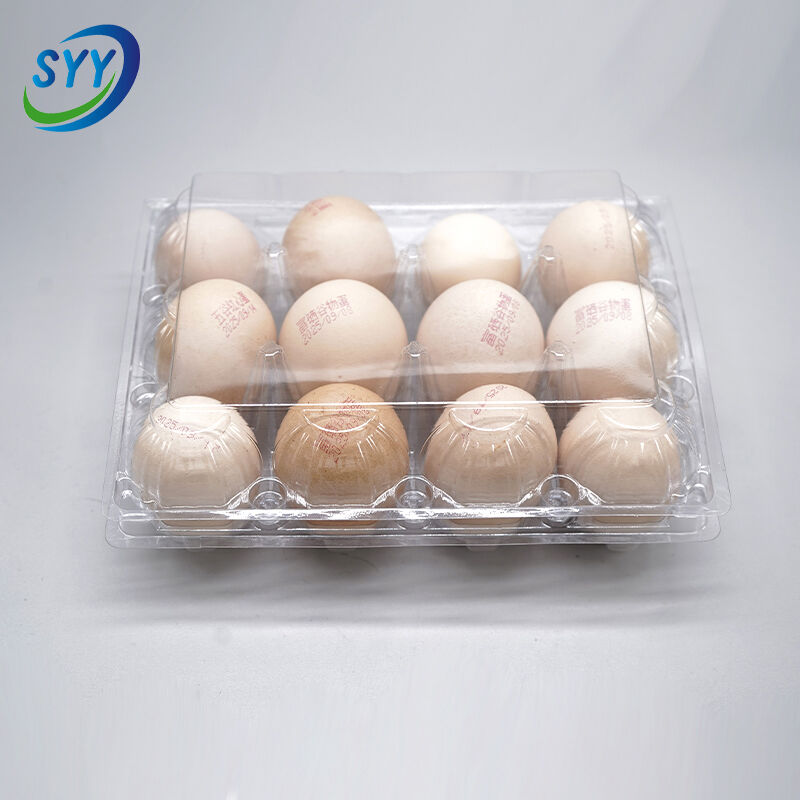
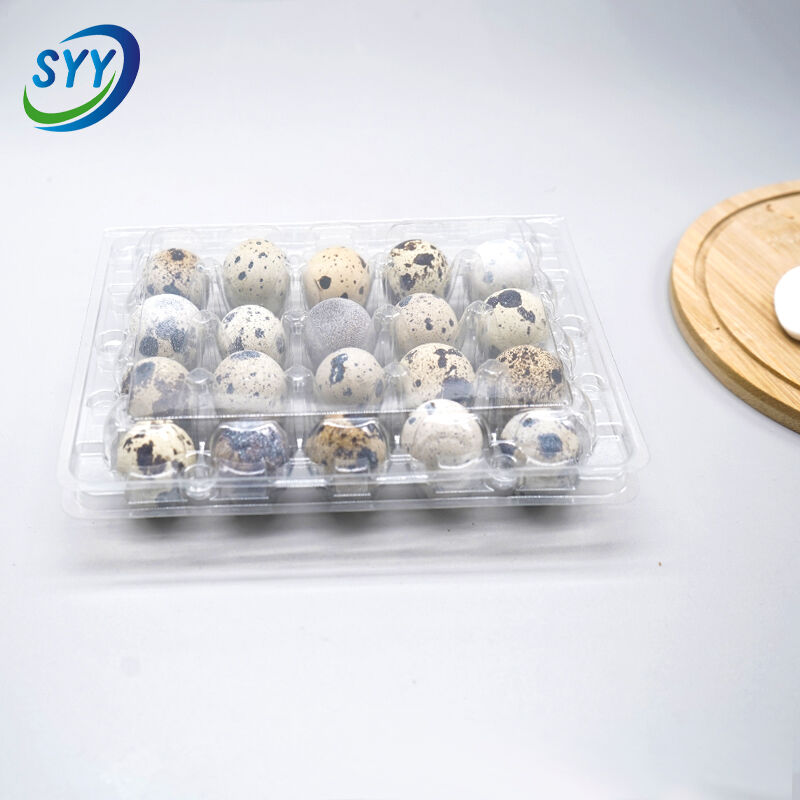
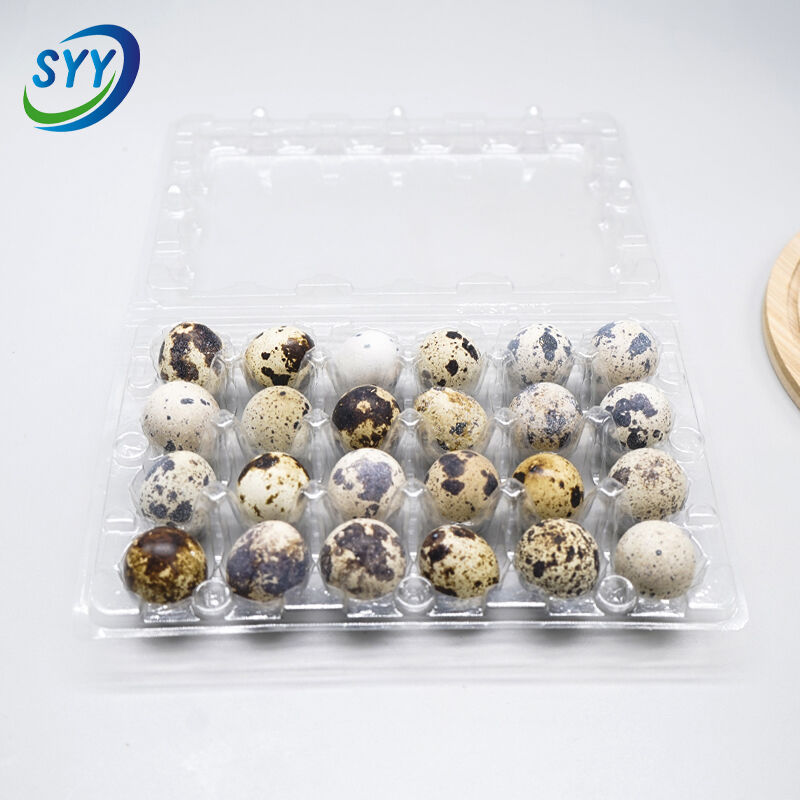
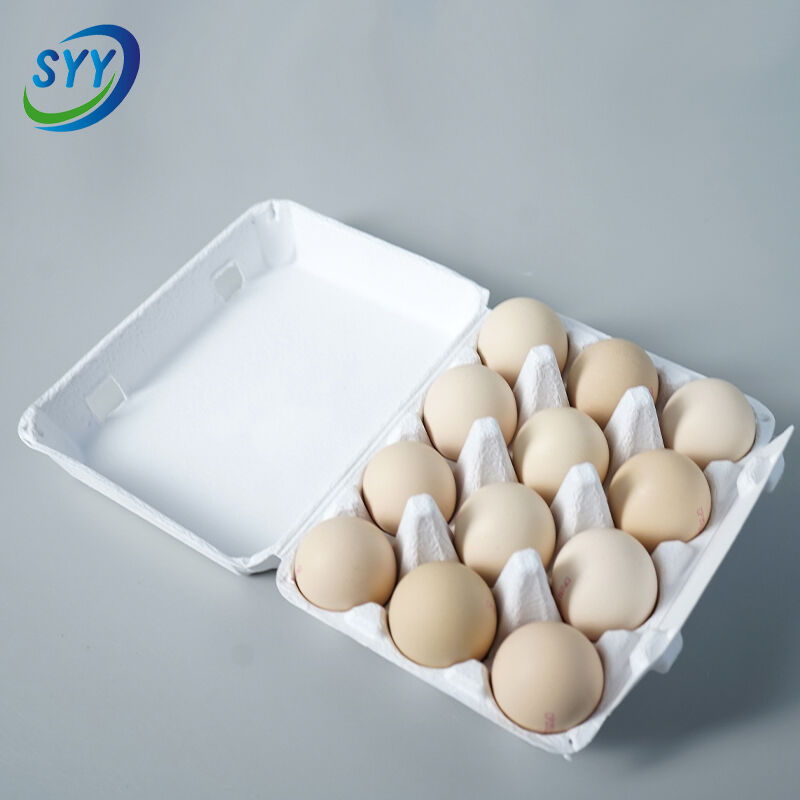
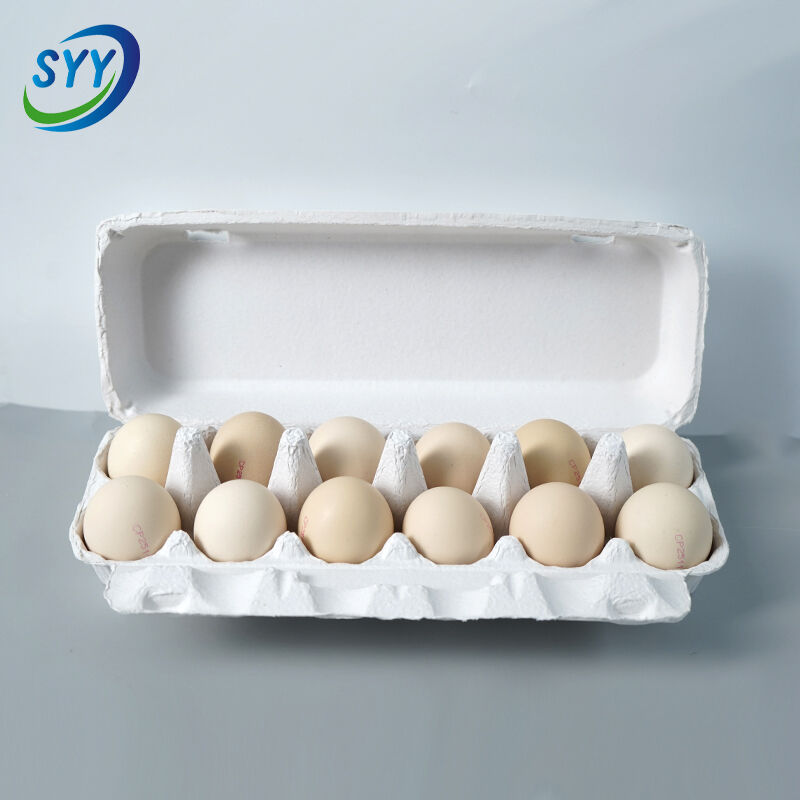
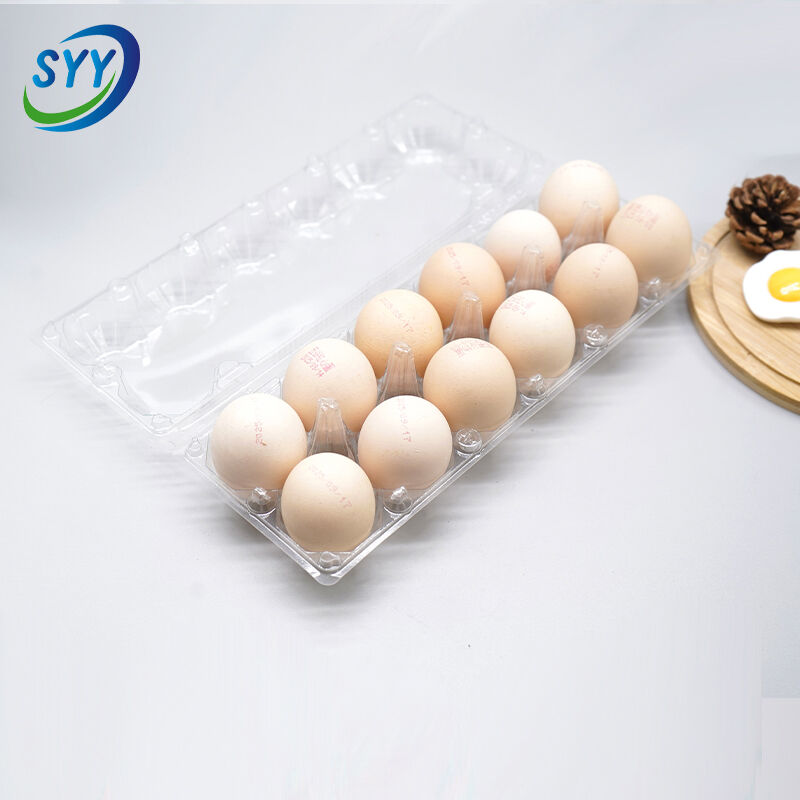
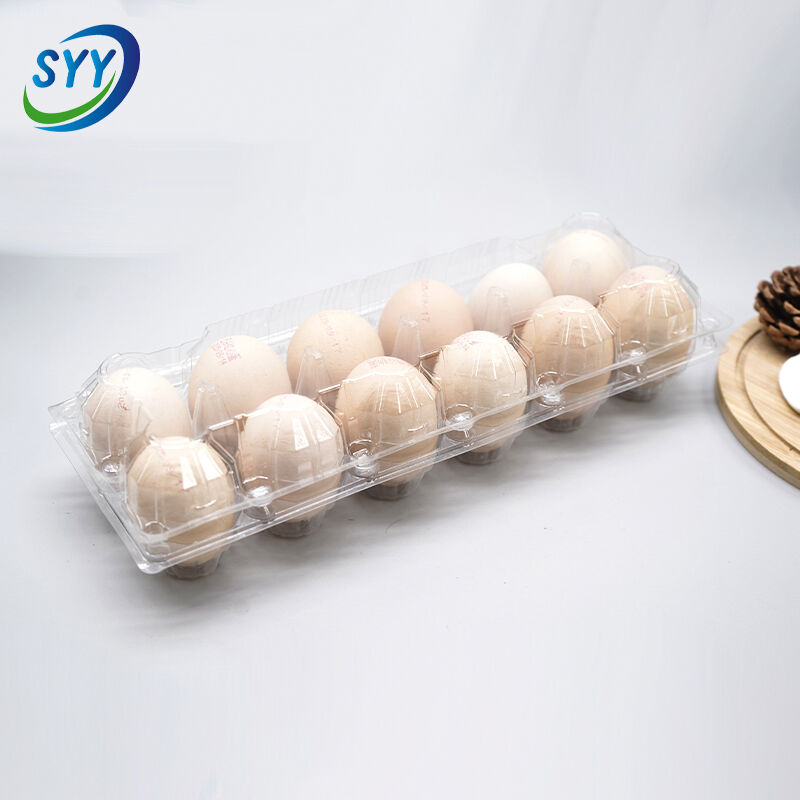
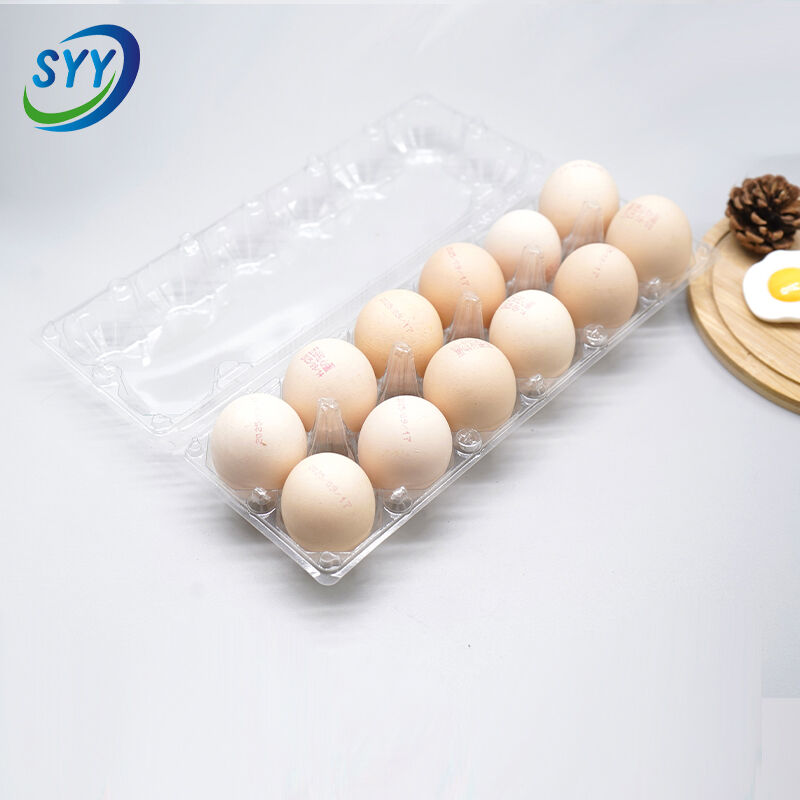
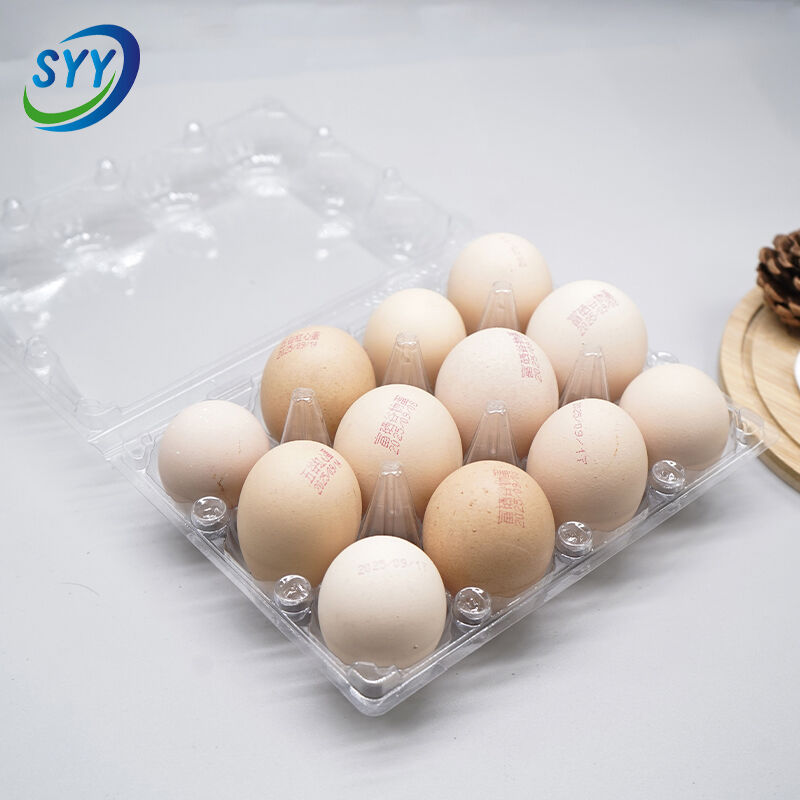
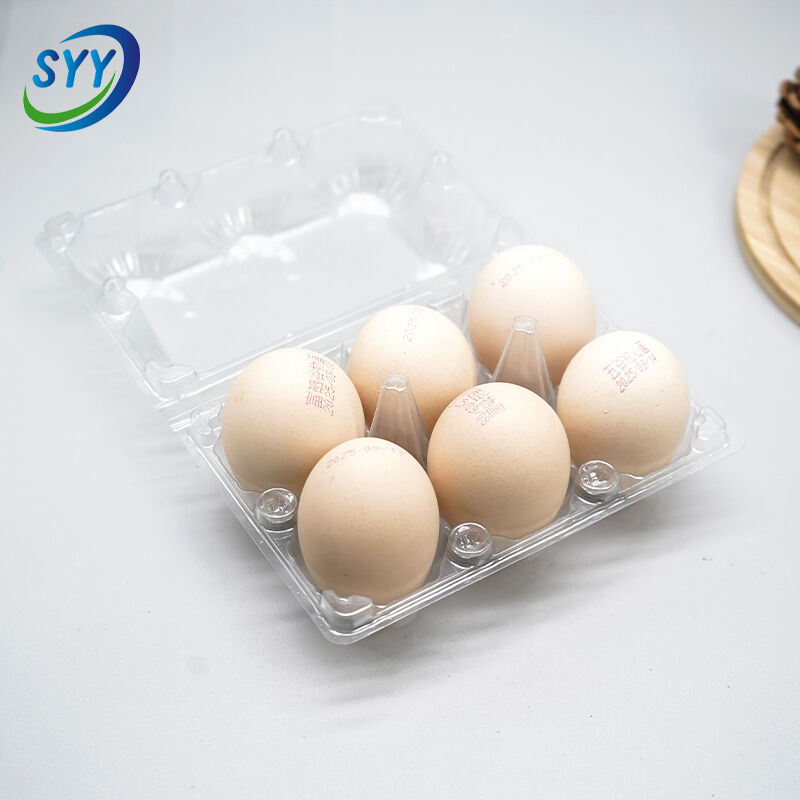
egg tray divider
The egg tray divider represents a revolutionary advancement in egg packaging and transportation technology, designed to provide superior protection and organization for delicate egg products throughout the supply chain. This innovative packaging solution combines precision engineering with practical functionality to address the critical challenges faced by egg producers, distributors, and retailers worldwide. The egg tray divider system incorporates advanced materials science and ergonomic design principles to create a comprehensive protective barrier that significantly reduces breakage rates while maximizing storage efficiency. Modern egg tray divider configurations utilize high-grade molded pulp, recycled cardboard, or specialized plastic materials that offer exceptional shock absorption properties and dimensional stability under varying environmental conditions. The technological framework behind each egg tray divider includes carefully calculated spacing measurements, optimized cavity depths, and strategically positioned support structures that work together to cradle each egg individually while preventing lateral movement during handling and transportation. These dividers integrate seamlessly with standard packaging systems, accommodating various egg sizes from small to extra-large classifications while maintaining consistent protection standards. The manufacturing process employs precision molding techniques that ensure uniform wall thickness and consistent structural integrity across every egg tray divider unit. Applications span across commercial egg production facilities, wholesale distribution centers, retail grocery chains, restaurant supply networks, and specialty food service operations. The versatile design allows the egg tray divider to function effectively in automated packaging lines, manual handling environments, and mixed-mode operations where both mechanical and human interaction occurs. Quality control measures embedded within the egg tray divider production process guarantee compliance with food safety regulations and industry standards, ensuring that each unit meets stringent hygiene requirements while delivering reliable performance throughout its operational lifecycle.
 EN
EN