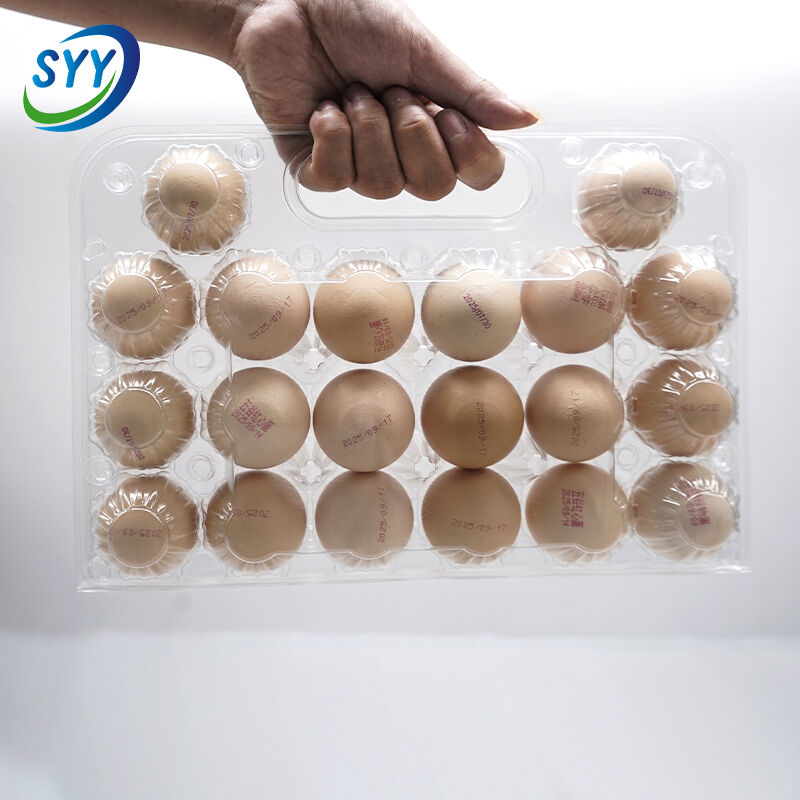
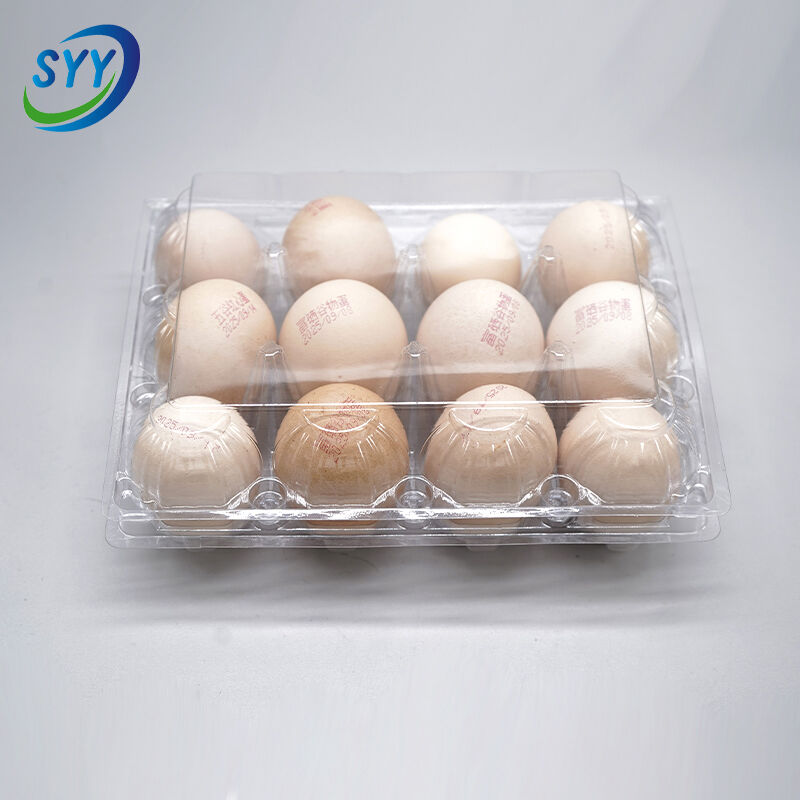
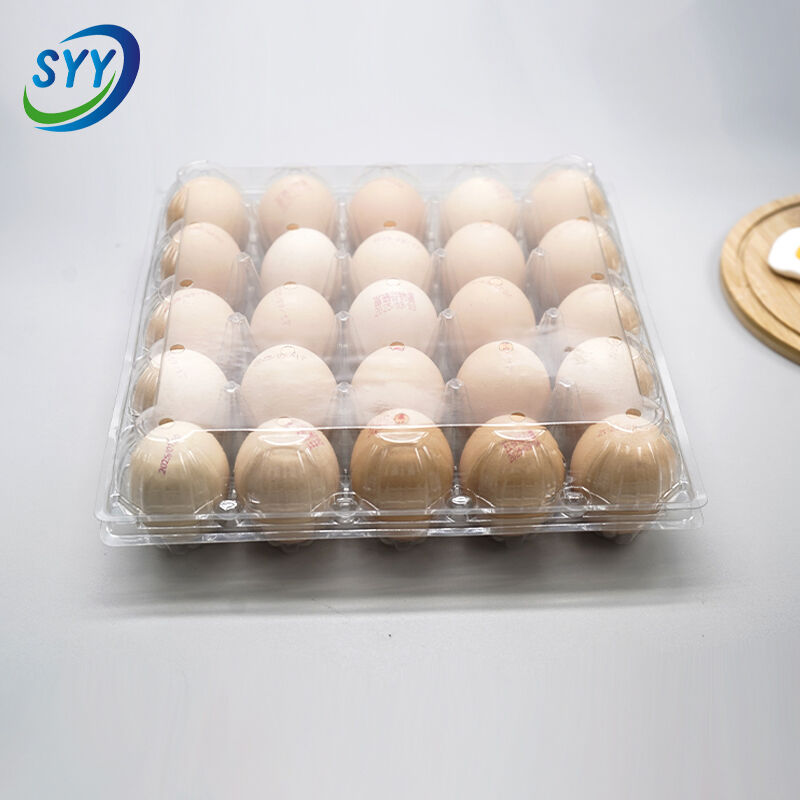
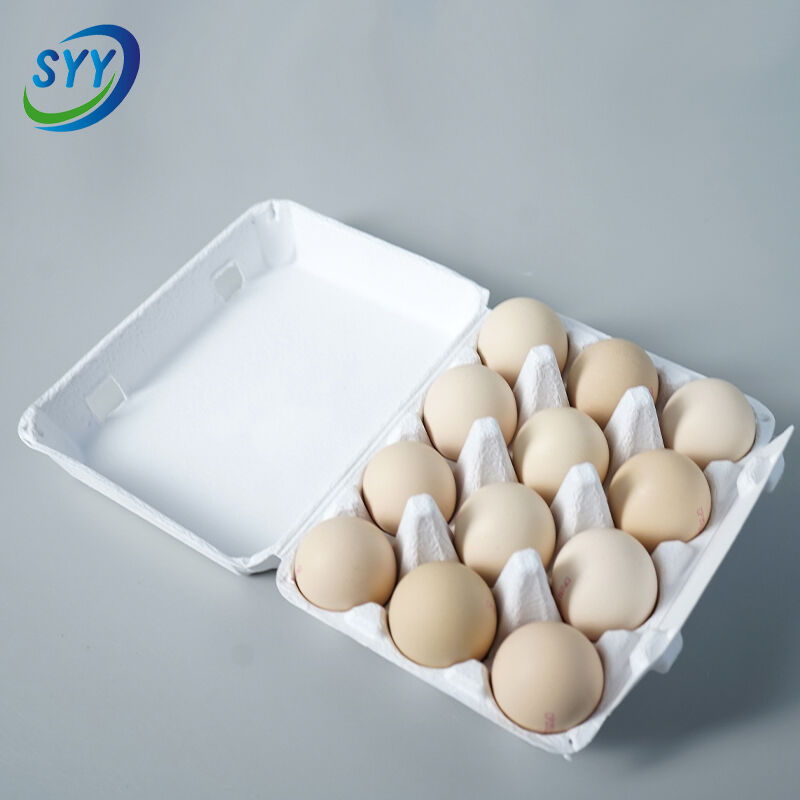
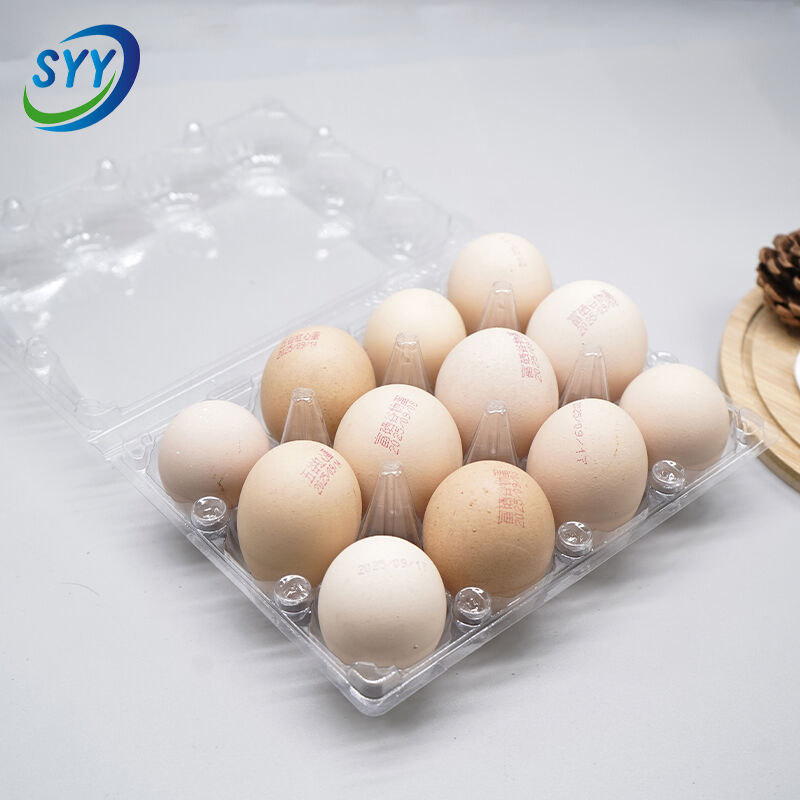
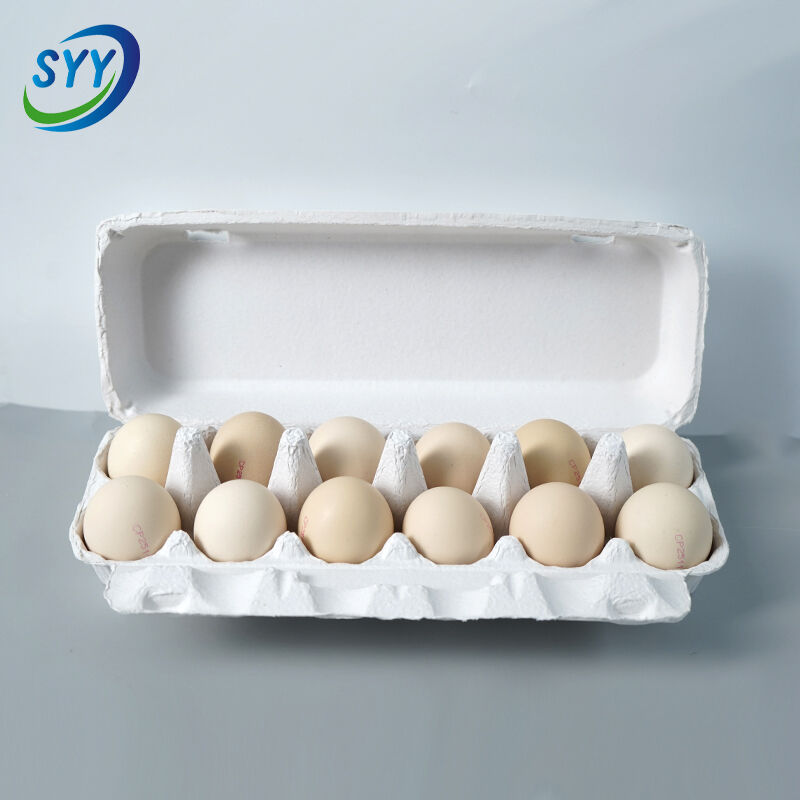
Advanced Automatic Egg Tray Packing Systems - Precision Technology for Modern Poultry Operations

Get a Free Quote

We usually reply within 12 hours.
Email
Country/Region
Product Type
Please select your products type
Estimated Order Quantity
Hole Count
Please select your hole count
Packing System
Please select your packing system
Target Delivery Time
Color
Please select your color
Attachment
Please upload at least an attachment
Up to 3 files, each no larger than 30MB. Supported formats: jpg, jpeg, png, pdf, doc, docx, xls, xlsx, csv, txt, stp, step, igs, x_t, dxf, prt, sldprt, sat, rar, zip.
Message
0/1000

automatic egg tray packing

Automatic egg tray packing systems represent a revolutionary advancement in modern poultry packaging operations, transforming how egg producers handle their products from farm to market. These sophisticated machines integrate cutting-edge technology with precision engineering to create seamless packaging solutions that meet the demanding requirements of today's egg industry. The automatic egg tray packing equipment combines multiple operational phases including egg collection, sorting, inspection, and final packaging into cohesive production lines that maximize efficiency while maintaining product integrity. At its core, the automatic egg tray packing system utilizes advanced sensors, robotic arms, and intelligent control mechanisms to handle eggs with exceptional care throughout the entire packaging process. The primary functions encompass automated feeding systems that transport eggs from collection points, sophisticated grading mechanisms that sort eggs by size and quality parameters, gentle handling components that prevent breakage during transfer operations, and precise placement systems that position eggs accurately within trays or cartons. The technological features of automatic egg tray packing equipment include programmable logic controllers that manage operational sequences, variable speed drives that adjust processing rates according to production demands, quality inspection cameras that detect defects or abnormalities, touchscreen interfaces that provide operators with intuitive control options, and data logging capabilities that track production metrics for analysis and optimization. These systems incorporate safety mechanisms such as emergency stop functions, protective barriers, and fail-safe protocols to ensure operator protection and equipment preservation. Applications for automatic egg tray packing extend across various segments of the poultry industry, from small-scale farm operations seeking to improve packaging efficiency to large commercial facilities processing thousands of eggs daily. The versatility of these systems allows adaptation to different egg sizes, tray configurations, and packaging formats, making them suitable for producers specializing in chicken eggs, duck eggs, or other poultry varieties. Integration capabilities enable seamless connection with existing production infrastructure, warehouse management systems, and distribution networks.

New Product Recommendations

The automatic egg tray packing systems deliver substantial operational benefits that directly impact business profitability and production effectiveness. Labor cost reduction stands as one of the most significant advantages, as these systems eliminate the need for multiple manual workers typically required for traditional packaging processes. Companies can redirect human resources to higher-value tasks while the automatic egg tray packing equipment handles repetitive packaging operations consistently and reliably. Production speed improvements are remarkable, with modern systems processing hundreds of eggs per minute compared to manual operations that struggle to maintain consistent throughput rates. This increased velocity translates to higher daily production volumes and improved order fulfillment capabilities. Quality consistency represents another critical advantage, as automatic egg tray packing eliminates human error variables that can lead to packaging mistakes, improper egg placement, or handling damage. The precision engineering ensures uniform packaging standards that enhance brand reputation and customer satisfaction levels. Operational reliability becomes particularly valuable during peak production periods when consistent performance is essential for meeting market demands. These systems operate continuously with minimal supervision, reducing the risk of production delays caused by worker fatigue or availability issues. Cost efficiency extends beyond labor savings to include reduced product waste through gentler handling mechanisms that minimize egg breakage rates significantly compared to manual processes. The automatic egg tray packing equipment incorporates sophisticated sensors that detect fragile or damaged eggs before packaging, preventing costly quality issues in finished products. Scalability advantages allow businesses to expand production capacity without proportional increases in workforce requirements, supporting growth strategies and market expansion initiatives. Traceability features built into modern automatic egg tray packing systems enable comprehensive tracking of production batches, facilitating quality control protocols and regulatory compliance requirements. Data collection capabilities provide valuable insights into production efficiency, helping managers identify optimization opportunities and implement continuous improvement strategies. Hygiene standards improve significantly as automated systems reduce human contact with products, minimizing contamination risks and supporting food safety protocols. The enclosed processing environment protects eggs from environmental factors while maintaining controlled conditions throughout the packaging cycle. Maintenance requirements are typically lower than expected, with robust construction and quality components ensuring reliable long-term operation with routine preventive care.

Tips And Tricks

Why Do Eggs Break During Shipping? Causes and Best Egg Packaging Solutions Explained

08

May

Why Do Eggs Break During Shipping? Causes and Best Egg Packaging Solutions Explained

Every year, millions of eggs are lost to breakage during transit — a costly problem that affects egg producers, distributors, and retailers alike. The fragility of eggs is not a new challenge, but as supply chains grow more complex and shipping...
View More
How to Reduce Egg Breakage During Transport: Best Egg Packaging Solutions for Poultry Farms

07

May

How to Reduce Egg Breakage During Transport: Best Egg Packaging Solutions for Poultry Farms

For poultry farms of every scale, egg breakage during transport represents one of the most persistent and costly operational challenges. Every cracked or shattered egg is not just a lost product — it is lost revenue, wasted labor, and a potenti...
View More
What to Look for in Egg Packaging Manufacturers: Quality, Cost, and Customization Guide

12

May

What to Look for in Egg Packaging Manufacturers: Quality, Cost, and Customization Guide

Choosing the right egg packaging manufacturer is one of the most consequential decisions a poultry producer, retailer, or food distribution business can make. The packaging that holds your eggs does far more than contain a product — it communicates b...
View More
How to Choose the Right Egg Tray Supplier: Key Factors for Reliable Egg Packaging Manufacturers

11

May

How to Choose the Right Egg Tray Supplier: Key Factors for Reliable Egg Packaging Manufacturers

Finding the right egg tray supplier is one of the most consequential procurement decisions a poultry farm, food distributor, or retail chain can make. The quality of your egg packaging directly impacts product integrity during transit, shelf presenta...
View More

Get a Free Quote

We usually reply within 12 hours.
Email
Country/Region
Product Type
Please select your products type
Estimated Order Quantity
Hole Count
Please select your hole count
Packing System
Please select your packing system
Target Delivery Time
Color
Please select your color
Attachment
Please upload at least an attachment
Up to 3 files,more 30mb,suppor jpg、jpeg、png、pdf、doc、docx、xls、xlsx、csv、txt、stp、step、igs、x_t、dxf、prt、sldprt、sat、rar、zip
Message
0/1000

automatic egg tray packing

Advanced Precision Technology for Optimal Egg Handling

Advanced Precision Technology for Optimal Egg Handling

The automatic egg tray packing systems incorporate state-of-the-art precision technology that revolutionizes egg handling processes through sophisticated engineering solutions designed specifically for fragile product management. At the heart of these systems lies advanced sensor technology that continuously monitors egg positioning, movement patterns, and structural integrity throughout the entire packaging sequence. High-resolution cameras equipped with artificial intelligence algorithms perform real-time quality inspections, identifying microscopic cracks, size variations, and surface defects that would be impossible for human operators to detect consistently. The precision robotic arms utilize servo-controlled motors with feedback systems that adjust grip pressure dynamically based on individual egg characteristics, ensuring optimal handling force that prevents damage while maintaining secure transport control. Programmable logic controllers coordinate multiple operational parameters simultaneously, managing conveyor speeds, sorting mechanisms, and placement systems with microsecond timing precision that maximizes throughput while preserving product quality. The automatic egg tray packing equipment features adaptive learning capabilities that analyze production patterns and automatically optimize operational settings for different egg varieties, seasonal variations, and production volumes. Vibration dampening systems protect eggs from mechanical stress during transport phases, while soft-touch handling mechanisms ensure gentle transitions between processing stages. Temperature and humidity monitoring systems maintain optimal environmental conditions that preserve egg freshness and prevent condensation issues that could compromise packaging integrity. The precision technology extends to tray positioning systems that guarantee accurate alignment and spacing, preventing eggs from shifting during transport and storage phases. Quality control integration allows real-time adjustments to processing parameters based on detected variations in egg characteristics, ensuring consistent packaging standards regardless of input product variations. Data analytics capabilities track precision metrics continuously, providing detailed reports on handling accuracy, breakage rates, and system performance indicators that enable proactive maintenance scheduling and operational optimization. The technology platform supports remote monitoring and diagnostics, allowing technical support teams to assess system performance and provide assistance without physical site visits, reducing downtime and maintenance costs significantly.
Exceptional Production Efficiency and Throughput Optimization

Exceptional Production Efficiency and Throughput Optimization

Modern automatic egg tray packing systems deliver unprecedented production efficiency through innovative design features that maximize throughput while maintaining exceptional quality standards throughout high-volume operations. These systems process eggs at remarkable speeds, with advanced models capable of handling thousands of eggs per hour while maintaining gentle handling protocols that preserve product integrity and minimize breakage rates. The multi-lane processing architecture allows simultaneous handling of multiple egg streams, effectively multiplying production capacity without requiring proportional increases in floor space or operational complexity. Intelligent queuing systems buffer eggs during peak input periods, preventing bottlenecks and maintaining consistent processing flow even when upstream collection systems experience temporary surges in production volume. The automatic egg tray packing equipment incorporates dynamic speed control mechanisms that automatically adjust processing rates based on product availability, downstream capacity, and quality inspection requirements, optimizing overall system efficiency while preventing overload conditions. Quick-changeover features enable rapid transitions between different packaging formats, egg sizes, and tray configurations without extensive downtime or complex mechanical adjustments, supporting flexible production scheduling and diverse customer requirements. Parallel processing capabilities allow simultaneous sorting, inspection, and packaging operations that eliminate traditional sequential bottlenecks and reduce overall cycle times significantly. The systems integrate seamlessly with existing production infrastructure through standardized interfaces and communication protocols, enabling coordinated operation with upstream collection systems and downstream distribution equipment. Predictive maintenance algorithms monitor system performance continuously, identifying potential issues before they impact production efficiency and scheduling maintenance activities during planned downtime periods. Energy efficiency optimizations reduce operational costs through intelligent power management systems that adjust energy consumption based on production demands and idle periods. Batch processing capabilities enable efficient handling of different product categories while maintaining traceability and quality control standards. The modular design architecture supports incremental capacity expansions, allowing businesses to scale production capabilities gradually as market demands increase without requiring complete system replacements. Performance monitoring systems provide real-time efficiency metrics and historical trend analysis that help operators identify optimization opportunities and implement continuous improvement initiatives that enhance overall production effectiveness.
Comprehensive Quality Control and Food Safety Assurance

Comprehensive Quality Control and Food Safety Assurance

The automatic egg tray packing systems establish unprecedented standards for quality control and food safety through integrated inspection technologies and contamination prevention measures that exceed industry requirements and consumer expectations. Multi-spectral imaging systems examine each egg using various light wavelengths to detect internal defects, blood spots, and structural anomalies that could compromise product quality or safety, automatically rejecting questionable products before they reach packaging stages. Hygienic design principles govern every aspect of system construction, featuring smooth surfaces, minimal crevices, and materials specifically selected for their resistance to bacterial growth and ease of sanitization procedures. Automated cleaning systems perform comprehensive sanitization cycles using food-grade cleaning agents and UV sterilization technology that eliminates pathogens and maintains sterile processing environments between production runs. The automatic egg tray packing equipment incorporates contamination barriers that prevent cross-contamination between different product batches while maintaining separate processing paths for eggs of different quality grades or customer specifications. Temperature monitoring systems ensure eggs remain within optimal storage ranges throughout the packaging process, preventing thermal shock or temperature fluctuations that could affect product freshness or safety characteristics. Traceability systems record comprehensive data for each processed batch, including source information, processing parameters, quality inspection results, and packaging timestamps that enable rapid response to quality issues or regulatory inquiries. Air filtration systems maintain positive pressure environments and remove airborne contaminants that could compromise product safety or quality during processing operations. Quality gates at critical control points verify product specifications automatically, preventing non-conforming products from advancing to subsequent processing stages or reaching customer shipments. The systems support HACCP protocols through automated monitoring and documentation of critical control points, generating detailed records that demonstrate compliance with food safety regulations and industry standards. Rejection handling systems safely remove defective products from the processing stream while maintaining sanitary conditions and preventing contamination of acceptable products. Regular calibration protocols ensure inspection systems maintain accuracy over time, with automated verification procedures that detect sensor drift or calibration errors before they impact quality control effectiveness. Integration with laboratory information management systems enables correlation of inspection results with detailed chemical and microbiological testing data for comprehensive quality assurance programs.

Get a Free Quote

We usually reply within 12 hours.
Email
Country/Region
Product Type
Please select your products type
Estimated Order Quantity
Hole Count
Please select your hole count
Packing System
Please select your packing system
Target Delivery Time
Color
Please select your color
Attachment
Please upload at least an attachment
Up to 3 files, each no larger than 30MB. Supported formats: jpg, jpeg, png, pdf, doc, docx, xls, xlsx, csv, txt, stp, step, igs, x_t, dxf, prt, sldprt, sat, rar, zip.
Message
0/1000