Environmental Sustainability and Eco-Friendly Manufacturing Practices
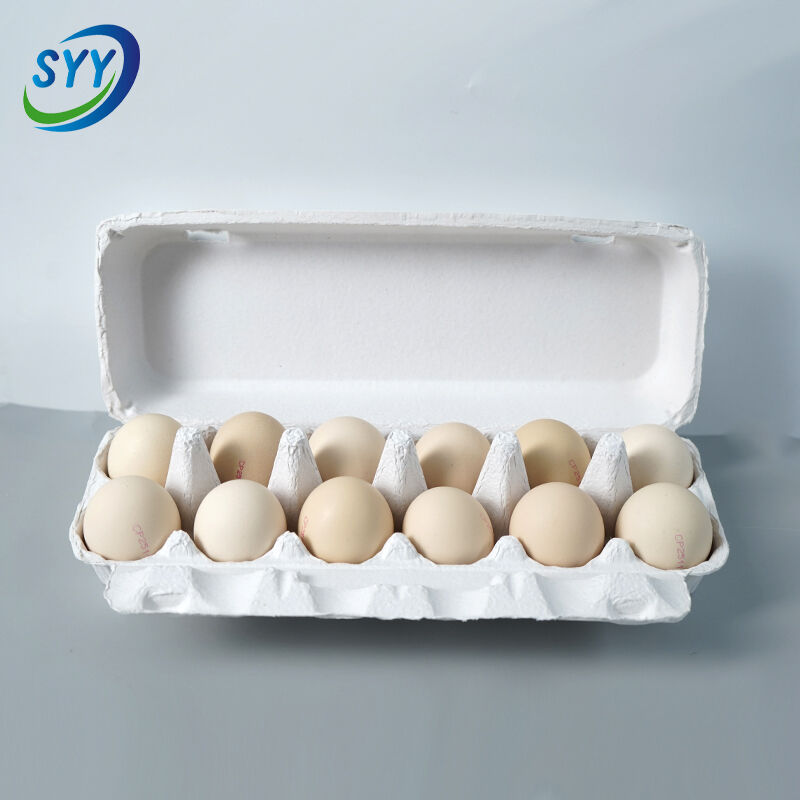
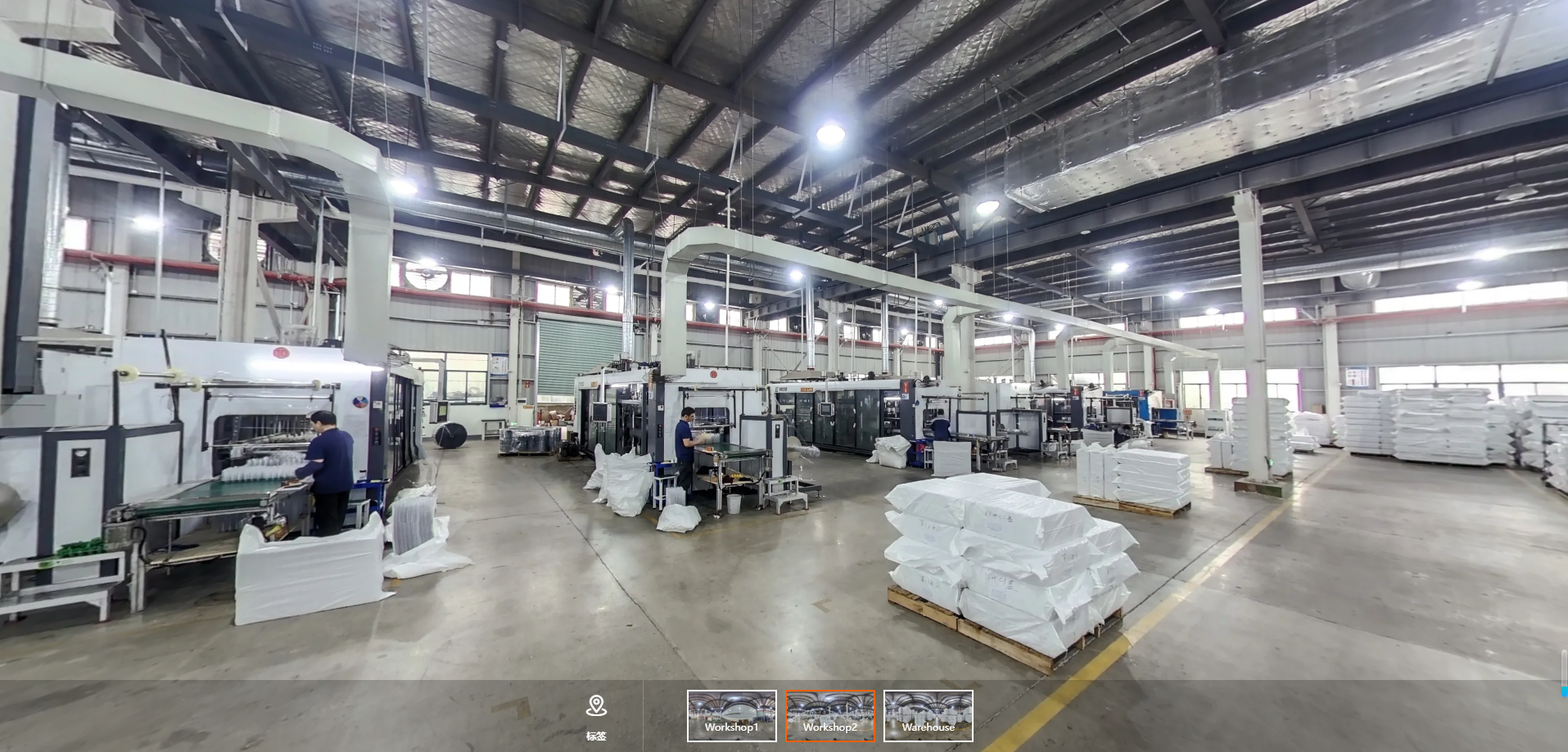
Environmental consciousness drives the operations of leading egg tray suppliers in China, who have embraced sustainable manufacturing practices that benefit both businesses and the planet. These suppliers utilize 100% recycled paper materials as primary raw materials, including old newspapers, cardboard waste, and other post-consumer paper products that would otherwise contribute to landfill accumulation. The manufacturing process itself is inherently eco-friendly, requiring only water, recycled paper, and natural additives without harmful chemicals or synthetic materials. Egg tray suppliers in China have implemented closed-loop water systems that recycle and purify process water, significantly reducing freshwater consumption and eliminating wastewater discharge. Energy-efficient production equipment includes solar heating systems, biomass boilers, and heat recovery mechanisms that minimize fossil fuel consumption while reducing operational costs. The biodegradable nature of egg trays produced by these suppliers ensures complete decomposition within 30-90 days under normal composting conditions, supporting circular economy principles. Waste reduction initiatives include pulp residue recycling, packaging material optimization, and by-product utilization programs that achieve near-zero waste manufacturing. Carbon footprint reduction efforts encompass renewable energy adoption, transportation optimization, and local sourcing strategies that minimize environmental impact throughout the supply chain. Life cycle assessment studies conducted by egg tray suppliers in China demonstrate significantly lower environmental impact compared to plastic alternatives, supporting corporate sustainability goals. Green certification programs validate environmental performance through third-party auditing and compliance verification with international environmental standards. Sustainable forestry partnerships ensure responsible sourcing of virgin fiber when needed, supporting forest conservation and biodiversity protection. Research initiatives focus on developing even more environmentally friendly materials and processes, including agricultural waste utilization and bio-based additives. Customer education programs help buyers understand the environmental benefits of choosing biodegradable egg trays over plastic alternatives, supporting market transition toward sustainable packaging solutions. Environmental reporting includes carbon footprint calculations, waste reduction metrics, and sustainability performance indicators that demonstrate continuous improvement in ecological stewardship.
 EN
EN