Environmental Sustainability and Cost Efficiency
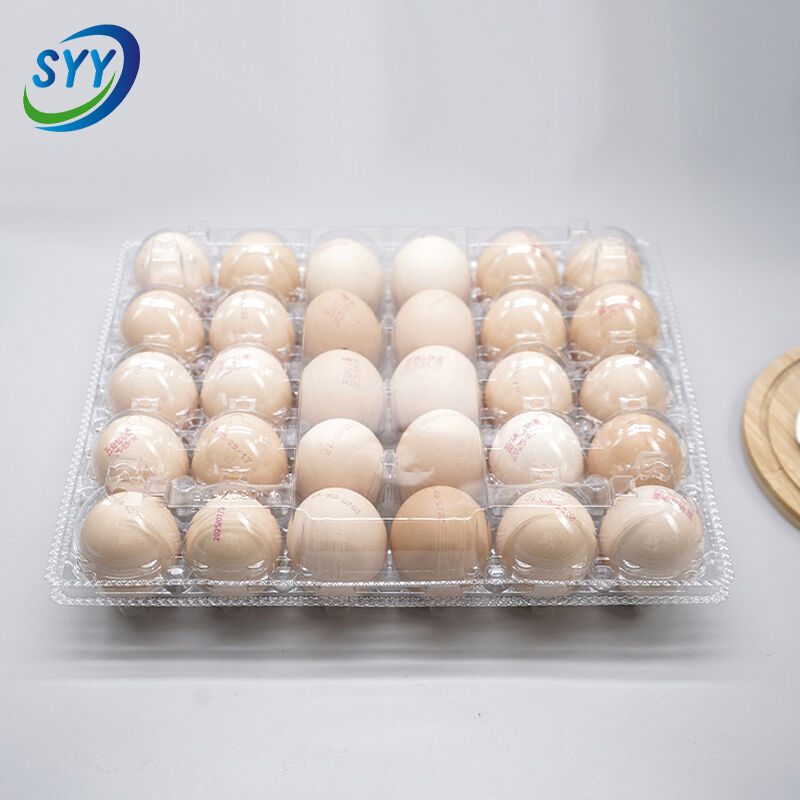
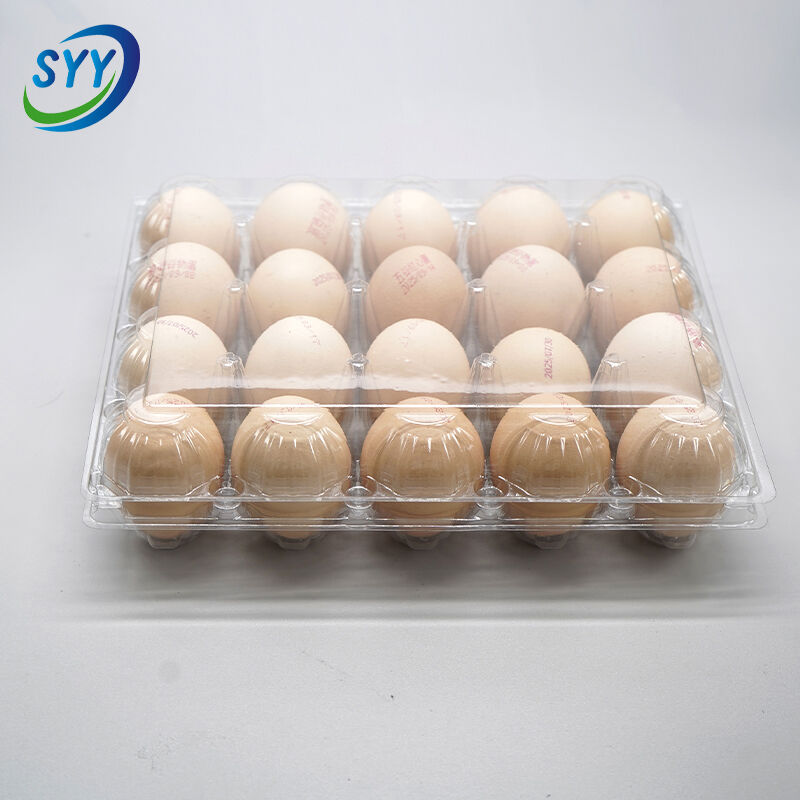
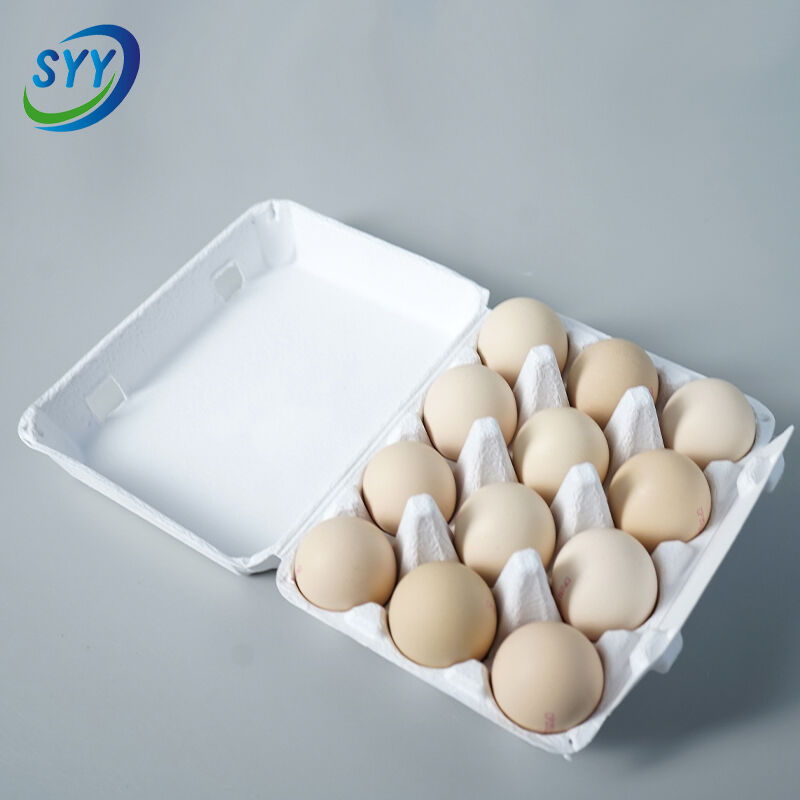
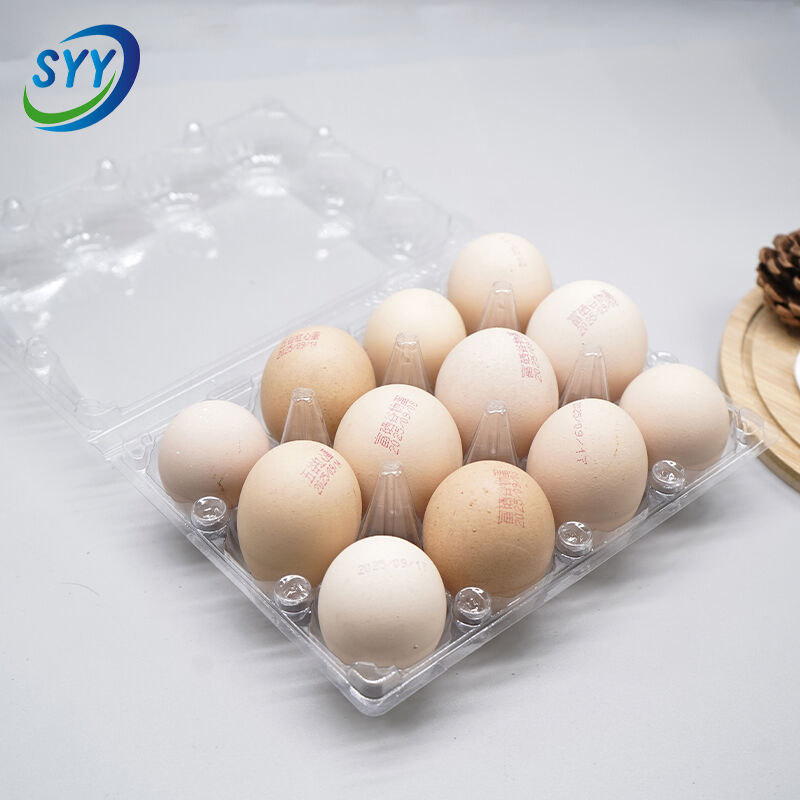
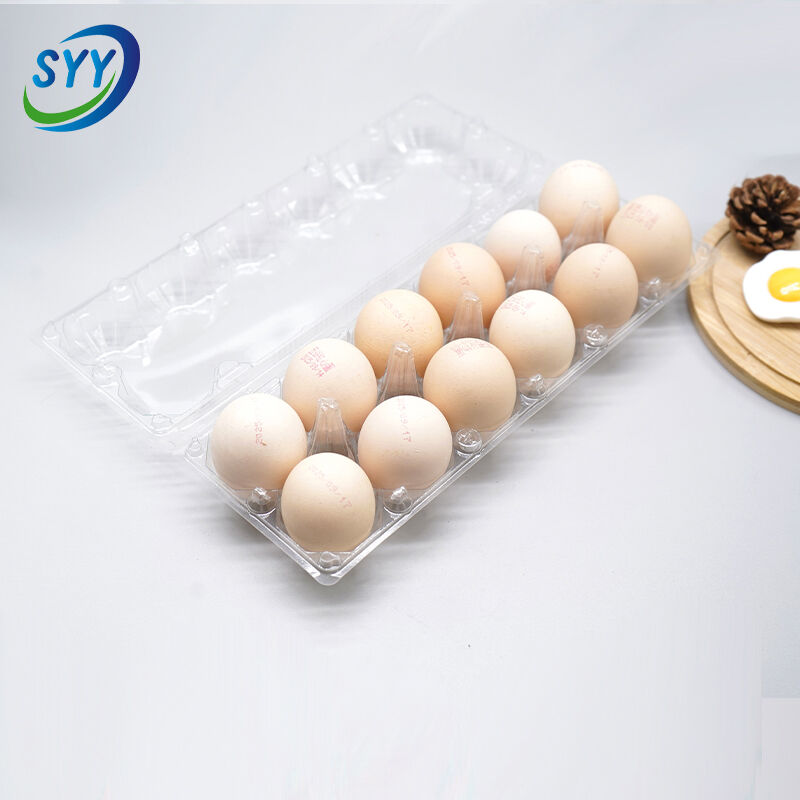
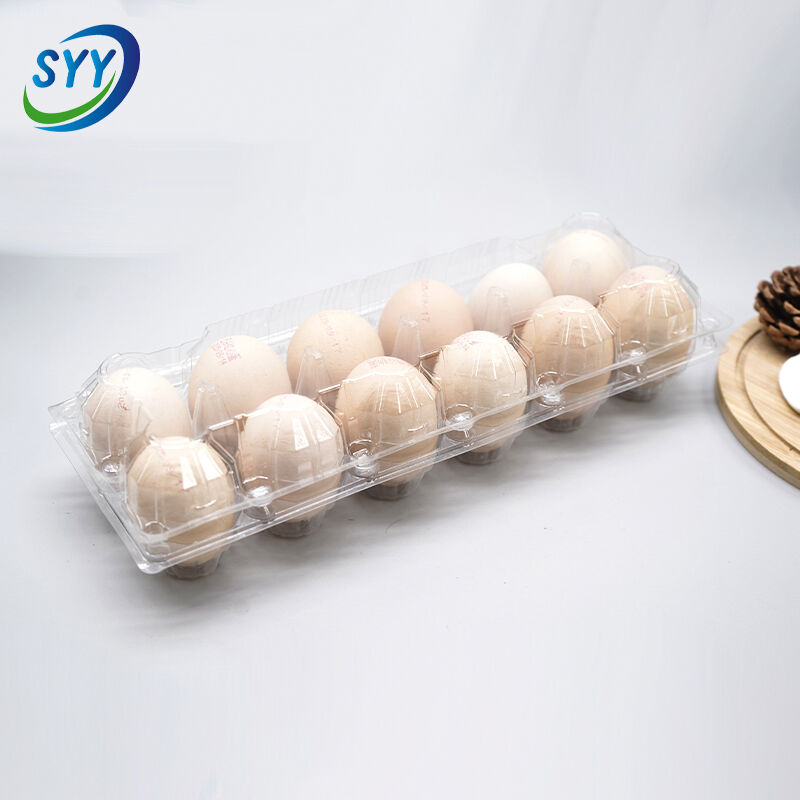
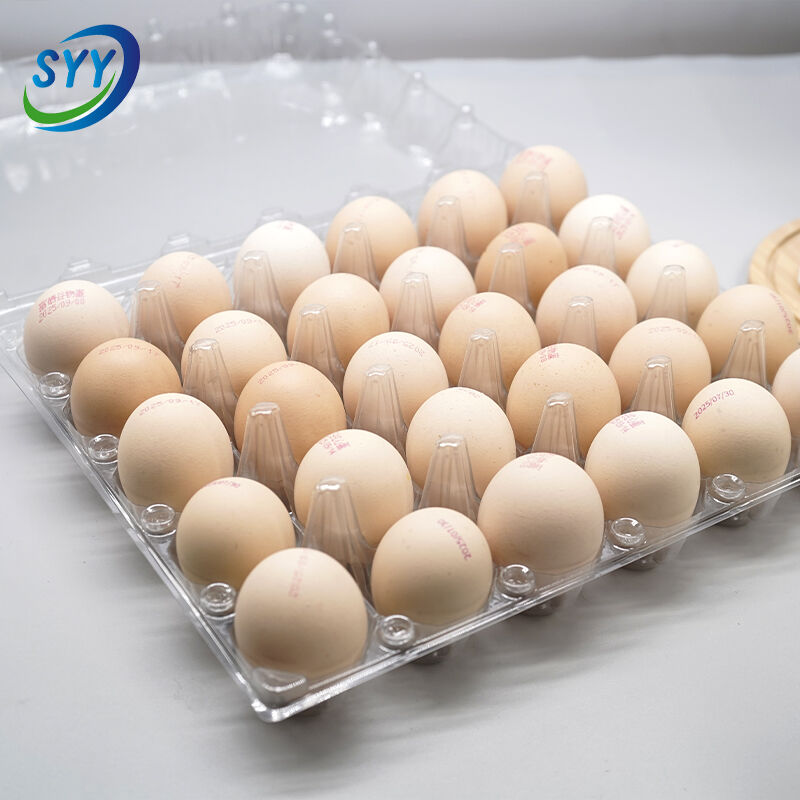
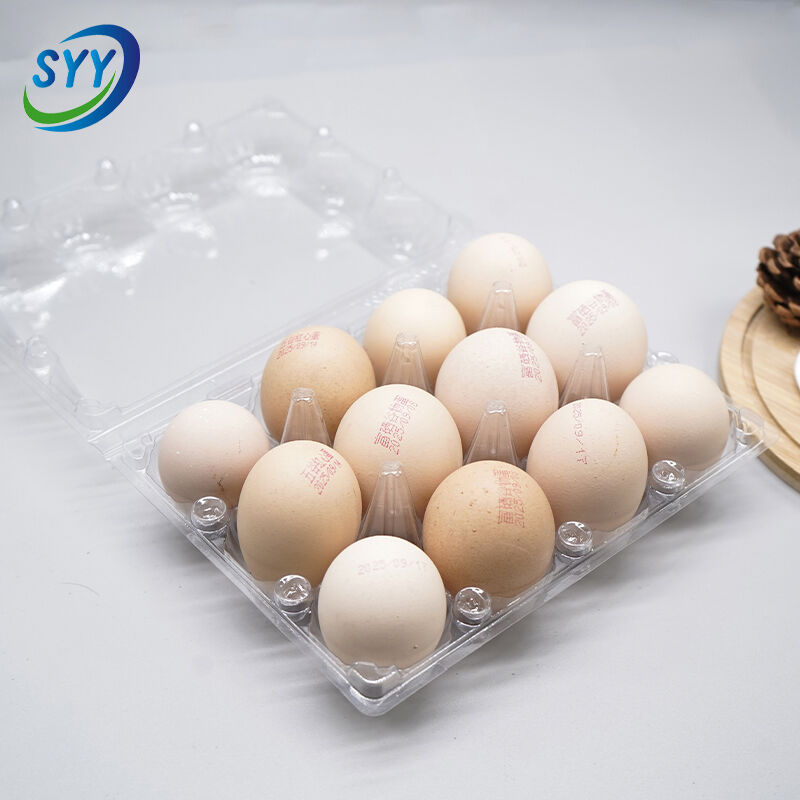
The egg tray sample represents a paradigm shift toward environmentally responsible packaging solutions while simultaneously delivering superior cost efficiency that benefits both businesses and consumers. This dual advantage emerges from innovative material formulations and manufacturing processes that minimize environmental impact without compromising performance or increasing costs. The sample's composition utilizes recycled materials wherever possible, incorporating post-consumer waste streams into the production process to reduce virgin material consumption and divert waste from landfills. Manufacturing energy requirements are significantly lower than traditional packaging alternatives, with production processes optimized for minimal power consumption and reduced carbon footprint. The lightweight characteristics of the egg tray sample translate directly into reduced fuel consumption during transportation, as lighter packages require less energy to move through supply chains, resulting in lower greenhouse gas emissions and reduced shipping costs for businesses. Recyclability represents a core feature, with the sample designed for easy processing through standard recycling facilities without requiring specialized separation or treatment procedures. This end-of-life consideration ensures that the protective benefits during use do not create long-term environmental burdens. Durability characteristics enable multiple use cycles for appropriate applications, further extending the material's useful life and reducing overall packaging waste generation. The egg tray sample's efficiency in material utilization means less raw material is required to achieve superior protection compared to conventional alternatives, reducing resource extraction and processing impacts. Water-based manufacturing processes eliminate harmful solvents and volatile organic compounds, improving air quality around production facilities and reducing worker exposure to hazardous chemicals. Packaging density optimization allows more egg tray samples to be shipped per container, reducing transportation frequency and associated environmental impacts. Cost efficiency emerges through multiple channels, including reduced material waste during manufacturing, lower shipping expenses due to weight reduction, and decreased damage rates that minimize product replacement costs. Businesses report significant total cost of ownership reductions when switching to the egg tray sample, with savings accumulating through reduced packaging material purchases, lower freight charges, and improved customer satisfaction scores that reduce return processing costs. The sample's compatibility with existing packaging equipment eliminates capital expenditure requirements for new machinery, allowing companies to realize benefits immediately without infrastructure investments. Bulk purchasing advantages provide additional cost reductions, with suppliers offering attractive pricing tiers that reward larger volume commitments while ensuring consistent supply availability for high-volume operations.
 EN
EN