egg holder
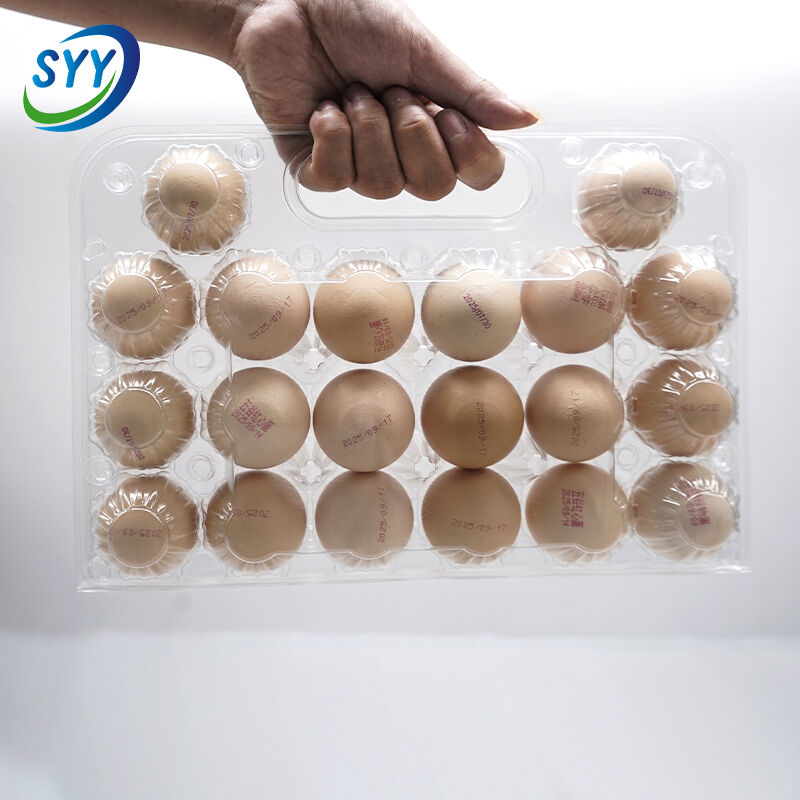
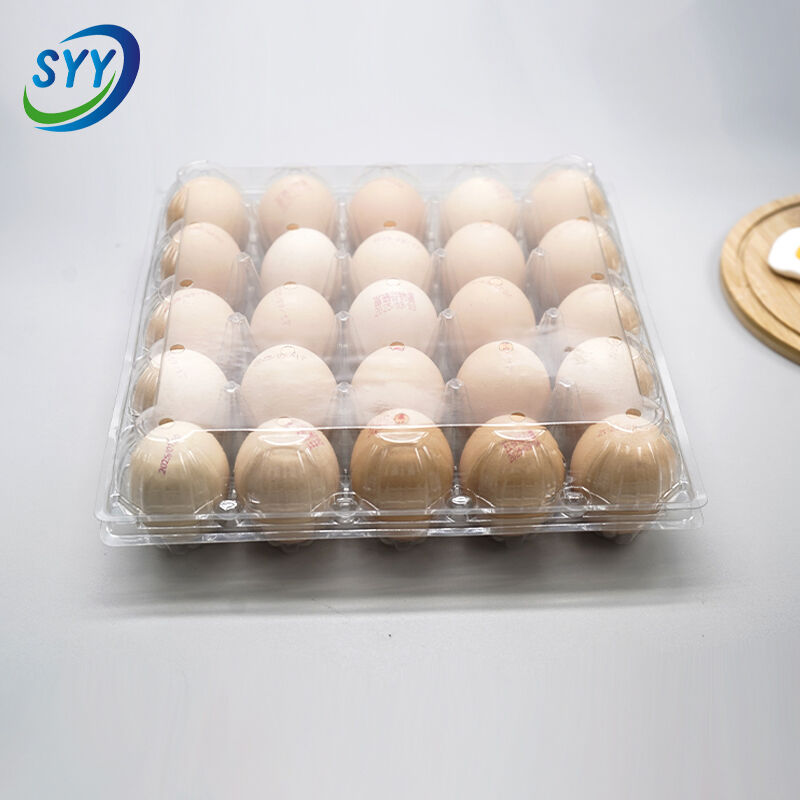
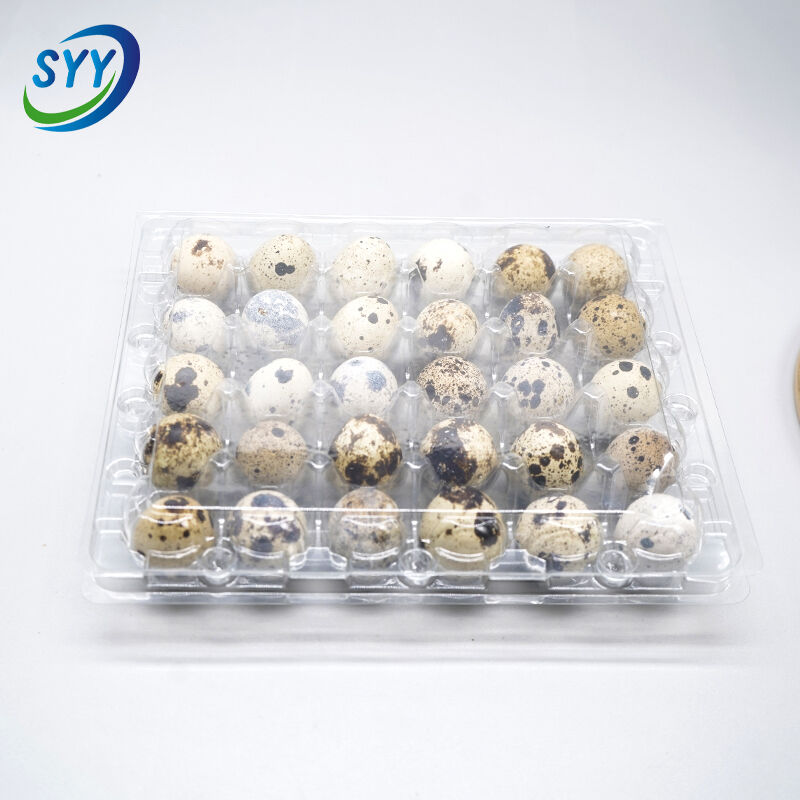
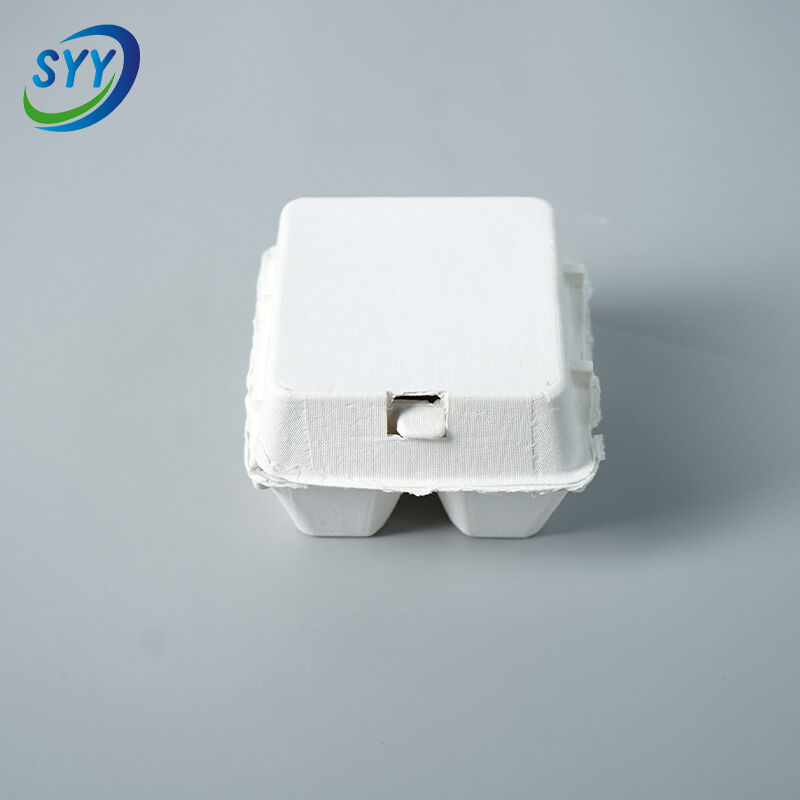
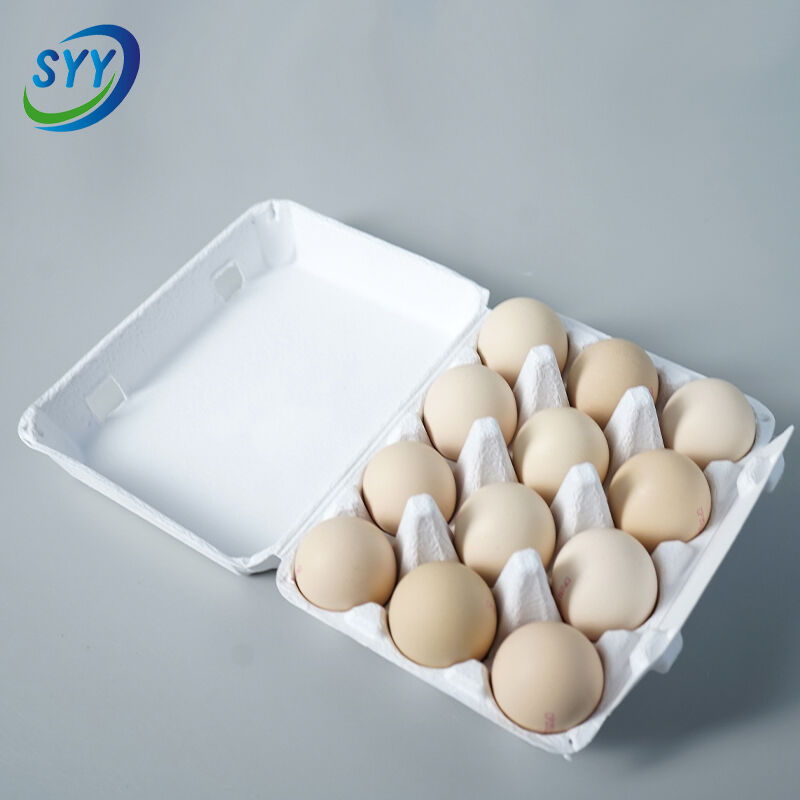
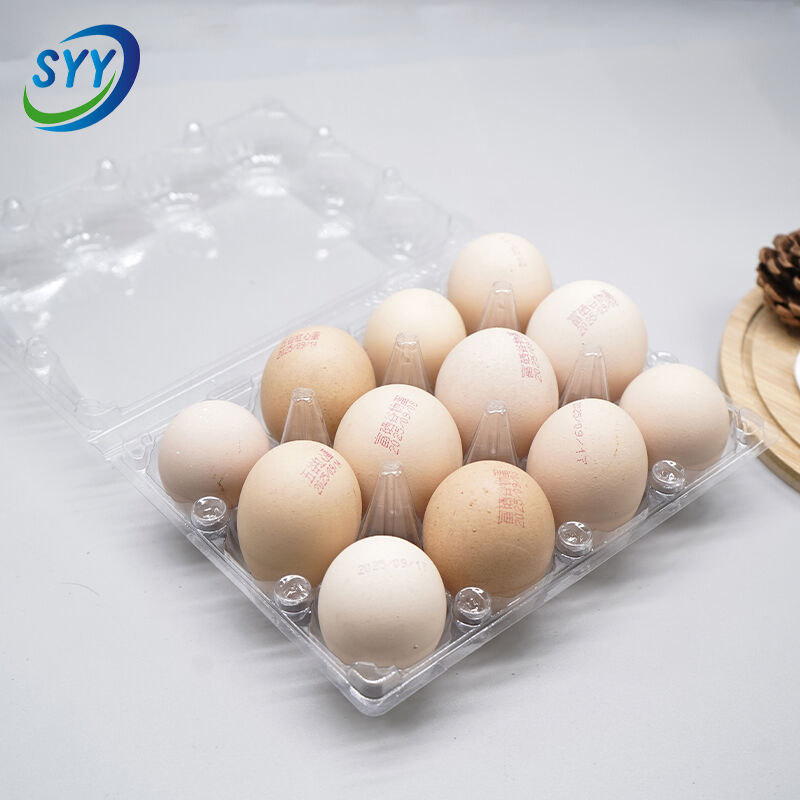
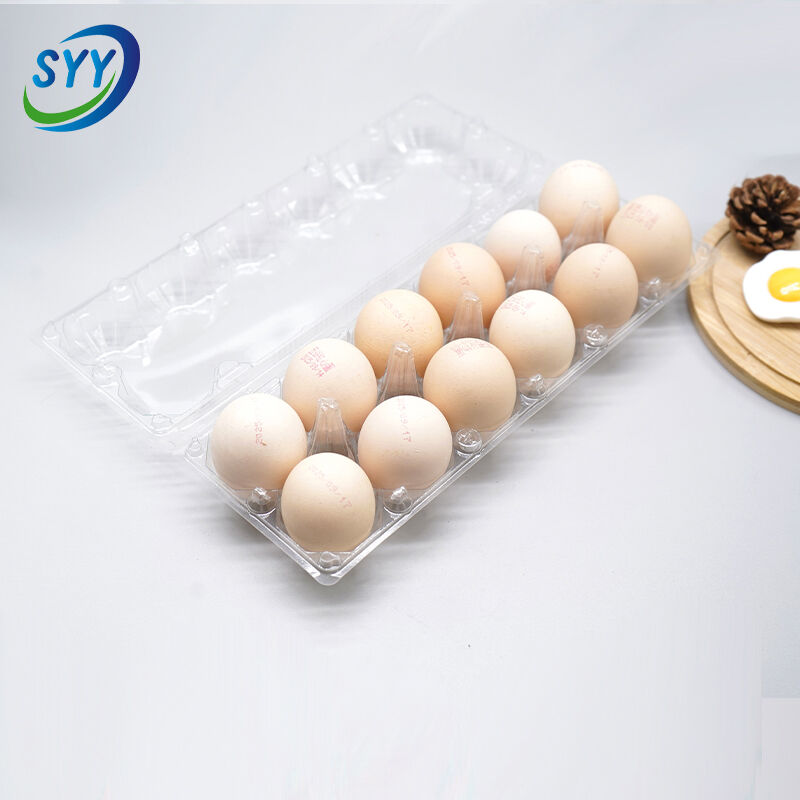
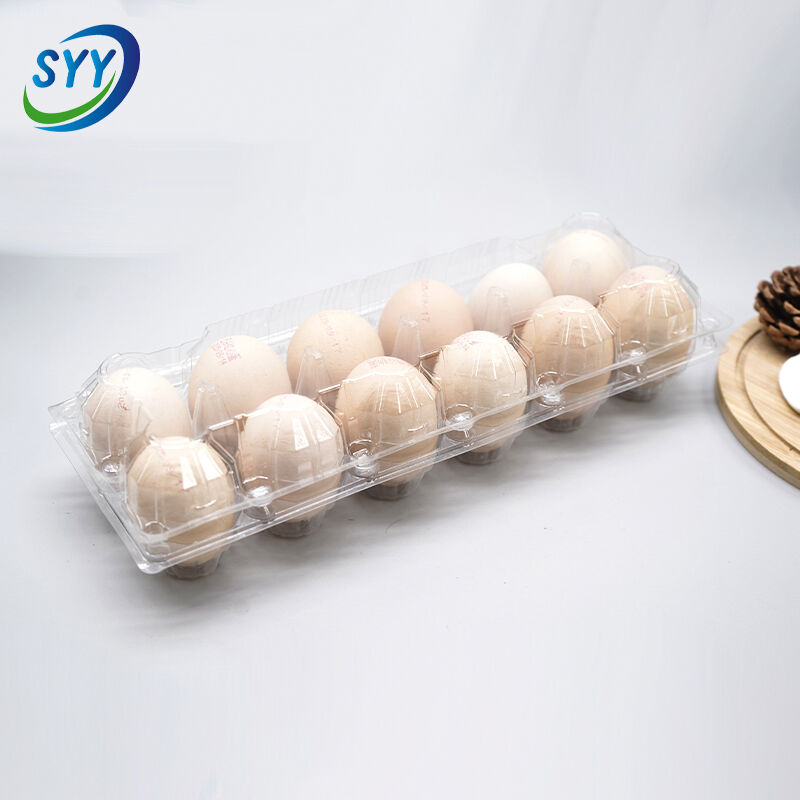
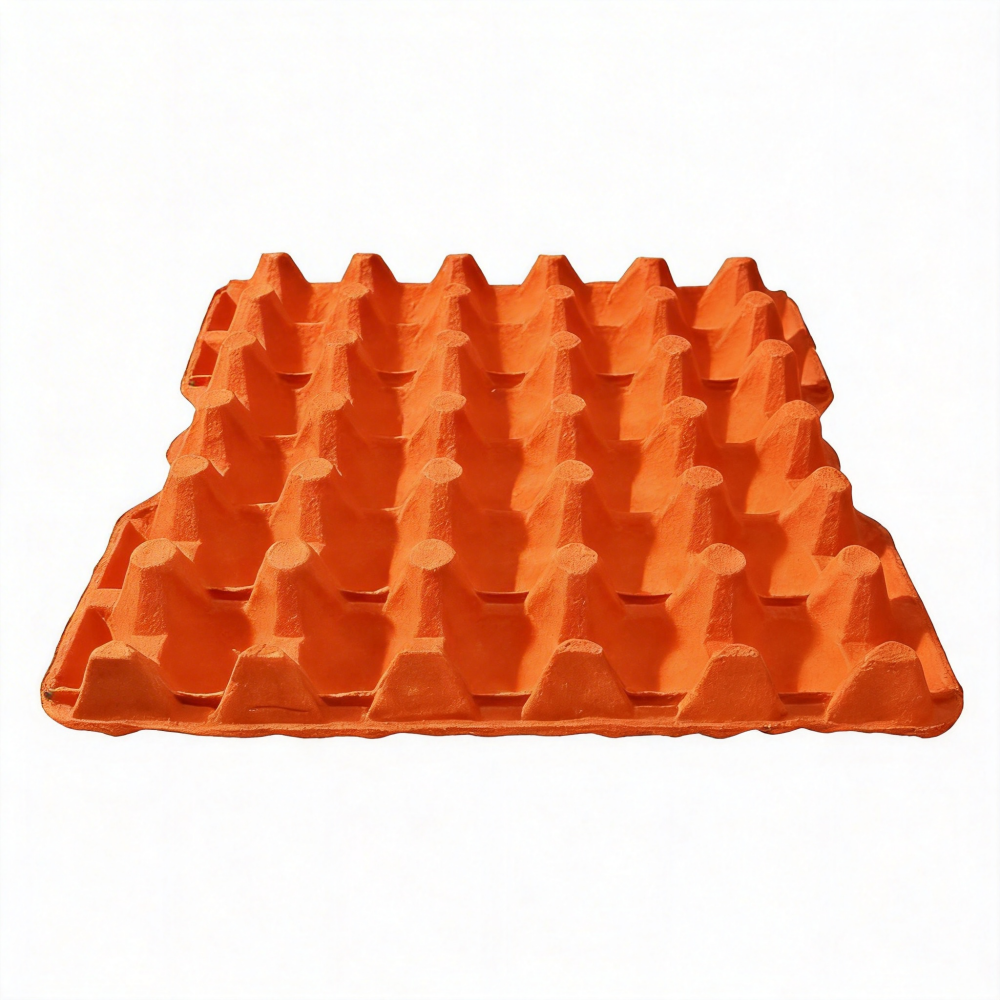
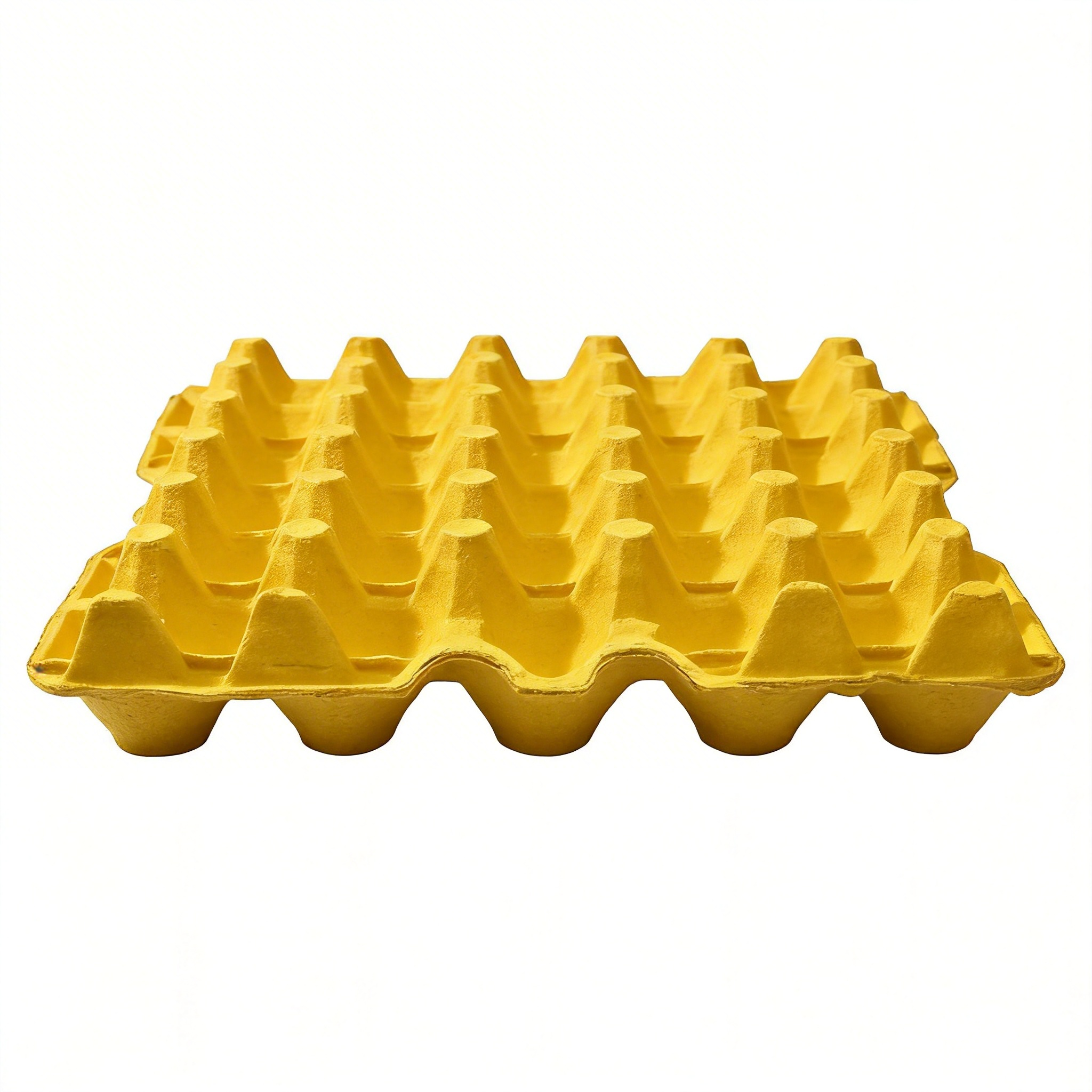
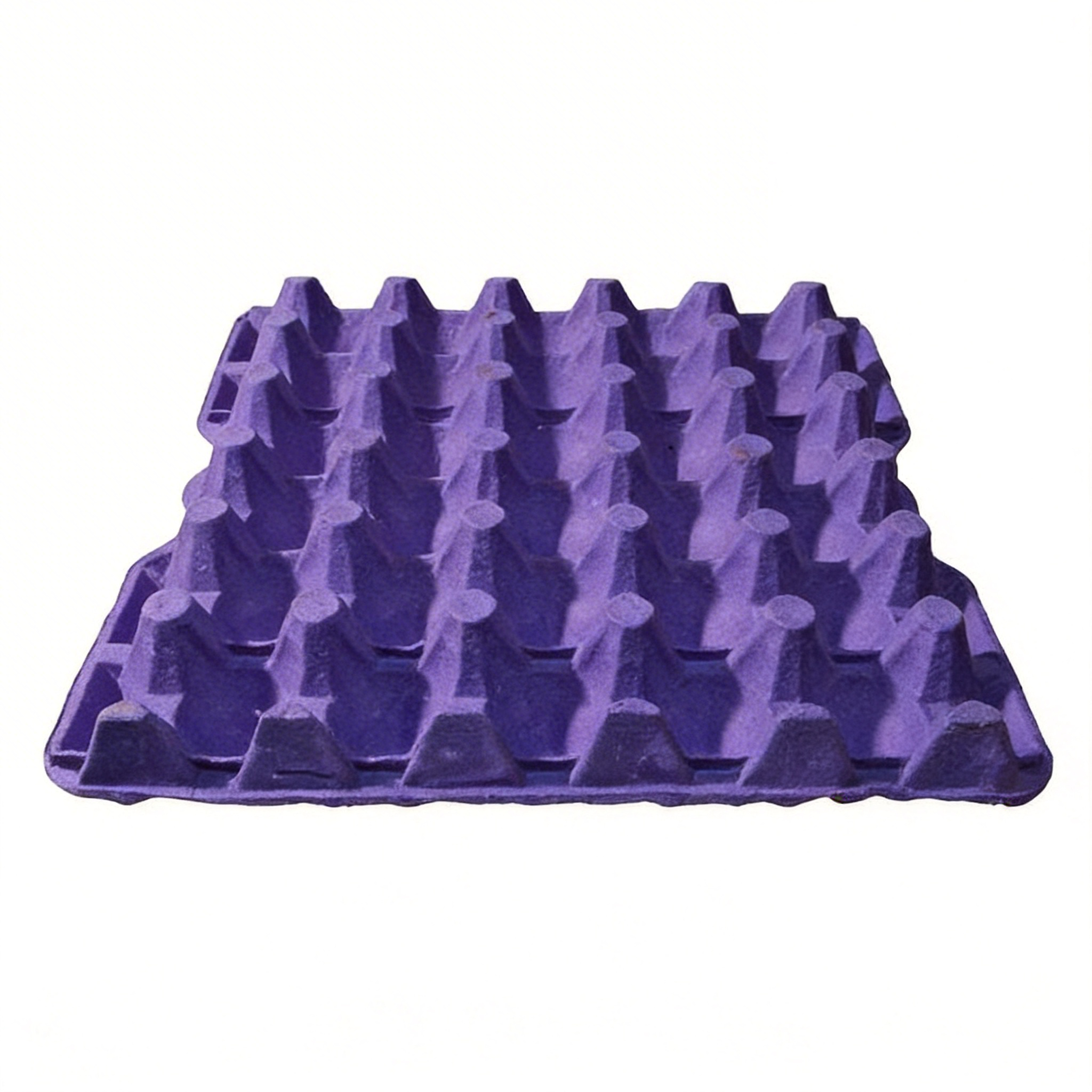
The egg holder represents a fundamental kitchen accessory designed to safely store, organize, and preserve eggs in both residential and commercial environments. This essential storage solution combines practical functionality with innovative design elements to address the common challenges associated with egg management. Modern egg holders feature multiple compartments or slots specifically engineered to cradle individual eggs, preventing movement and potential breakage during storage or transportation. The primary function of an egg holder centers on maintaining egg freshness while maximizing refrigerator space efficiency. Advanced egg holder models incorporate temperature-resistant materials that adapt to various storage conditions, ensuring optimal preservation regardless of environmental factors. The technological features of contemporary egg holders include stackable designs that allow users to expand storage capacity vertically, transparent materials for easy egg counting and freshness monitoring, and ergonomic handles for convenient transportation. Many egg holders also feature removable dividers or adjustable compartments to accommodate different egg sizes, from small quail eggs to large duck eggs. The applications of egg holders extend beyond simple storage, serving commercial kitchens, bakeries, restaurants, and food service establishments where bulk egg management becomes crucial. Professional-grade egg holders often incorporate specialized ventilation systems that promote air circulation around stored eggs, maintaining consistent temperature and humidity levels. Some advanced egg holder designs include date tracking systems or color-coded sections to help users implement proper rotation practices, ensuring older eggs are used first. The materials used in egg holder construction typically include food-grade plastics, stainless steel, or glass, each offering distinct advantages in terms of durability, cleaning ease, and aesthetic appeal. Modern egg holders also feature anti-slip bases to prevent sliding within refrigerators, while compact designs maximize storage efficiency without compromising accessibility.
 EN
EN