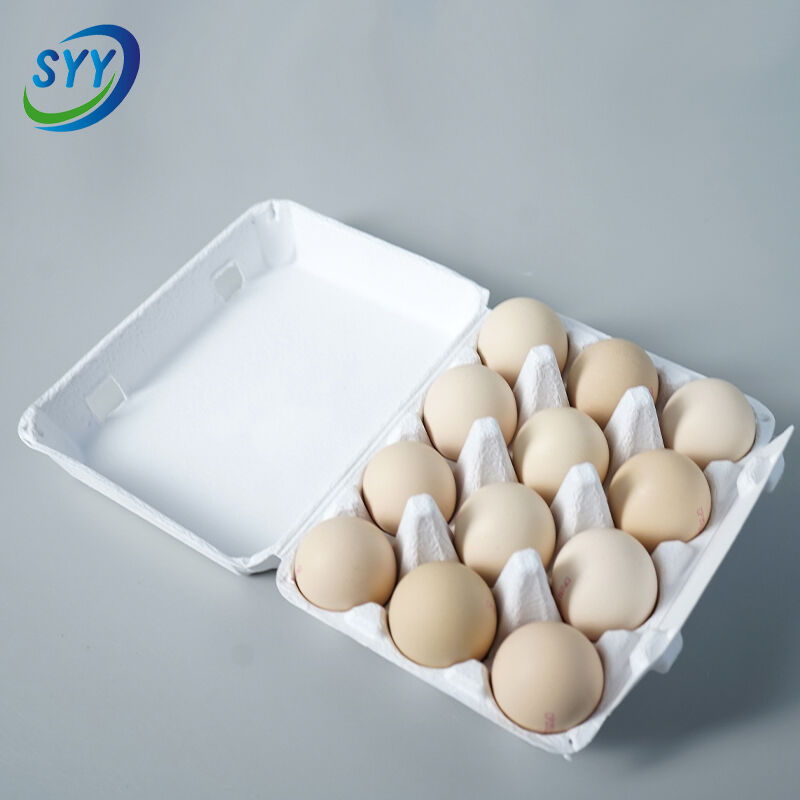
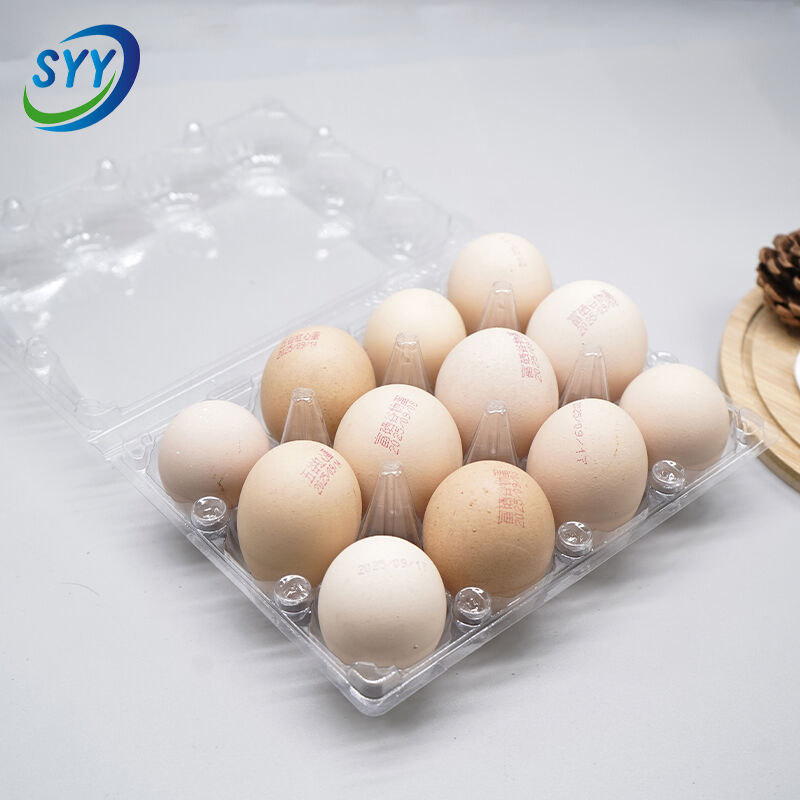
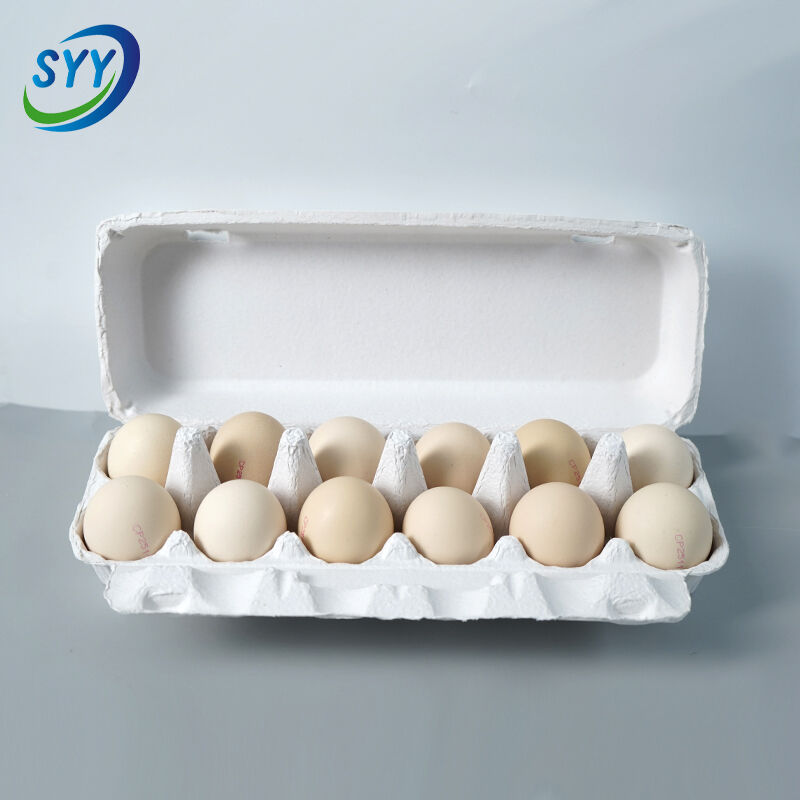
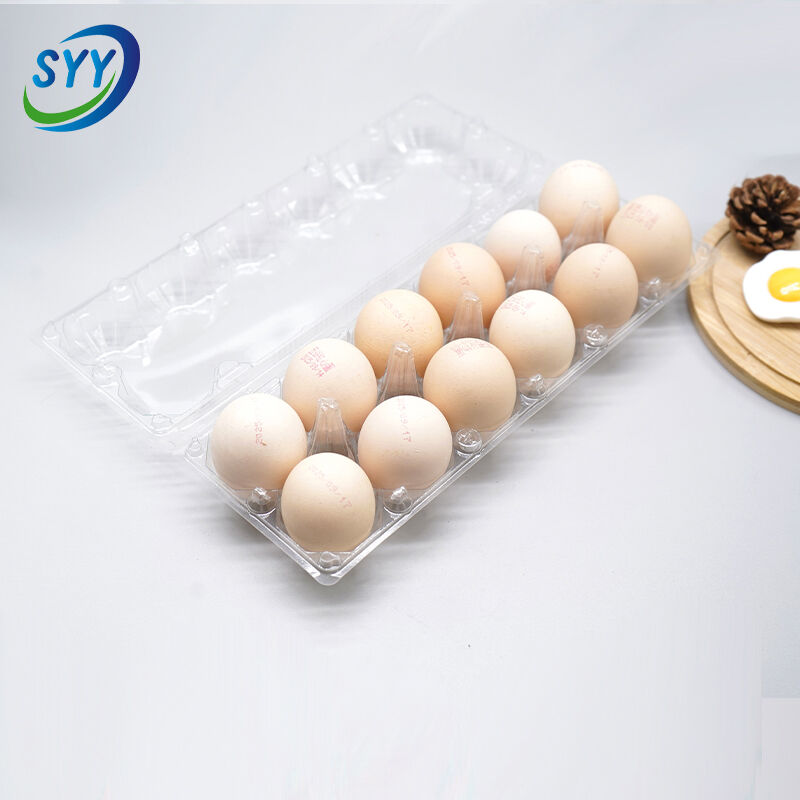
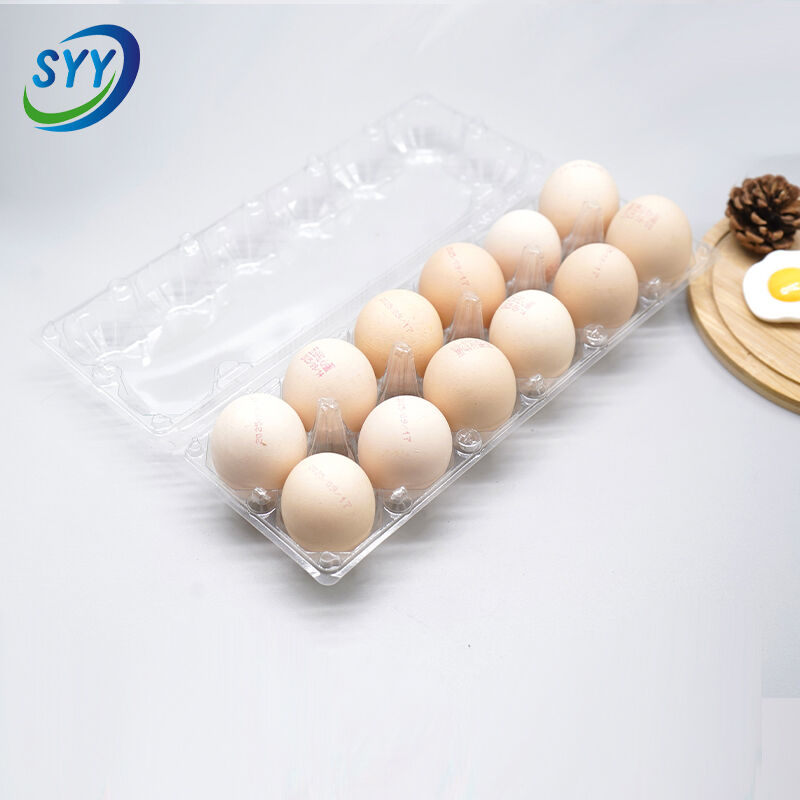
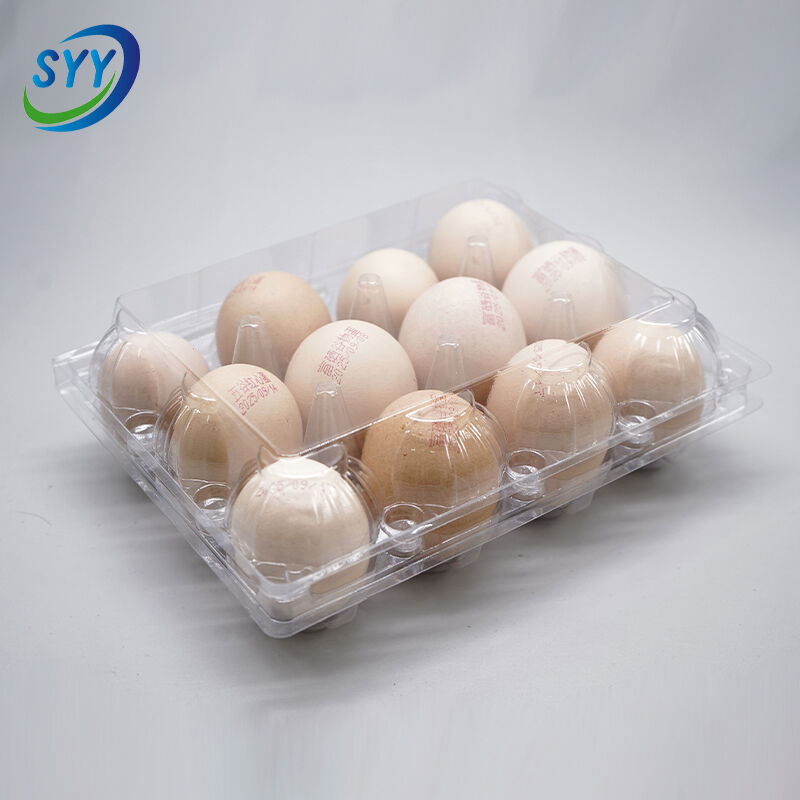
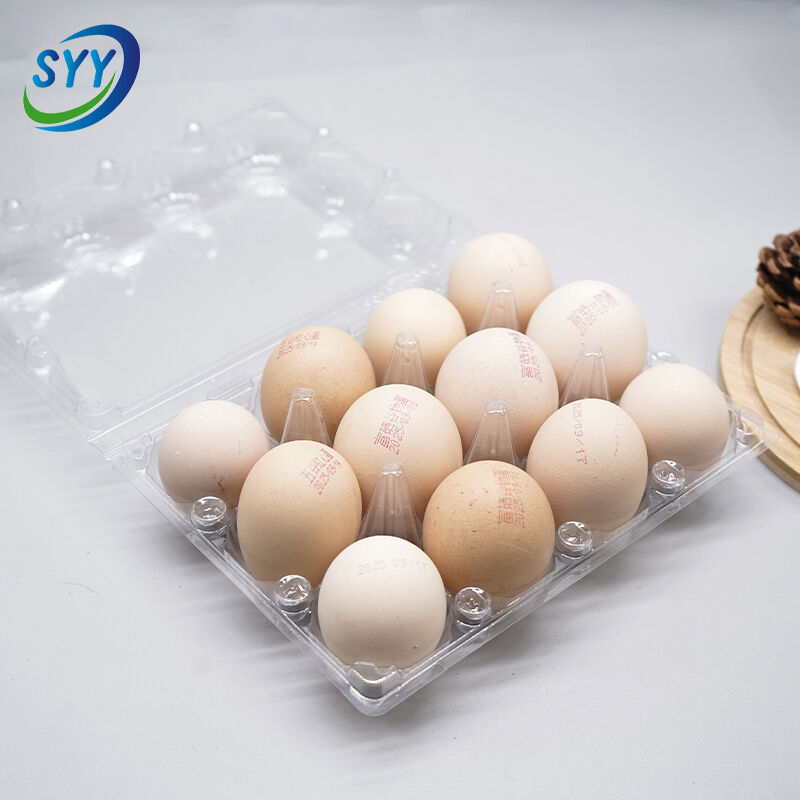
Sustainable Egg Packaging Solutions: Eco-Friendly Protection for Fresh Eggs

Get a Free Quote

We usually reply within 12 hours.
Email
Country/Region
Product Type
Please select your products type
Estimated Order Quantity
Hole Count
Please select your hole count
Packing System
Please select your packing system
Target Delivery Time
Color
Please select your color
Attachment
Please upload at least an attachment
Up to 3 files, each no larger than 30MB. Supported formats: jpg, jpeg, png, pdf, doc, docx, xls, xlsx, csv, txt, stp, step, igs, x_t, dxf, prt, sldprt, sat, rar, zip.
Message
0/1000

sustainable egg packaging

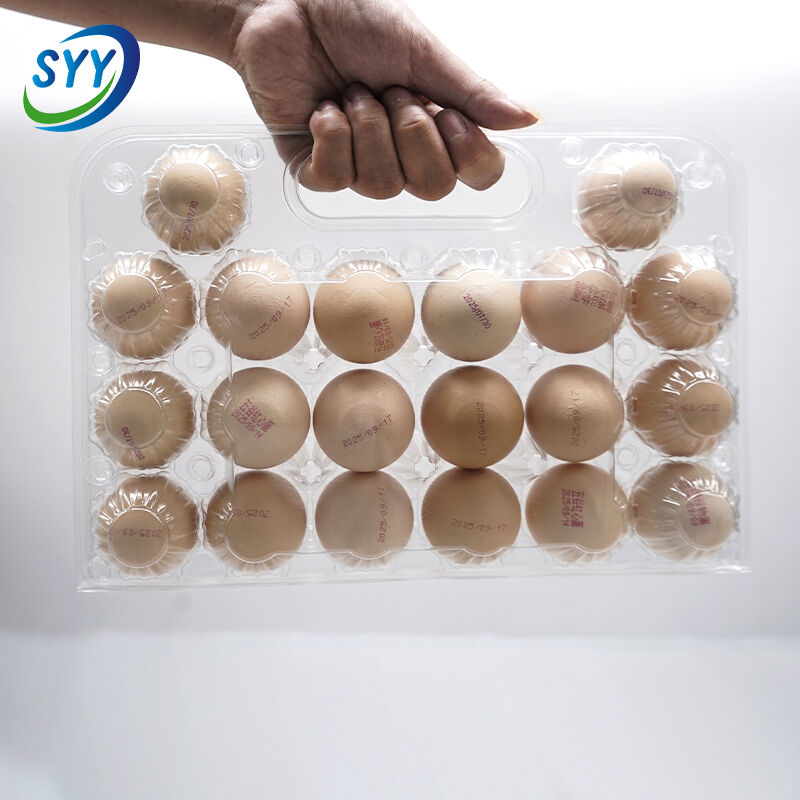
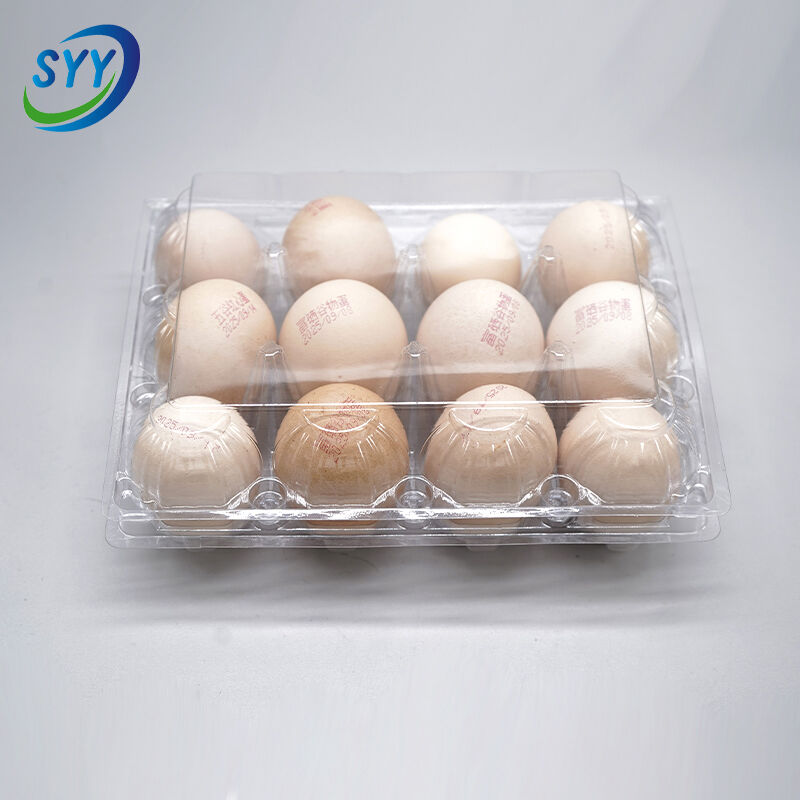
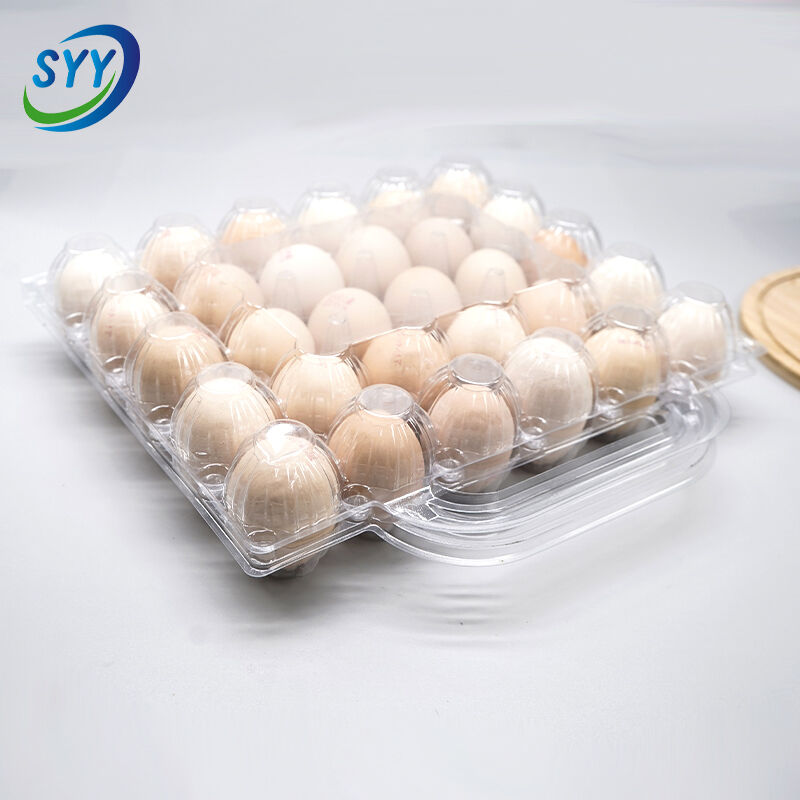
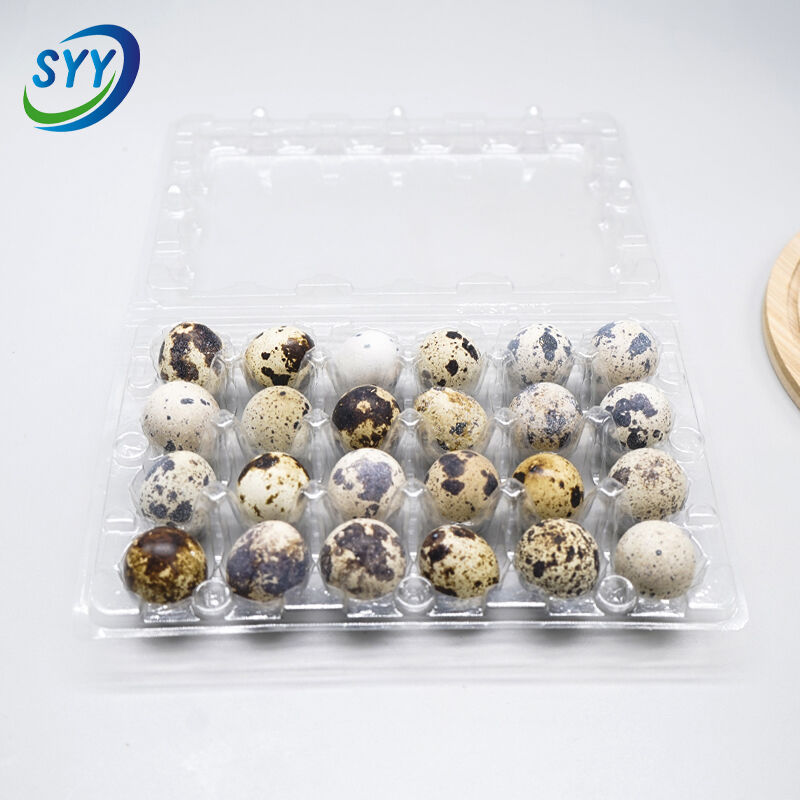
Sustainable egg packaging represents a revolutionary approach to protecting one of nature's most fragile products while minimizing environmental impact. This innovative packaging solution combines advanced materials science with eco-conscious design principles to create containers that safeguard eggs during transportation and storage while significantly reducing carbon footprint. Modern sustainable egg packaging utilizes biodegradable materials such as recycled paper pulp, plant-based plastics, and molded fiber composites that decompose naturally without leaving harmful residues. The primary function of sustainable egg packaging extends beyond basic protection to include moisture control, shock absorption, and temperature regulation. These packages feature precisely engineered cell structures that cradle each egg individually, preventing movement and collision during handling. The technological features incorporate antimicrobial treatments derived from natural sources, ensuring food safety without chemical additives. Advanced manufacturing processes create lightweight yet durable containers that maintain structural integrity throughout the supply chain. Applications span across commercial egg production facilities, retail establishments, and direct-to-consumer distribution networks. Large-scale poultry operations utilize these packages for bulk transportation, while smaller farms benefit from customizable sizing options. Retail stores appreciate the attractive presentation and stackable design that optimizes shelf space utilization. The packaging integrates seamlessly with existing logistics systems, requiring no special handling procedures or equipment modifications. Quality control mechanisms ensure consistent performance across varying environmental conditions, from refrigerated storage to ambient temperature displays. Modern sustainable egg packaging also incorporates smart features such as freshness indicators and QR codes for traceability. These innovations enable consumers to verify product quality and origin while supporting transparent supply chain practices. The modular design allows for efficient storage when empty, reducing warehouse space requirements and transportation costs for return shipments.

New Products

Sustainable egg packaging delivers substantial cost savings through reduced material expenses and waste disposal fees. Companies using these eco-friendly solutions typically experience 30-40% lower packaging costs compared to traditional plastic alternatives. The lightweight design reduces shipping expenses significantly, as transportation companies charge based on weight and volume. Businesses benefit from enhanced brand reputation as consumers increasingly prefer environmentally responsible products. Market research indicates that 73% of consumers willingly pay premium prices for sustainable packaging, creating opportunities for increased profit margins. The durability of sustainable egg packaging ensures superior product protection, reducing breakage rates by up to 25% compared to conventional containers. This protection translates directly into reduced product loss and improved customer satisfaction. Manufacturing facilities appreciate the streamlined production process that requires less energy and water consumption. The biodegradable nature eliminates complex recycling requirements, simplifying waste management procedures for retailers and consumers. Regulatory compliance becomes easier as governments worldwide implement stricter environmental standards. Companies adopting sustainable egg packaging position themselves ahead of upcoming legislation while avoiding potential fines and restrictions. Supply chain efficiency improves through optimized stacking and storage capabilities that maximize warehouse utilization. The consistent sizing and shape enable automated handling systems to operate more effectively, reducing labor costs and processing time. Quality assurance benefits from natural antimicrobial properties that extend product freshness without artificial preservatives. Food safety standards are easily maintained through materials that resist contamination and bacterial growth. Customer loyalty increases as brands demonstrate genuine commitment to environmental stewardship. Marketing advantages include positive media coverage and endorsements from environmental organizations. Distribution partners prefer working with companies that prioritize sustainability, leading to improved business relationships and expanded market access. The versatility allows customization for different egg sizes and quantities, accommodating diverse customer needs without requiring multiple packaging types.

Tips And Tricks

Why Do Eggs Break During Shipping? Causes and Best Egg Packaging Solutions Explained

08

May

Why Do Eggs Break During Shipping? Causes and Best Egg Packaging Solutions Explained

Every year, millions of eggs are lost to breakage during transit — a costly problem that affects egg producers, distributors, and retailers alike. The fragility of eggs is not a new challenge, but as supply chains grow more complex and shipping...
View More
How to Reduce Egg Breakage During Transport: Best Egg Packaging Solutions for Poultry Farms

07

May

How to Reduce Egg Breakage During Transport: Best Egg Packaging Solutions for Poultry Farms

For poultry farms of every scale, egg breakage during transport represents one of the most persistent and costly operational challenges. Every cracked or shattered egg is not just a lost product — it is lost revenue, wasted labor, and a potenti...
View More
What to Look for in Egg Packaging Manufacturers: Quality, Cost, and Customization Guide

12

May

What to Look for in Egg Packaging Manufacturers: Quality, Cost, and Customization Guide

Choosing the right egg packaging manufacturer is one of the most consequential decisions a poultry producer, retailer, or food distribution business can make. The packaging that holds your eggs does far more than contain a product — it communicates b...
View More
How to Choose the Right Egg Tray Supplier: Key Factors for Reliable Egg Packaging Manufacturers

11

May

How to Choose the Right Egg Tray Supplier: Key Factors for Reliable Egg Packaging Manufacturers

Finding the right egg tray supplier is one of the most consequential procurement decisions a poultry farm, food distributor, or retail chain can make. The quality of your egg packaging directly impacts product integrity during transit, shelf presenta...
View More

Get a Free Quote

We usually reply within 12 hours.
Email
Country/Region
Product Type
Please select your products type
Estimated Order Quantity
Hole Count
Please select your hole count
Packing System
Please select your packing system
Target Delivery Time
Color
Please select your color
Attachment
Please upload at least an attachment
Up to 3 files,more 30mb,suppor jpg、jpeg、png、pdf、doc、docx、xls、xlsx、csv、txt、stp、step、igs、x_t、dxf、prt、sldprt、sat、rar、zip
Message
0/1000

sustainable egg packaging

Revolutionary Biodegradable Materials Technology

Revolutionary Biodegradable Materials Technology

The cornerstone of sustainable egg packaging lies in its groundbreaking use of biodegradable materials that completely decompose within 90-180 days under standard composting conditions. This technology utilizes agricultural waste products such as wheat straw, rice husks, and sugarcane bagasse, transforming what would otherwise become landfill waste into valuable packaging materials. The manufacturing process involves advanced molding techniques that compress these organic fibers into dense, protective structures without requiring harmful chemical binders. Unlike traditional petroleum-based plastics that persist in the environment for centuries, these biodegradable components break down into natural elements that enrich soil composition. The material composition maintains optimal strength-to-weight ratios while ensuring complete environmental compatibility. Research and development teams have perfected formulations that resist moisture absorption while allowing controlled breathability, essential for maintaining egg quality during storage. The production process generates 65% fewer carbon emissions compared to conventional plastic manufacturing, contributing significantly to corporate sustainability goals. Quality testing demonstrates that these materials maintain structural integrity across temperature ranges from -10°C to 40°C, ensuring reliable performance in diverse climatic conditions. The biodegradable technology incorporates natural antimicrobial agents derived from citrus peels and bamboo extracts, providing inherent protection against bacterial contamination without synthetic additives. This innovation addresses growing consumer concerns about microplastic contamination in food packaging while meeting stringent food safety regulations. Manufacturing scalability enables cost-effective production volumes that compete directly with traditional packaging pricing. The versatility of biodegradable materials allows for color customization using natural pigments, enabling brand differentiation while maintaining environmental integrity. Disposal becomes effortless as consumers can simply add used packaging to home compost bins or municipal organic waste streams, eliminating sorting confusion and contamination risks.
Advanced Shock Absorption and Protection System

Advanced Shock Absorption and Protection System

Sustainable egg packaging incorporates sophisticated engineering principles to create an advanced shock absorption system that surpasses conventional protection methods. The innovative design features multi-layered cushioning zones strategically positioned to distribute impact forces evenly across the package structure. Each egg cavity is precisely molded with graduated thickness walls that compress progressively under pressure, creating a controlled deformation pattern that absorbs kinetic energy without transmitting shock to the protected eggs. The geometric configuration utilizes honeycomb-inspired cell structures that maximize strength while minimizing material usage, achieving optimal protection efficiency. Advanced computer modeling and stress analysis inform the design process, ensuring that every structural element contributes to overall protective performance. The system accommodates various egg sizes through adjustable cavity dimensions that maintain secure positioning regardless of natural size variations. Vibration dampening properties reduce the cumulative stress that eggs experience during extended transportation periods, particularly important for long-distance shipping and international exports. The protection system incorporates multiple redundancy layers, ensuring that if one protective element fails, backup systems maintain egg safety. Laboratory testing demonstrates 95% reduction in breakage rates compared to traditional cardboard cartons under standardized drop and compression tests. The design accounts for real-world handling scenarios including automated sorting equipment, conveyor belt transfers, and manual loading procedures. Temperature-resistant properties ensure that protective characteristics remain consistent across seasonal variations and climate-controlled storage environments. The shock absorption system integrates seamlessly with moisture management features, preventing condensation buildup that could compromise structural integrity. Edge protection elements guard against impacts from adjacent packages during stacking and transportation. The modular design allows for easy replacement of damaged sections without discarding entire packages, extending useful life and reducing waste generation.
Smart Integration and Supply Chain Optimization

Smart Integration and Supply Chain Optimization

Modern sustainable egg packaging revolutionizes supply chain management through intelligent design features that optimize every stage from production to consumer delivery. The standardized dimensions ensure perfect compatibility with existing automated handling equipment, eliminating the need for costly infrastructure modifications while improving processing efficiency by 40%. Radio Frequency Identification (RFID) integration capabilities enable real-time tracking throughout the distribution network, providing unprecedented visibility into product movement and condition monitoring. The packaging design incorporates temperature-sensitive indicators that change color when exposed to conditions outside optimal ranges, allowing immediate identification of compromised products before they reach consumers. Barcode and QR code placement follows international standards, facilitating seamless integration with inventory management systems and point-of-sale terminals. The stackable configuration maximizes transportation efficiency by utilizing full truck and container capacities, reducing the number of shipments required and corresponding fuel consumption. Palletization compatibility ensures stable loading patterns that prevent shifting during transport while maintaining easy access for order fulfillment operations. The packaging design accounts for robotic handling systems, featuring standardized grip points and orientation markers that enable automated sorting and placement with 99.8% accuracy rates. Returnable and reusable options provide closed-loop solutions for high-volume customers, further reducing material consumption and waste generation. Supply chain data analytics become more accurate through improved product visibility and condition monitoring, enabling predictive maintenance scheduling and inventory optimization. The design facilitates efficient reverse logistics for empty container collection and processing, creating circular economy benefits that reduce overall system costs. Cross-docking operations benefit from quick identification systems and standardized handling procedures that reduce warehouse dwell time by 25%. Integration with cold chain management systems ensures temperature consistency throughout refrigerated distribution networks. The packaging provides clear labeling areas for regulatory compliance information, nutritional data, and traceability codes without compromising structural integrity or environmental benefits.

Get a Free Quote

We usually reply within 12 hours.
Email
Country/Region
Product Type
Please select your products type
Estimated Order Quantity
Hole Count
Please select your hole count
Packing System
Please select your packing system
Target Delivery Time
Color
Please select your color
Attachment
Please upload at least an attachment
Up to 3 files, each no larger than 30MB. Supported formats: jpg, jpeg, png, pdf, doc, docx, xls, xlsx, csv, txt, stp, step, igs, x_t, dxf, prt, sldprt, sat, rar, zip.
Message
0/1000