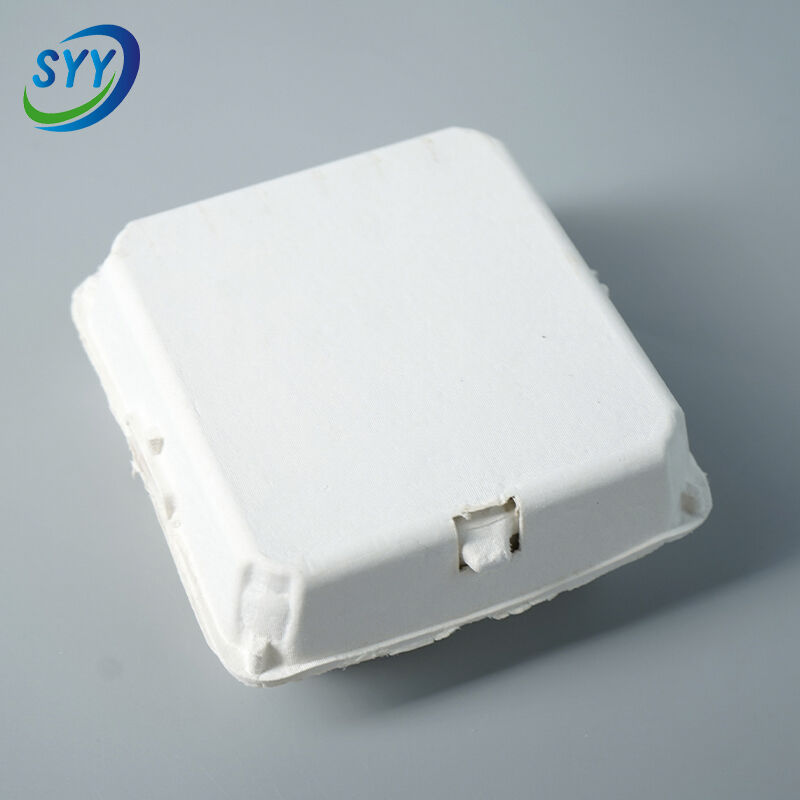
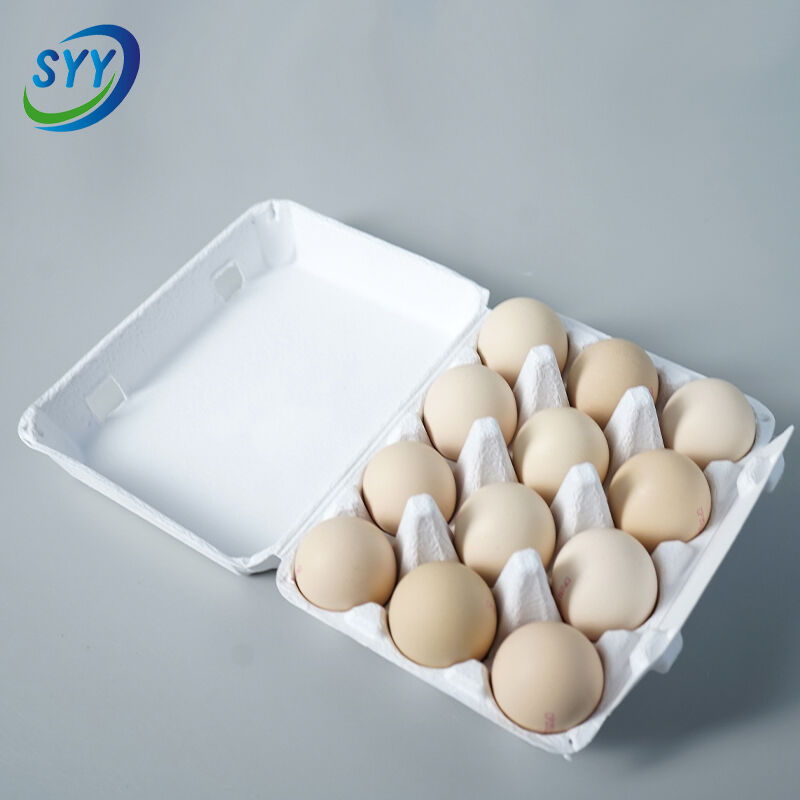
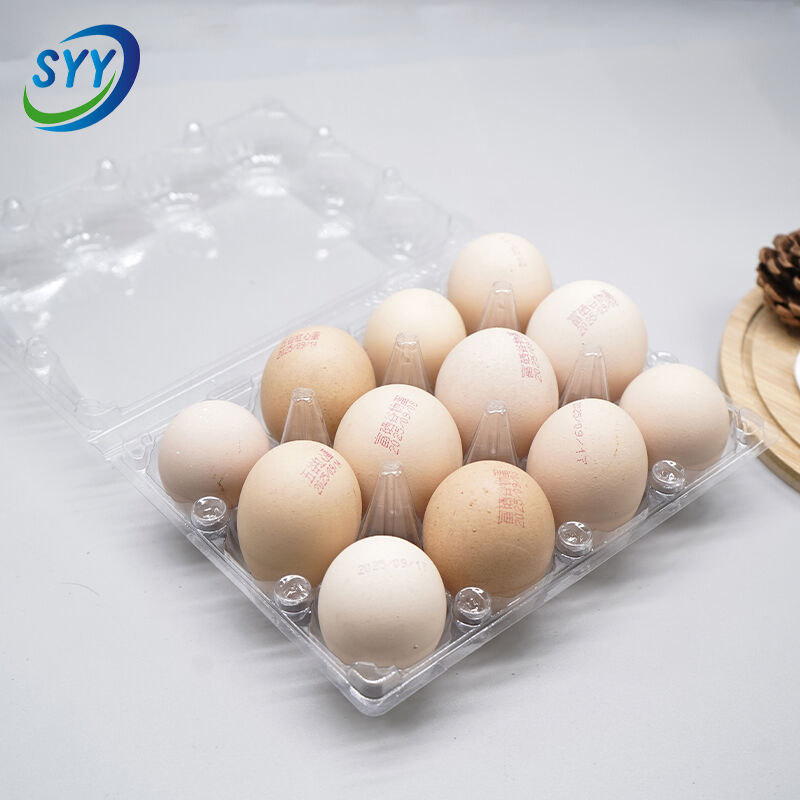
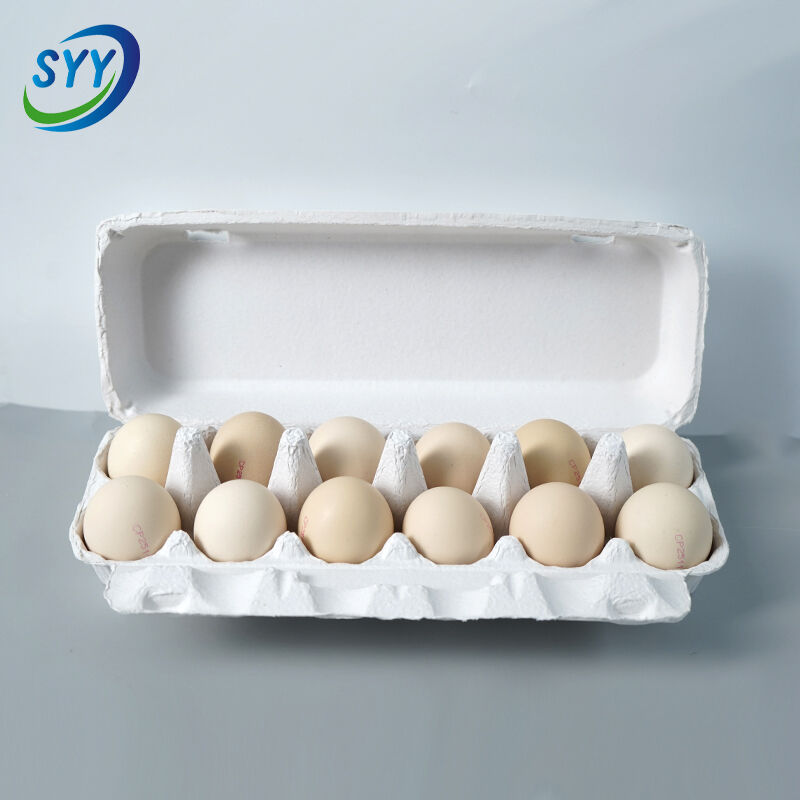
eco friendly egg tray
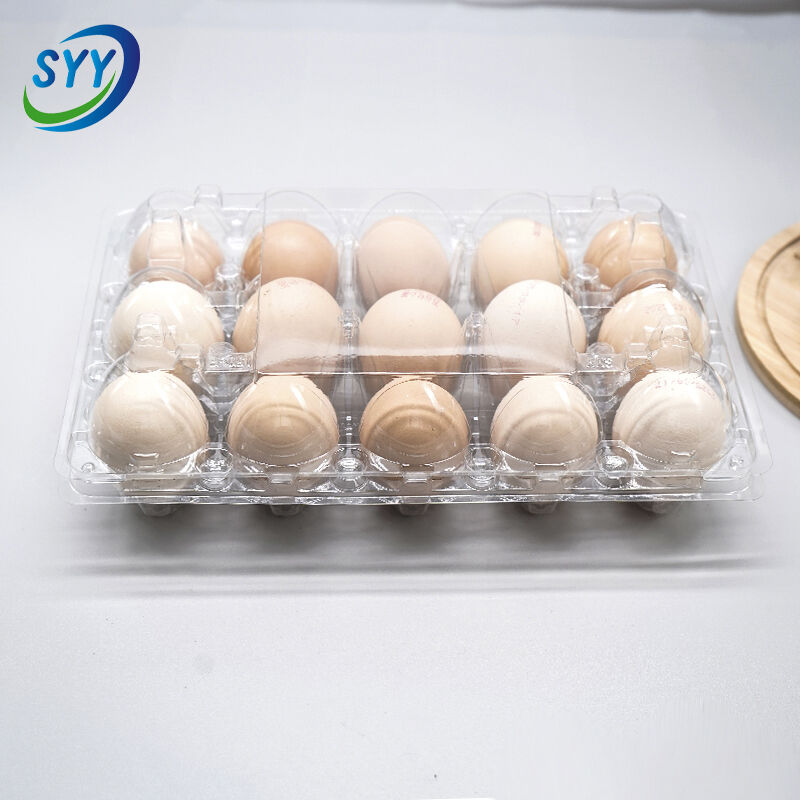
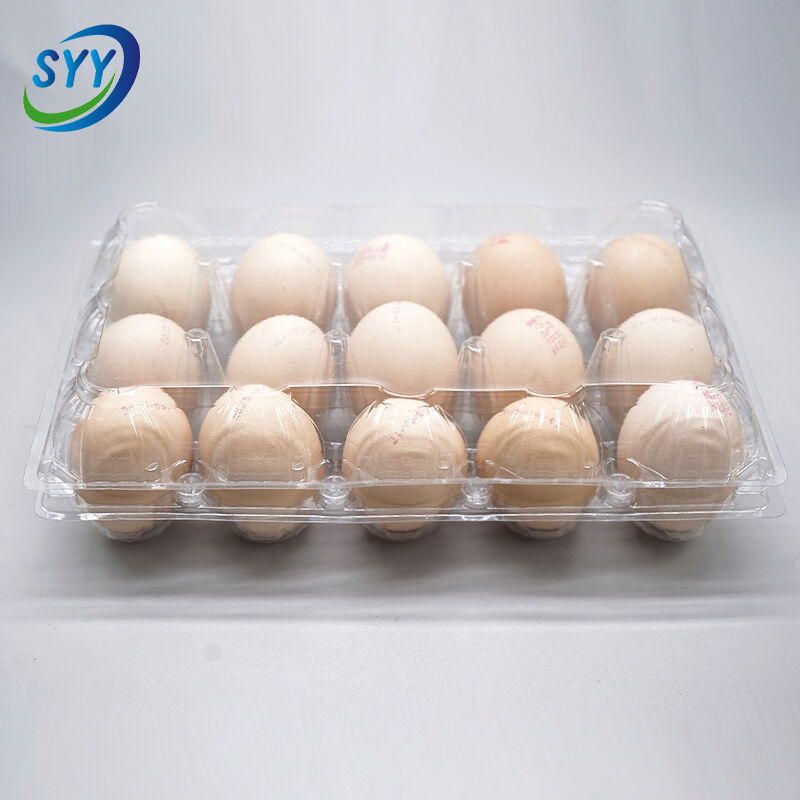
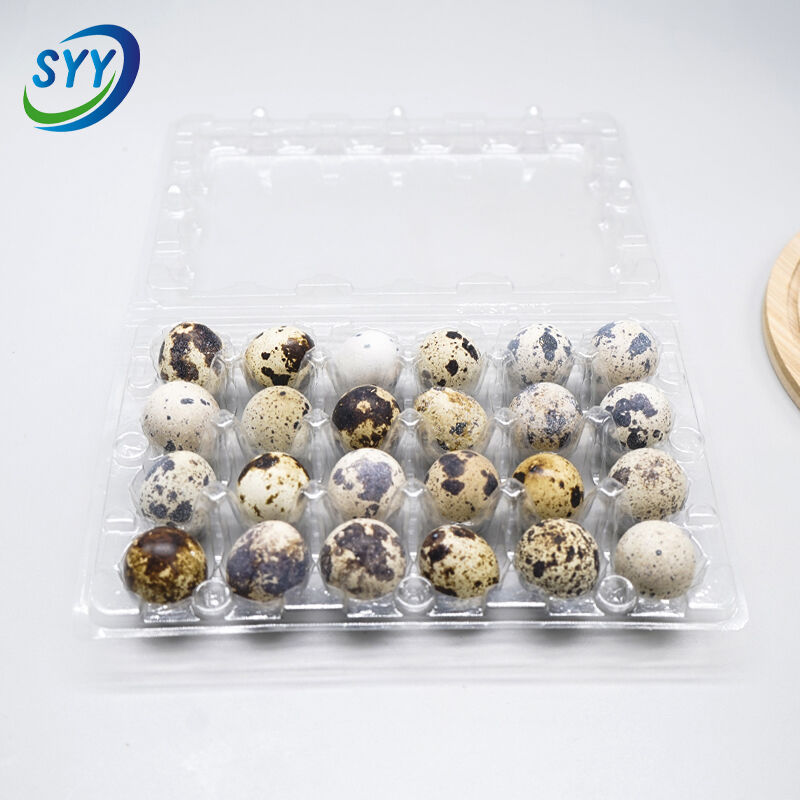
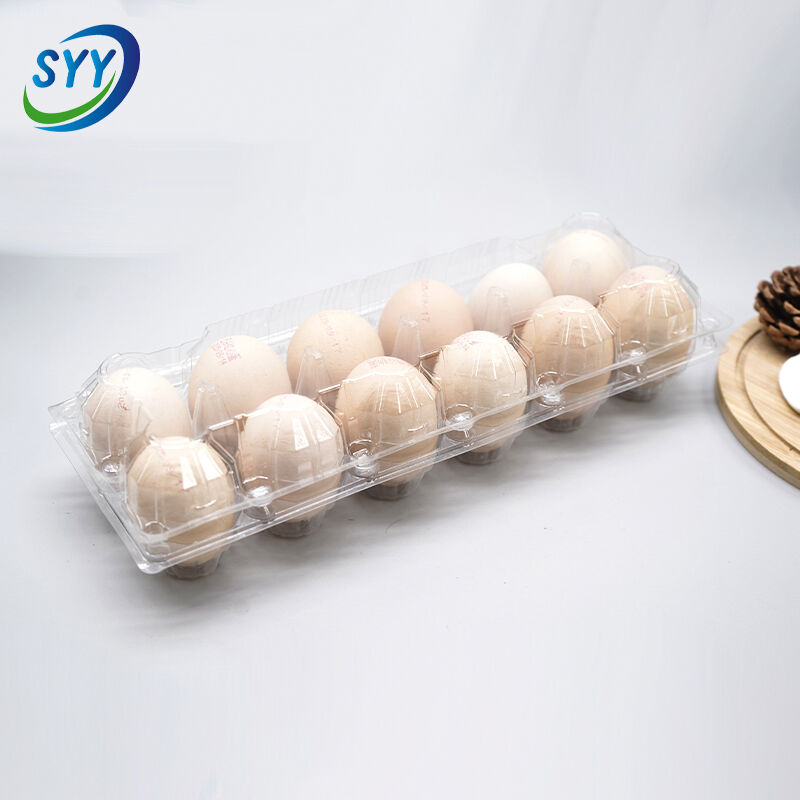
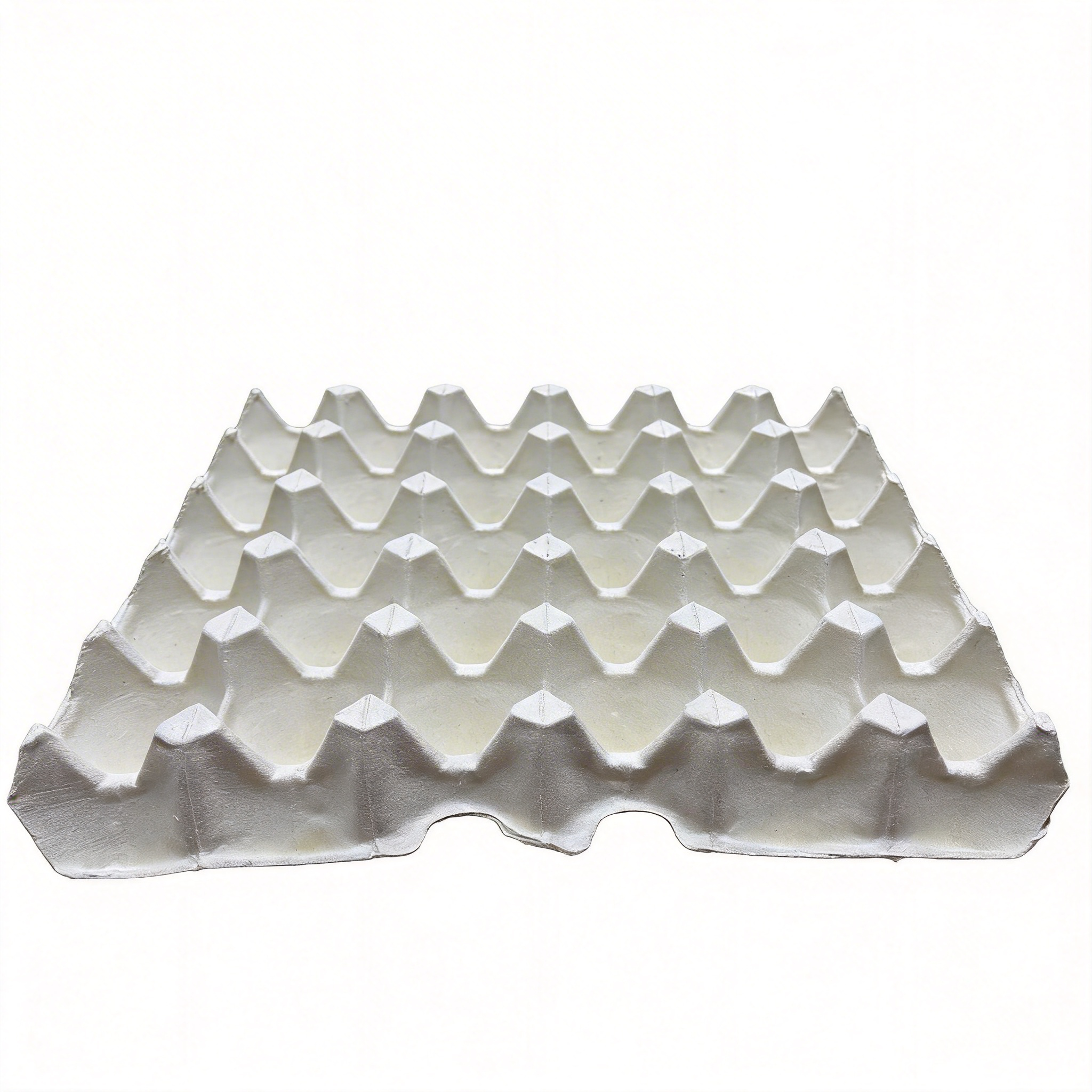
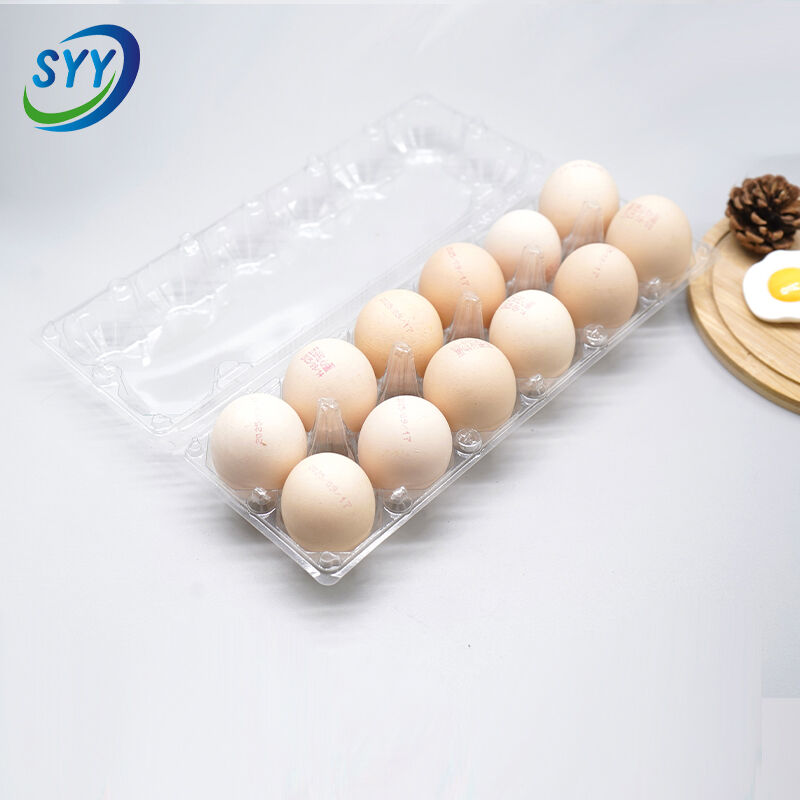
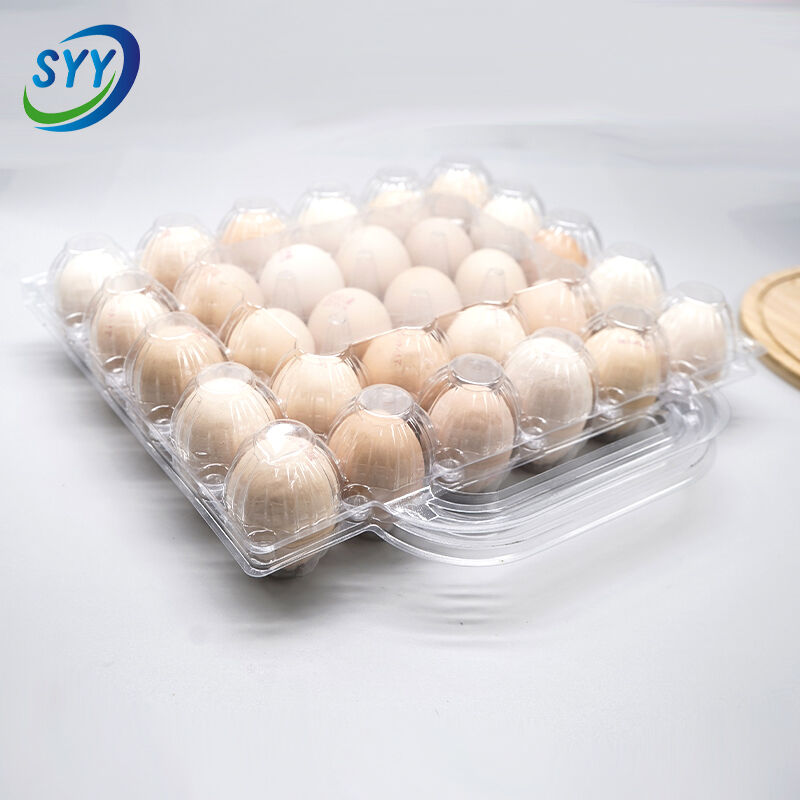
The eco friendly egg tray represents a revolutionary advancement in sustainable packaging solutions, designed specifically to protect and transport eggs while minimizing environmental impact. These innovative containers are manufactured from recycled paper pulp, agricultural waste, and other biodegradable materials, making them an ideal alternative to traditional plastic or foam packaging. The eco friendly egg tray serves multiple essential functions including shock absorption, moisture regulation, and structural support during transportation and storage processes. Advanced molding technology creates precisely engineered compartments that cradle each egg individually, preventing breakage and maintaining product quality throughout the supply chain. The manufacturing process incorporates water-based binding agents and natural fibers, eliminating harmful chemicals commonly found in conventional packaging materials. These trays feature excellent stackability properties, optimizing warehouse space utilization and reducing shipping costs for distributors and retailers. The porous structure of the eco friendly egg tray allows proper air circulation, helping maintain optimal humidity levels that preserve egg freshness for extended periods. Thermal insulation properties protect contents from temperature fluctuations during transit, while the lightweight design reduces overall shipping weights and associated carbon emissions. Applications span across commercial egg production facilities, grocery retail chains, farmers markets, and direct-to-consumer distribution networks. The eco friendly egg tray accommodates various egg sizes and types, from standard chicken eggs to specialty varieties like duck or quail eggs. Quality control measures ensure consistent dimensional accuracy and load-bearing capacity, meeting industry standards for food safety and packaging requirements. These sustainable solutions support circular economy principles by utilizing post-consumer waste materials and enabling complete biodegradation at end-of-life, contributing to reduced landfill accumulation and environmental preservation efforts.
 EN
EN