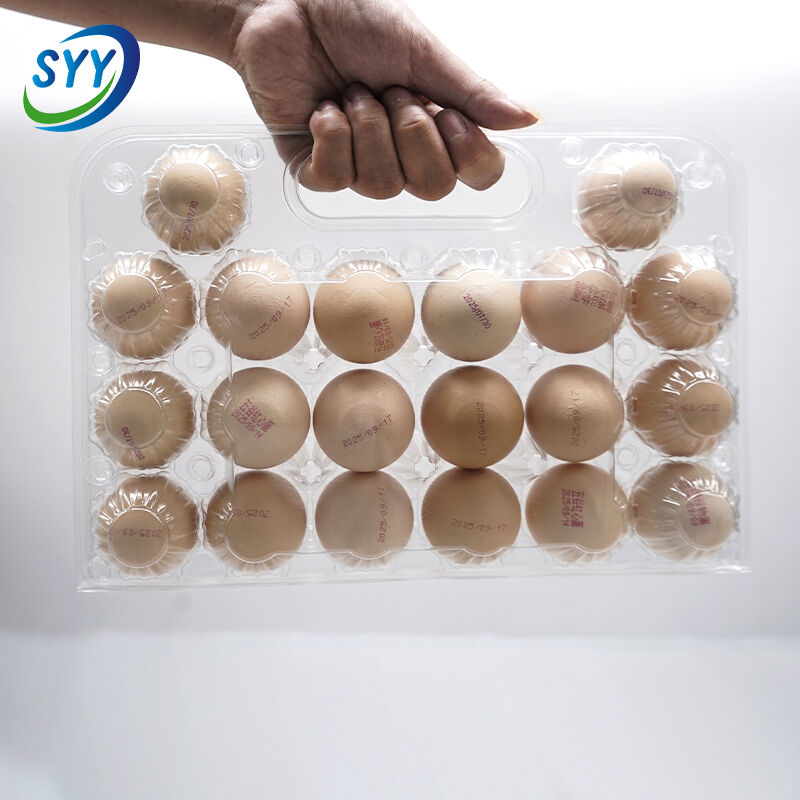
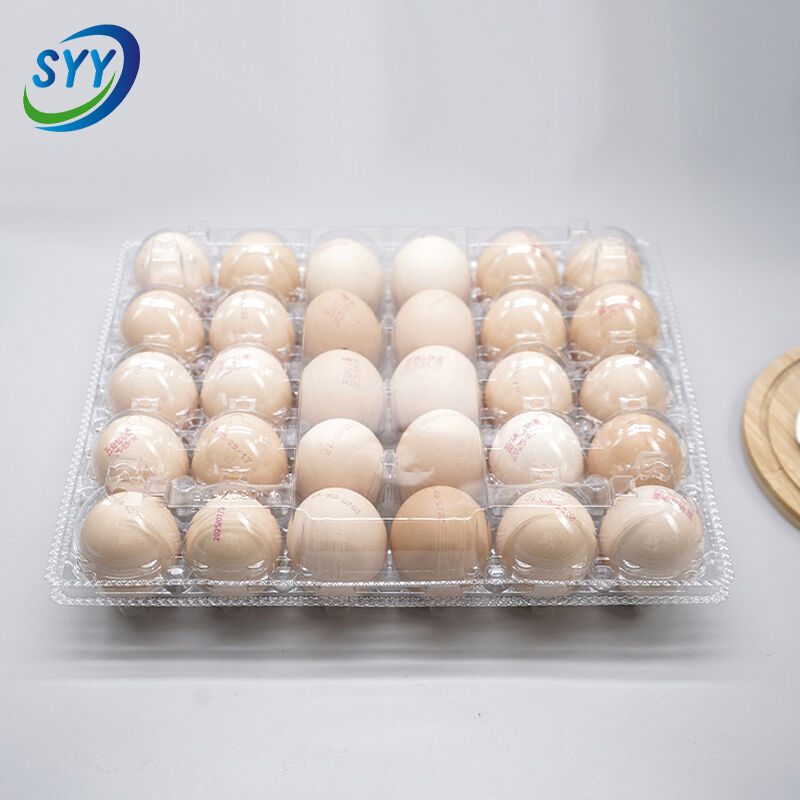
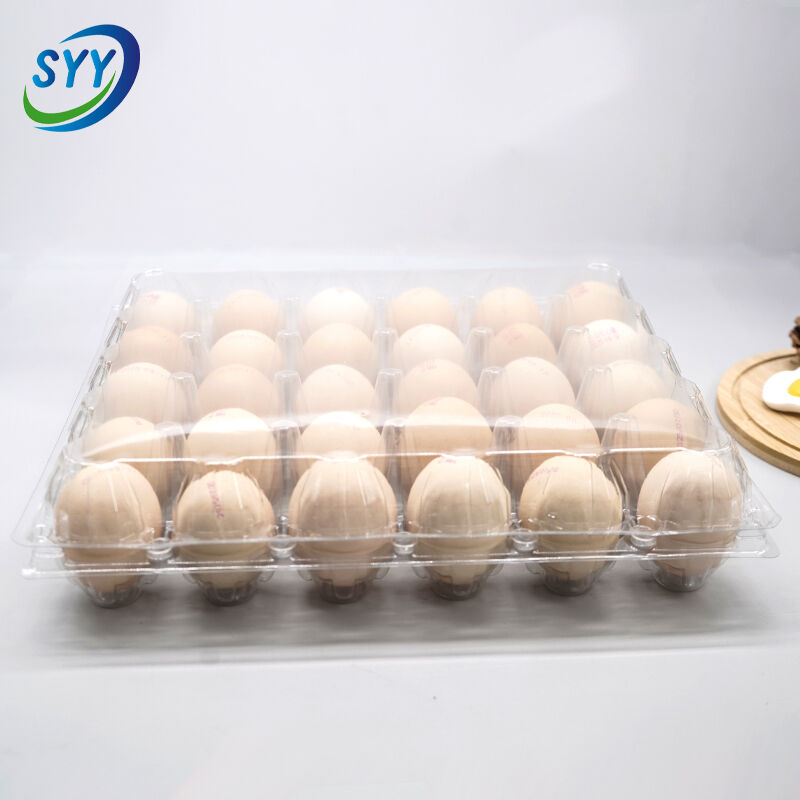
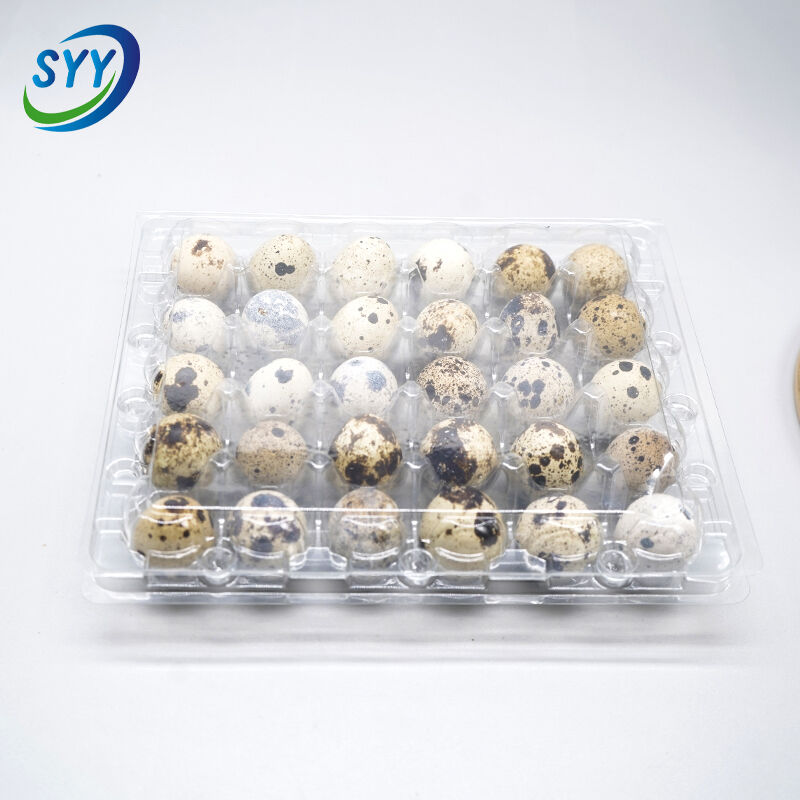
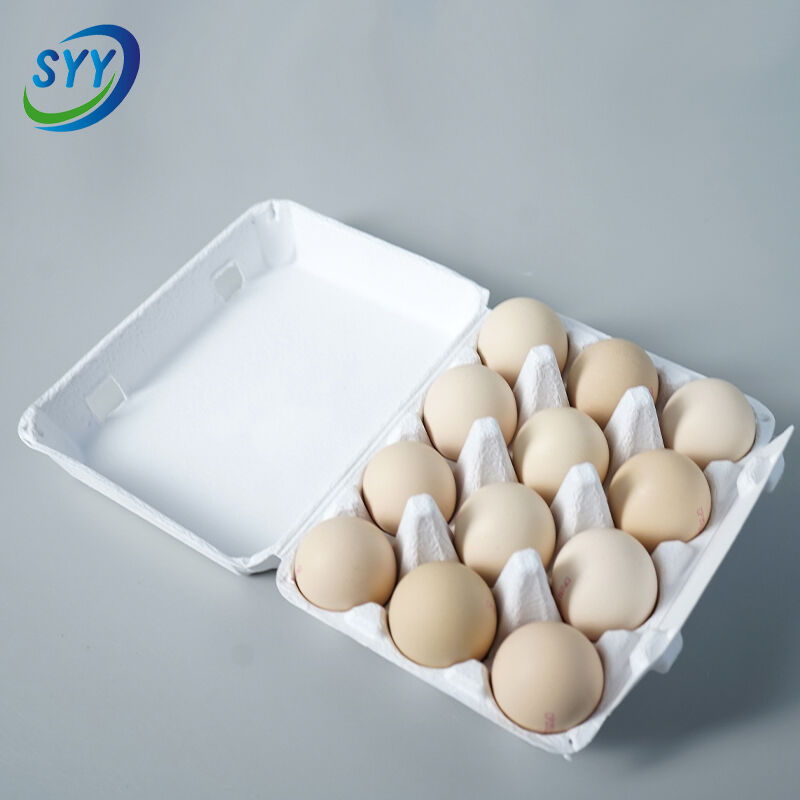
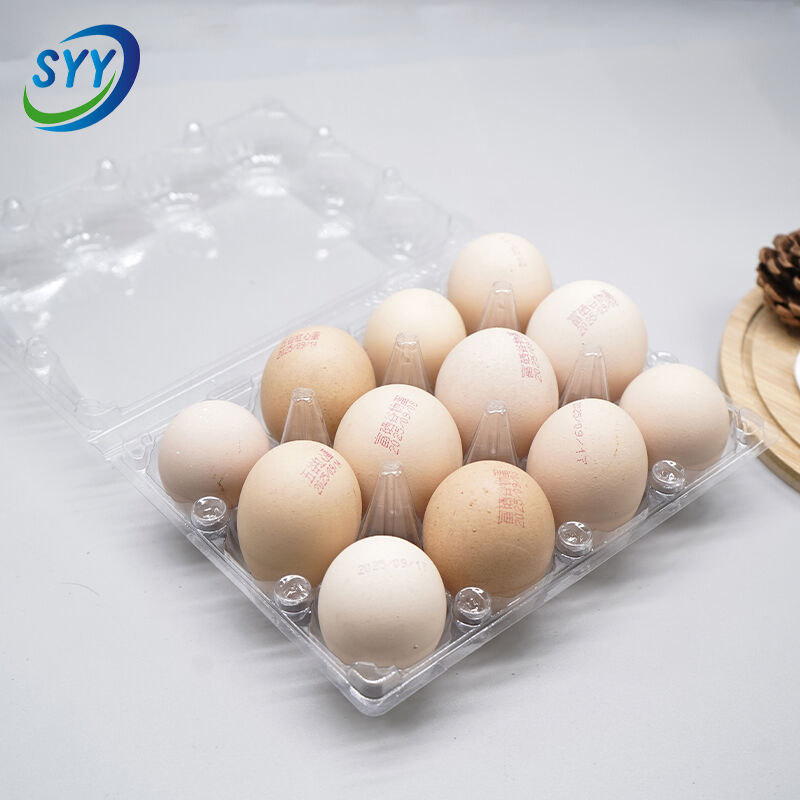
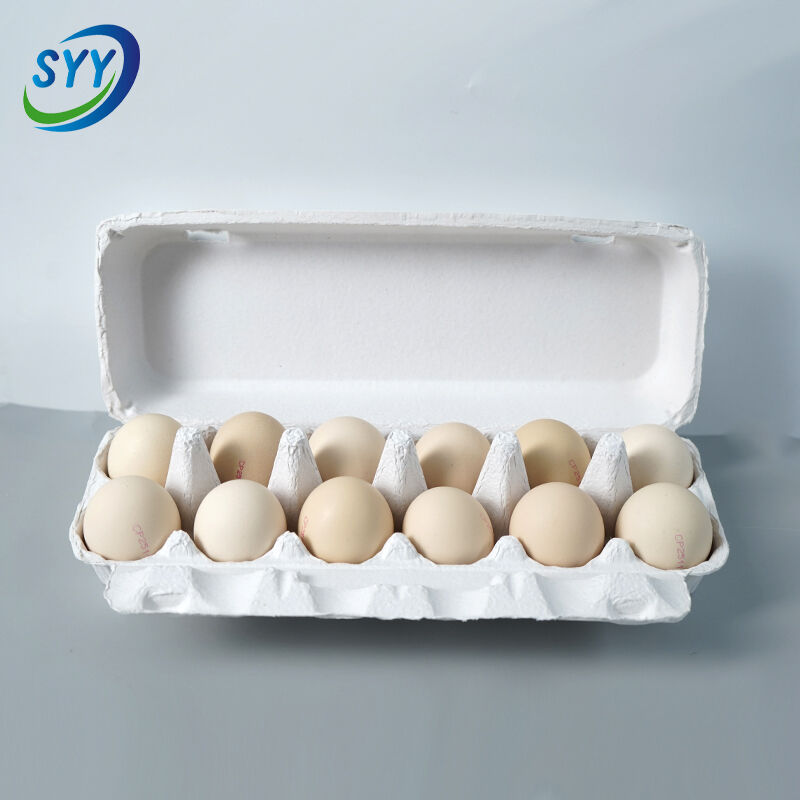
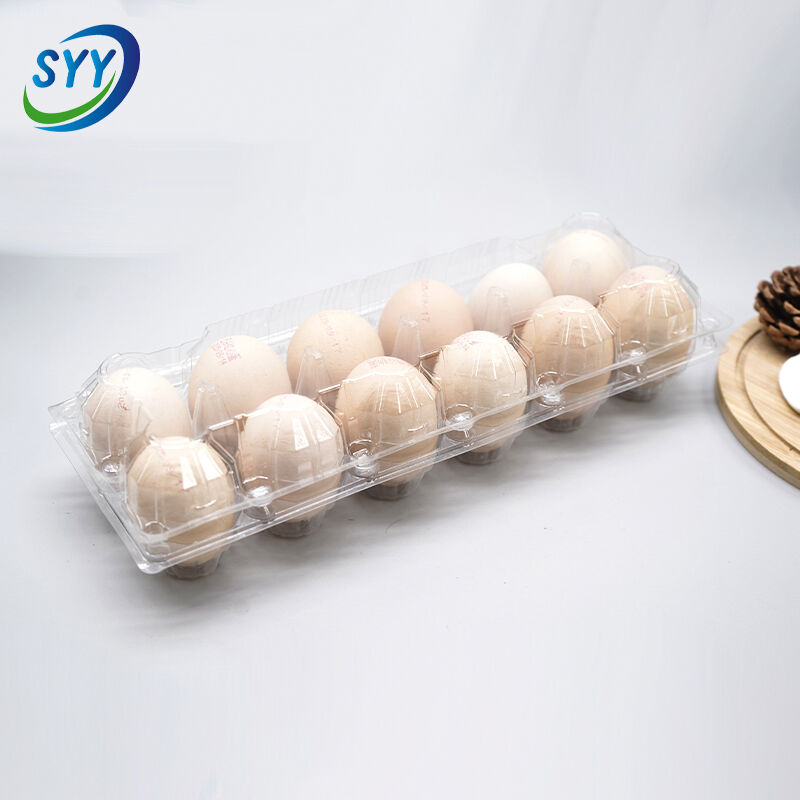
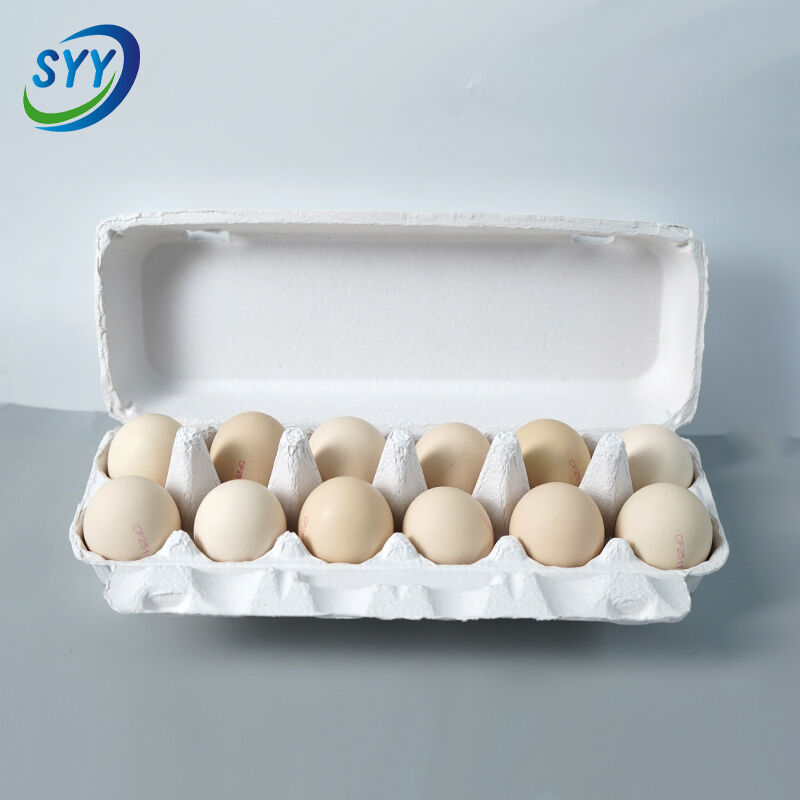
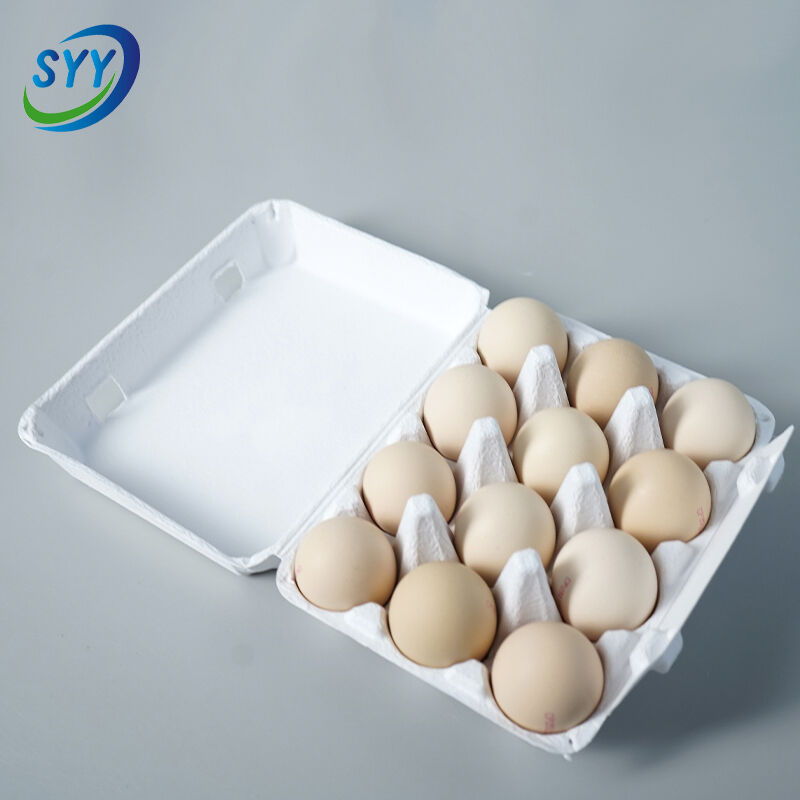
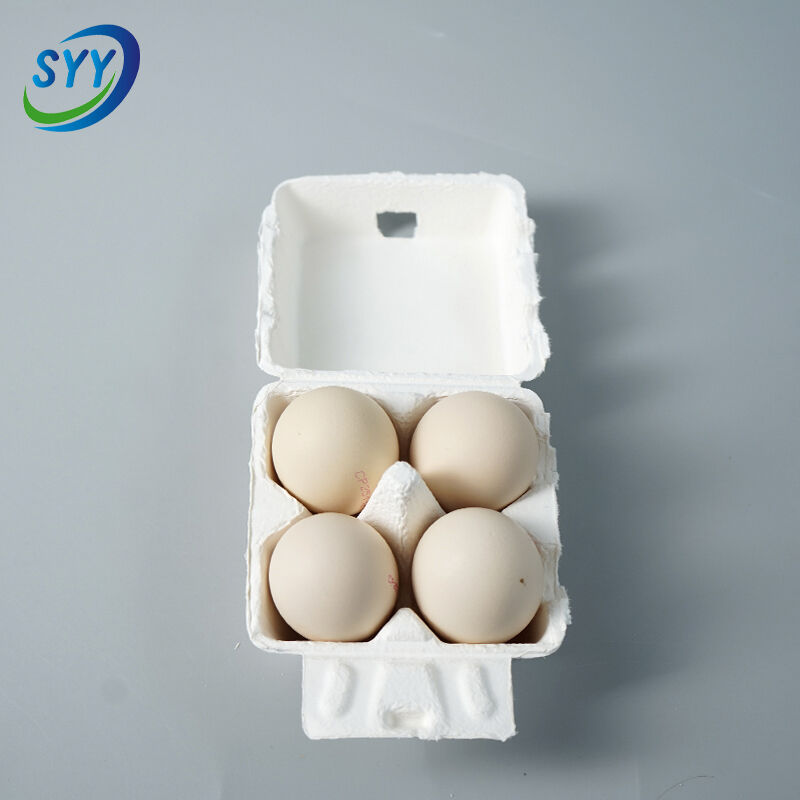
Molded Pulp Egg Crate - Sustainable Protective Packaging for Safe Egg Transportation

Get a Free Quote

We usually reply within 12 hours.
Email
Country/Region
Product Type
Please select your products type
Estimated Order Quantity
Hole Count
Please select your hole count
Packing System
Please select your packing system
Target Delivery Time
Color
Please select your color
Attachment
Please upload at least an attachment
Up to 3 files, each no larger than 30MB. Supported formats: jpg, jpeg, png, pdf, doc, docx, xls, xlsx, csv, txt, stp, step, igs, x_t, dxf, prt, sldprt, sat, rar, zip.
Message
0/1000

molded pulp egg crate

The molded pulp egg crate represents a revolutionary advancement in sustainable packaging technology, engineered specifically for the safe transport and storage of eggs across various industries. This innovative packaging solution is manufactured through a sophisticated molding process that transforms recycled paper fibers, cardboard waste, and other biodegradable materials into highly functional protective containers. The molded pulp egg crate features a unique cellular structure that provides individual compartments for each egg, ensuring maximum protection against impact, vibration, and external pressure during transportation and handling. The technological foundation of this packaging system relies on advanced fiber molding techniques that create precise cavity dimensions tailored to accommodate different egg sizes, from standard chicken eggs to larger duck or goose varieties. The manufacturing process involves pulping recycled materials, forming them into specific molds under controlled pressure and temperature conditions, then drying the formed products to achieve optimal strength and durability. These containers demonstrate remarkable structural integrity while maintaining lightweight characteristics that reduce shipping costs and environmental impact. The molded pulp egg crate incorporates ventilation channels and moisture-wicking properties that help maintain optimal storage conditions for fresh eggs, preventing condensation buildup and extending shelf life. The surface texture is designed to provide secure grip while remaining gentle enough to prevent shell damage during loading and unloading operations. Applications for the molded pulp egg crate span across commercial egg production facilities, retail distribution networks, food service operations, and consumer markets, where reliable protection and sustainable packaging solutions are essential requirements for maintaining product quality and meeting environmental responsibility standards.

New Product Recommendations

The molded pulp egg crate delivers exceptional value through its comprehensive range of practical benefits that directly address the critical needs of egg producers, distributors, and retailers. The primary advantage centers on superior protection capabilities, as the engineered fiber structure absorbs shock and distributes impact forces evenly across the entire container, significantly reducing breakage rates compared to traditional packaging methods. This enhanced protection translates into immediate cost savings by minimizing product loss and reducing insurance claims related to damaged merchandise during transit. Environmental sustainability stands as another compelling advantage, since the molded pulp egg crate is manufactured entirely from recycled materials and remains fully biodegradable at the end of its useful life. This eco-friendly composition helps businesses meet increasingly strict environmental regulations while appealing to environmentally conscious consumers who prioritize sustainable purchasing decisions. The lightweight design reduces transportation costs substantially, as shipping companies charge based on total weight, and the reduced material usage in each container contributes to lower per-unit packaging expenses. Storage efficiency represents a significant operational advantage, as these containers stack securely and compactly, maximizing warehouse space utilization and reducing storage facility overhead costs. The molded pulp egg crate demonstrates excellent moisture management properties, naturally wicking away excess humidity while allowing adequate air circulation to maintain optimal egg freshness throughout the distribution chain. Customization flexibility allows manufacturers to create specific configurations that accommodate various egg sizes, packaging quantities, and branding requirements, enabling businesses to differentiate their products in competitive markets. The manufacturing process produces containers with consistent quality standards, ensuring reliable performance across large production runs and eliminating the variability issues often associated with alternative packaging materials. Temperature resistance characteristics enable the molded pulp egg crate to maintain structural integrity across wide temperature ranges, from refrigerated storage environments to ambient shipping conditions, providing versatility for diverse distribution scenarios. The cost-effectiveness of this packaging solution becomes evident through reduced replacement needs, lower damage rates, and decreased handling time, creating measurable improvements in overall operational efficiency and profitability for businesses throughout the egg supply chain.

Practical Tips

Why Do Eggs Break During Shipping? Causes and Best Egg Packaging Solutions Explained

08

May

Why Do Eggs Break During Shipping? Causes and Best Egg Packaging Solutions Explained

Every year, millions of eggs are lost to breakage during transit — a costly problem that affects egg producers, distributors, and retailers alike. The fragility of eggs is not a new challenge, but as supply chains grow more complex and shipping...
View More
How to Reduce Egg Breakage During Transport: Best Egg Packaging Solutions for Poultry Farms

07

May

How to Reduce Egg Breakage During Transport: Best Egg Packaging Solutions for Poultry Farms

For poultry farms of every scale, egg breakage during transport represents one of the most persistent and costly operational challenges. Every cracked or shattered egg is not just a lost product — it is lost revenue, wasted labor, and a potenti...
View More
What to Look for in Egg Packaging Manufacturers: Quality, Cost, and Customization Guide

12

May

What to Look for in Egg Packaging Manufacturers: Quality, Cost, and Customization Guide

Choosing the right egg packaging manufacturer is one of the most consequential decisions a poultry producer, retailer, or food distribution business can make. The packaging that holds your eggs does far more than contain a product — it communicates b...
View More
Best Egg Packaging Solutions for Supermarkets: Clear PET Egg Cartons for Retail Display

13

May

Best Egg Packaging Solutions for Supermarkets: Clear PET Egg Cartons for Retail Display

In the competitive world of retail grocery, the way eggs are packaged and displayed can significantly influence purchasing decisions. Supermarkets today face mounting pressure to balance product visibility, structural protection, and shelf appeal — a...
View More

Get a Free Quote

We usually reply within 12 hours.
Email
Country/Region
Product Type
Please select your products type
Estimated Order Quantity
Hole Count
Please select your hole count
Packing System
Please select your packing system
Target Delivery Time
Color
Please select your color
Attachment
Please upload at least an attachment
Up to 3 files,more 30mb,suppor jpg、jpeg、png、pdf、doc、docx、xls、xlsx、csv、txt、stp、step、igs、x_t、dxf、prt、sldprt、sat、rar、zip
Message
0/1000

molded pulp egg crate

Revolutionary Shock Absorption Technology

Revolutionary Shock Absorption Technology

The molded pulp egg crate incorporates groundbreaking shock absorption technology that fundamentally transforms egg protection during transportation and storage operations. This advanced engineering achievement utilizes a specialized fiber matrix structure that distributes impact forces across multiple contact points, dramatically reducing the concentrated stress that typically causes egg shell fractures in conventional packaging systems. The cellular design creates a network of energy-dissipating chambers that work in harmony to absorb vibrations, sudden stops, and handling impacts that commonly occur during loading, shipping, and unloading processes. Each individual egg compartment is precisely engineered with curved surfaces that cradle eggs naturally, eliminating sharp edges or pressure points that could compromise shell integrity. The material composition combines long and short fiber elements in optimal proportions to achieve the perfect balance between cushioning softness and structural rigidity, ensuring that protection remains consistent throughout extended storage periods and multiple handling cycles. This shock absorption capability extends beyond simple cushioning, incorporating dynamic response characteristics that adapt to different types of mechanical stress, whether from gentle handling or more aggressive transportation conditions. The technology demonstrates measurable performance improvements, with independent testing showing breakage rate reductions of up to seventy-five percent compared to traditional egg packaging alternatives. The engineering precision extends to the molecular level, where fiber bonding techniques create microscopic air pockets that enhance the energy absorption capacity without adding unnecessary weight or bulk to the overall package design. This revolutionary approach to protective packaging represents years of research and development focused on understanding the specific mechanical forces that threaten egg integrity during commercial distribution processes, resulting in a solution that addresses these challenges with unprecedented effectiveness and reliability.
Complete Environmental Sustainability

Complete Environmental Sustainability

The molded pulp egg crate stands as a pinnacle achievement in environmental sustainability, representing a comprehensive solution that addresses the growing global demand for eco-responsible packaging alternatives. This remarkable packaging innovation is manufactured exclusively from post-consumer recycled materials, including newspapers, cardboard, and other paper-based waste products that would otherwise contribute to landfill accumulation or require energy-intensive recycling processes. The manufacturing methodology itself demonstrates environmental consciousness through water-based production techniques that eliminate harmful chemical solvents, toxic adhesives, or synthetic binding agents commonly found in alternative packaging materials. The complete biodegradability of the molded pulp egg crate ensures that disposal creates zero long-term environmental impact, as the material naturally decomposes into harmless organic compounds that actually enrich soil composition rather than creating persistent waste streams. Carbon footprint analysis reveals significant advantages over plastic alternatives, with manufacturing processes requiring substantially less energy input and producing minimal greenhouse gas emissions throughout the entire production cycle. The renewable nature of the raw materials means that continued production does not deplete finite natural resources or require environmentally destructive extraction processes that damage ecosystems or wildlife habitats. Water usage during manufacturing is optimized through closed-loop systems that recycle and purify process water, minimizing consumption while preventing contamination of local water supplies. The molded pulp egg crate supports circular economy principles by creating demand for waste materials that generates economic value from previously discarded resources, encouraging expanded recycling programs and waste reduction initiatives in communities worldwide. Transportation environmental benefits emerge from the lightweight characteristics that reduce fuel consumption and vehicle emissions during distribution, multiplying the positive environmental impact across the entire supply chain. End-of-life disposal options include home composting, industrial composting facilities, or standard recycling streams, providing flexibility that accommodates various waste management infrastructure capabilities while maintaining complete environmental responsibility throughout the product lifecycle.
Superior Cost-Efficiency Performance

Superior Cost-Efficiency Performance

The molded pulp egg crate delivers exceptional cost-efficiency performance that creates substantial financial benefits across all levels of egg production, distribution, and retail operations. This comprehensive economic advantage begins with significantly reduced product loss rates, as the advanced protective design minimizes breakage during handling and transportation, directly translating into preserved inventory value and reduced replacement costs that can account for substantial savings over annual production cycles. Manufacturing costs remain competitive due to the abundant availability and low cost of recycled raw materials, combined with efficient production processes that require minimal energy input and generate little waste, creating a favorable cost structure that benefits both manufacturers and end users. Storage and warehouse efficiency improvements result from the optimized stacking design that maximizes space utilization, reducing facility rental costs and enabling more efficient inventory management practices that lower overall operational expenses. Transportation cost reductions emerge from the lightweight construction that decreases shipping weights, enabling companies to transport more products per load while reducing fuel expenses and freight charges that accumulate significantly across large distribution networks. Labor cost benefits become apparent through improved handling characteristics that reduce loading and unloading time, decrease worker fatigue, and minimize the risk of workplace injuries associated with heavy or awkward packaging materials. The durability and reusability potential of the molded pulp egg crate extends its effective lifespan beyond single-use applications, allowing businesses to amortize packaging costs across multiple uses and further improve return on investment calculations. Quality consistency reduces the hidden costs associated with customer complaints, returns, and reputation damage that result from broken eggs reaching consumers, protecting brand value and market position while maintaining customer loyalty and satisfaction levels. Insurance cost reductions may be achievable due to lower damage rates and improved product protection, as insurance companies often offer premium discounts for businesses that demonstrate superior packaging and handling practices. The scalability of production processes ensures that cost advantages improve with volume, making the molded pulp egg crate increasingly attractive for large-scale operations while remaining accessible and beneficial for smaller producers seeking competitive packaging solutions that support business growth and profitability objectives.

Get a Free Quote

We usually reply within 12 hours.
Email
Country/Region
Product Type
Please select your products type
Estimated Order Quantity
Hole Count
Please select your hole count
Packing System
Please select your packing system
Target Delivery Time
Color
Please select your color
Attachment
Please upload at least an attachment
Up to 3 files, each no larger than 30MB. Supported formats: jpg, jpeg, png, pdf, doc, docx, xls, xlsx, csv, txt, stp, step, igs, x_t, dxf, prt, sldprt, sat, rar, zip.
Message
0/1000