Professional Egg Tray Molds - Advanced Manufacturing Solutions for Sustainable Packaging Production

Get a Free Quote

We usually reply within 12 hours.
Email
Country/Region
Product Type
Please select your products type
Estimated Order Quantity
Hole Count
Please select your hole count
Packing System
Please select your packing system
Target Delivery Time
Color
Please select your color
Attachment
Please upload at least an attachment
Up to 3 files, each no larger than 30MB. Supported formats: jpg, jpeg, png, pdf, doc, docx, xls, xlsx, csv, txt, stp, step, igs, x_t, dxf, prt, sldprt, sat, rar, zip.
Message
0/1000

egg tray mold

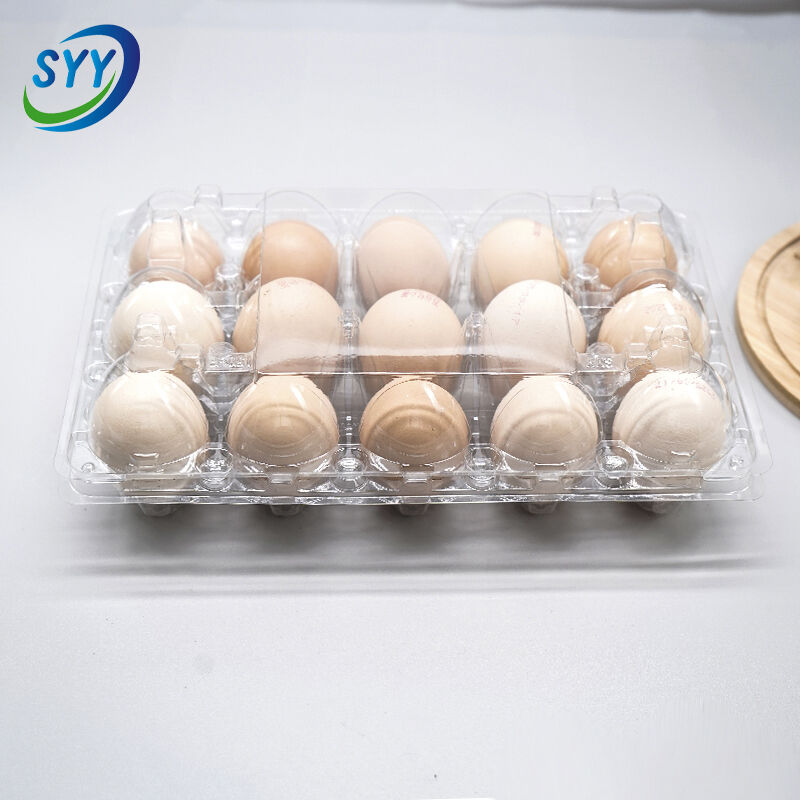
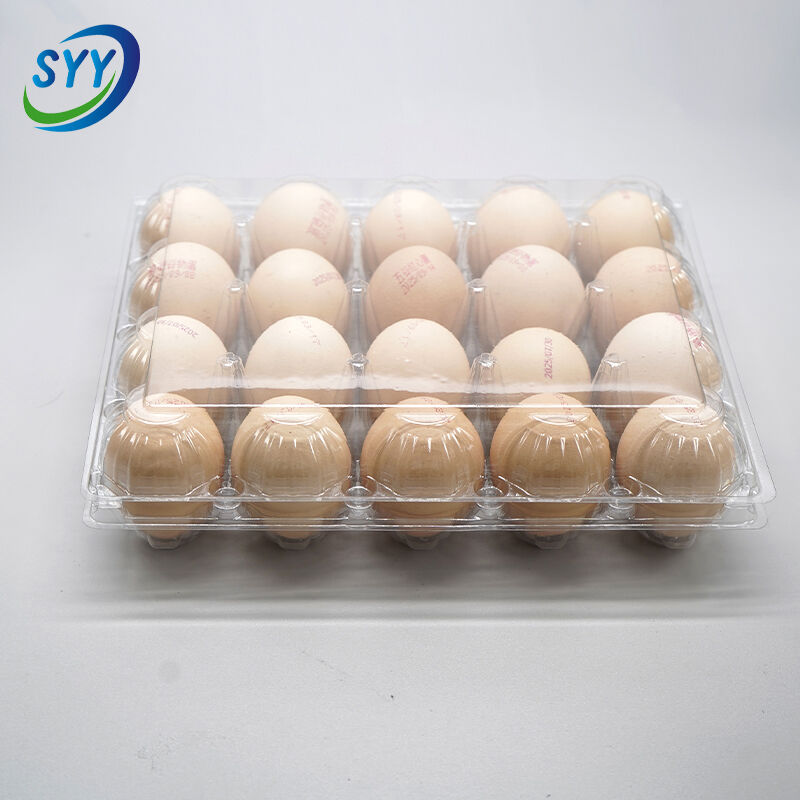
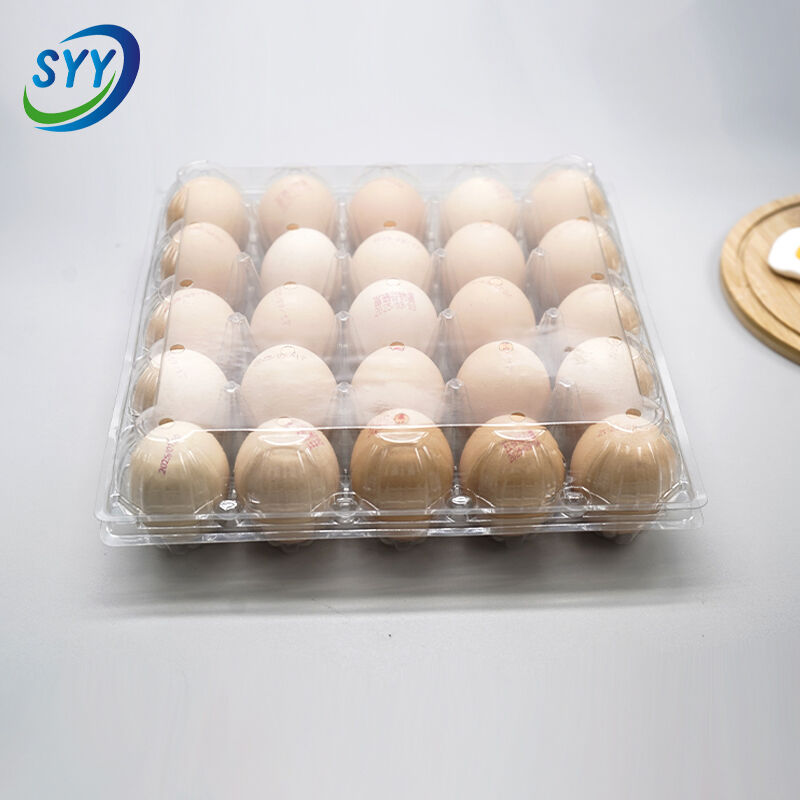
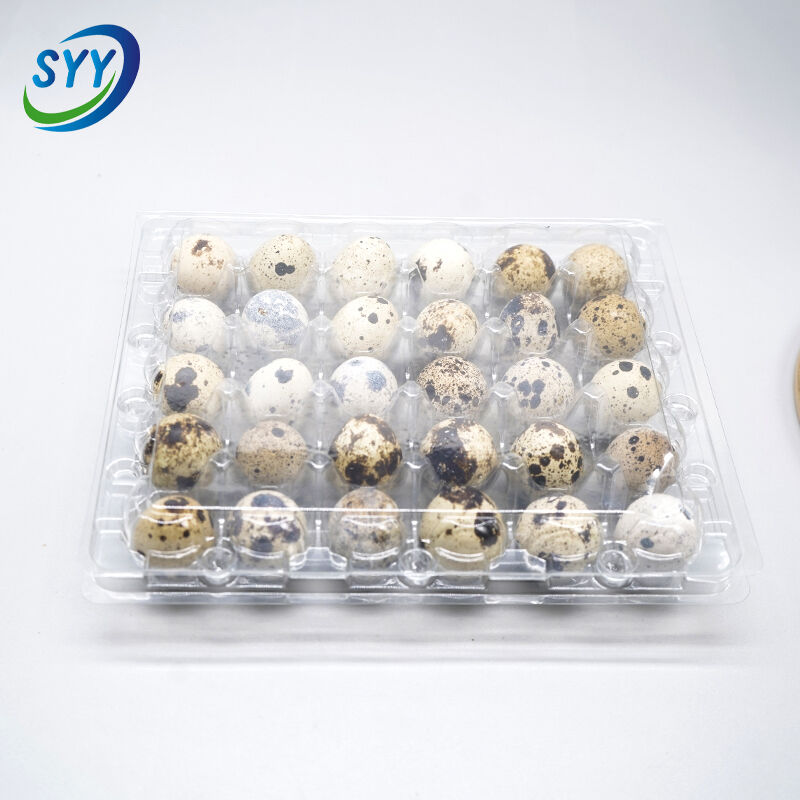
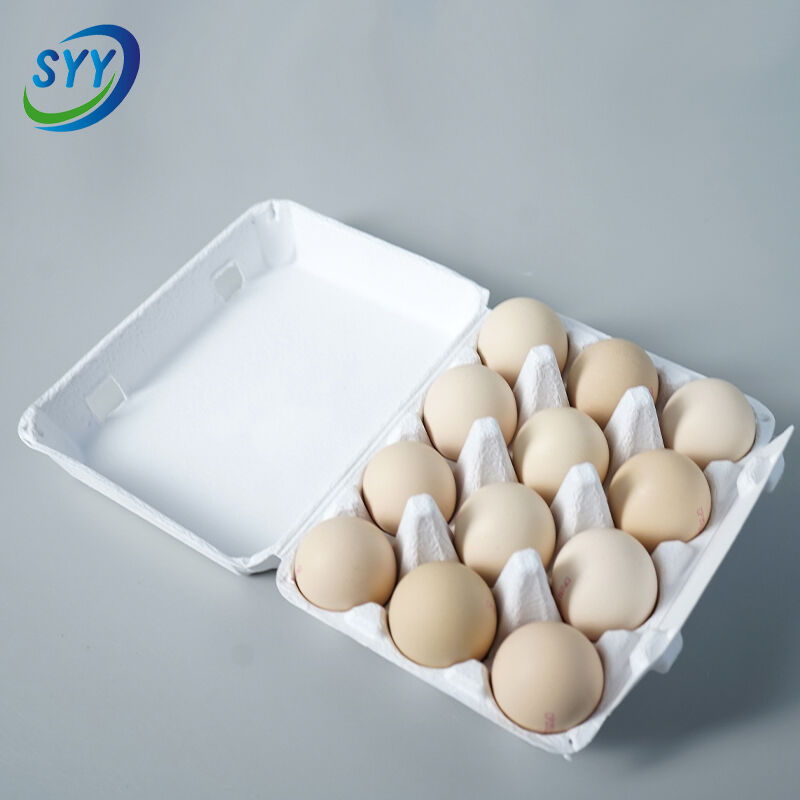
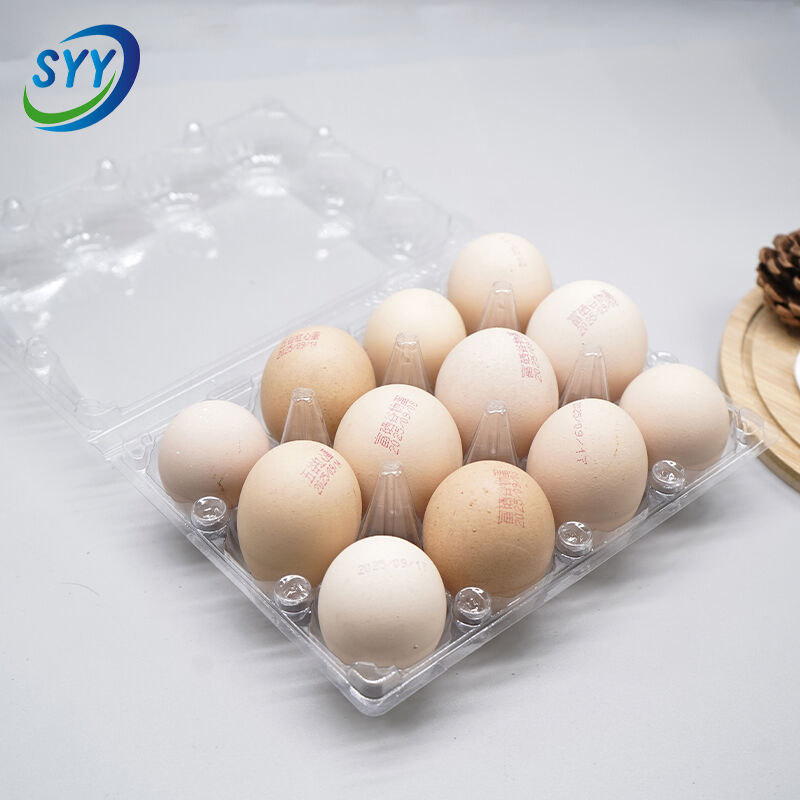
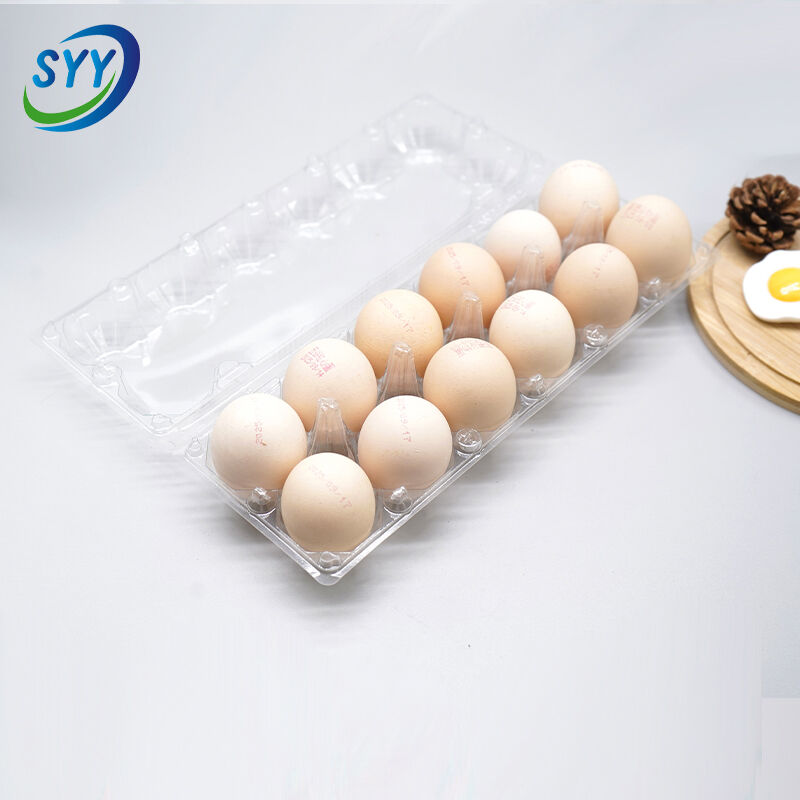
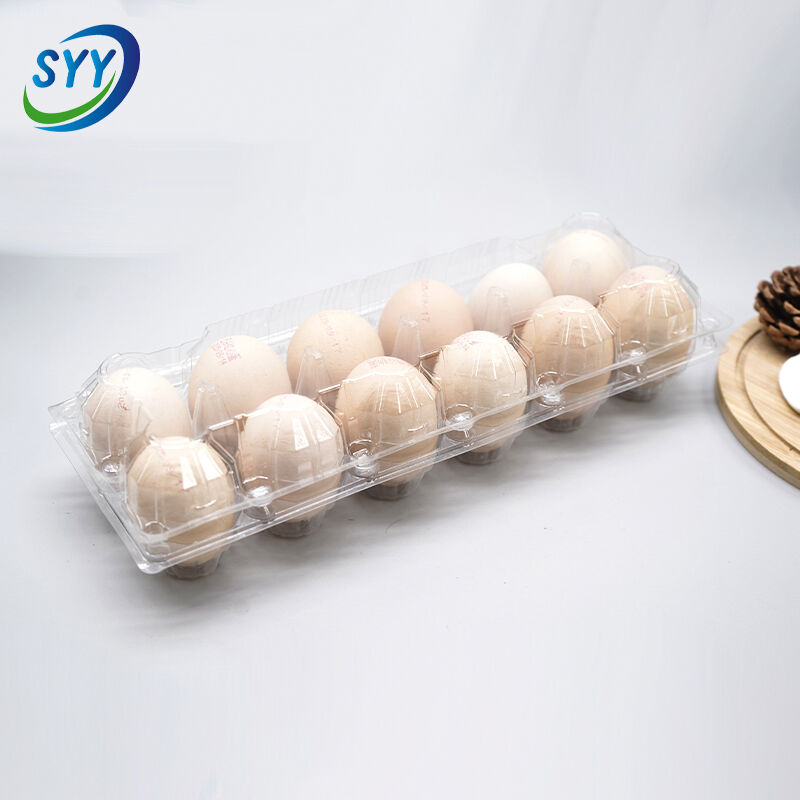
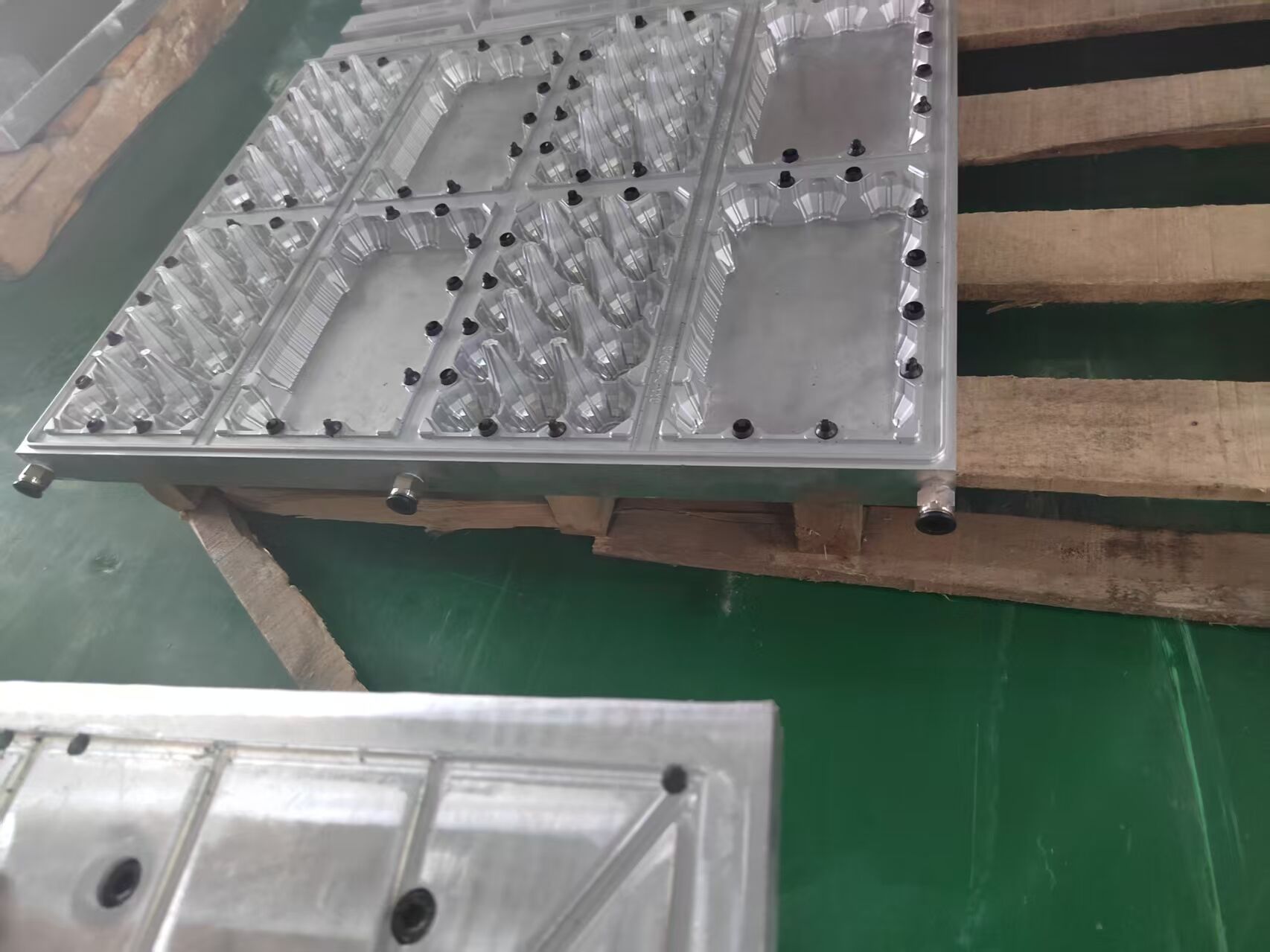
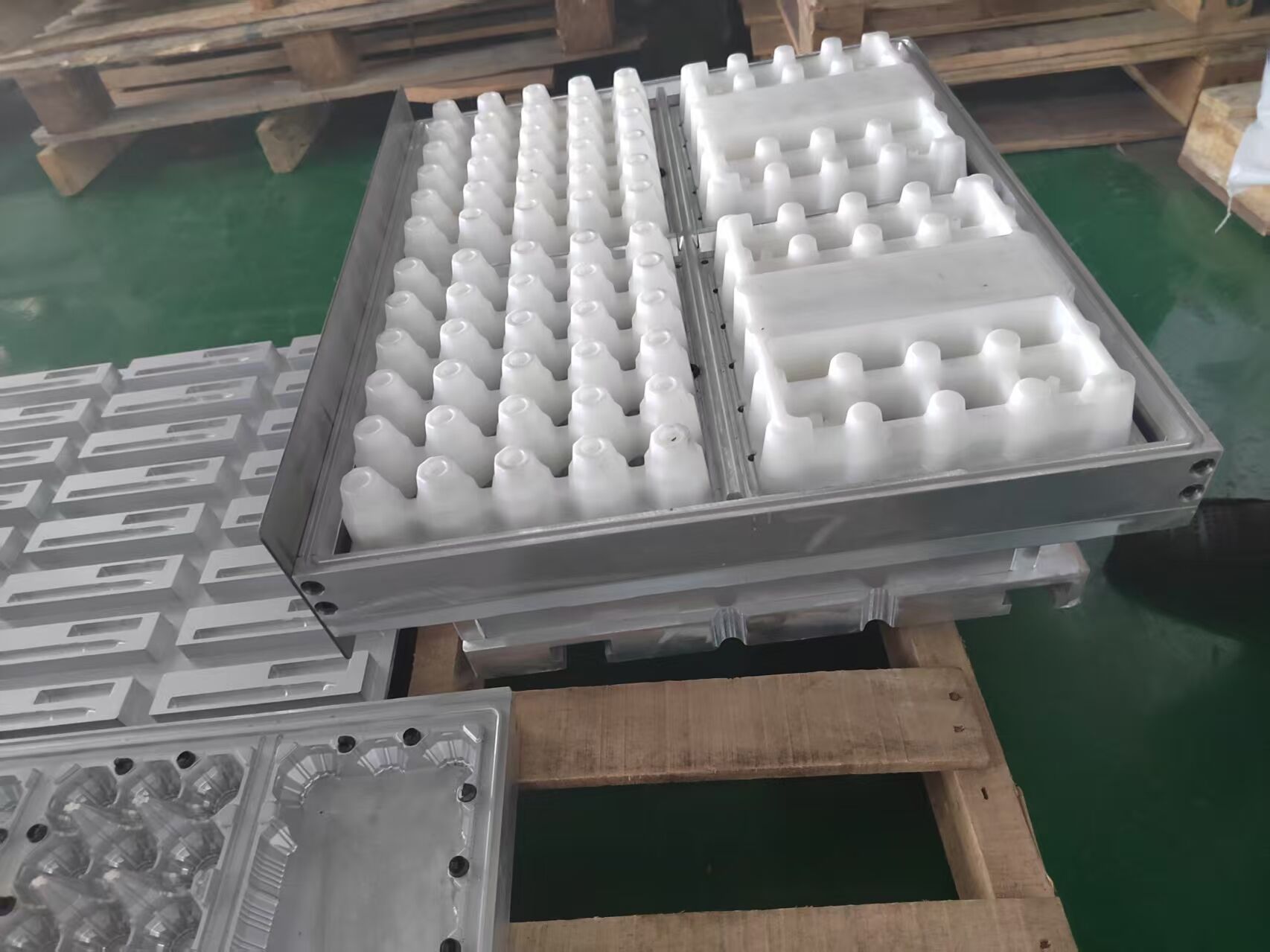
The egg tray mold represents a sophisticated manufacturing solution designed specifically for producing protective packaging materials for eggs in commercial and industrial settings. This precision-engineered tool serves as the cornerstone of modern egg packaging production, enabling manufacturers to create consistent, reliable protective trays that safeguard fragile eggs during transportation and storage. The egg tray mold operates through advanced pulp molding technology, transforming recycled paper materials into durable, eco-friendly packaging solutions. Manufacturing facilities utilize these specialized molds to produce thousands of egg trays daily, meeting the growing demand from poultry farms, grocery chains, and food distribution networks worldwide. The technological foundation of the egg tray mold relies on hydraulic forming systems that compress wet pulp fibers into precise shapes, creating uniform cavities that perfectly accommodate standard egg sizes. Temperature control mechanisms within the mold ensure optimal curing conditions, while drainage systems efficiently remove excess moisture during the forming process. Modern egg tray molds incorporate automated feeding systems that streamline raw material input, significantly reducing manual labor requirements and increasing production efficiency. The versatility of these molds extends beyond traditional egg packaging, as manufacturers can adapt designs to accommodate various egg sizes, from quail eggs to large chicken eggs, providing flexibility for diverse market requirements. Quality control features integrated into contemporary egg tray molds include pressure monitoring systems that ensure consistent wall thickness and structural integrity across all produced trays. The industrial applications of egg tray molds span multiple sectors, including commercial poultry operations, retail packaging facilities, and sustainable packaging manufacturers who prioritize environmental responsibility while maintaining product protection standards.

New Product Recommendations

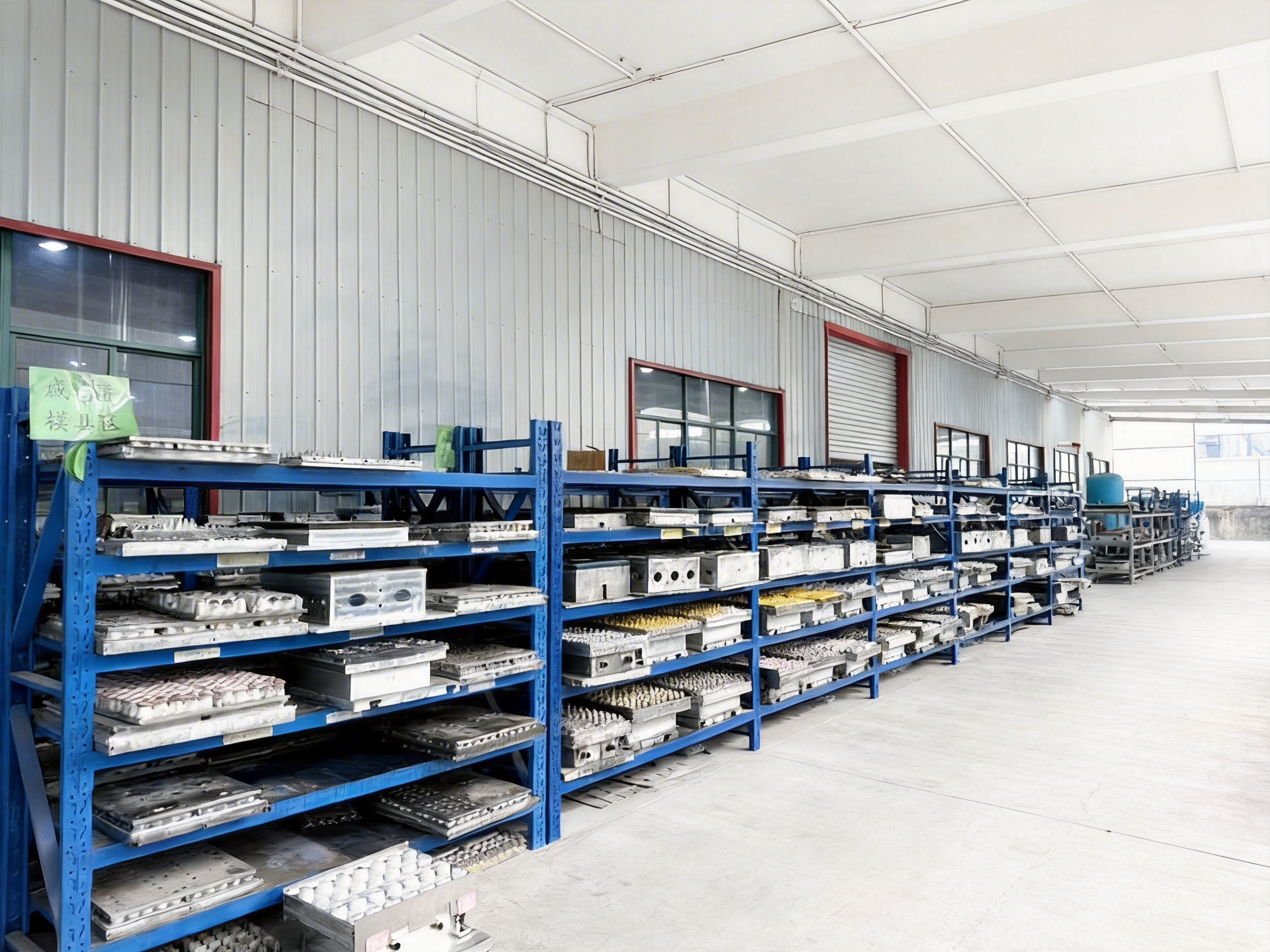
The egg tray mold delivers exceptional cost-effectiveness that directly impacts your bottom line by reducing material waste and streamlining production processes. Manufacturing facilities experience significant savings through optimized raw material usage, as the mold precisely controls pulp distribution to eliminate excess material consumption while maintaining structural integrity. The automated nature of modern egg tray molds reduces labor costs substantially, requiring minimal operator intervention during standard production cycles and freeing skilled workers for higher-value tasks. Energy efficiency stands out as another major advantage, with contemporary designs incorporating heat recovery systems that reduce overall power consumption while maintaining optimal operating temperatures. The durability of professional-grade egg tray molds ensures long-term operational reliability, with high-quality steel construction resisting wear and corrosion even under continuous industrial use. This longevity translates to reduced replacement costs and minimized production downtime, protecting your investment over extended periods. Production speed capabilities of advanced egg tray molds enable manufacturers to meet increasing market demands while maintaining consistent quality standards. Fast cycle times, typically ranging from seconds to minutes depending on tray complexity, allow facilities to produce thousands of units per hour, maximizing throughput and revenue potential. The versatility of modular egg tray mold systems provides manufacturers with flexibility to adapt production for different egg sizes and packaging configurations without requiring complete equipment replacement. Environmental benefits associated with egg tray molds align with growing sustainability requirements, as they enable production of biodegradable packaging from recycled paper materials, reducing environmental impact while meeting eco-conscious consumer demands. Quality consistency achieved through precision-engineered egg tray molds ensures uniform product dimensions and structural properties, reducing customer complaints and maintaining brand reputation. The user-friendly design of modern systems minimizes training requirements for operators, reducing onboarding costs and enabling faster integration into existing production workflows. Maintenance requirements remain minimal due to robust construction and accessible component design, further reducing operational costs while ensuring reliable performance.

Tips And Tricks

Why Do Eggs Break During Shipping? Causes and Best Egg Packaging Solutions Explained

08

May

Why Do Eggs Break During Shipping? Causes and Best Egg Packaging Solutions Explained

Every year, millions of eggs are lost to breakage during transit — a costly problem that affects egg producers, distributors, and retailers alike. The fragility of eggs is not a new challenge, but as supply chains grow more complex and shipping...
View More
How to Reduce Egg Breakage During Transport: Best Egg Packaging Solutions for Poultry Farms

07

May

How to Reduce Egg Breakage During Transport: Best Egg Packaging Solutions for Poultry Farms

For poultry farms of every scale, egg breakage during transport represents one of the most persistent and costly operational challenges. Every cracked or shattered egg is not just a lost product — it is lost revenue, wasted labor, and a potenti...
View More
How to Choose the Right Egg Tray Supplier: Key Factors for Reliable Egg Packaging Manufacturers

11

May

How to Choose the Right Egg Tray Supplier: Key Factors for Reliable Egg Packaging Manufacturers

Finding the right egg tray supplier is one of the most consequential procurement decisions a poultry farm, food distributor, or retail chain can make. The quality of your egg packaging directly impacts product integrity during transit, shelf presenta...
View More
Best Egg Packaging Solutions for Supermarkets: Clear PET Egg Cartons for Retail Display

13

May

Best Egg Packaging Solutions for Supermarkets: Clear PET Egg Cartons for Retail Display

In the competitive world of retail grocery, the way eggs are packaged and displayed can significantly influence purchasing decisions. Supermarkets today face mounting pressure to balance product visibility, structural protection, and shelf appeal — a...
View More

Get a Free Quote

We usually reply within 12 hours.
Email
Country/Region
Product Type
Please select your products type
Estimated Order Quantity
Hole Count
Please select your hole count
Packing System
Please select your packing system
Target Delivery Time
Color
Please select your color
Attachment
Please upload at least an attachment
Up to 3 files,more 30mb,suppor jpg、jpeg、png、pdf、doc、docx、xls、xlsx、csv、txt、stp、step、igs、x_t、dxf、prt、sldprt、sat、rar、zip
Message
0/1000

egg tray mold

Advanced Precision Engineering for Superior Product Quality

Advanced Precision Engineering for Superior Product Quality

The precision engineering aspect of modern egg tray molds represents a revolutionary approach to packaging production that sets new industry standards for quality and consistency. Every component within the egg tray mold system undergoes meticulous design optimization to ensure perfect dimensional accuracy and structural integrity in the final product. The mold cavity geometry incorporates advanced mathematical modeling that accounts for material shrinkage, thermal expansion, and moisture content variations to deliver consistently perfect egg compartments. Sophisticated surface finishing techniques applied to the mold interior create smooth, uniform textures that prevent pulp adhesion while ensuring easy product release and extended mold life. The precision-machined steel construction provides exceptional dimensional stability under varying temperature and pressure conditions, maintaining tight tolerances that guarantee uniform wall thickness across all produced trays. Computer-aided design technology enables manufacturers to customize egg tray mold specifications for specific customer requirements while maintaining optimal structural performance. The integration of advanced materials science principles ensures that each mold component contributes to overall system performance, from heat distribution plates that provide uniform temperature control to drainage channels that optimize moisture removal. Quality control systems built into the mold design include pressure sensors and temperature monitoring devices that provide real-time feedback on production parameters, enabling immediate adjustments to maintain optimal product quality. The modular construction approach allows for easy component replacement and upgrade capabilities, ensuring that your egg tray mold system can adapt to evolving production requirements without complete system replacement. Professional-grade surface treatments applied to critical mold components provide enhanced corrosion resistance and reduce maintenance requirements, protecting your investment while ensuring consistent performance over extended operating periods. The precision engineering excellence of these systems translates directly into reduced waste rates, improved product consistency, and enhanced customer satisfaction through superior packaging quality.
Eco-Friendly Manufacturing Process with Maximum Sustainability

Eco-Friendly Manufacturing Process with Maximum Sustainability

The environmental sustainability features of egg tray molds position them as essential equipment for manufacturers committed to reducing their ecological footprint while maintaining competitive production capabilities. These innovative systems utilize recycled paper materials as primary raw materials, transforming waste newspapers, cardboard, and other paper products into valuable packaging solutions, thereby contributing to circular economy principles. The closed-loop water recycling systems integrated into modern egg tray mold operations minimize fresh water consumption while treating and reusing process water, significantly reducing environmental impact and operational costs. Energy-efficient heating systems incorporated into contemporary designs utilize waste heat recovery technology to minimize power consumption while maintaining optimal processing temperatures, resulting in reduced carbon emissions and lower utility costs. The biodegradable nature of products manufactured using egg tray molds aligns perfectly with growing environmental regulations and consumer preferences for sustainable packaging options. Unlike plastic alternatives that persist in landfills for decades, egg trays produced through these molds decompose naturally within months, returning valuable organic matter to soil systems. The manufacturing process itself generates minimal air emissions, as the water-based production method eliminates the need for harmful chemical solvents or toxic additives commonly associated with alternative packaging production methods. Waste reduction capabilities built into modern egg tray mold systems include automated material optimization features that minimize trim waste and maximize raw material utilization efficiency. The local sourcing potential for raw materials reduces transportation-related emissions while supporting regional recycling infrastructure and creating economic opportunities within local communities. Advanced filtration systems ensure that process water discharge meets or exceeds environmental standards, protecting local water resources while maintaining regulatory compliance. The long service life of professional-grade egg tray molds reduces the frequency of equipment replacement, minimizing manufacturing-related environmental impacts while providing excellent return on investment. These sustainable manufacturing capabilities enable companies to meet corporate social responsibility goals while accessing green certification programs and environmentally conscious market segments.
Automated Production Efficiency with Reduced Labor Requirements

Automated Production Efficiency with Reduced Labor Requirements

The automated production capabilities of modern egg tray molds revolutionize manufacturing efficiency by integrating sophisticated control systems that minimize manual intervention while maximizing output consistency and quality. Advanced programmable logic controllers coordinate all aspects of the production process, from raw material feeding to final product discharge, ensuring optimal timing and resource utilization throughout each production cycle. Automated material handling systems eliminate manual pulp preparation and feeding tasks, reducing labor requirements while improving workplace safety and production consistency. The intelligent control systems monitor multiple production parameters simultaneously, including temperature, pressure, moisture content, and cycle timing, automatically adjusting these variables to maintain optimal operating conditions without operator intervention. Robotic integration capabilities enable seamless connection with automated packaging and palletizing systems, creating fully integrated production lines that minimize handling costs and reduce product damage risks. Real-time production monitoring displays provide operators with comprehensive visibility into system performance, enabling proactive maintenance scheduling and immediate identification of optimization opportunities. The user-friendly interface design of modern egg tray mold control systems requires minimal training for operators, reducing onboarding costs while enabling existing staff to quickly master new equipment operation. Predictive maintenance features built into advanced systems analyze operating data to predict component wear and maintenance requirements, preventing unexpected downtime while optimizing maintenance schedules and costs. Automated quality control systems inspect each produced tray for dimensional accuracy and structural integrity, automatically rejecting defective products while maintaining detailed quality records for process improvement analysis. The scalability of automated egg tray mold systems allows manufacturers to increase production capacity by adding additional mold stations without proportionally increasing labor requirements, providing excellent growth potential. Remote monitoring capabilities enable facility managers to oversee multiple production lines from centralized control rooms, optimizing resource allocation while reducing supervision costs. Integration with enterprise resource planning systems provides real-time production data for inventory management, scheduling optimization, and customer delivery coordination, improving overall operational efficiency and customer satisfaction levels.

Get a Free Quote

We usually reply within 12 hours.
Email
Country/Region
Product Type
Please select your products type
Estimated Order Quantity
Hole Count
Please select your hole count
Packing System
Please select your packing system
Target Delivery Time
Color
Please select your color
Attachment
Please upload at least an attachment
Up to 3 files, each no larger than 30MB. Supported formats: jpg, jpeg, png, pdf, doc, docx, xls, xlsx, csv, txt, stp, step, igs, x_t, dxf, prt, sldprt, sat, rar, zip.
Message
0/1000