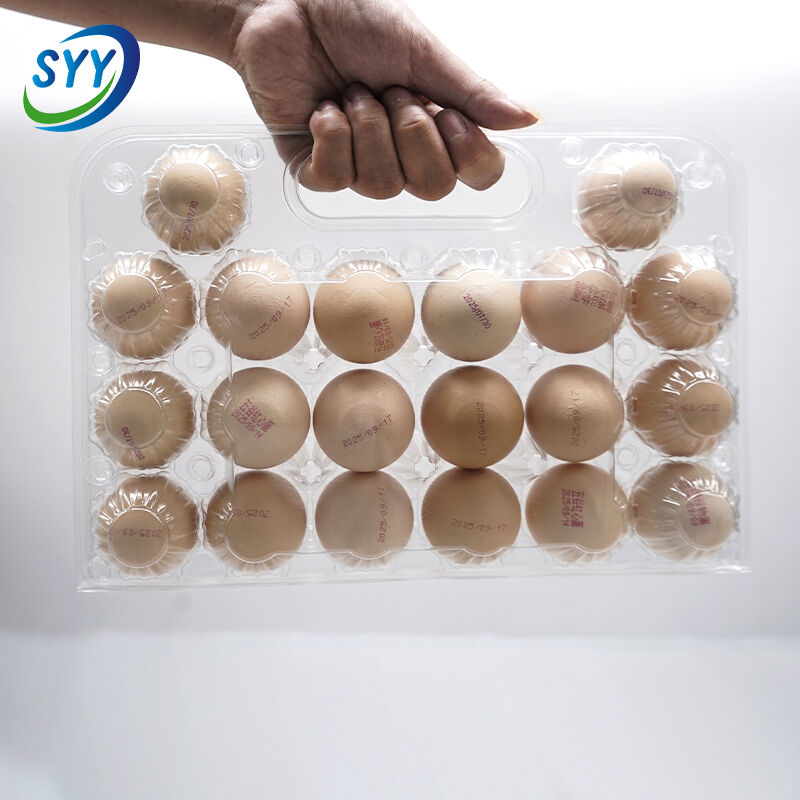
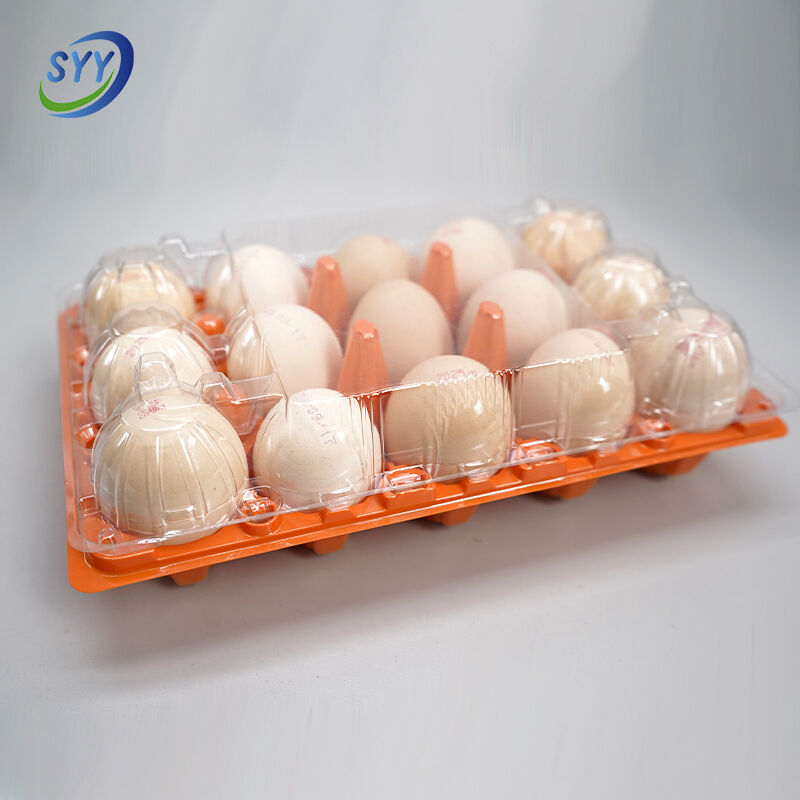
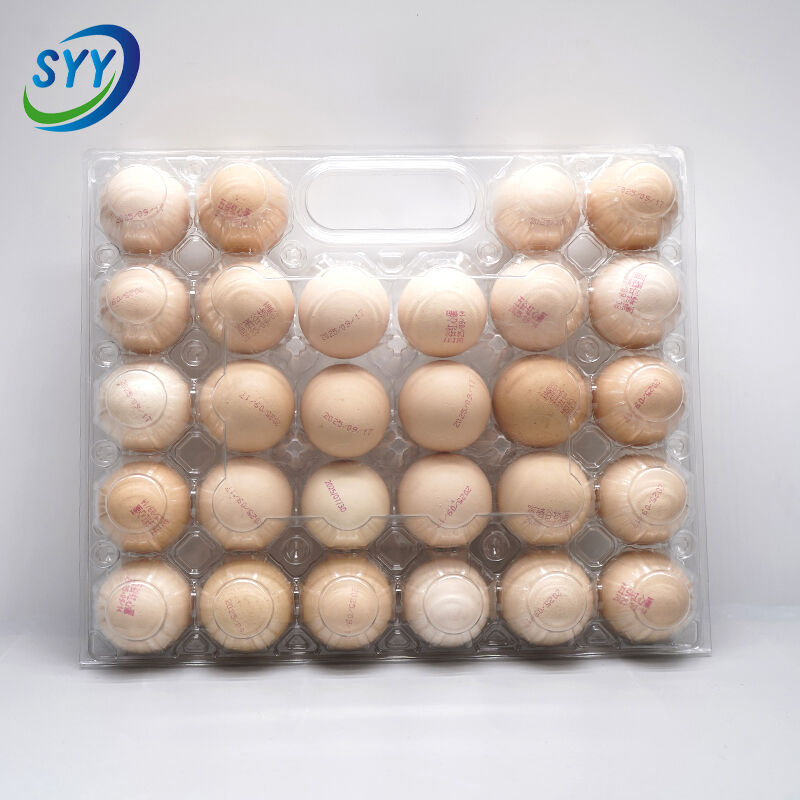
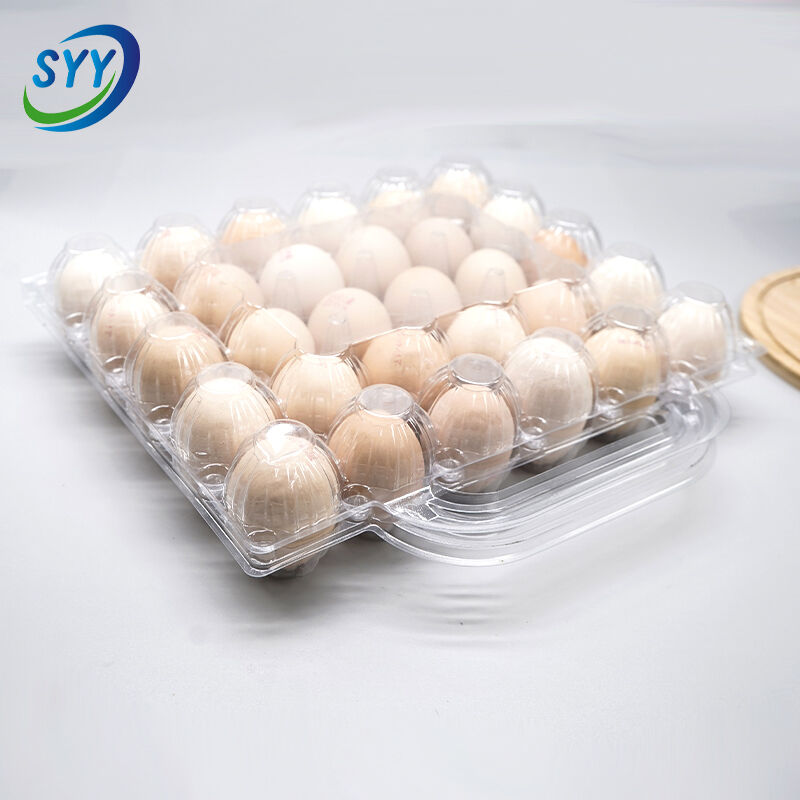
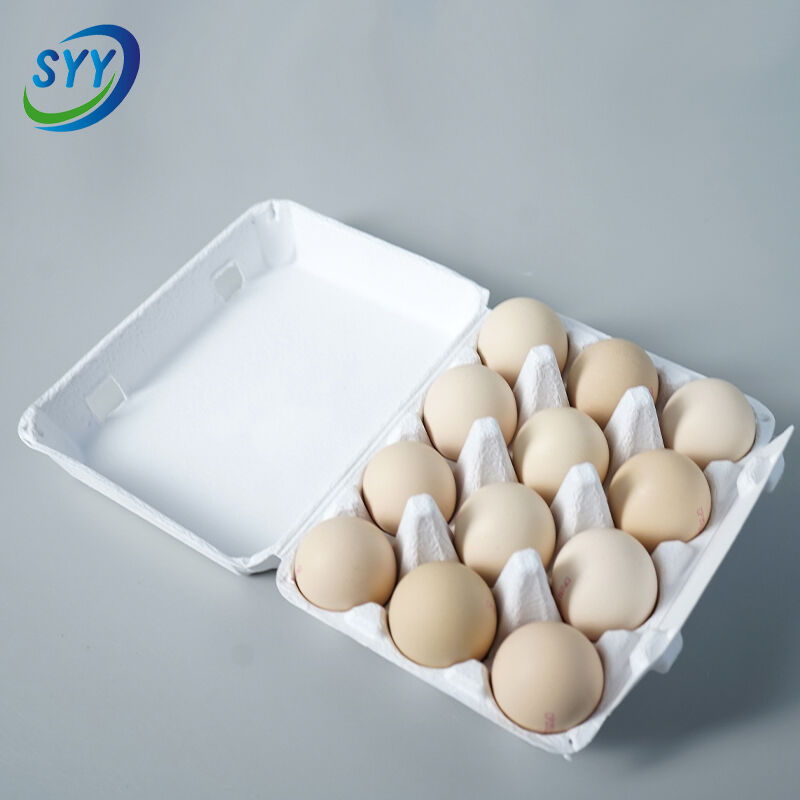
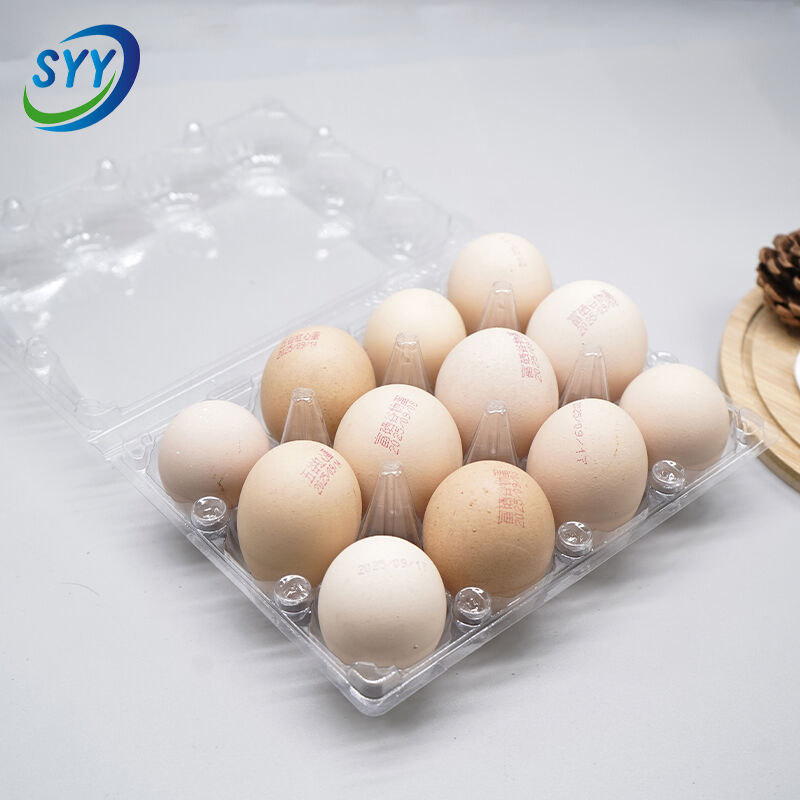
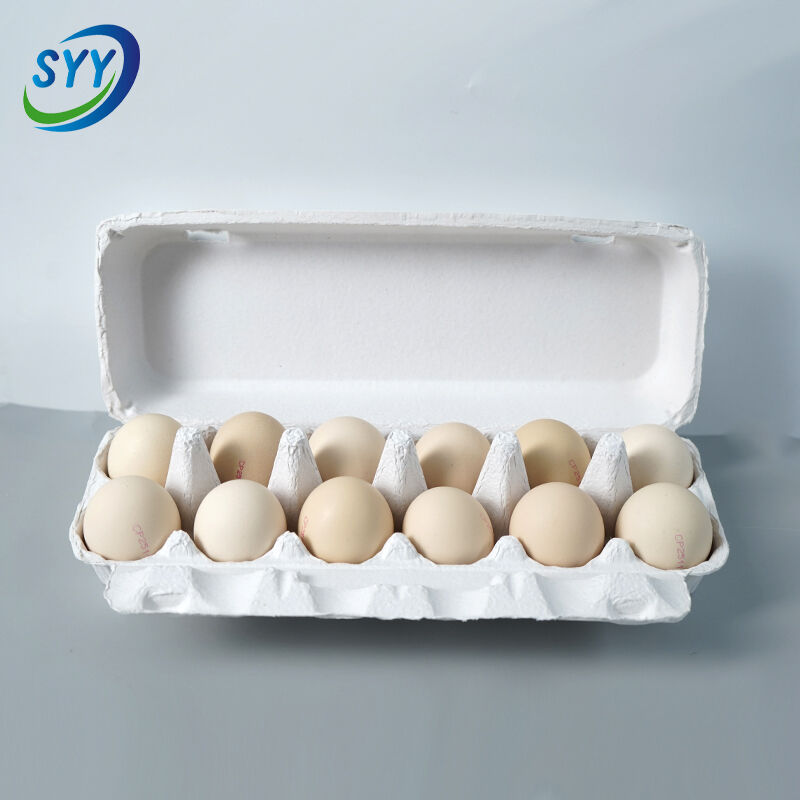
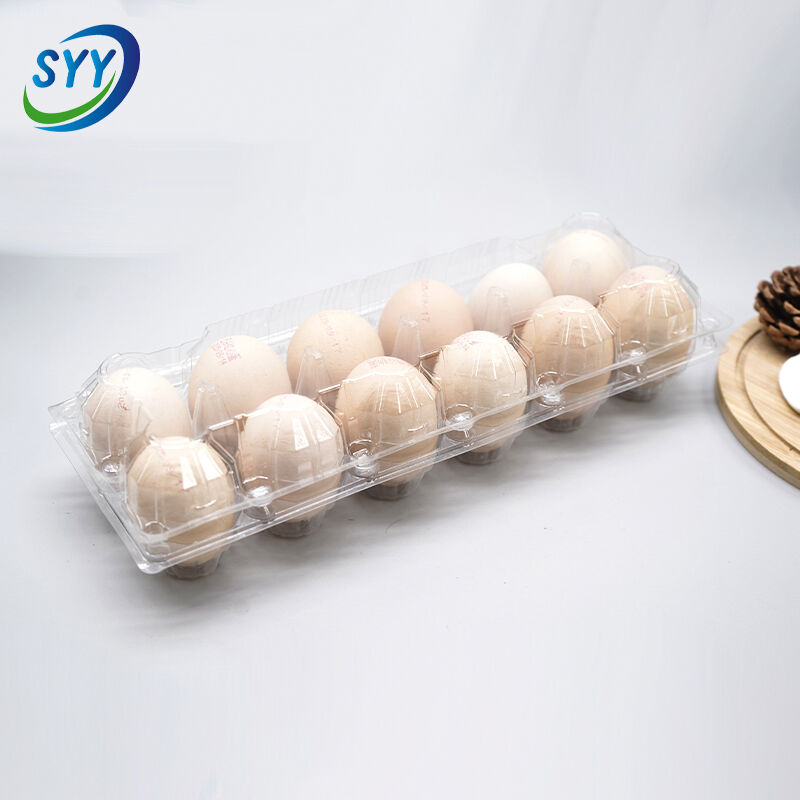
Molded Fiber Packaging Solutions: Sustainable, Cost-Effective, High-Performance Packaging

Get a Free Quote

We usually reply within 12 hours.
Email
Country/Region
Product Type
Please select your products type
Estimated Order Quantity
Hole Count
Please select your hole count
Packing System
Please select your packing system
Target Delivery Time
Color
Please select your color
Attachment
Please upload at least an attachment
Up to 3 files, each no larger than 30MB. Supported formats: jpg, jpeg, png, pdf, doc, docx, xls, xlsx, csv, txt, stp, step, igs, x_t, dxf, prt, sldprt, sat, rar, zip.
Message
0/1000

molded fiber packaging

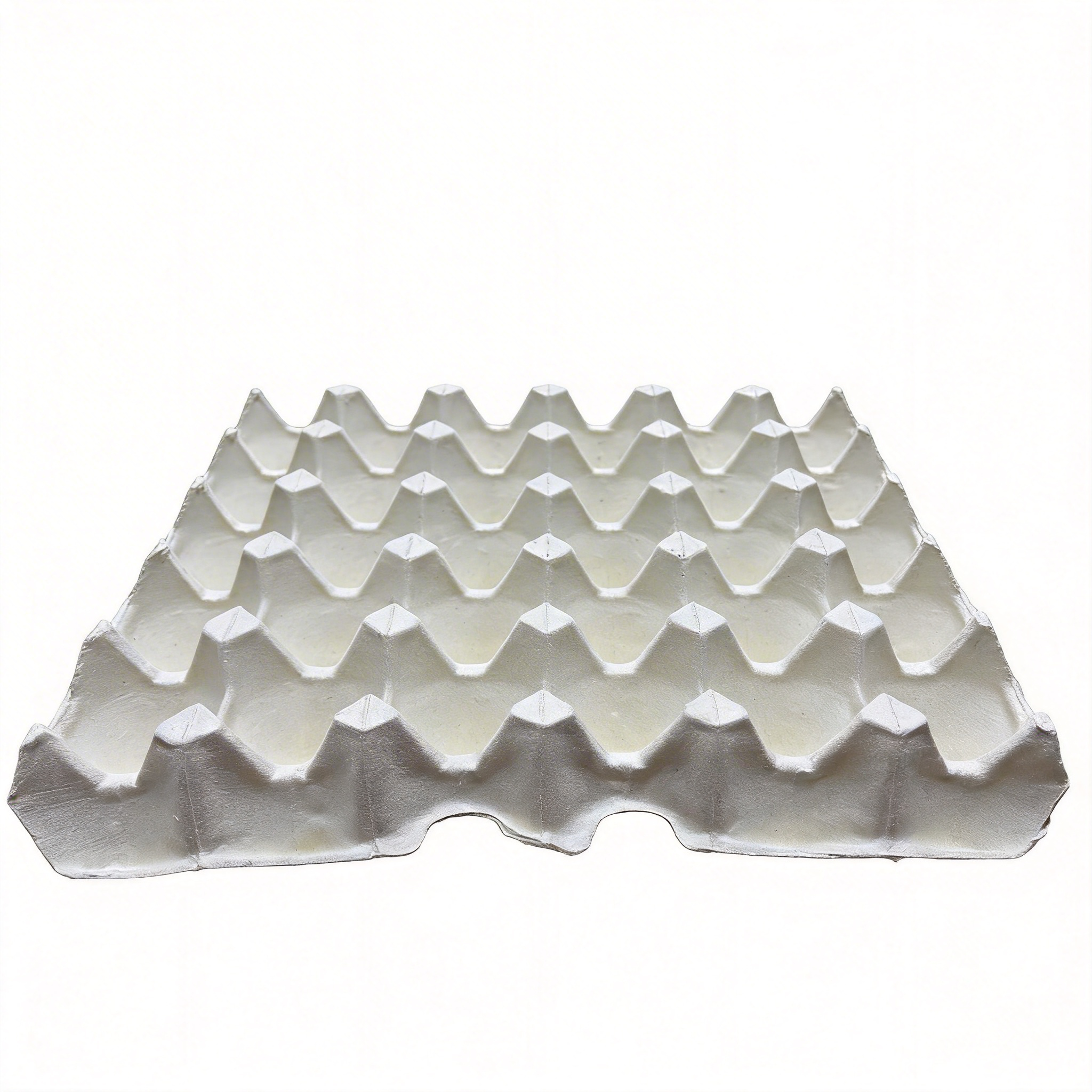
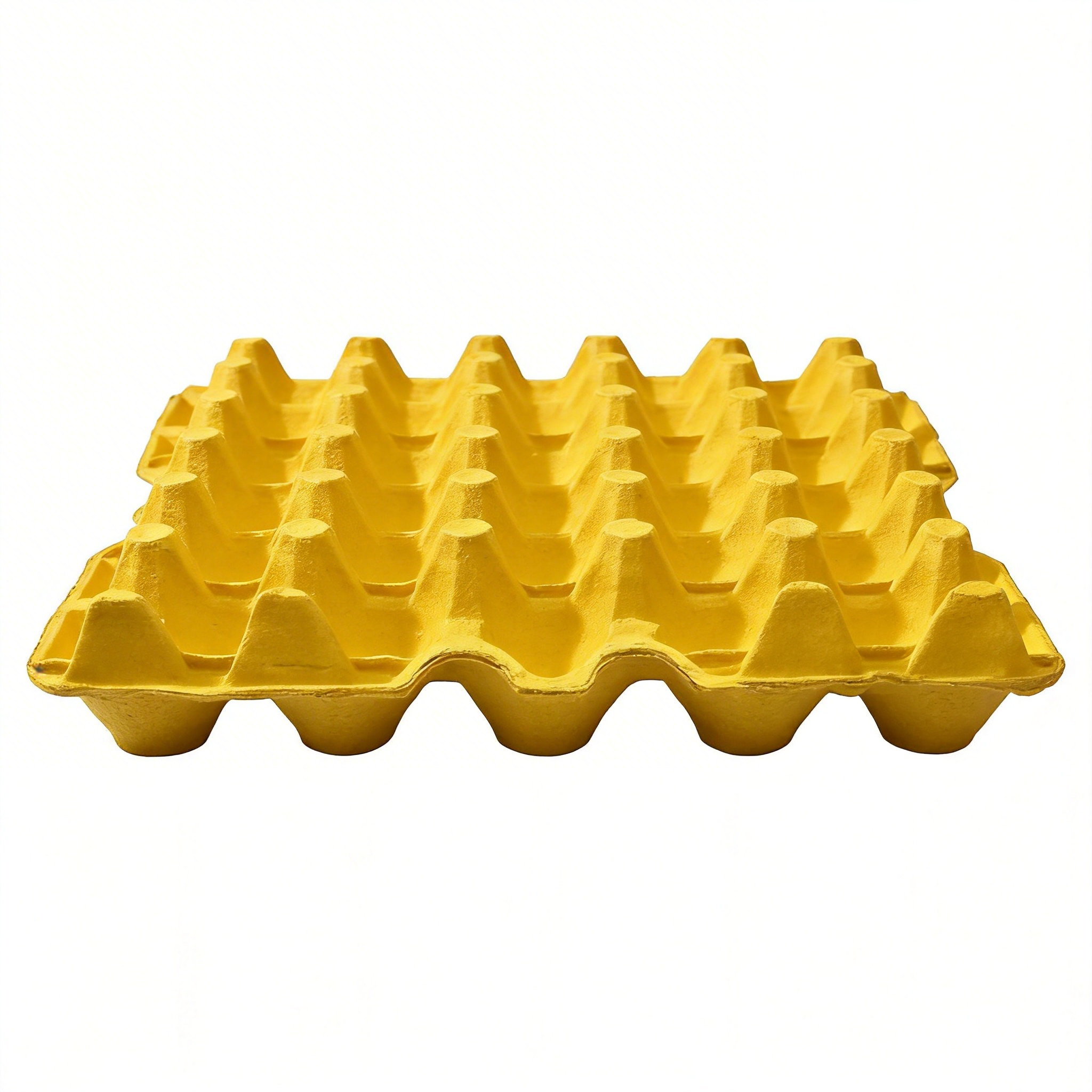
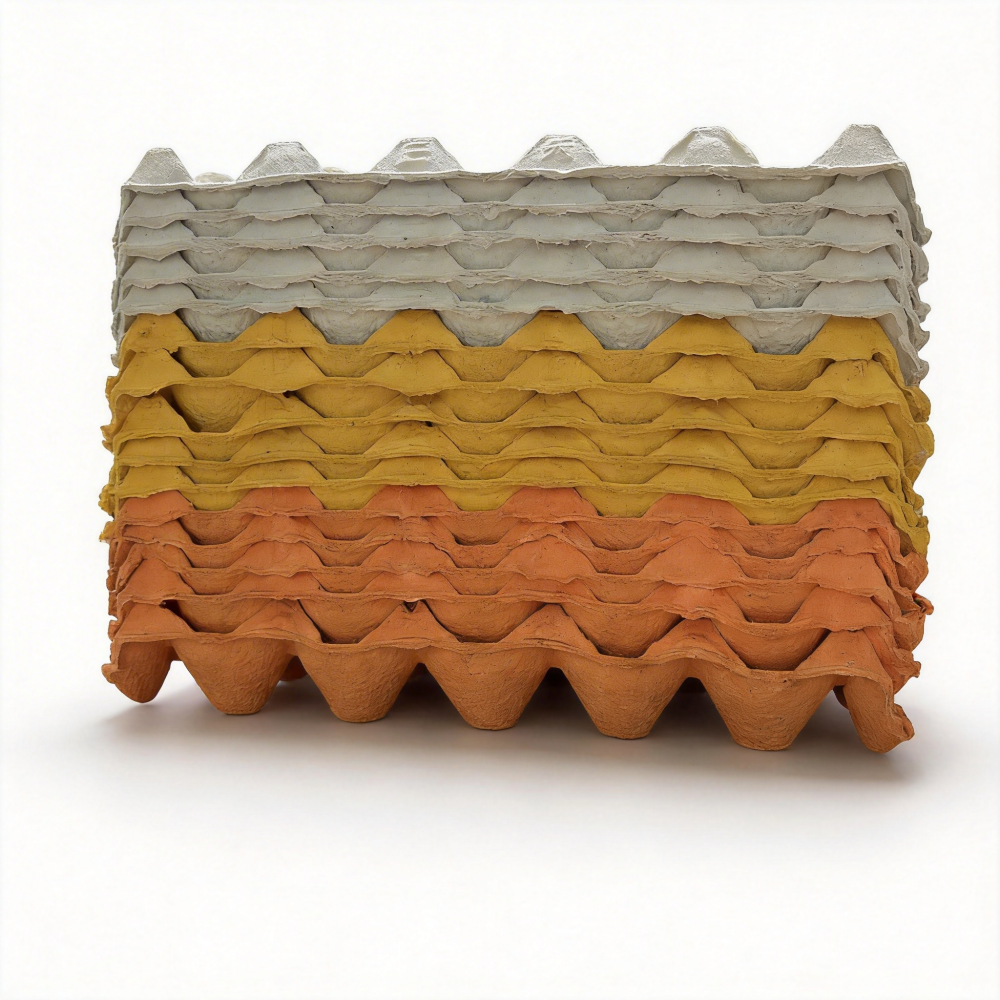
Molded fiber packaging represents a revolutionary approach to sustainable packaging solutions, utilizing recycled paper materials and agricultural waste to create protective, functional containers. This innovative packaging technology transforms raw materials through a specialized wet-molding process, where paper pulp is shaped into precise forms using custom-designed molds under controlled pressure and temperature conditions. The manufacturing process begins with breaking down recycled paper, cardboard, and natural fibers into a slurry mixture, which is then molded into three-dimensional shapes that perfectly conform to product specifications. Molded fiber packaging serves multiple essential functions, including product protection during transportation, shock absorption for fragile items, and moisture resistance for various applications. The technology features advanced engineering capabilities that allow for complex geometric designs, precise dimensional tolerances, and customizable surface textures. Manufacturing facilities can produce molded fiber packaging in various densities and thicknesses, adapting to specific product requirements and performance standards. The process incorporates automated quality control systems that ensure consistency across production runs, while maintaining cost-effectiveness for large-scale operations. Applications span numerous industries, from electronics and automotive components to food service and consumer goods. Electronics manufacturers utilize molded fiber packaging for smartphone protection, tablet cushioning, and computer component housing. The automotive sector employs these solutions for parts packaging, component protection during shipping, and interior element manufacturing. Food service applications include disposable plates, bowls, takeout containers, and egg cartons that meet food safety regulations. Consumer goods companies rely on molded fiber packaging for cosmetics protection, toy packaging, and household item containment. The versatility of molded fiber packaging extends to specialized applications such as medical device protection, pharmaceutical product housing, and industrial component shipping. Environmental considerations drive adoption across sectors, as companies seek alternatives to plastic packaging materials while maintaining protective performance standards.

New Products

Molded fiber packaging delivers exceptional environmental benefits that position it as a superior alternative to traditional packaging materials. Companies choosing molded fiber packaging reduce their carbon footprint significantly, as the manufacturing process requires less energy compared to plastic production and utilizes recycled materials that would otherwise contribute to landfill waste. The biodegradable nature of molded fiber packaging means products decompose naturally within 60 to 90 days under proper composting conditions, eliminating long-term environmental impact and supporting circular economy principles. Cost savings represent another compelling advantage, as molded fiber packaging often costs less to produce than comparable plastic alternatives, especially when factoring in waste disposal fees and environmental compliance costs. Manufacturing efficiency improves through streamlined production processes that require fewer chemical inputs and generate minimal toxic byproducts compared to petroleum-based packaging materials. Supply chain benefits emerge from the lightweight properties of molded fiber packaging, reducing shipping costs and storage space requirements while maintaining structural integrity during transportation. Quality performance exceeds expectations in many applications, as molded fiber packaging provides excellent cushioning properties, shock absorption capabilities, and moisture resistance when properly treated. Customization options allow businesses to create unique packaging designs that enhance brand recognition while meeting specific product protection requirements. The material accepts various printing techniques, enabling high-quality graphics and branding elements that support marketing objectives. Regulatory compliance becomes simpler with molded fiber packaging, as most formulations meet international food contact standards, compostability certifications, and environmental regulations without additional chemical treatments. Customer satisfaction increases when businesses demonstrate environmental responsibility through sustainable packaging choices, building brand loyalty and supporting corporate social responsibility initiatives. Production scalability accommodates businesses of all sizes, from small startups requiring limited quantities to large corporations needing millions of units annually. The technology supports rapid prototyping and design modifications, allowing companies to test packaging concepts quickly and cost-effectively before committing to large production runs. Worker safety improves in facilities using molded fiber packaging production, as the manufacturing process involves fewer hazardous chemicals and generates less toxic emissions compared to conventional packaging materials.

Tips And Tricks

Why Do Eggs Break During Shipping? Causes and Best Egg Packaging Solutions Explained

08

May

Why Do Eggs Break During Shipping? Causes and Best Egg Packaging Solutions Explained

Every year, millions of eggs are lost to breakage during transit — a costly problem that affects egg producers, distributors, and retailers alike. The fragility of eggs is not a new challenge, but as supply chains grow more complex and shipping...
View More
How to Reduce Egg Breakage During Transport: Best Egg Packaging Solutions for Poultry Farms

07

May

How to Reduce Egg Breakage During Transport: Best Egg Packaging Solutions for Poultry Farms

For poultry farms of every scale, egg breakage during transport represents one of the most persistent and costly operational challenges. Every cracked or shattered egg is not just a lost product — it is lost revenue, wasted labor, and a potenti...
View More
What to Look for in Egg Packaging Manufacturers: Quality, Cost, and Customization Guide

12

May

What to Look for in Egg Packaging Manufacturers: Quality, Cost, and Customization Guide

Choosing the right egg packaging manufacturer is one of the most consequential decisions a poultry producer, retailer, or food distribution business can make. The packaging that holds your eggs does far more than contain a product — it communicates b...
View More
Best Egg Packaging Solutions for Supermarkets: Clear PET Egg Cartons for Retail Display

13

May

Best Egg Packaging Solutions for Supermarkets: Clear PET Egg Cartons for Retail Display

In the competitive world of retail grocery, the way eggs are packaged and displayed can significantly influence purchasing decisions. Supermarkets today face mounting pressure to balance product visibility, structural protection, and shelf appeal — a...
View More

Get a Free Quote

We usually reply within 12 hours.
Email
Country/Region
Product Type
Please select your products type
Estimated Order Quantity
Hole Count
Please select your hole count
Packing System
Please select your packing system
Target Delivery Time
Color
Please select your color
Attachment
Please upload at least an attachment
Up to 3 files,more 30mb,suppor jpg、jpeg、png、pdf、doc、docx、xls、xlsx、csv、txt、stp、step、igs、x_t、dxf、prt、sldprt、sat、rar、zip
Message
0/1000

molded fiber packaging

Superior Environmental Performance and Sustainability

Superior Environmental Performance and Sustainability

Molded fiber packaging stands at the forefront of sustainable packaging innovation, offering unparalleled environmental advantages that address growing consumer concerns about plastic pollution and climate change impact. The manufacturing process utilizes up to 100 percent recycled content, including post-consumer newspapers, corrugated cardboard, and agricultural waste materials that would otherwise contribute to landfill accumulation or require expensive disposal methods. This circular approach to material utilization reduces dependence on virgin resources while creating value from waste streams, supporting comprehensive sustainability initiatives across supply chains. The carbon footprint of molded fiber packaging production measures significantly lower than conventional packaging alternatives, with studies showing up to 75 percent reduction in greenhouse gas emissions compared to equivalent plastic packaging solutions. Energy requirements during manufacturing remain minimal due to the low-temperature processing methods and elimination of petroleum-based chemical inputs that characterize traditional packaging production. Water usage in molded fiber packaging facilities incorporates closed-loop recycling systems that minimize environmental impact while maintaining production efficiency and quality standards. End-of-life disposal presents remarkable advantages, as molded fiber packaging decomposes completely in commercial composting facilities within 60 days, leaving no harmful residues or microplastics that contaminate soil and water systems. Home composting capabilities allow consumers to dispose of molded fiber packaging in backyard compost bins, where materials break down naturally and contribute valuable organic matter to soil improvement efforts. Certification programs validate environmental claims through third-party testing and verification, ensuring molded fiber packaging meets stringent standards for compostability, biodegradability, and sustainable sourcing practices. Corporate sustainability reporting benefits significantly from molded fiber packaging adoption, as companies can quantify environmental impact reductions and demonstrate measurable progress toward carbon neutrality goals and waste reduction targets.
Exceptional Protection and Performance Characteristics

Exceptional Protection and Performance Characteristics

Molded fiber packaging delivers outstanding protective performance that equals or exceeds traditional packaging materials while maintaining cost-effectiveness and manufacturing efficiency across diverse applications. The unique fiber structure creates natural shock absorption properties that distribute impact forces evenly, protecting fragile products during shipping, handling, and storage without requiring additional cushioning materials or protective inserts. Compression strength testing demonstrates that properly designed molded fiber packaging withstands significant vertical loads without deformation, making it ideal for stacking applications and warehouse storage environments where space optimization is critical. Moisture resistance capabilities can be enhanced through natural and synthetic barrier coatings that protect sensitive products from humidity, condensation, and water exposure while maintaining the biodegradable characteristics that define sustainable packaging solutions. Temperature stability allows molded fiber packaging to perform reliably across extreme conditions, from frozen food applications requiring sub-zero performance to heated product packaging that demands thermal resistance without material degradation. Dimensional accuracy achieves tight tolerances through precision molding techniques that ensure consistent fit and function across production runs, eliminating waste from packaging failures and reducing customer complaints related to poor product protection. Surface texture options range from smooth finishes for premium applications to textured surfaces that provide enhanced grip and handling characteristics during automated packaging operations and manual handling processes. Structural engineering capabilities enable complex three-dimensional designs that optimize material usage while maximizing protective performance, allowing engineers to create packaging solutions that perfectly conform to product contours and eliminate movement during transportation. Quality control systems monitor critical performance parameters throughout production, ensuring each unit meets specifications for strength, moisture resistance, and dimensional accuracy before shipment to customers. Testing protocols validate performance under real-world conditions, including drop testing, vibration analysis, compression evaluation, and environmental exposure assessment that confirm protective capabilities across anticipated use scenarios.
Cost-Effective Manufacturing and Business Benefits

Cost-Effective Manufacturing and Business Benefits

Molded fiber packaging offers compelling economic advantages that improve profitability while supporting environmental objectives, making it an attractive choice for businesses seeking sustainable packaging solutions without compromising financial performance. Manufacturing costs remain competitive with traditional packaging materials, particularly when considering total cost of ownership including waste disposal fees, environmental compliance costs, and potential regulatory penalties associated with non-biodegradable packaging materials. Production efficiency benefits from streamlined manufacturing processes that require fewer processing steps and chemical inputs compared to plastic packaging production, reducing complexity and operational overhead while maintaining quality standards and delivery schedules. Equipment investment requirements are often lower than comparable plastic packaging production lines, as molded fiber manufacturing utilizes proven technology that requires less sophisticated tooling and fewer specialized components, making market entry more accessible for businesses considering sustainable packaging adoption. Labor costs decrease through automated production systems that minimize manual handling and reduce skill requirements for operators, while safety improvements result from elimination of hazardous chemicals and toxic emissions associated with conventional packaging manufacturing processes. Inventory management benefits from the lightweight properties and efficient storage characteristics of molded fiber packaging, reducing warehouse space requirements and transportation costs while maintaining adequate stock levels to meet customer demand fluctuations. Market positioning advantages emerge from environmental messaging opportunities that resonate with increasingly environmentally conscious consumers, supporting premium pricing strategies and brand differentiation in competitive markets where sustainability represents a key purchasing criterion. Supply chain stability improves through diverse raw material sourcing options that reduce dependence on petroleum-based inputs subject to price volatility and supply disruptions, while supporting local recycling infrastructure and creating economic opportunities in waste management sectors. Regulatory compliance costs decrease as molded fiber packaging typically meets environmental regulations without additional treatments or certifications, simplifying product development and reducing time-to-market for new packaging applications while ensuring ongoing compliance with evolving environmental standards and consumer protection requirements.

Get a Free Quote

We usually reply within 12 hours.
Email
Country/Region
Product Type
Please select your products type
Estimated Order Quantity
Hole Count
Please select your hole count
Packing System
Please select your packing system
Target Delivery Time
Color
Please select your color
Attachment
Please upload at least an attachment
Up to 3 files, each no larger than 30MB. Supported formats: jpg, jpeg, png, pdf, doc, docx, xls, xlsx, csv, txt, stp, step, igs, x_t, dxf, prt, sldprt, sat, rar, zip.
Message
0/1000