Ergonomic Design and Handling Efficiency
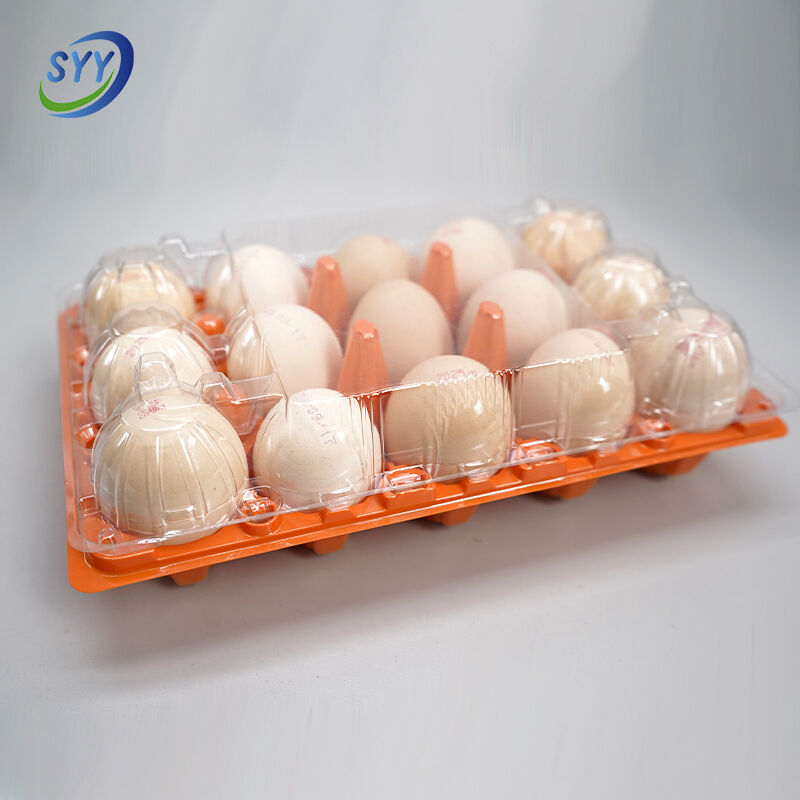
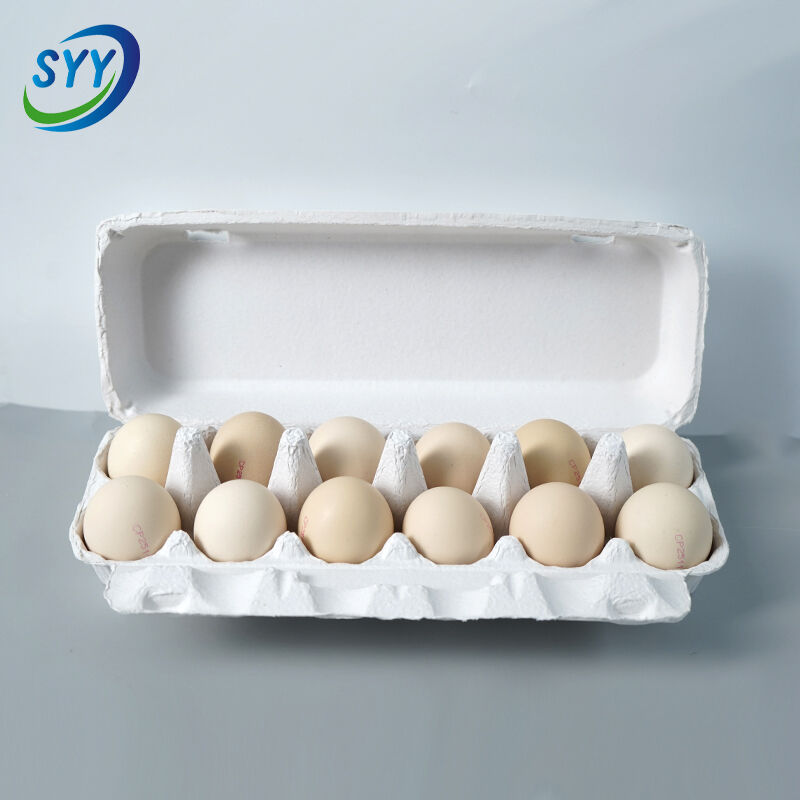
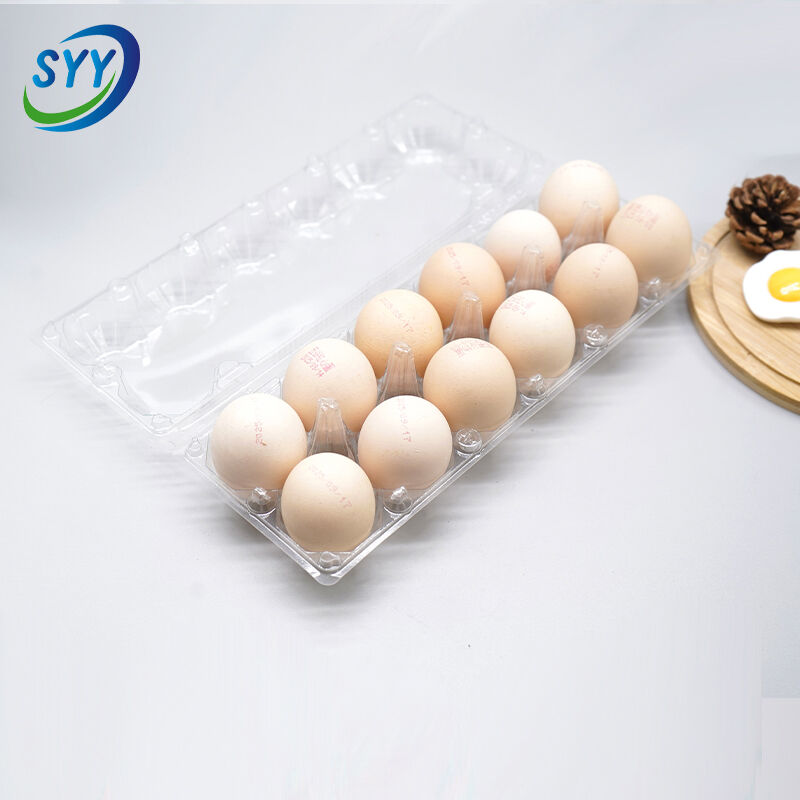
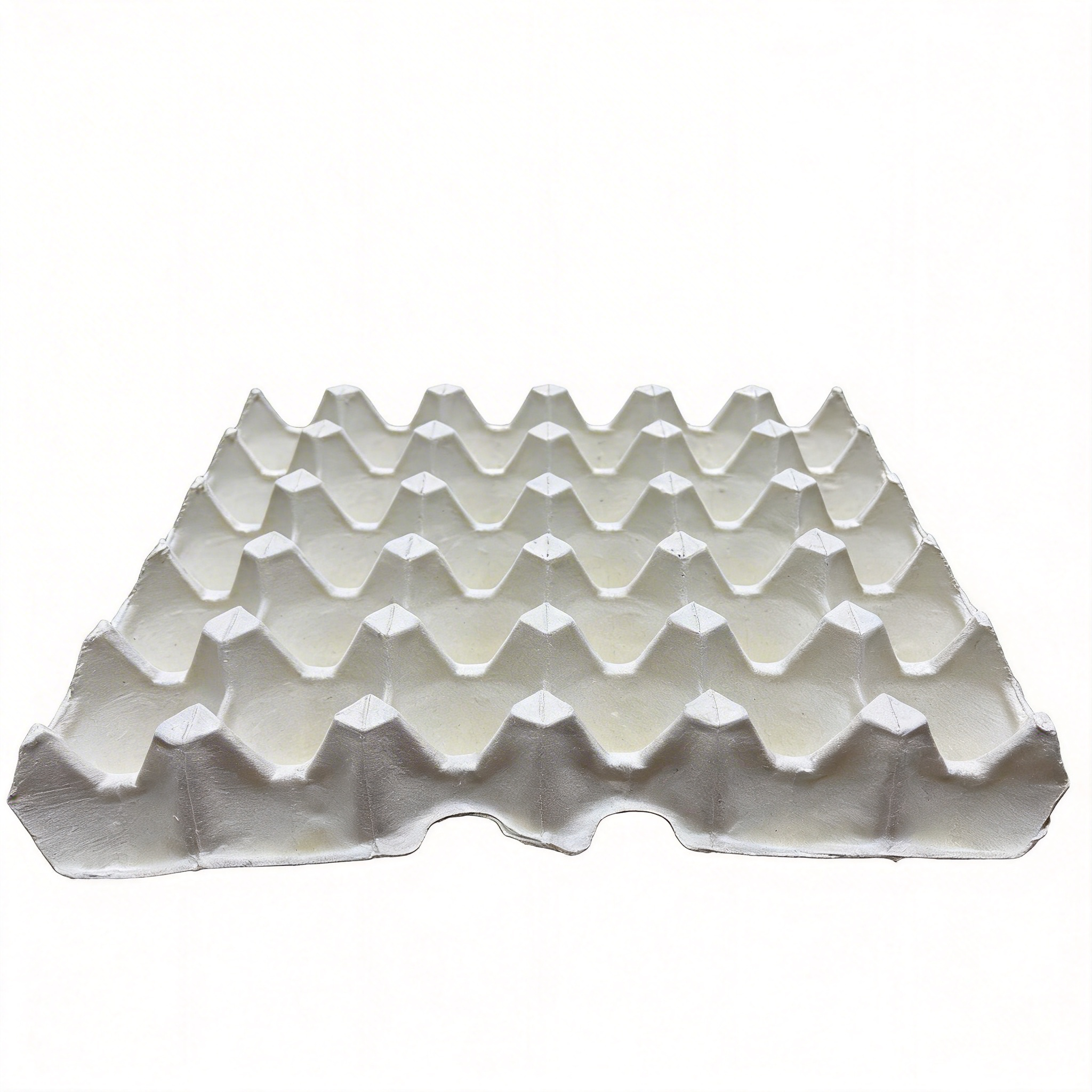
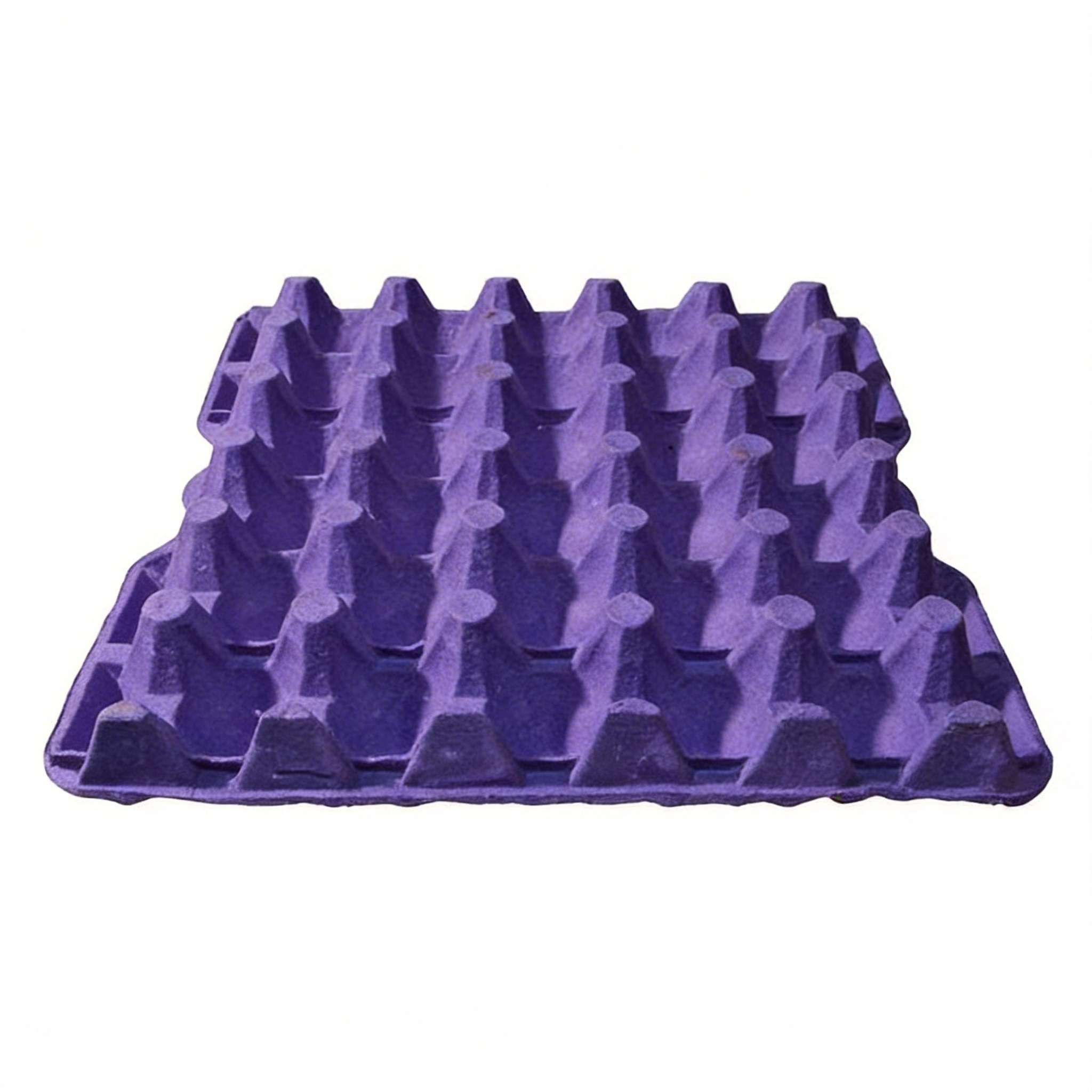
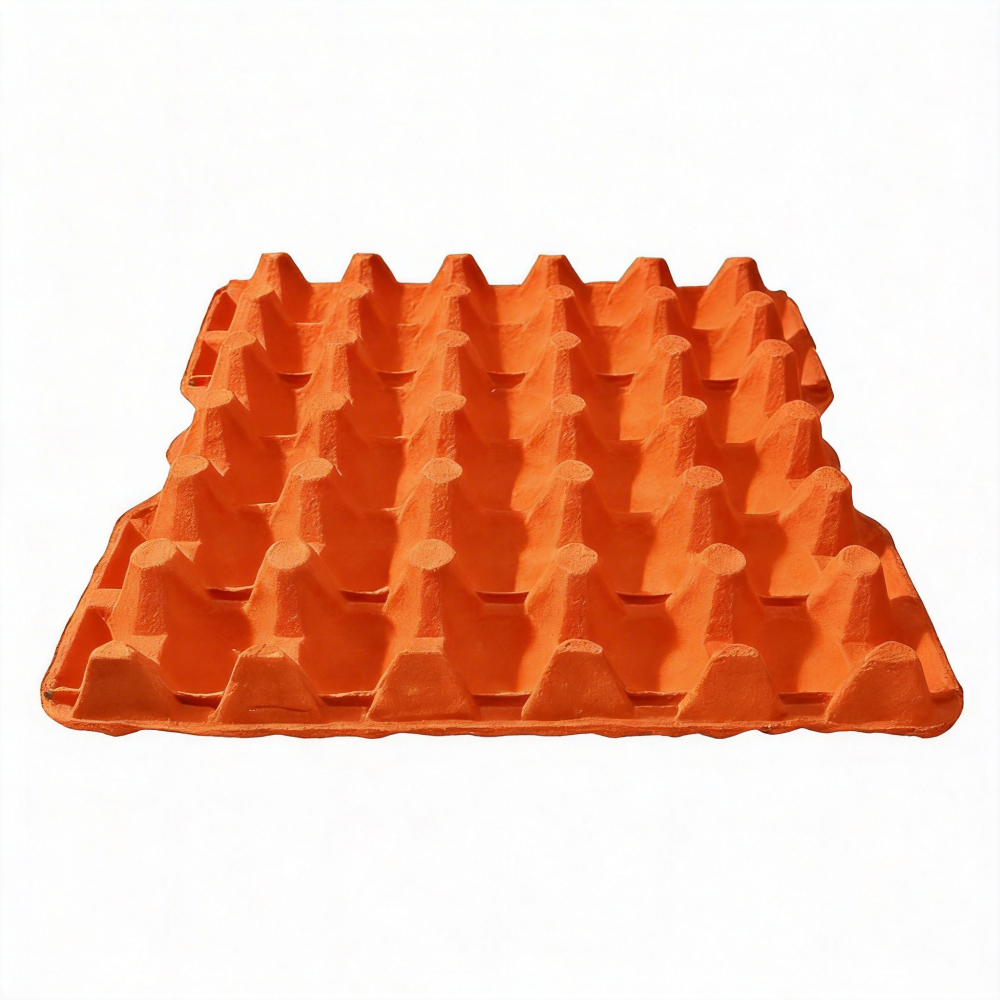
Understanding how to choose egg tray systems with superior ergonomic features significantly impacts worker productivity, safety standards, and overall operational efficiency in poultry handling environments. Ergonomic design principles focus on reducing physical strain and fatigue associated with repetitive lifting, carrying, and stacking motions that characterize egg handling operations. When evaluating how to choose egg tray options, examine handle design features that distribute weight evenly across the hand and fingers, reducing pressure points that cause discomfort during extended use periods. Contoured grip surfaces provide secure holding capabilities even when hands are wet or wearing protective gloves required by food safety protocols. Weight optimization balances protective capacity with handling comfort, ensuring workers can carry maximum loads without exceeding safe lifting limits. Proper weight distribution prevents awkward lifting postures that contribute to back injuries and repetitive strain disorders common in agricultural operations. Learning how to choose egg tray designs with optimal weight characteristics requires understanding the relationship between material density, structural requirements, and ergonomic considerations. Corner radius specifications eliminate sharp edges that could cause cuts or abrasions during handling procedures. Smooth surface finishes reduce friction that can cause blisters or skin irritation during prolonged contact. Understanding how to choose egg tray systems with appropriate surface textures ensures adequate grip while maintaining comfort during extended handling periods. Stackable designs incorporate alignment features that simplify stacking procedures and reduce the precision required for proper placement. Visual alignment guides help workers position trays correctly without requiring excessive attention to detail that slows operational pace. Nesting capabilities allow empty trays to occupy minimal storage space, reducing warehouse requirements and improving facility organization. Ergonomic considerations extend to cleaning and maintenance procedures, with designs that facilitate easy access to all surfaces without requiring uncomfortable reaching or awkward positioning. Understanding how to choose egg tray systems that prioritize ergonomic performance creates safer working environments, reduces injury-related costs, improves worker satisfaction, and ultimately enhances overall operational productivity through more efficient and comfortable handling procedures that support sustainable long-term operations.
 EN
EN