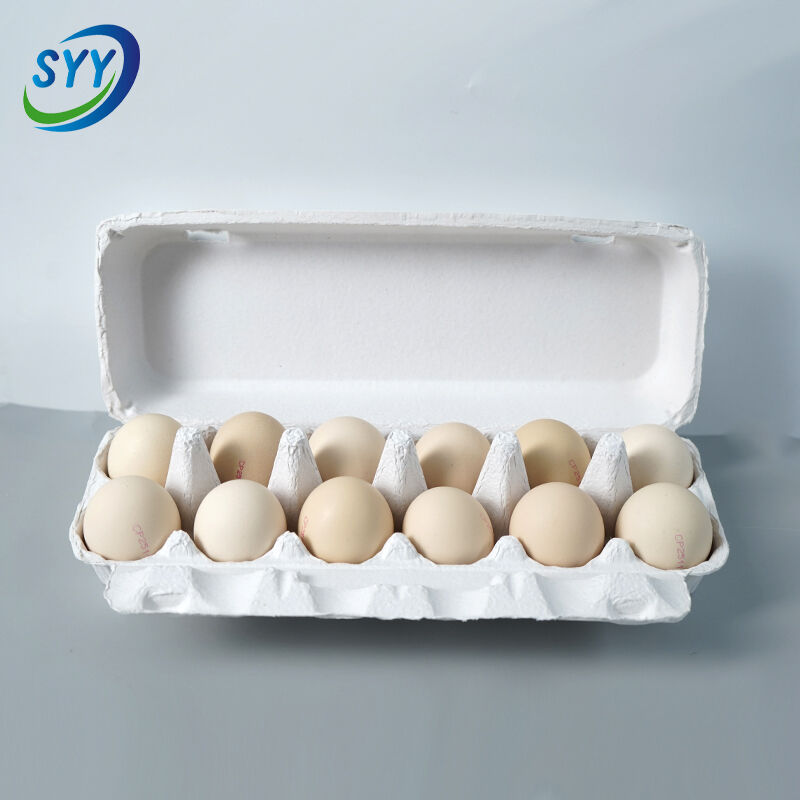
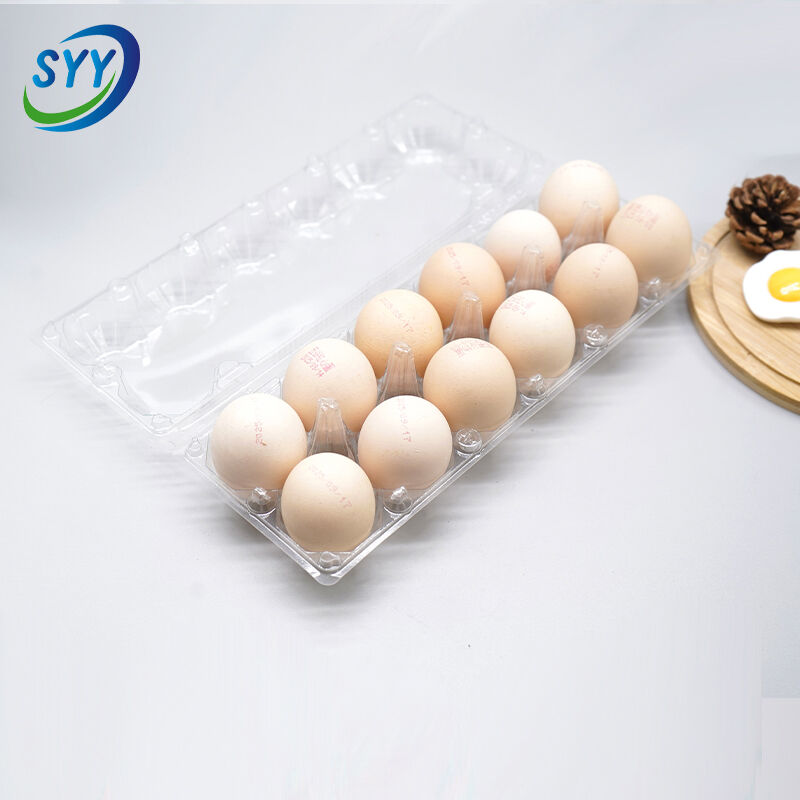
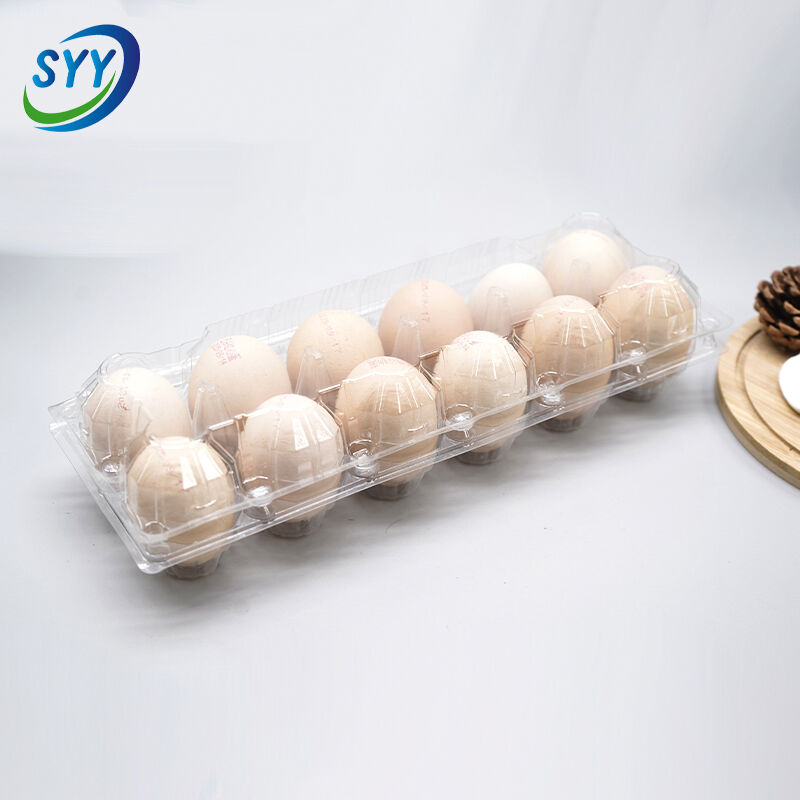
egg tray making machine
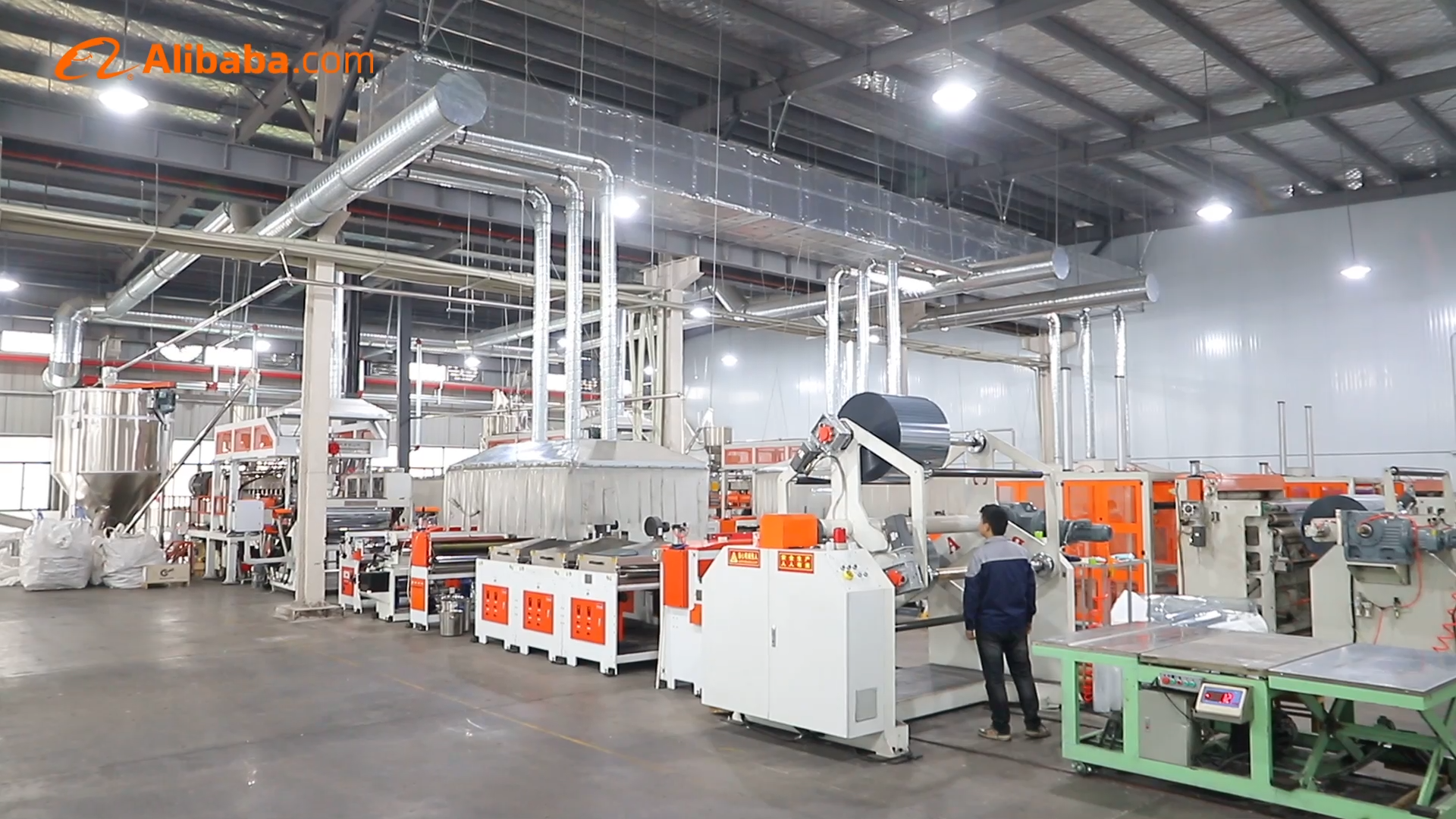
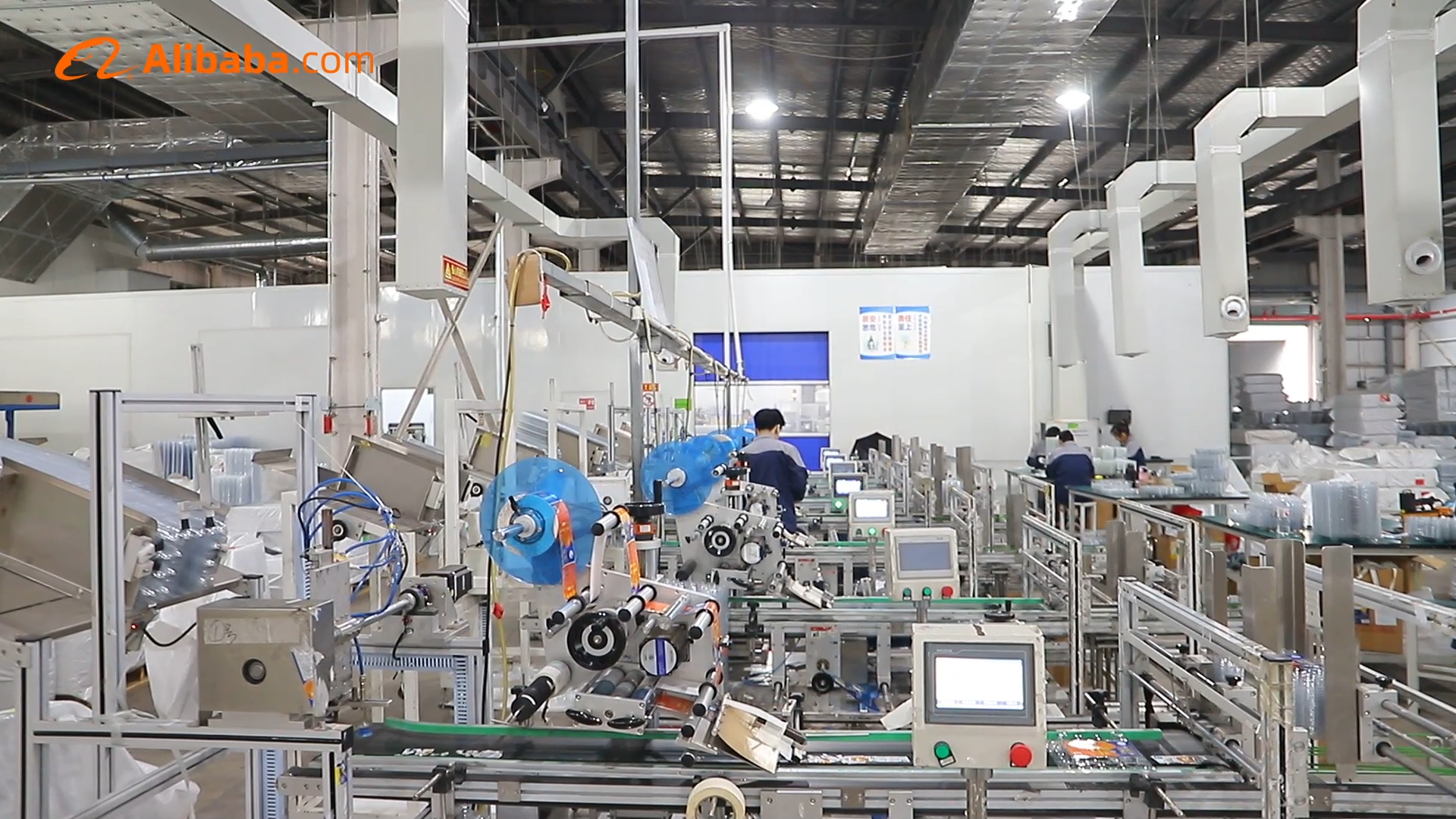
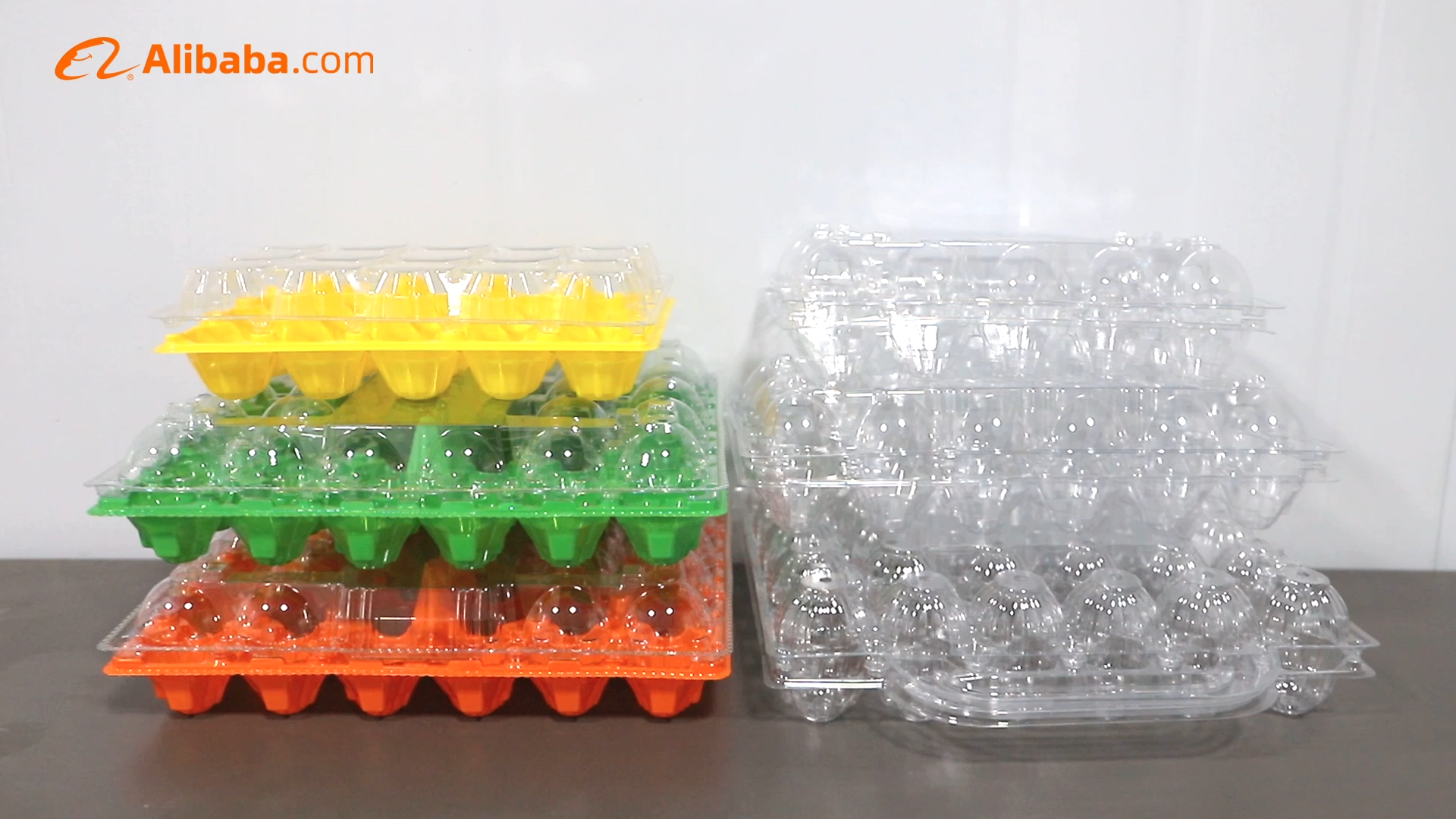
The egg tray making machine represents a revolutionary advancement in sustainable packaging technology, designed specifically to transform waste paper materials into functional egg trays through an automated manufacturing process. This sophisticated equipment operates by converting recycled paper pulp into molded fiber products that serve as protective packaging for eggs and other fragile items. The primary function of an egg tray making machine centers around pulp molding technology, which combines water, waste paper, and specialized additives to create a homogeneous mixture that gets shaped into precise tray configurations. The technological framework incorporates multiple operational stages including pulp preparation, molding formation, drying processes, and final product finishing. Modern egg tray making machines utilize advanced hydraulic systems for consistent pressure application during the molding phase, ensuring uniform thickness and structural integrity across all produced trays. The equipment features adjustable mold configurations that accommodate various egg sizes and tray designs, from standard 30-egg capacity trays to specialized packaging solutions for different poultry products. Temperature control systems maintain optimal conditions throughout the production cycle, while automated feeding mechanisms ensure continuous material flow for uninterrupted operation. The drying component employs either natural air drying or heated drying chambers, depending on production requirements and environmental conditions. Quality control sensors monitor thickness consistency, moisture content, and structural soundness of each produced tray. The machine's versatility extends beyond egg tray production, as the same technology can manufacture fruit trays, seedling pots, industrial packaging inserts, and various molded pulp products. Environmental sustainability stands as a core technological feature, as the egg tray making machine processes 100% recyclable materials while producing biodegradable end products. The equipment's modular design allows for scalable production capacity, accommodating small-scale operations through large industrial manufacturing facilities.
 EN
EN