Benefits of Molded Pulp Egg Tray: Sustainable Protection & Cost Savings

Get a Free Quote

We usually reply within 12 hours.
Email
Country/Region
Product Type
Please select your products type
Estimated Order Quantity
Hole Count
Please select your hole count
Packing System
Please select your packing system
Target Delivery Time
Color
Please select your color
Attachment
Please upload at least an attachment
Up to 3 files, each no larger than 30MB. Supported formats: jpg, jpeg, png, pdf, doc, docx, xls, xlsx, csv, txt, stp, step, igs, x_t, dxf, prt, sldprt, sat, rar, zip.
Message
0/1000

benefits of molded pulp egg tray

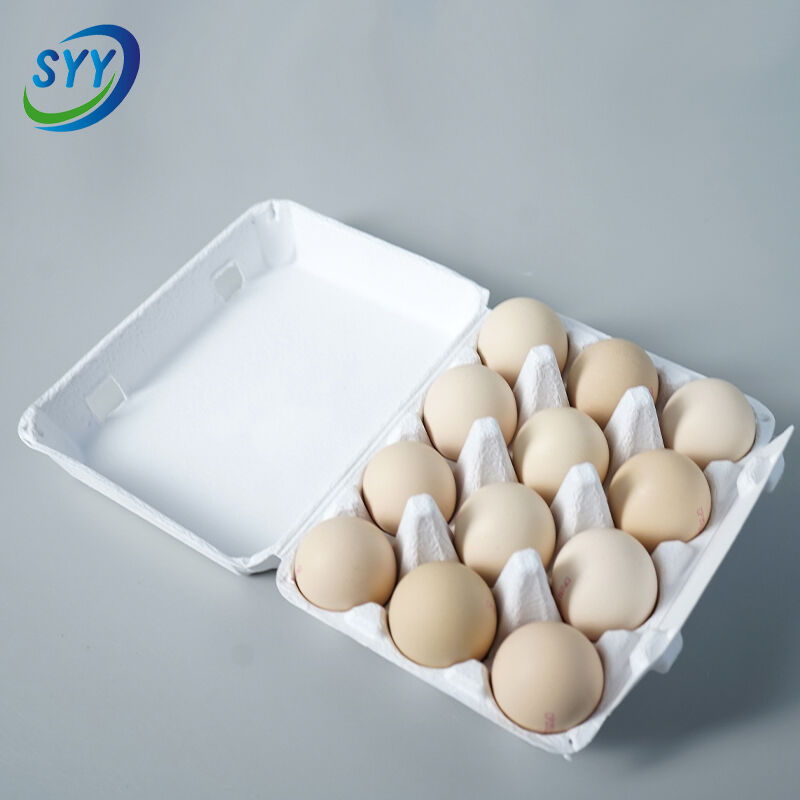
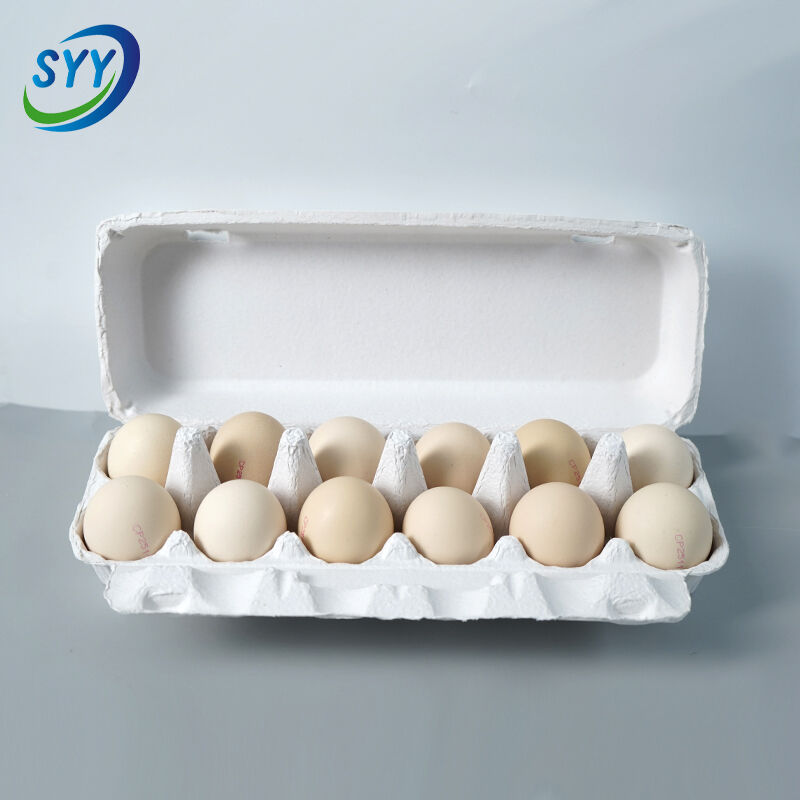
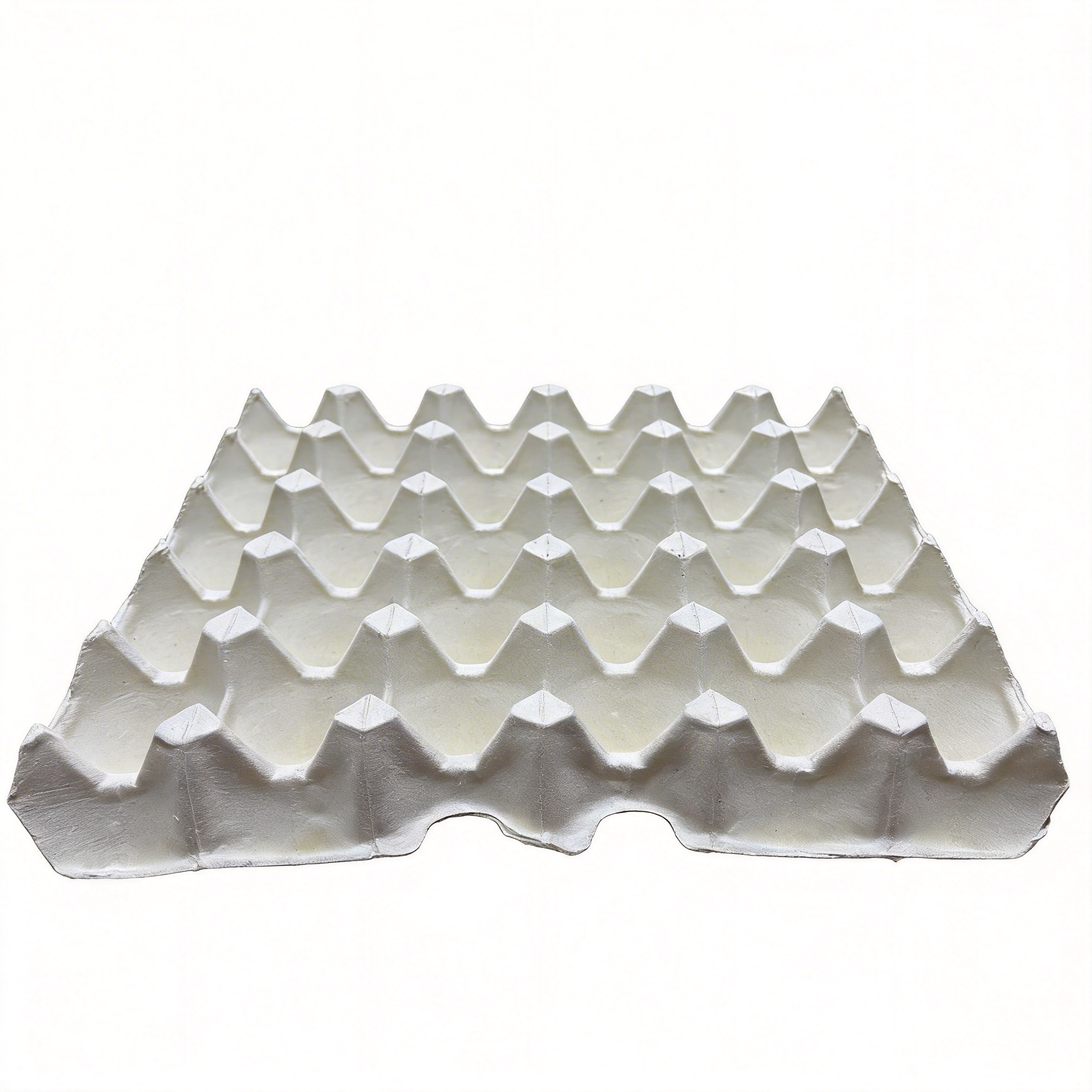
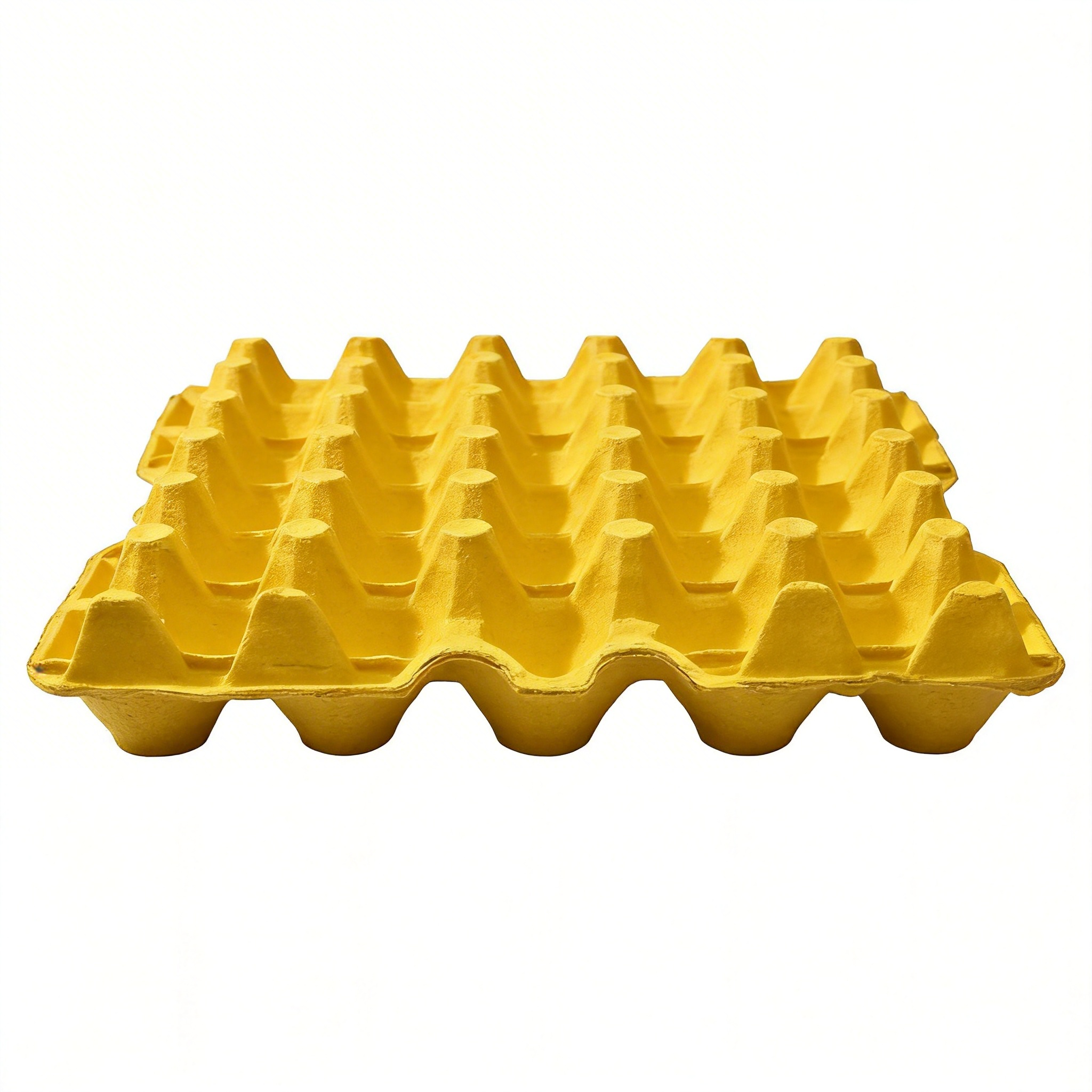
The benefits of molded pulp egg tray represent a revolutionary approach to sustainable packaging that has transformed the egg industry worldwide. These innovative trays are manufactured using recycled paper materials and water-based molding processes that create durable, protective containers specifically designed for egg storage and transportation. The main functions of molded pulp egg trays include shock absorption, moisture regulation, and secure positioning of individual eggs during handling and shipping operations. The technological features incorporate advanced fiber engineering that creates natural ventilation channels while maintaining structural integrity under various environmental conditions. The molding process utilizes hydraulic pressure systems combined with precision-formed molds that shape recycled paper fibers into uniform compartments perfectly sized for different egg categories. Manufacturing facilities employ controlled temperature drying chambers that ensure consistent density and strength characteristics throughout each tray unit. Quality control systems monitor thickness variations and compression resistance to guarantee reliable performance across diverse distribution networks. Applications span commercial egg farms, retail grocery chains, food service establishments, and consumer households where reliable egg protection remains essential. The benefits of molded pulp egg tray technology extend beyond basic functionality to encompass environmental responsibility through waste reduction initiatives. Processing facilities can customize tray designs to accommodate various egg sizes including medium, large, extra-large, and jumbo categories while maintaining optimal spacing requirements. Advanced manufacturing techniques enable production of specialized trays for organic egg producers who require chemical-free packaging solutions that align with their sustainability commitments. Distribution networks benefit from lightweight construction that reduces shipping costs while providing superior protection compared to alternative packaging methods. The benefits of molded pulp egg tray systems continue expanding as manufacturers develop enhanced formulations that improve water resistance and extend shelf life performance.

New Product Recommendations

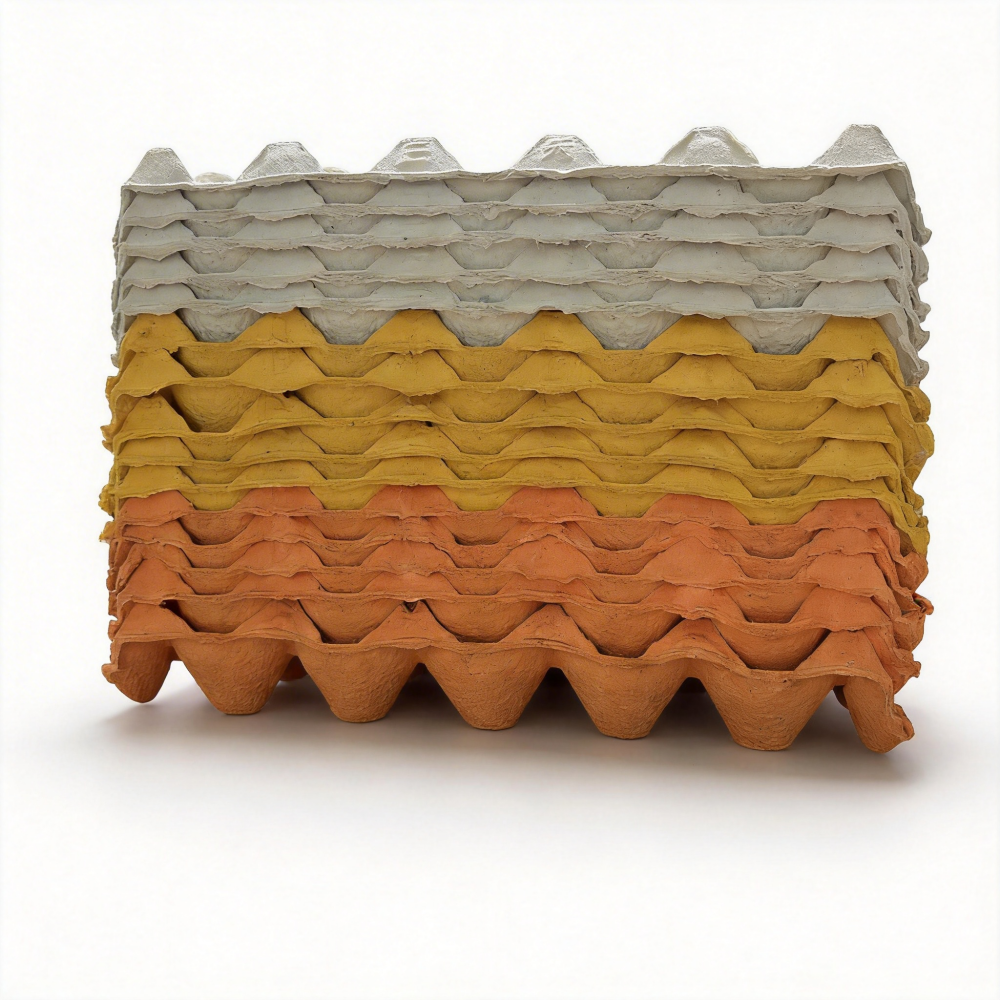
The advantages associated with the benefits of molded pulp egg tray systems deliver measurable value across multiple operational aspects that directly impact profitability and customer satisfaction levels. Cost efficiency emerges as a primary advantage since these trays utilize readily available recycled materials that reduce raw material expenses compared to plastic alternatives requiring petroleum-based inputs. Production facilities achieve significant energy savings through streamlined manufacturing processes that eliminate complex chemical treatments while reducing overall carbon footprint calculations. The benefits of molded pulp egg tray construction provide superior cushioning properties that minimize egg breakage rates during transportation and handling operations, resulting in reduced product loss and improved profit margins for distributors. Stackability features enable efficient warehouse storage configurations that maximize space utilization while facilitating automated handling equipment integration across modern distribution centers. Environmental advantages position businesses favorably with environmentally conscious consumers who increasingly prioritize sustainable packaging choices when making purchasing decisions. The biodegradable nature of molded pulp materials supports waste reduction initiatives while eliminating long-term environmental impact concerns associated with non-recyclable packaging alternatives. Temperature regulation properties inherent in the fiber structure help maintain optimal egg freshness by allowing natural air circulation while preventing excessive moisture buildup that could compromise product quality. The benefits of molded pulp egg tray designs accommodate standard automated egg handling equipment found in commercial processing facilities, ensuring seamless integration with existing operational workflows. Customization capabilities allow businesses to incorporate branding elements and product information directly into tray surfaces, creating additional marketing opportunities while maintaining functional performance standards. Safety advantages include elimination of sharp edges and toxic chemical exposure risks commonly associated with alternative packaging materials, protecting both workers and consumers throughout the supply chain. Regulatory compliance becomes simplified since molded pulp materials meet food safety standards across international markets while supporting organic certification requirements for specialty egg producers seeking premium market positioning.

Latest News

Why Do Eggs Break During Shipping? Causes and Best Egg Packaging Solutions Explained

08

May

Why Do Eggs Break During Shipping? Causes and Best Egg Packaging Solutions Explained

Every year, millions of eggs are lost to breakage during transit — a costly problem that affects egg producers, distributors, and retailers alike. The fragility of eggs is not a new challenge, but as supply chains grow more complex and shipping...
View More
How to Reduce Egg Breakage During Transport: Best Egg Packaging Solutions for Poultry Farms

07

May

How to Reduce Egg Breakage During Transport: Best Egg Packaging Solutions for Poultry Farms

For poultry farms of every scale, egg breakage during transport represents one of the most persistent and costly operational challenges. Every cracked or shattered egg is not just a lost product — it is lost revenue, wasted labor, and a potenti...
View More
What to Look for in Egg Packaging Manufacturers: Quality, Cost, and Customization Guide

12

May

What to Look for in Egg Packaging Manufacturers: Quality, Cost, and Customization Guide

Choosing the right egg packaging manufacturer is one of the most consequential decisions a poultry producer, retailer, or food distribution business can make. The packaging that holds your eggs does far more than contain a product — it communicates b...
View More
How to Choose the Right Egg Tray Supplier: Key Factors for Reliable Egg Packaging Manufacturers

11

May

How to Choose the Right Egg Tray Supplier: Key Factors for Reliable Egg Packaging Manufacturers

Finding the right egg tray supplier is one of the most consequential procurement decisions a poultry farm, food distributor, or retail chain can make. The quality of your egg packaging directly impacts product integrity during transit, shelf presenta...
View More

Get a Free Quote

We usually reply within 12 hours.
Email
Country/Region
Product Type
Please select your products type
Estimated Order Quantity
Hole Count
Please select your hole count
Packing System
Please select your packing system
Target Delivery Time
Color
Please select your color
Attachment
Please upload at least an attachment
Up to 3 files,more 30mb,suppor jpg、jpeg、png、pdf、doc、docx、xls、xlsx、csv、txt、stp、step、igs、x_t、dxf、prt、sldprt、sat、rar、zip
Message
0/1000

benefits of molded pulp egg tray

Superior Environmental Sustainability and Waste Reduction

Superior Environmental Sustainability and Waste Reduction

The environmental sustainability aspect represents one of the most compelling benefits of molded pulp egg tray technology, addressing critical concerns about packaging waste while supporting circular economy principles that modern businesses must embrace to remain competitive. These trays are manufactured entirely from post-consumer recycled paper materials, diverting waste from landfills and creating valuable products that serve essential protective functions throughout the egg supply chain. The production process requires significantly less energy compared to plastic manufacturing, reducing greenhouse gas emissions by approximately sixty percent while eliminating the need for petroleum-based raw materials that contribute to environmental degradation. Water-based manufacturing processes avoid toxic chemical additives commonly found in alternative packaging materials, ensuring that disposal methods remain environmentally safe regardless of end-of-life scenarios. The benefits of molded pulp egg tray sustainability extend to biodegradability characteristics that allow natural decomposition within standard composting timeframes, typically breaking down completely within ninety days under proper conditions. This rapid decomposition rate eliminates long-term environmental accumulation problems while creating nutrient-rich compost materials that support agricultural applications. Businesses implementing these sustainable packaging solutions demonstrate environmental leadership that resonates with increasingly eco-conscious consumers who actively seek products aligned with their environmental values. Corporate sustainability reporting benefits from quantifiable waste reduction metrics and carbon footprint improvements that support ESG initiatives and regulatory compliance requirements. The circular economy model supported by molded pulp technology creates closed-loop systems where waste materials become valuable inputs for new product manufacturing, reducing dependence on virgin resources while supporting local recycling infrastructure development.
Enhanced Product Protection and Quality Preservation

Enhanced Product Protection and Quality Preservation

The protective capabilities inherent in the benefits of molded pulp egg tray design provide unmatched safeguarding for delicate egg products throughout complex distribution networks that span from farm collection points to consumer retail locations. Advanced fiber engineering creates natural shock absorption properties that dissipate impact forces across the entire tray structure, preventing concentrated pressure points that could cause shell damage during transportation and handling operations. The molded compartment design cradles each egg individually while maintaining optimal spacing that prevents contact between adjacent units, eliminating the shell-to-shell collisions that frequently cause breakage in alternative packaging systems. Moisture management features built into the fiber structure regulate humidity levels around stored eggs, preventing excessive condensation while allowing natural air circulation that maintains freshness without compromising shell integrity. Temperature buffering properties help stabilize thermal conditions during transportation, reducing stress on egg contents that could affect quality characteristics and shelf life performance. The benefits of molded pulp egg tray protection extend to contamination prevention through seamless construction that eliminates gaps where bacteria or foreign materials could accumulate, supporting food safety protocols essential for commercial operations. Quality preservation benefits include protection from external odors and flavors that could migrate through permeable packaging materials, ensuring that eggs maintain their natural taste profiles until consumption. Structural integrity remains consistent across varying environmental conditions, from refrigerated storage facilities to ambient temperature retail displays, providing reliable protection regardless of handling scenarios. Impact resistance testing demonstrates superior performance compared to foam and plastic alternatives, with significantly lower breakage rates documented across standardized drop tests and vibration simulations that replicate real-world distribution challenges. The cushioning effect created by molded pulp construction absorbs shock waves that travel through shipping containers during transportation, protecting eggs from damage caused by vehicle movement and cargo shifting during long-distance deliveries.
Operational Efficiency and Cost-Effective Performance

Operational Efficiency and Cost-Effective Performance

The operational advantages encompassed within the benefits of molded pulp egg tray systems deliver substantial improvements in workflow efficiency and cost management that directly enhance business profitability while simplifying complex logistics operations. Lightweight construction reduces shipping costs by minimizing package weight while maintaining superior protective performance, enabling businesses to optimize transportation expenses across regional and national distribution networks. Stackable design features facilitate efficient storage configurations that maximize warehouse space utilization while supporting automated handling equipment integration found in modern egg processing and distribution facilities. The benefits of molded pulp egg tray compatibility with existing infrastructure eliminates costly equipment modifications while supporting seamless integration with robotic systems and conveyor networks commonly used in high-volume operations. Standardized dimensions ensure consistent performance across diverse handling scenarios while supporting efficient packaging line operations that maintain productivity targets without compromising quality standards. Inventory management benefits include reduced storage space requirements compared to bulkier alternatives, allowing businesses to maintain adequate tray supplies without excessive warehouse allocation that impacts overall operational efficiency. Labor efficiency improvements result from simplified handling procedures that reduce training requirements while minimizing repetitive stress injuries associated with heavy packaging materials commonly used in traditional systems. Quality consistency across production batches ensures predictable performance characteristics that support operational planning and reduce unexpected packaging failures that could disrupt distribution schedules. Cost predictability advantages stem from stable raw material pricing and simplified manufacturing processes that avoid volatile petroleum-based material costs affecting plastic packaging alternatives. The benefits of molded pulp egg tray durability support multiple-use scenarios in certain applications, extending useful life cycles while reducing replacement frequency and associated procurement costs. Maintenance requirements remain minimal due to simple construction and absence of complex mechanical components, reducing ongoing operational expenses while ensuring consistent performance throughout extended service periods.

Get a Free Quote

We usually reply within 12 hours.
Email
Country/Region
Product Type
Please select your products type
Estimated Order Quantity
Hole Count
Please select your hole count
Packing System
Please select your packing system
Target Delivery Time
Color
Please select your color
Attachment
Please upload at least an attachment
Up to 3 files, each no larger than 30MB. Supported formats: jpg, jpeg, png, pdf, doc, docx, xls, xlsx, csv, txt, stp, step, igs, x_t, dxf, prt, sldprt, sat, rar, zip.
Message
0/1000