Standard Egg Tray Size: Complete Guide to Optimal Egg Packaging Solutions

Get a Free Quote

We usually reply within 12 hours.
Email
Country/Region
Product Type
Please select your products type
Estimated Order Quantity
Hole Count
Please select your hole count
Packing System
Please select your packing system
Target Delivery Time
Color
Please select your color
Attachment
Please upload at least an attachment
Up to 3 files, each no larger than 30MB. Supported formats: jpg, jpeg, png, pdf, doc, docx, xls, xlsx, csv, txt, stp, step, igs, x_t, dxf, prt, sldprt, sat, rar, zip.
Message
0/1000

standard egg tray size

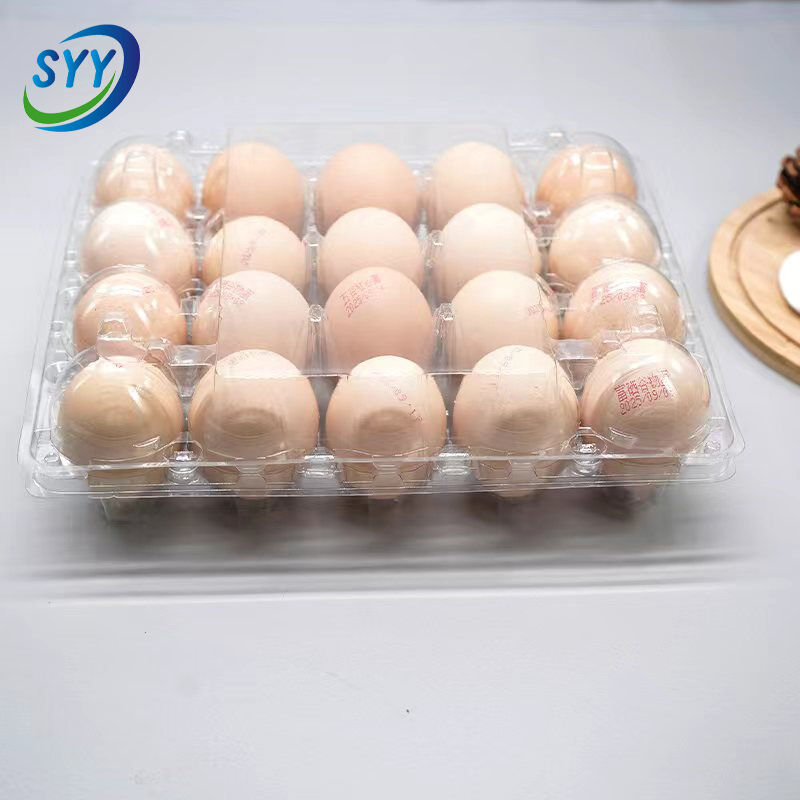
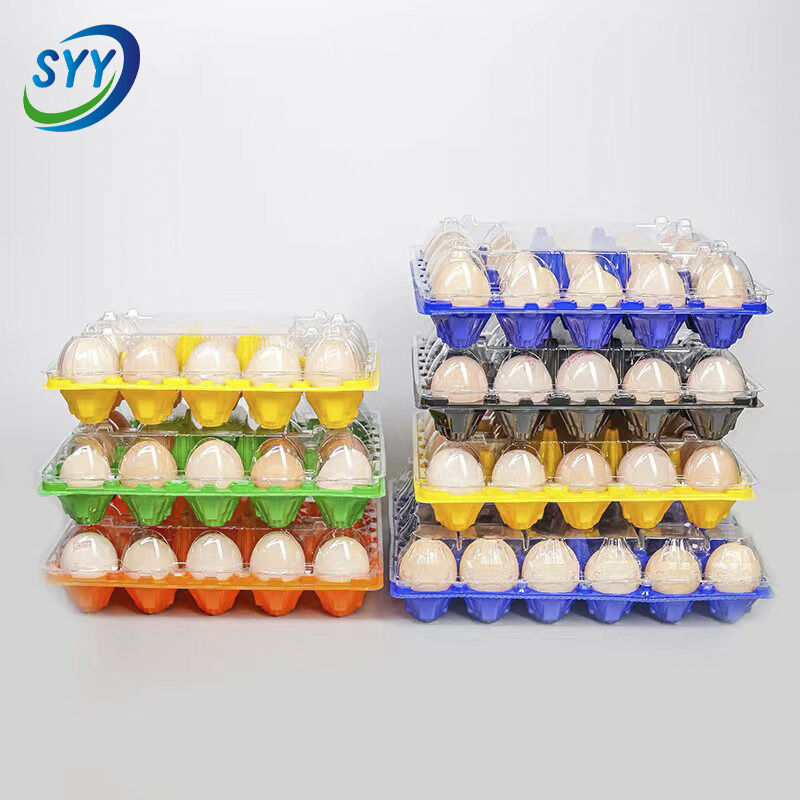
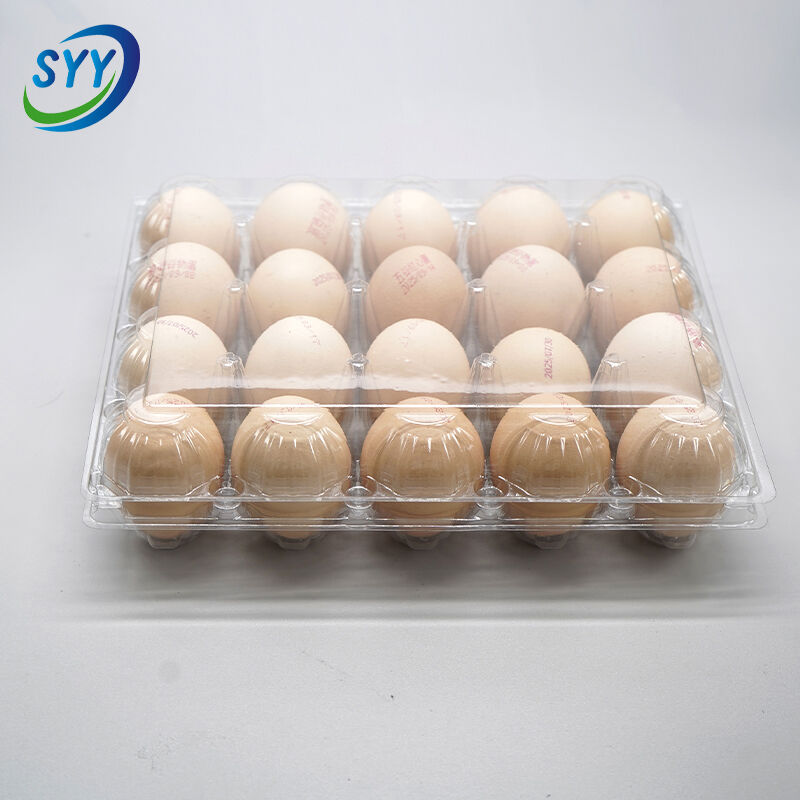
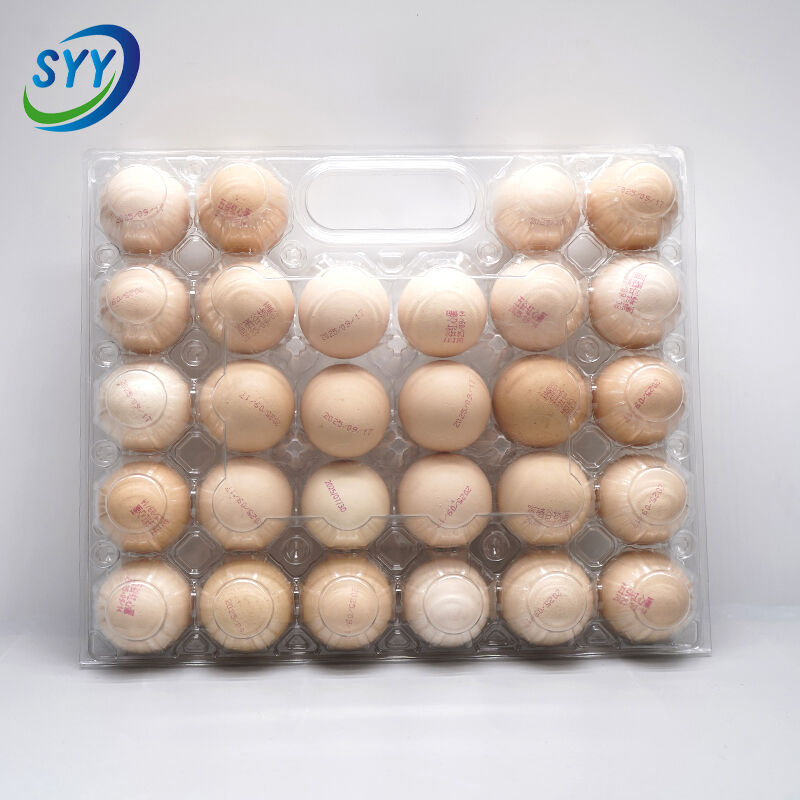
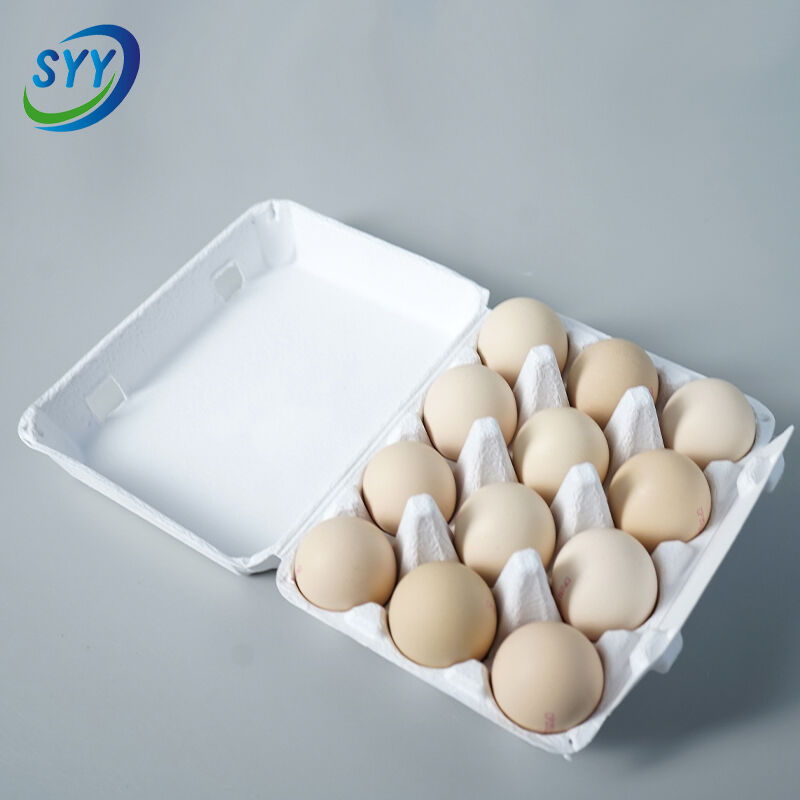
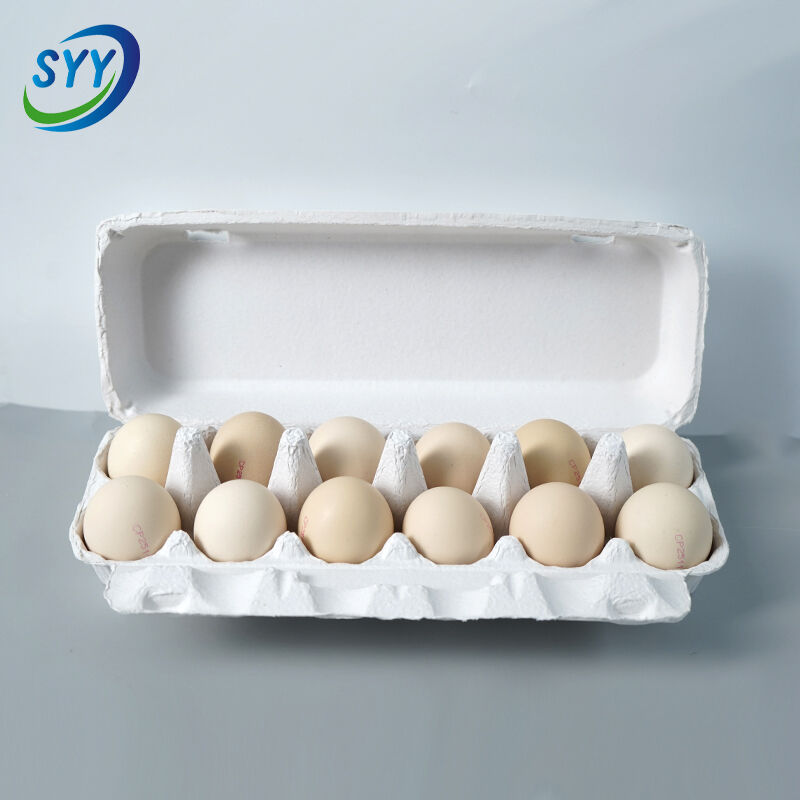
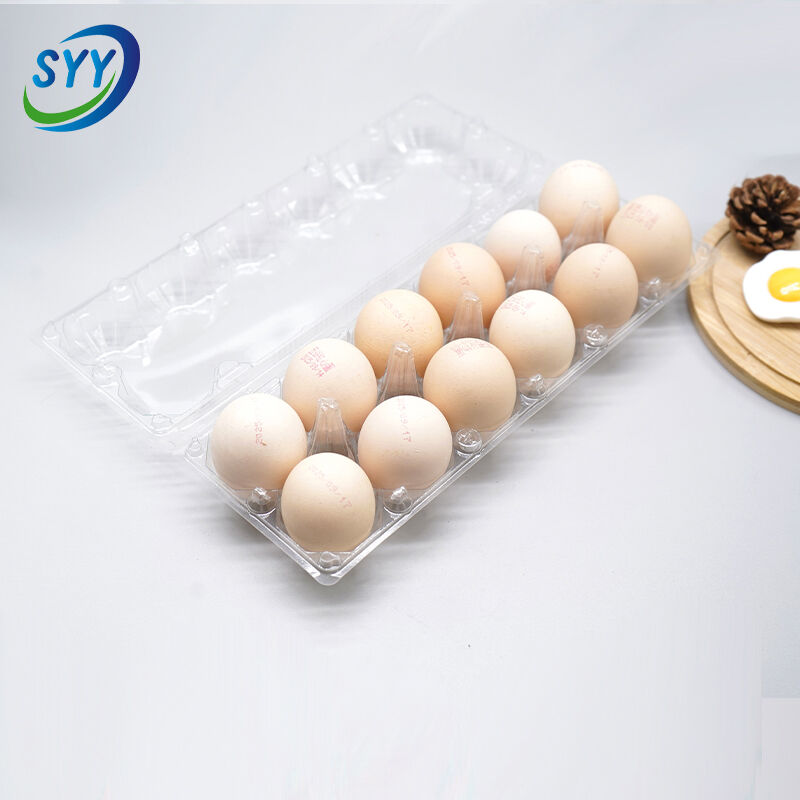
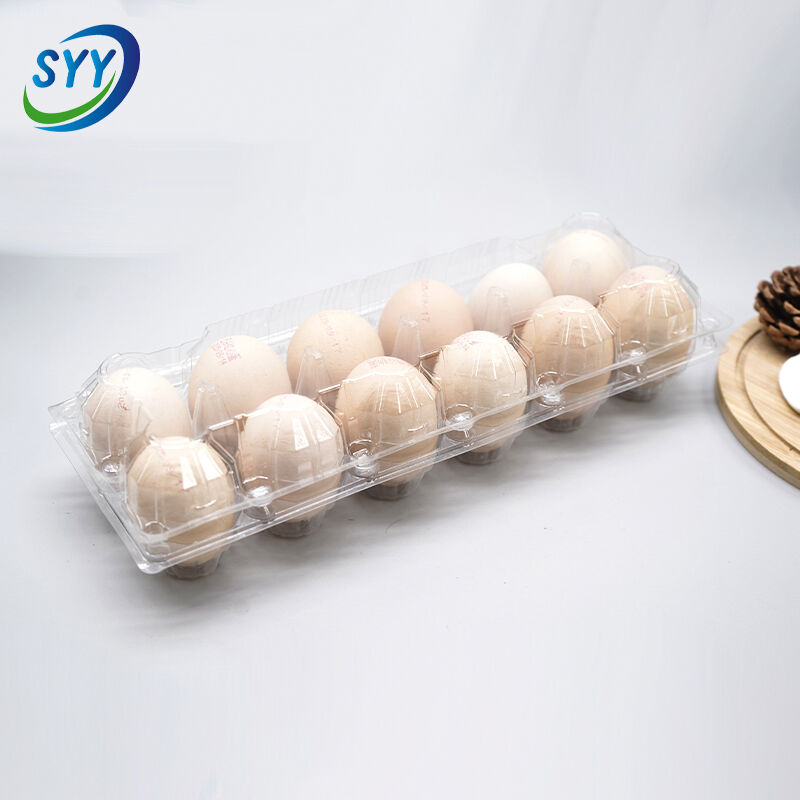
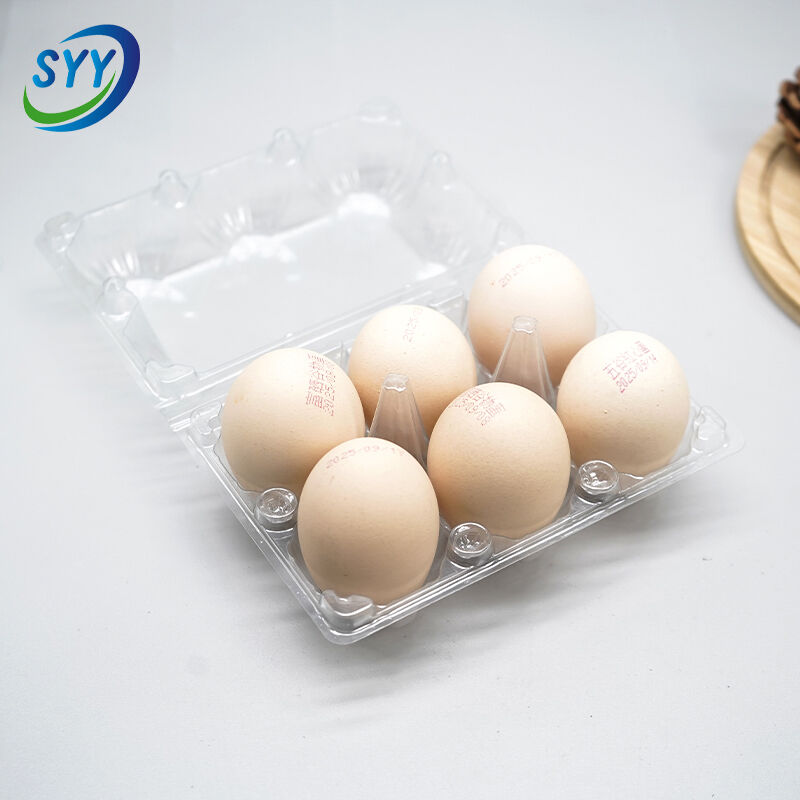
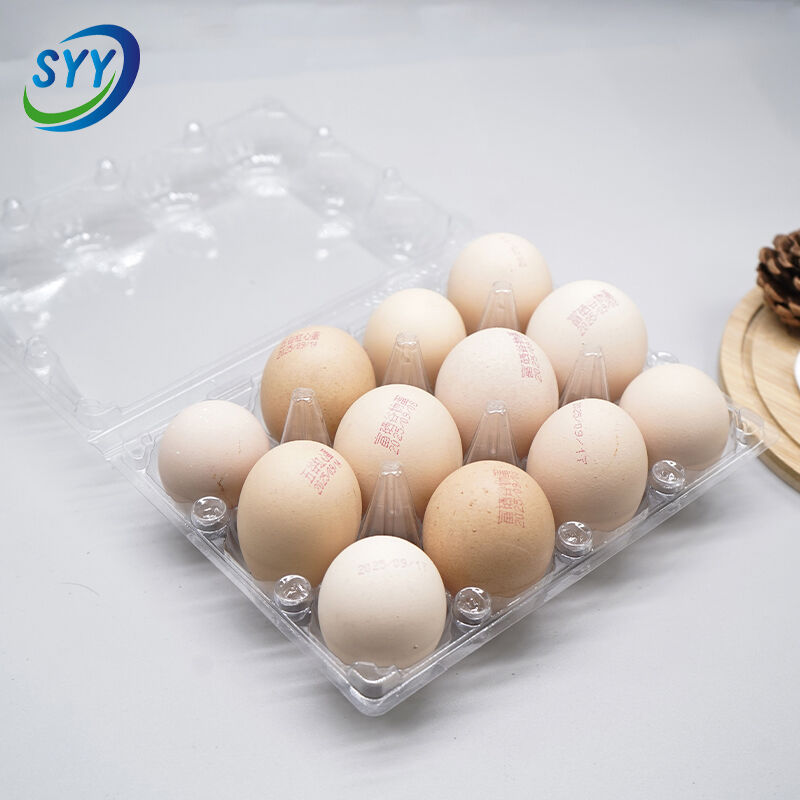
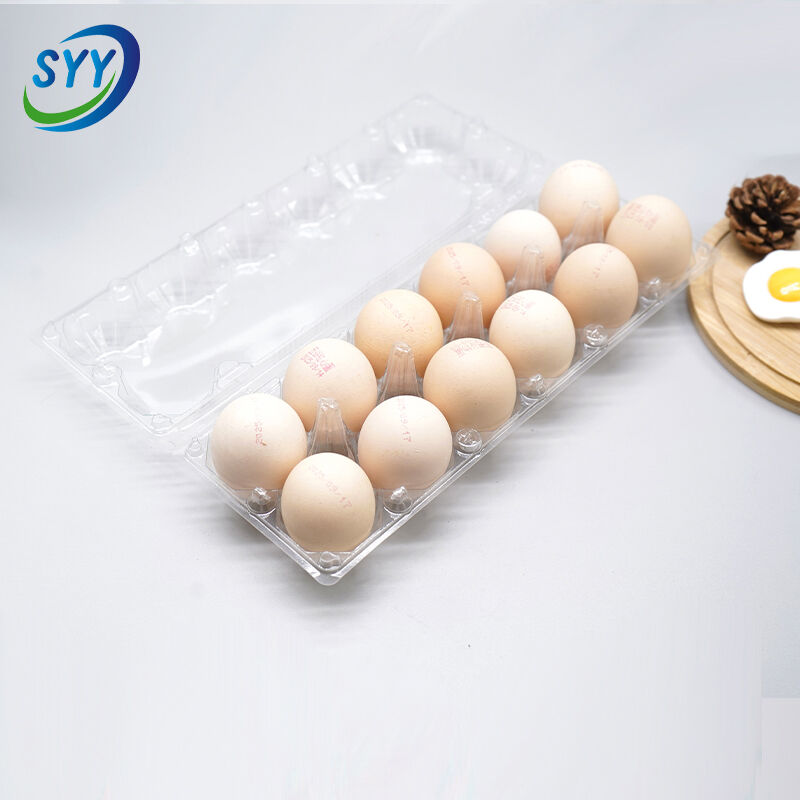
The standard egg tray size represents a critical component in modern egg production and packaging systems, designed to optimize storage, transportation, and handling efficiency across the poultry industry. These specialized trays typically measure 12 inches by 12 inches, accommodating 30 eggs in a 6x5 configuration, though variations exist to suit different operational requirements. The standard egg tray size has become the industry benchmark due to its perfect balance between space utilization and practical handling capabilities. Manufactured primarily from recycled paper pulp, these trays feature molded compartments that cradle each egg individually, providing superior protection against breakage during transport and storage. The technological features of the standard egg tray size include precise cavity dimensions that accommodate various egg sizes, from medium to extra-large, ensuring versatility across different production scales. The surface texture is engineered to provide adequate grip while remaining smooth enough to prevent shell damage. Ventilation channels integrated into the design promote air circulation, maintaining optimal freshness and preventing moisture accumulation that could compromise egg quality. The standard egg tray size serves multiple functions beyond simple containment, acting as a shock absorber that distributes impact forces evenly across the entire tray surface. This engineering marvel incorporates strategically placed reinforcement ribs that enhance structural integrity without adding unnecessary weight. Applications span from commercial poultry farms to retail distribution centers, with the standard egg tray size facilitating seamless integration into automated sorting and packaging machinery. The uniform dimensions ensure compatibility with standard refrigeration units, storage racks, and transportation containers, making it an indispensable tool for maintaining supply chain efficiency. Quality control measures are embedded in the manufacturing process, ensuring each standard egg tray size meets stringent food safety regulations and durability requirements essential for protecting this delicate protein source throughout its journey from farm to consumer.

Popular Products

The standard egg tray size delivers exceptional value through its optimized design that significantly reduces egg breakage rates compared to alternative packaging solutions. Customers experience immediate cost savings as the protective compartments minimize product loss during handling, storage, and transportation phases. The uniform dimensions of the standard egg tray size enable efficient stacking capabilities, maximizing warehouse space utilization and reducing storage costs per unit. This space efficiency translates directly into lower operational expenses for distributors and retailers who can store more inventory in the same footprint. The lightweight construction of the standard egg tray size reduces shipping weights, resulting in decreased transportation costs and environmental impact through reduced fuel consumption. The eco-friendly materials used in manufacturing these trays support sustainability initiatives while maintaining superior performance characteristics. Customers benefit from the easy handling features of the standard egg tray size, as the ergonomic design allows workers to carry multiple trays safely without strain or difficulty. The standardized format ensures compatibility with existing equipment and infrastructure, eliminating costly modifications or specialized handling systems. Temperature regulation is enhanced through the breathable design of the standard egg tray size, which maintains optimal conditions for egg preservation without requiring additional cooling equipment. The moisture-resistant properties prevent condensation buildup that could compromise egg shell integrity or promote bacterial growth. Quality assurance is simplified with the standard egg tray size because the clear compartment separation allows for easy visual inspection and inventory management. Retailers appreciate the professional presentation that these trays provide, as the clean, organized appearance enhances product appeal and customer confidence. The standard egg tray size offers remarkable durability, withstanding multiple uses in commercial settings while maintaining structural integrity throughout extended service periods. Cost-effectiveness is further enhanced by the recyclable nature of these trays, supporting circular economy principles and reducing waste disposal expenses. The proven track record of the standard egg tray size in various climatic conditions ensures reliable performance regardless of geographic location or seasonal variations, providing customers with consistent protection for their valuable egg inventory.

Latest News

Why Do Eggs Break During Shipping? Causes and Best Egg Packaging Solutions Explained

08

May

Why Do Eggs Break During Shipping? Causes and Best Egg Packaging Solutions Explained

Every year, millions of eggs are lost to breakage during transit — a costly problem that affects egg producers, distributors, and retailers alike. The fragility of eggs is not a new challenge, but as supply chains grow more complex and shipping...
View More
What to Look for in Egg Packaging Manufacturers: Quality, Cost, and Customization Guide

12

May

What to Look for in Egg Packaging Manufacturers: Quality, Cost, and Customization Guide

Choosing the right egg packaging manufacturer is one of the most consequential decisions a poultry producer, retailer, or food distribution business can make. The packaging that holds your eggs does far more than contain a product — it communicates b...
View More
How to Choose the Right Egg Tray Supplier: Key Factors for Reliable Egg Packaging Manufacturers

11

May

How to Choose the Right Egg Tray Supplier: Key Factors for Reliable Egg Packaging Manufacturers

Finding the right egg tray supplier is one of the most consequential procurement decisions a poultry farm, food distributor, or retail chain can make. The quality of your egg packaging directly impacts product integrity during transit, shelf presenta...
View More
Best Egg Packaging Solutions for Supermarkets: Clear PET Egg Cartons for Retail Display

13

May

Best Egg Packaging Solutions for Supermarkets: Clear PET Egg Cartons for Retail Display

In the competitive world of retail grocery, the way eggs are packaged and displayed can significantly influence purchasing decisions. Supermarkets today face mounting pressure to balance product visibility, structural protection, and shelf appeal — a...
View More

Get a Free Quote

We usually reply within 12 hours.
Email
Country/Region
Product Type
Please select your products type
Estimated Order Quantity
Hole Count
Please select your hole count
Packing System
Please select your packing system
Target Delivery Time
Color
Please select your color
Attachment
Please upload at least an attachment
Up to 3 files,more 30mb,suppor jpg、jpeg、png、pdf、doc、docx、xls、xlsx、csv、txt、stp、step、igs、x_t、dxf、prt、sldprt、sat、rar、zip
Message
0/1000

standard egg tray size

Superior Protection and Breakage Prevention Technology

Superior Protection and Breakage Prevention Technology

The standard egg tray size incorporates advanced engineering principles that provide unmatched protection for fragile eggs throughout the entire supply chain process. Each individual compartment is meticulously designed with cushioning walls that absorb impact forces and prevent eggs from colliding with each other during movement and handling. The scientific approach behind the standard egg tray size protection system involves strategic placement of shock-absorbing elements that distribute weight evenly across the tray surface, significantly reducing pressure points that could lead to shell cracking. The curved interior surfaces of each compartment conform naturally to egg shapes, creating a secure cradle that minimizes movement while allowing for natural size variations. This innovative design feature of the standard egg tray size has been proven through extensive testing to reduce breakage rates by up to 85% compared to traditional flat packaging methods. The material composition utilizes specially processed recycled fibers that maintain flexibility under varying temperature conditions, ensuring consistent protection whether eggs are stored in refrigerated environments or ambient temperatures. Quality control measures embedded in the standard egg tray size manufacturing process guarantee uniform wall thickness and density throughout each compartment, eliminating weak spots that could compromise protection capabilities. The reinforcement structure includes strategically placed ribs and supports that prevent tray deformation under load, maintaining compartment integrity even when multiple trays are stacked during storage or transportation. Advanced testing protocols validate the protective capabilities of each standard egg tray size batch, ensuring customers receive products that meet or exceed industry protection standards. The innovative ventilation system integrated into the protection design allows for proper air circulation while maintaining structural strength, preventing moisture accumulation that could weaken shell integrity or promote bacterial growth that might compromise egg quality and safety.
Optimal Space Utilization and Storage Efficiency

Optimal Space Utilization and Storage Efficiency

The standard egg tray size represents the pinnacle of space optimization engineering, designed through careful analysis of storage requirements, transportation constraints, and handling efficiency needs across the global egg industry. The precise 12x12 inch dimensions were selected after extensive research into warehouse rack systems, refrigeration unit specifications, and shipping container standards to ensure maximum compatibility and space utilization. This standardized approach allows customers to achieve optimal density in their storage facilities, with the standard egg tray size fitting perfectly into existing infrastructure without requiring costly modifications or specialized equipment. The stackable design incorporates interlocking features that maintain stability during high-stack storage while preventing compression damage to lower trays, enabling vertical storage solutions that can double or triple storage capacity in the same floor space. Warehouse operators benefit significantly from the uniform dimensions of the standard egg tray size as it simplifies inventory management, reduces handling time, and minimizes worker training requirements for efficient operations. The lightweight construction, typically weighing less than 2.5 ounces per tray, allows workers to handle multiple units safely while reducing cumulative weight in transportation scenarios, leading to substantial cost savings in shipping expenses. Distribution centers experience improved throughput with the standard egg tray size because the consistent dimensions enable automated handling systems to process inventory more efficiently, reducing labor costs and processing time. The space efficiency extends to retail environments where the standard egg tray size fits standard refrigerated display cases and storage coolers without wasted space or awkward positioning that could impact product presentation. Supply chain optimization is achieved through the universal acceptance of the standard egg tray size across different markets and regions, enabling seamless product flow without repackaging requirements that would add costs and handling time. The mathematical precision of the compartment spacing maximizes egg capacity while maintaining adequate separation for protection, achieving the ideal balance between density and safety that customers demand for profitable operations.
Environmental Sustainability and Cost-Effective Operations

Environmental Sustainability and Cost-Effective Operations

The standard egg tray size exemplifies environmental responsibility through its innovative use of 100% recycled paper materials, contributing significantly to circular economy principles while delivering superior performance characteristics that benefit both businesses and the environment. The manufacturing process transforms post-consumer waste paper into high-quality protective packaging, diverting thousands of tons of material from landfills annually while creating value-added products that serve essential food safety functions. This sustainable approach to the standard egg tray size production reduces the carbon footprint associated with packaging by eliminating the need for virgin materials and energy-intensive manufacturing processes required for plastic alternatives. The biodegradable nature of these trays ensures that disposed units return to the earth naturally without leaving harmful residues or contributing to long-term environmental pollution that plagues synthetic packaging options. Customers benefit from the cost-effectiveness of the standard egg tray size as the recycled material sourcing keeps production costs low, savings that are passed through to end users while supporting environmental stewardship goals. The water-based manufacturing process eliminates toxic chemicals and solvents commonly used in plastic production, creating safer working conditions and reducing environmental contamination risks throughout the supply chain. Energy efficiency is maximized in standard egg tray size production through optimized molding processes that require significantly less energy than plastic injection molding or foam production, contributing to lower overall environmental impact and reduced manufacturing costs. The lightweight design reduces transportation fuel consumption and associated emissions, with studies showing up to 40% reduction in shipping-related carbon footprint compared to heavier packaging alternatives. End-of-life disposal is simplified with the standard egg tray size as the compostable materials can be processed in commercial composting facilities or even home composting systems, eliminating waste disposal costs and supporting soil enhancement programs. The renewable nature of the raw materials ensures sustainable long-term availability without depleting finite resources, providing customers with supply chain security and predictable pricing that supports business planning and environmental compliance initiatives that are increasingly important in today's market environment.

Get a Free Quote

We usually reply within 12 hours.
Email
Country/Region
Product Type
Please select your products type
Estimated Order Quantity
Hole Count
Please select your hole count
Packing System
Please select your packing system
Target Delivery Time
Color
Please select your color
Attachment
Please upload at least an attachment
Up to 3 files, each no larger than 30MB. Supported formats: jpg, jpeg, png, pdf, doc, docx, xls, xlsx, csv, txt, stp, step, igs, x_t, dxf, prt, sldprt, sat, rar, zip.
Message
0/1000