Standard Egg Carton Size: Complete Guide to Dimensions, Benefits & Applications

Get a Free Quote

We usually reply within 12 hours.
Email
Country/Region
Product Type
Please select your products type
Estimated Order Quantity
Hole Count
Please select your hole count
Packing System
Please select your packing system
Target Delivery Time
Color
Please select your color
Attachment
Please upload at least an attachment
Up to 3 files, each no larger than 30MB. Supported formats: jpg, jpeg, png, pdf, doc, docx, xls, xlsx, csv, txt, stp, step, igs, x_t, dxf, prt, sldprt, sat, rar, zip.
Message
0/1000

standard egg carton size

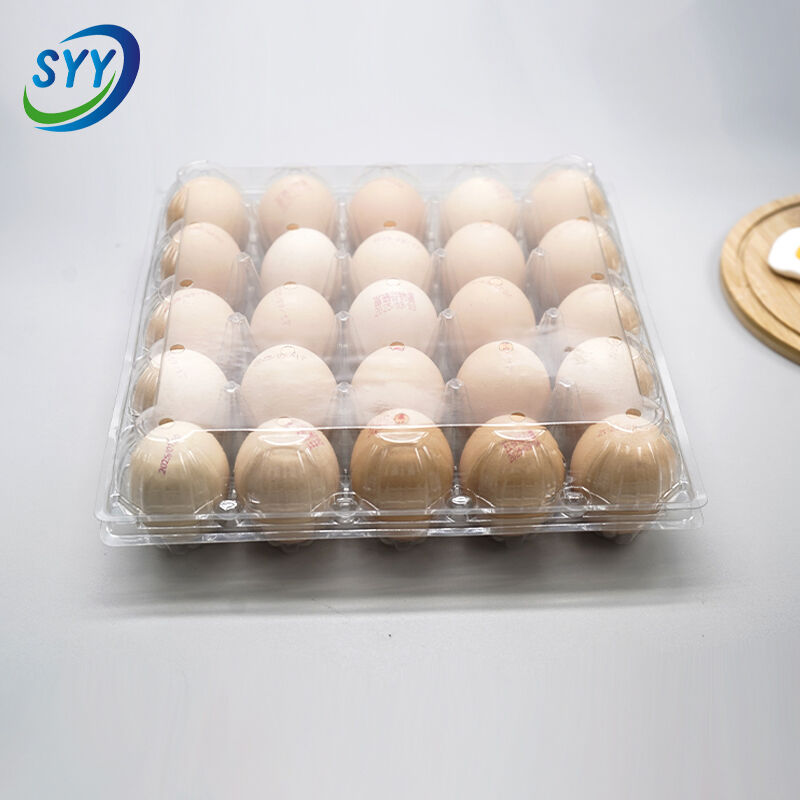
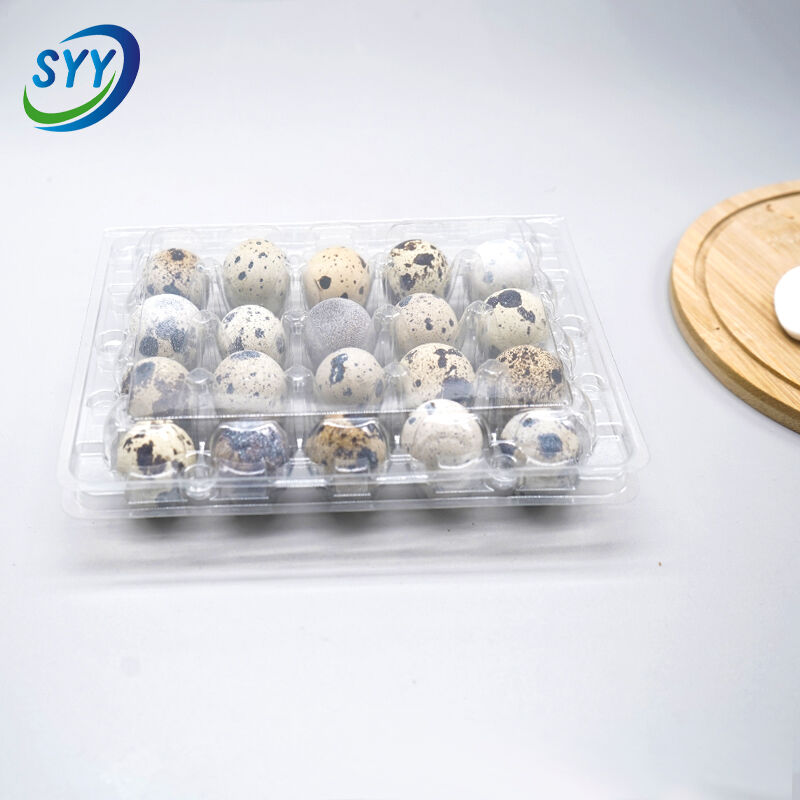
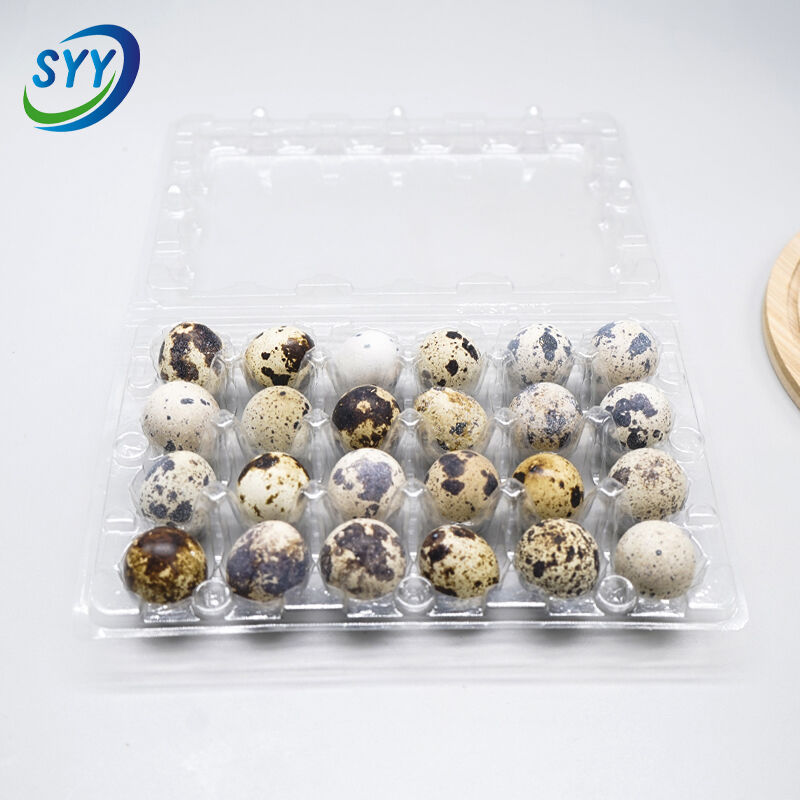
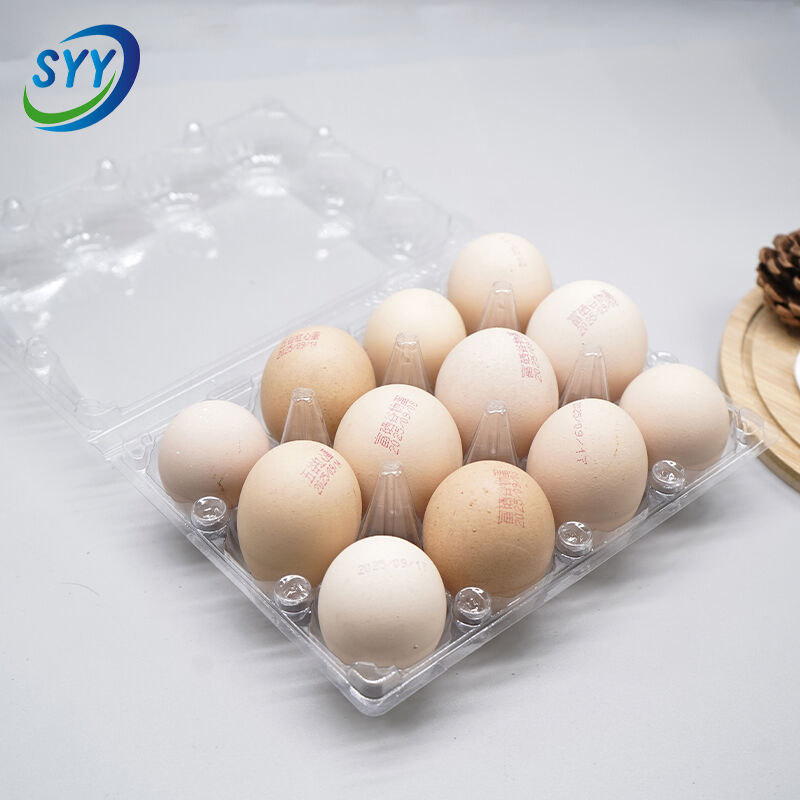
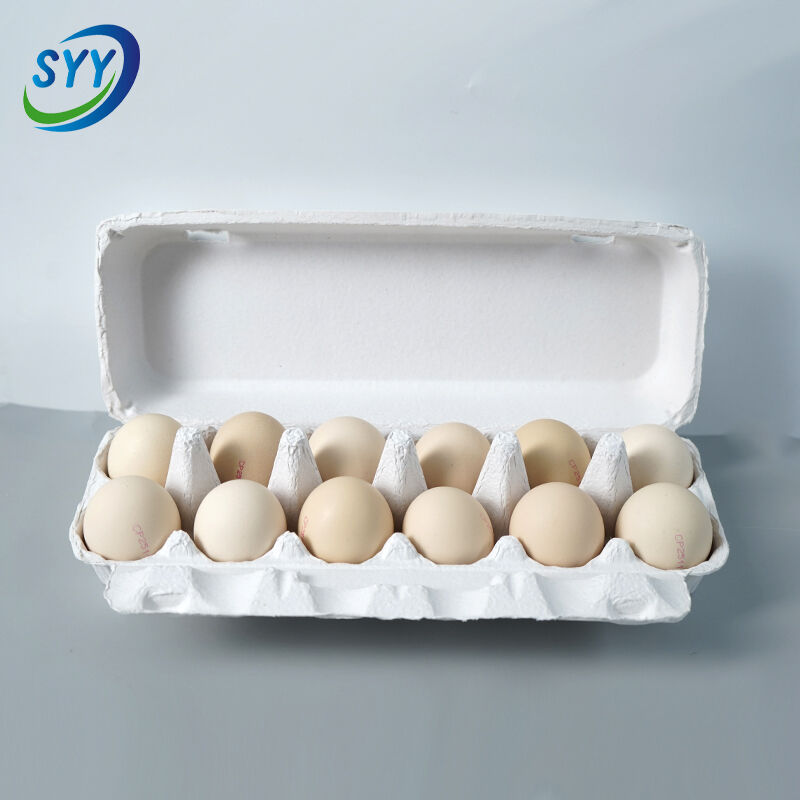
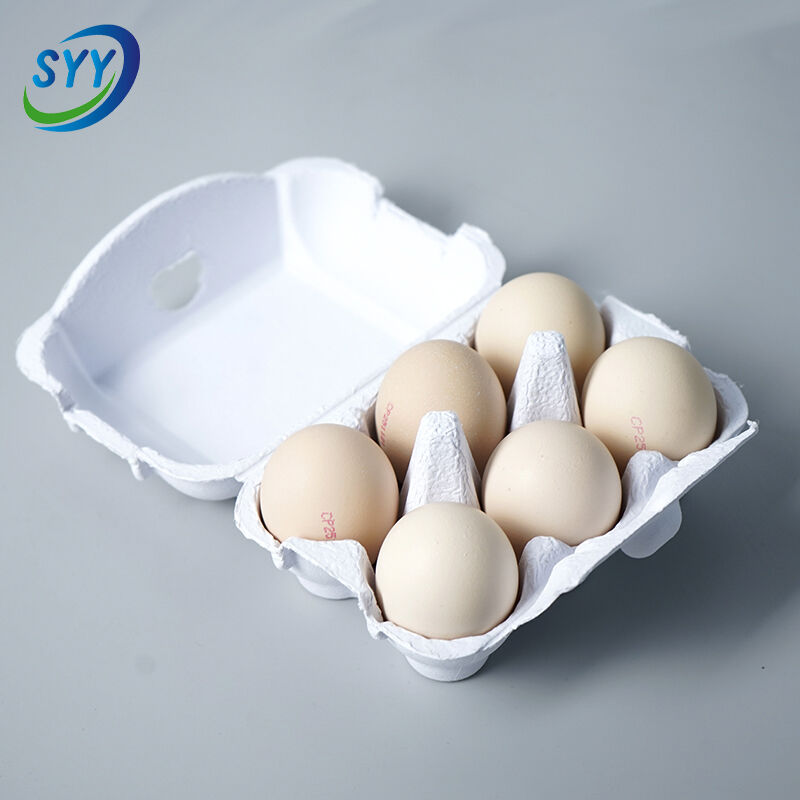
The standard egg carton size represents a crucial component in modern packaging solutions, specifically designed to protect and transport eggs efficiently from production facilities to retail outlets and consumers. This standardized packaging format typically accommodates twelve eggs arranged in a 2x6 or 3x4 configuration, measuring approximately 11.5 inches in length, 3.5 inches in width, and 2.5 inches in height. The standard egg carton size has become the industry benchmark due to its optimal balance between protection, storage efficiency, and consumer convenience. The primary functions of the standard egg carton size include cushioning eggs against impact damage during transportation, providing secure compartmentalization to prevent eggs from colliding with each other, and offering stackable design features that maximize storage space in refrigerators and display cases. Technological features incorporated into the standard egg carton size include molded pulp construction that creates individual egg-shaped depressions, ventilation holes that promote air circulation and prevent moisture buildup, and interlocking lid mechanisms that ensure secure closure during handling. The material composition typically consists of recycled paper pulp or expanded polystyrene, both engineered to absorb shock and maintain structural integrity under normal handling conditions. Applications for the standard egg carton size extend across multiple sectors including commercial egg production facilities, grocery stores, restaurants, and household consumers. The standardized dimensions facilitate compatibility with existing refrigeration systems, display equipment, and transportation containers throughout the supply chain. Manufacturing processes for the standard egg carton size utilize advanced molding techniques that create precise egg-shaped cavities with optimal depth and spacing to accommodate various egg sizes while maintaining protective properties. Quality control measures ensure consistent dimensions and structural strength across production batches, making the standard egg carton size a reliable packaging solution for the global egg industry.

New Products

The standard egg carton size delivers exceptional protection capabilities that significantly reduce breakage rates during transportation and storage, directly translating to cost savings for retailers and fresher products for consumers. This protective advantage stems from the precisely engineered cushioning system that absorbs impact forces and distributes weight evenly across the carton structure. The standardized dimensions create universal compatibility with existing supply chain infrastructure, eliminating the need for specialized handling equipment or modified storage systems. Retailers benefit from streamlined inventory management as the standard egg carton size fits seamlessly into existing refrigerated display cases and storage units without requiring costly modifications or replacements. The stackable design maximizes vertical storage space, allowing businesses to optimize their inventory capacity while maintaining easy access for stock rotation and customer selection. Cost-effectiveness represents another significant advantage of the standard egg carton size, as mass production techniques and standardized manufacturing processes reduce per-unit costs compared to custom packaging solutions. The economies of scale achieved through widespread adoption make this packaging option accessible to producers of all sizes, from small local farms to large commercial operations. Environmental benefits emerge from the standard egg carton size through its recyclable materials and efficient production processes that minimize waste generation. The compact design reduces transportation costs by maximizing the number of units that can be shipped in standard delivery vehicles, contributing to lower carbon footprints and reduced logistics expenses. Consumer convenience features include easy-to-open designs that allow quick access to individual eggs while maintaining the integrity of remaining products, clear visibility for quality inspection, and comfortable handling dimensions that fit standard refrigerator shelves. The standard egg carton size also facilitates accurate portion control and meal planning, as the twelve-egg capacity aligns with common recipe requirements and family consumption patterns. Quality assurance becomes more manageable with standardized packaging, as consistent dimensions and materials enable reliable testing protocols and quality control procedures. Marketing advantages include enhanced brand recognition through consistent packaging appearance and the ability to implement standardized labeling systems that provide clear product information and regulatory compliance across different markets.

Latest News

Why Do Eggs Break During Shipping? Causes and Best Egg Packaging Solutions Explained

08

May

Why Do Eggs Break During Shipping? Causes and Best Egg Packaging Solutions Explained

Every year, millions of eggs are lost to breakage during transit — a costly problem that affects egg producers, distributors, and retailers alike. The fragility of eggs is not a new challenge, but as supply chains grow more complex and shipping...
View More
How to Reduce Egg Breakage During Transport: Best Egg Packaging Solutions for Poultry Farms

07

May

How to Reduce Egg Breakage During Transport: Best Egg Packaging Solutions for Poultry Farms

For poultry farms of every scale, egg breakage during transport represents one of the most persistent and costly operational challenges. Every cracked or shattered egg is not just a lost product — it is lost revenue, wasted labor, and a potenti...
View More
How to Choose the Right Egg Tray Supplier: Key Factors for Reliable Egg Packaging Manufacturers

11

May

How to Choose the Right Egg Tray Supplier: Key Factors for Reliable Egg Packaging Manufacturers

Finding the right egg tray supplier is one of the most consequential procurement decisions a poultry farm, food distributor, or retail chain can make. The quality of your egg packaging directly impacts product integrity during transit, shelf presenta...
View More
Best Egg Packaging Solutions for Supermarkets: Clear PET Egg Cartons for Retail Display

13

May

Best Egg Packaging Solutions for Supermarkets: Clear PET Egg Cartons for Retail Display

In the competitive world of retail grocery, the way eggs are packaged and displayed can significantly influence purchasing decisions. Supermarkets today face mounting pressure to balance product visibility, structural protection, and shelf appeal — a...
View More

Get a Free Quote

We usually reply within 12 hours.
Email
Country/Region
Product Type
Please select your products type
Estimated Order Quantity
Hole Count
Please select your hole count
Packing System
Please select your packing system
Target Delivery Time
Color
Please select your color
Attachment
Please upload at least an attachment
Up to 3 files,more 30mb,suppor jpg、jpeg、png、pdf、doc、docx、xls、xlsx、csv、txt、stp、step、igs、x_t、dxf、prt、sldprt、sat、rar、zip
Message
0/1000

standard egg carton size

Superior Protection Technology and Impact Resistance

Superior Protection Technology and Impact Resistance

The standard egg carton size incorporates advanced protection technology that revolutionizes egg safety during transportation and storage phases. The molded pulp construction creates individual protective chambers that cradle each egg in a custom-fitted depression, eliminating direct contact between eggs and preventing the cascading damage that occurs when one broken egg affects adjacent products. This protection system utilizes shock-absorbing materials that compress upon impact, dissipating kinetic energy away from the fragile egg shells and maintaining product integrity even under challenging handling conditions. The engineering behind the standard egg carton size includes strategic wall thickness variations that provide maximum protection at stress points while maintaining material efficiency and cost-effectiveness. Ventilation channels integrated into the design promote air circulation that prevents condensation buildup, which could weaken egg shells and compromise product quality over extended storage periods. The interlocking lid mechanism creates a secure seal that prevents accidental opening during transportation while allowing easy access for consumers and retailers. Impact resistance testing demonstrates that the standard egg carton size can withstand drops from typical handling heights without compromising egg integrity, making it suitable for automated sorting systems and high-volume retail environments. The protective technology extends beyond physical cushioning to include moisture management features that maintain optimal humidity levels within each compartment, preserving egg freshness and extending shelf life. Quality control measures ensure consistent protection performance across production batches, with rigorous testing protocols that verify impact resistance, compression strength, and environmental stability. The standard egg carton size also incorporates tamper-evident features that provide visual confirmation of product integrity, giving consumers confidence in their purchase while helping retailers identify potentially compromised products. This comprehensive protection technology makes the standard egg carton size the preferred choice for premium egg producers who prioritize product quality and customer satisfaction, demonstrating measurable reductions in breakage rates and customer complaints compared to alternative packaging solutions.
Optimal Space Efficiency and Storage Maximization

Optimal Space Efficiency and Storage Maximization

The standard egg carton size achieves remarkable space efficiency through its meticulously engineered dimensions that maximize storage capacity while maintaining practical handling characteristics for both commercial and residential applications. The standardized measurements ensure perfect compatibility with existing refrigeration systems, shelving units, and display cases, eliminating wasted space and optimizing inventory density throughout the supply chain. This space efficiency translates directly into cost savings for retailers who can stock more products in the same storage area, while consumers benefit from organized refrigerator storage that maintains egg accessibility and freshness. The stackable design of the standard egg carton size allows for vertical storage optimization, with interlocking features that prevent sliding and maintain stability even in high-stack configurations. This stacking capability is particularly valuable in commercial environments where floor space commands premium costs, enabling businesses to maximize their storage capacity without expanding their physical footprint. The compact dimensions facilitate efficient transportation logistics, as the standard egg carton size fits optimally into standard shipping containers and delivery vehicles, maximizing load capacity and reducing per-unit shipping costs. Warehouse operations benefit from the standardized size through improved organization systems that streamline picking, packing, and inventory management processes. The uniform dimensions enable automated handling systems to operate with consistent parameters, reducing equipment wear and maintenance requirements while improving operational efficiency. Retail display advantages include the ability to create attractive, organized presentations that encourage customer purchases while maintaining easy access for restocking activities. The standard egg carton size also supports efficient rotation practices that ensure older inventory moves first, reducing waste and maintaining product freshness standards. Storage versatility extends to residential applications where the standardized dimensions fit perfectly in standard refrigerator door compartments and shelf systems, making household organization more convenient and efficient. The space efficiency achieved by the standard egg carton size contributes to reduced operational costs throughout the supply chain, from production facilities to end consumers, demonstrating the economic advantages of standardized packaging solutions in modern commerce.
Universal Compatibility and Supply Chain Integration

Universal Compatibility and Supply Chain Integration

The standard egg carton size represents a pinnacle of supply chain integration, offering universal compatibility that streamlines operations across diverse market segments and geographic regions. This compatibility extends throughout the entire distribution network, from automated packaging equipment at production facilities to retail display systems and consumer storage solutions, creating seamless integration that reduces complexity and operational costs. The standardized dimensions ensure compatibility with existing infrastructure investments, eliminating the need for costly equipment modifications or specialized handling systems that would otherwise be required for non-standard packaging formats. Manufacturing facilities benefit from the standard egg carton size through simplified production planning and inventory management, as the consistent specifications enable efficient material sourcing and production scheduling across multiple product lines. Transportation logistics become significantly more efficient when using the standard egg carton size, as the uniform dimensions optimize loading patterns in delivery vehicles and shipping containers, maximizing cargo capacity while ensuring secure product placement during transit. Retail integration advantages include seamless compatibility with existing point-of-sale systems, barcode scanning equipment, and automated inventory tracking systems that rely on consistent package dimensions for accurate operation. The standard egg carton size supports efficient cross-docking operations where products move directly from incoming shipments to outgoing deliveries without intermediate storage, reducing handling costs and improving delivery speed. International trade benefits from the standardized approach, as the standard egg carton size meets regulatory requirements across multiple markets, simplifying export procedures and reducing compliance costs for global egg producers. Cold chain management becomes more effective with standardized packaging, as the consistent dimensions enable precise temperature control calculations and optimal air circulation patterns in refrigerated storage and transportation systems. Quality assurance processes gain efficiency through the standard egg carton size, as consistent packaging parameters enable standardized testing protocols and quality control procedures that ensure reliable product standards across different suppliers and production batches. The universal compatibility of the standard egg carton size also facilitates technology integration, supporting advanced tracking systems, inventory management software, and automated handling equipment that rely on consistent package specifications for optimal performance and accuracy in modern supply chain operations.

Get a Free Quote

We usually reply within 12 hours.
Email
Country/Region
Product Type
Please select your products type
Estimated Order Quantity
Hole Count
Please select your hole count
Packing System
Please select your packing system
Target Delivery Time
Color
Please select your color
Attachment
Please upload at least an attachment
Up to 3 files, each no larger than 30MB. Supported formats: jpg, jpeg, png, pdf, doc, docx, xls, xlsx, csv, txt, stp, step, igs, x_t, dxf, prt, sldprt, sat, rar, zip.
Message
0/1000