Environmental Sustainability and Circular Economy Integration
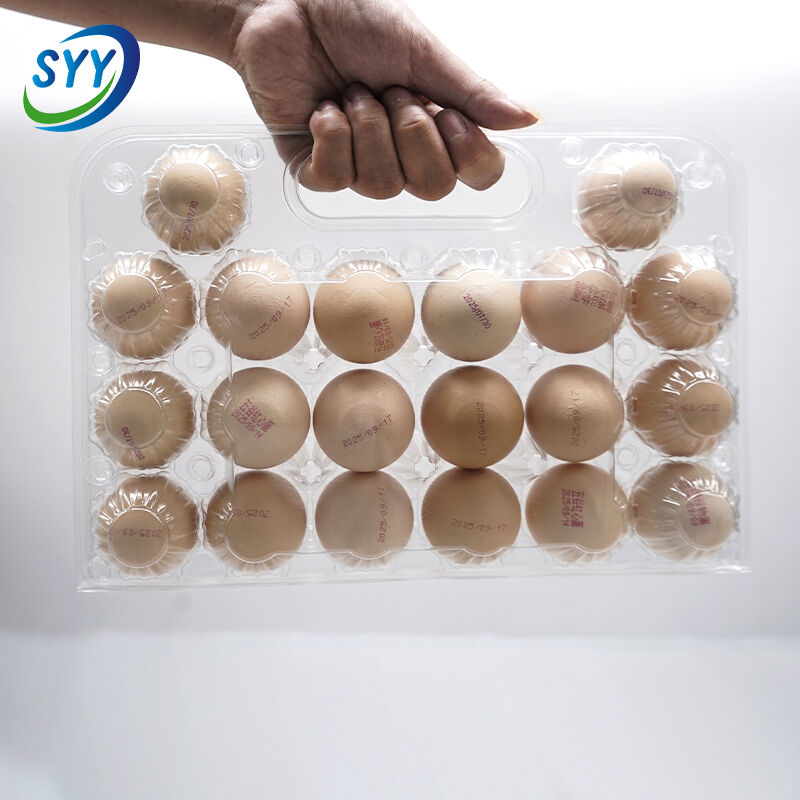
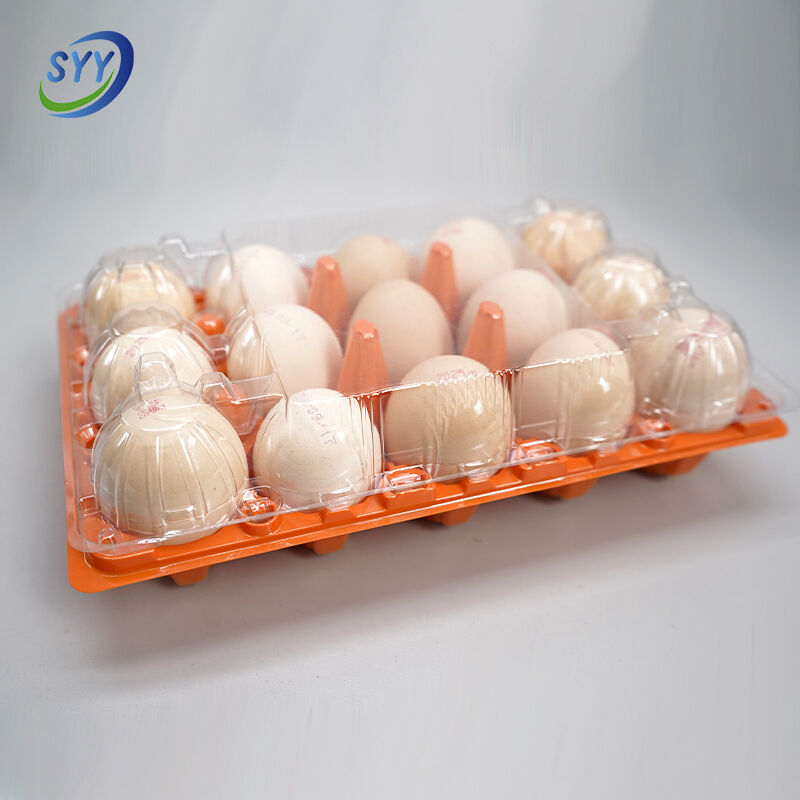
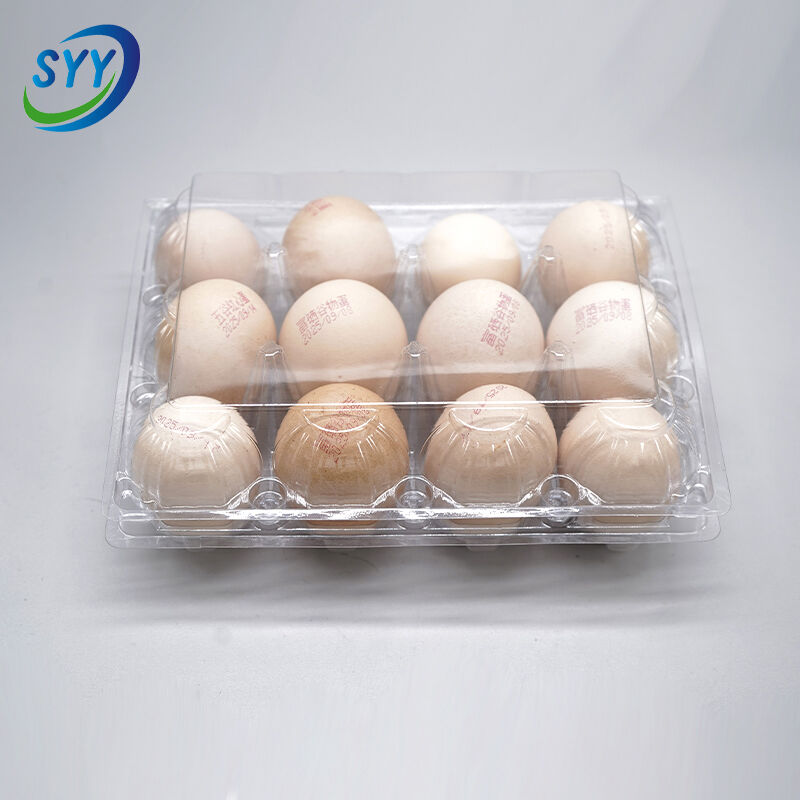
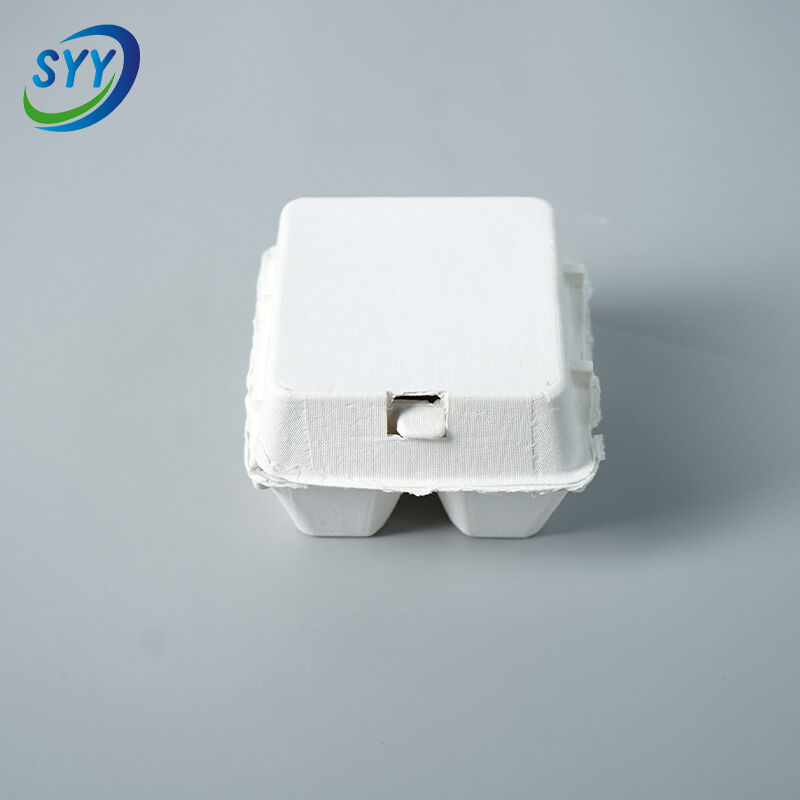
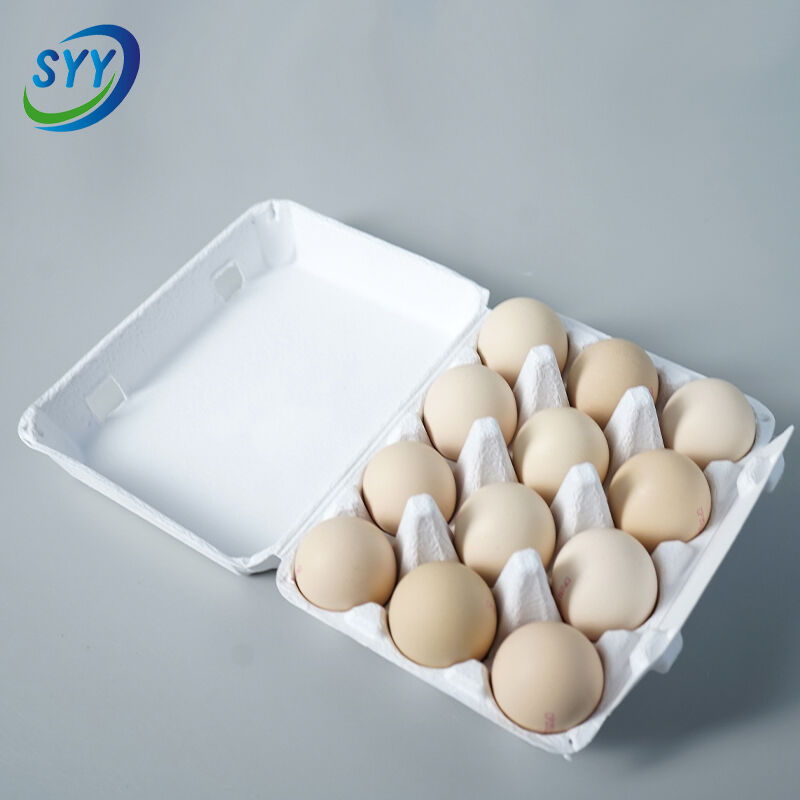
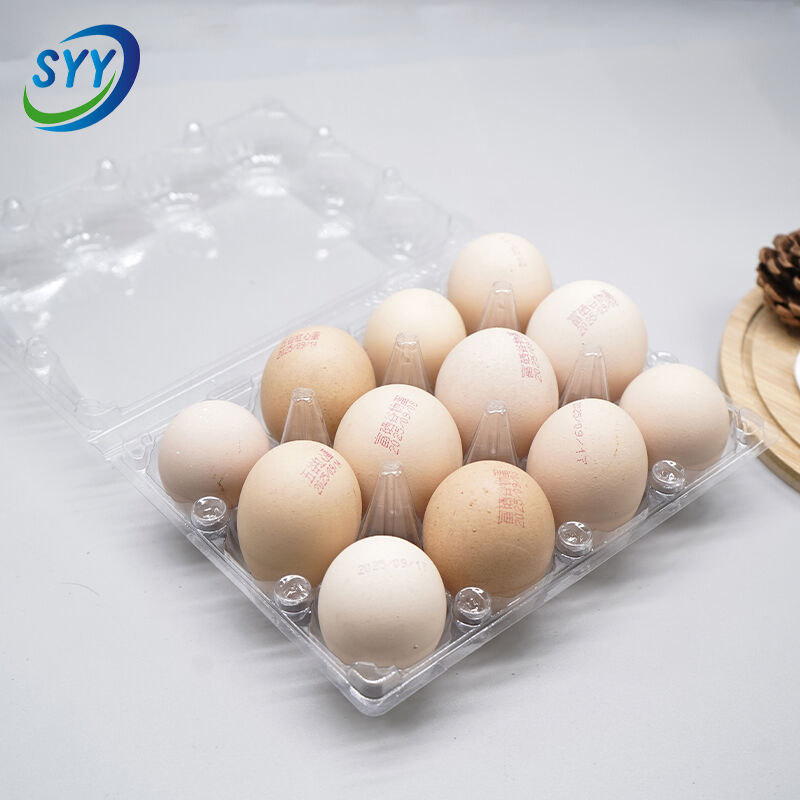
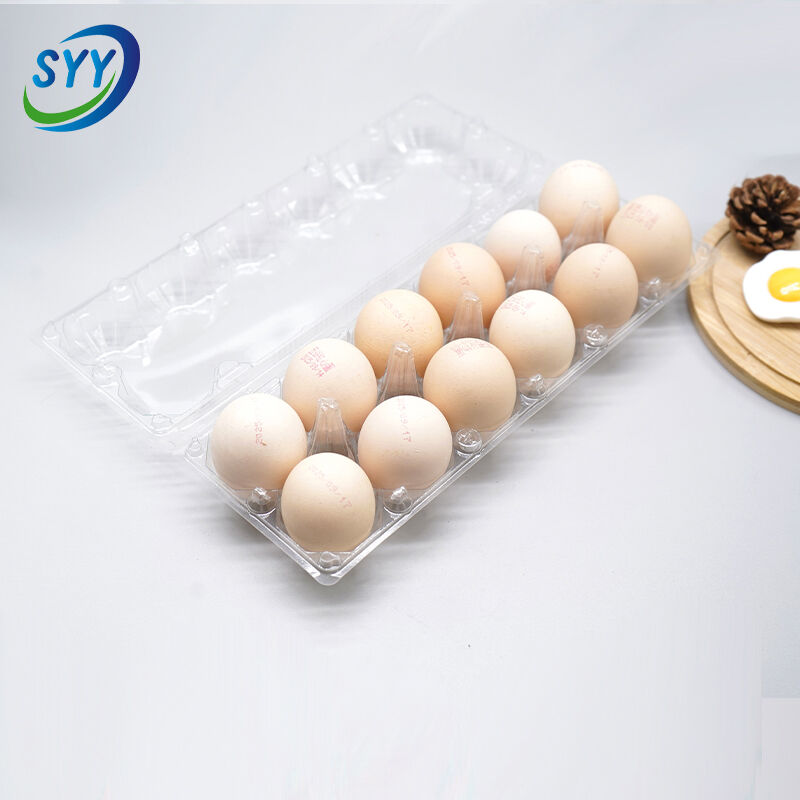
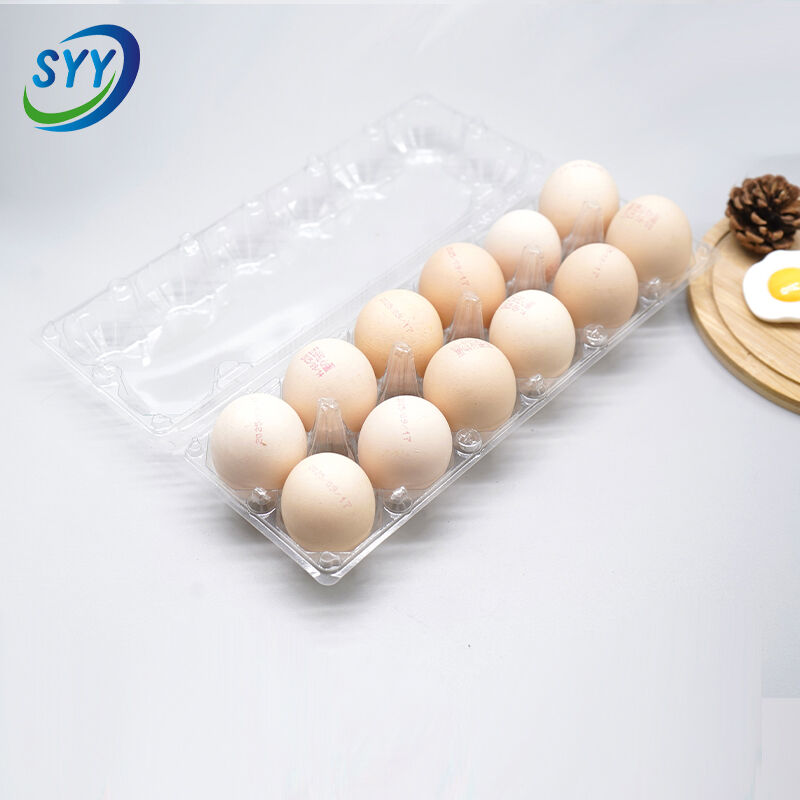
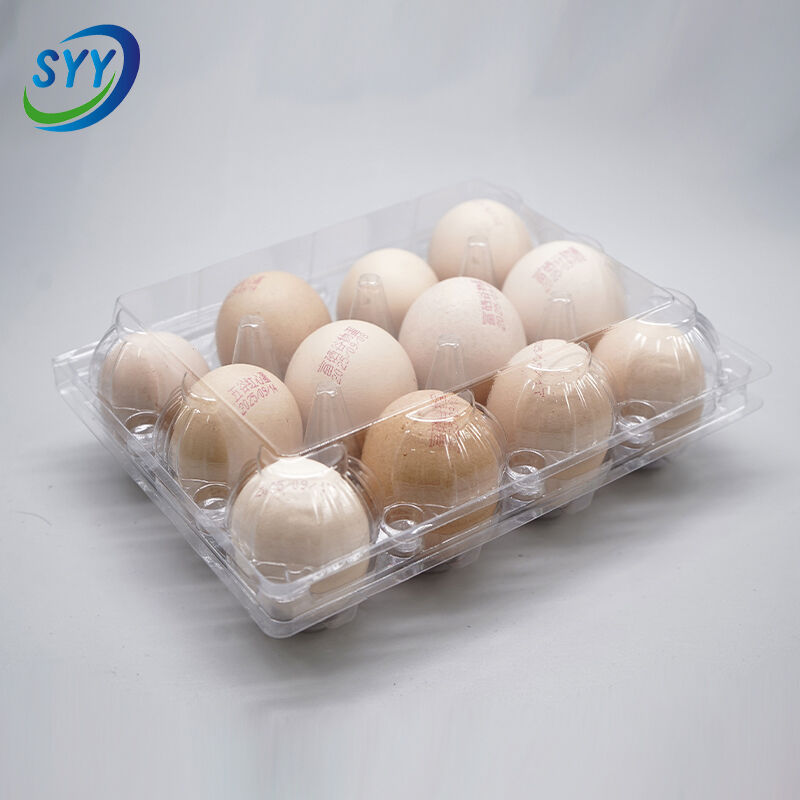
The lightweight egg tray represents a paradigm shift toward environmental responsibility in packaging solutions, integrating circular economy principles with practical business benefits to create truly sustainable operations. Environmental sustainability begins with material sourcing, where each lightweight egg tray contains substantial recycled content derived from post-consumer plastic waste that would otherwise contribute to landfill accumulation or ocean pollution. The manufacturing process emphasizes energy efficiency through advanced production techniques that reduce power consumption by 25% compared to traditional tray manufacturing methods. Life cycle assessments demonstrate that the lightweight egg tray generates 40% fewer carbon emissions throughout its entire lifespan, from raw material extraction through end-of-life recycling processes. The circular economy integration ensures that every lightweight egg tray can be collected, processed, and transformed into new trays through established recycling networks that support local communities and create economic opportunities. Sustainability metrics include comprehensive tracking of environmental impact indicators such as water usage, energy consumption, waste generation, and greenhouse gas emissions throughout the production cycle. The lightweight egg tray design prioritizes durability and reusability, with each unit capable of completing hundreds of transport cycles before requiring recycling, significantly extending product lifespan compared to single-use alternatives. Transportation sustainability benefits emerge from reduced fuel consumption due to lower weight, enabling companies to decrease their carbon footprint while achieving operational cost savings. The environmental advantage extends to packaging efficiency, as the lightweight egg tray requires fewer resources during production while delivering superior performance characteristics. Sustainability partnerships with recycling facilities ensure proper end-of-life management, creating closed-loop systems that minimize waste and maximize resource utilization. The lightweight egg tray manufacturing process eliminates harmful chemicals and volatile organic compounds, maintaining air quality standards and worker safety protocols. Environmental certification programs validate sustainability claims through third-party assessments that verify recycled content percentages, energy efficiency metrics, and overall environmental impact reductions. Corporate sustainability reporting benefits as companies can demonstrate tangible environmental improvements through lightweight egg tray adoption, supporting ESG goals and stakeholder commitments. The sustainability framework includes continuous improvement initiatives that explore new recycling technologies, alternative materials, and production efficiency enhancements to further reduce environmental impact over time.
 EN
EN