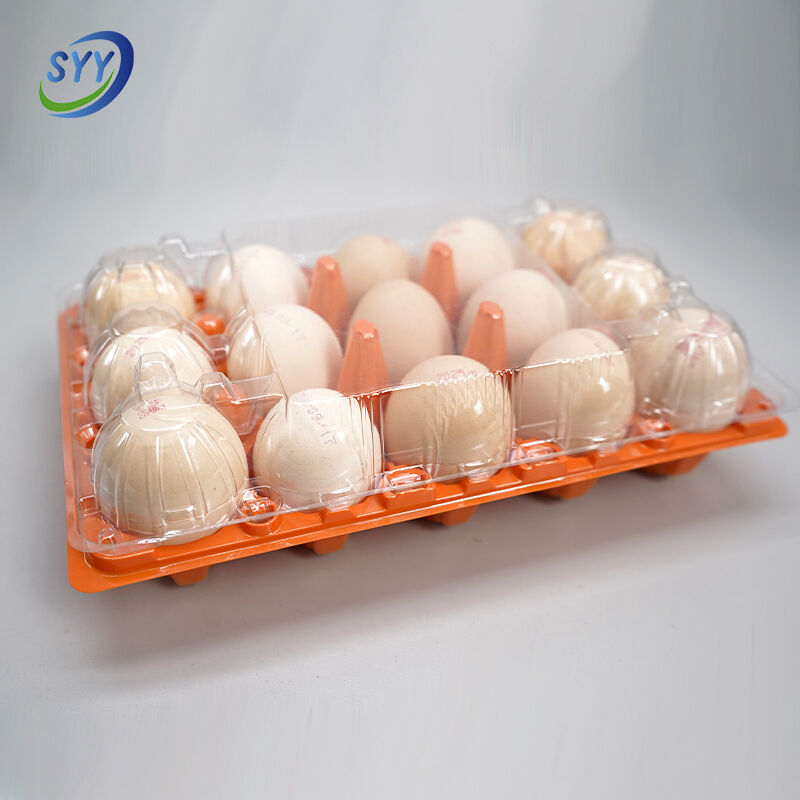
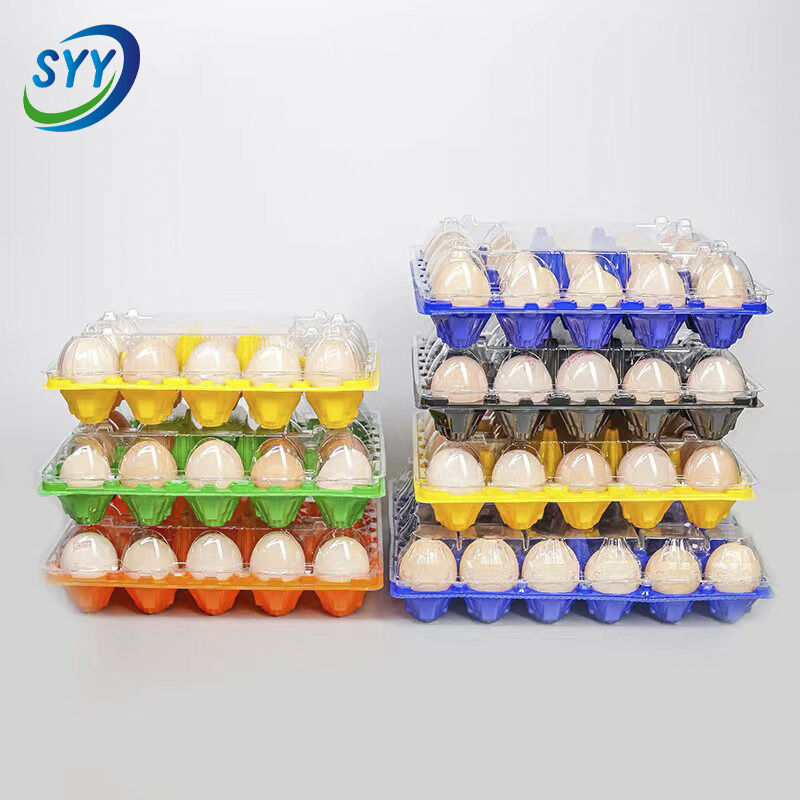
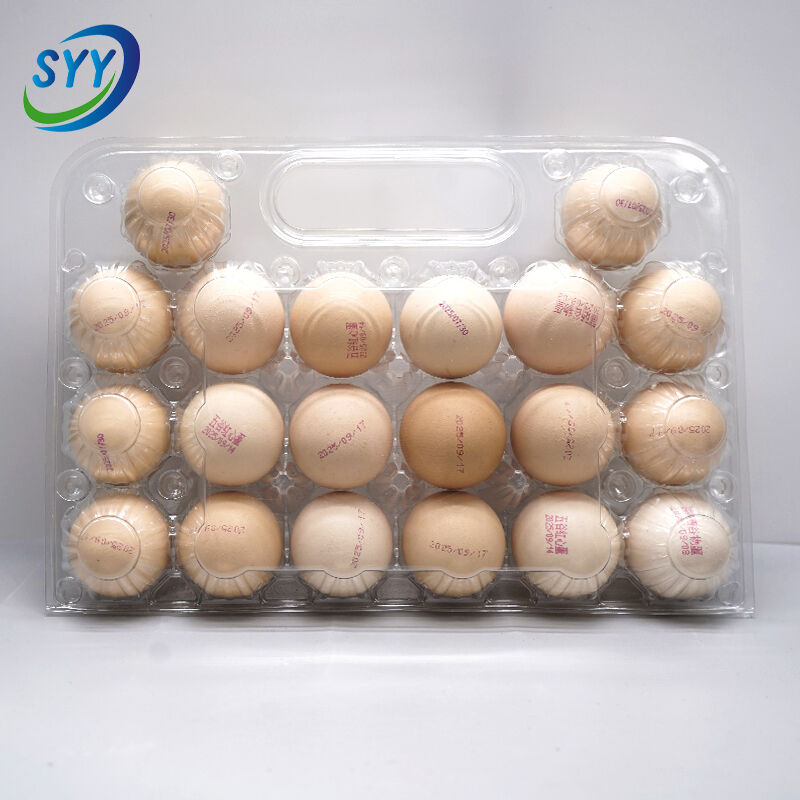
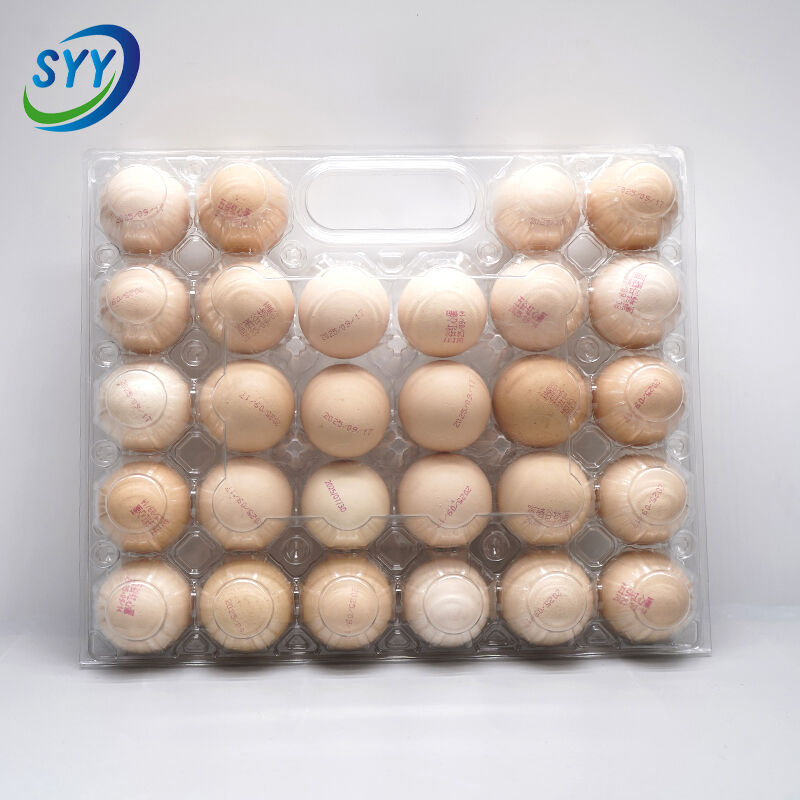
Complete Guide: How to Pack Eggs for Shipping - Professional Techniques for Safe Transport

Get a Free Quote

We usually reply within 12 hours.
Email
Country/Region
Product Type
Please select your products type
Estimated Order Quantity
Hole Count
Please select your hole count
Packing System
Please select your packing system
Target Delivery Time
Color
Please select your color
Attachment
Please upload at least an attachment
Up to 3 files, each no larger than 30MB. Supported formats: jpg, jpeg, png, pdf, doc, docx, xls, xlsx, csv, txt, stp, step, igs, x_t, dxf, prt, sldprt, sat, rar, zip.
Message
0/1000

how to pack eggs for shipping

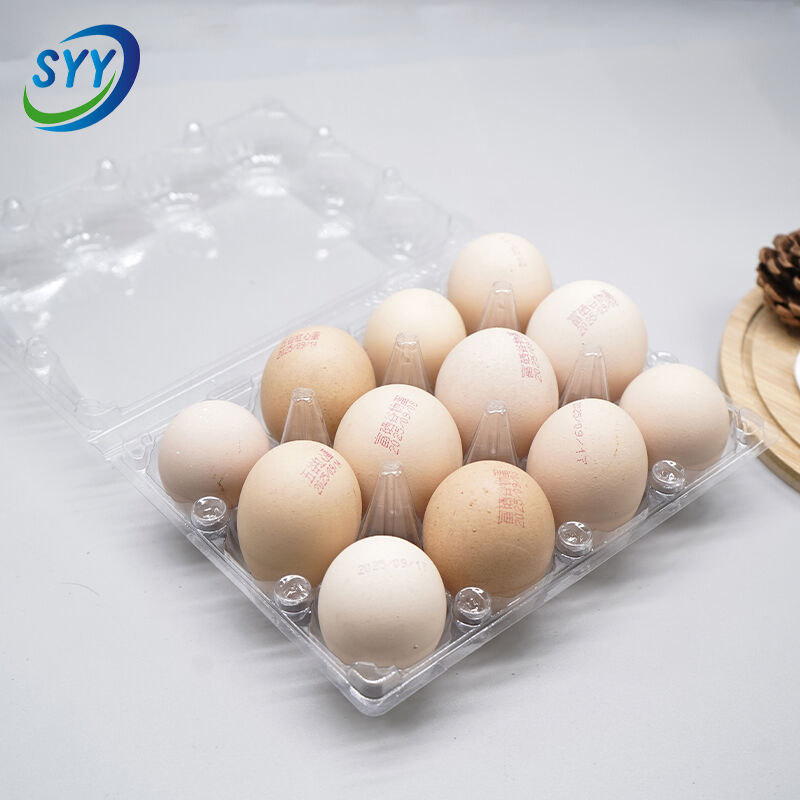
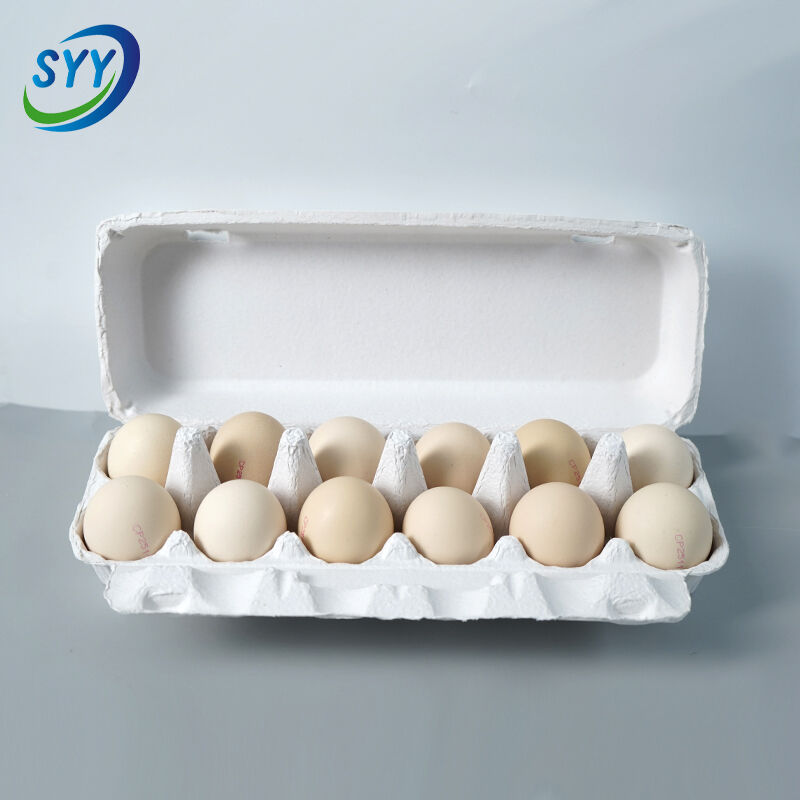
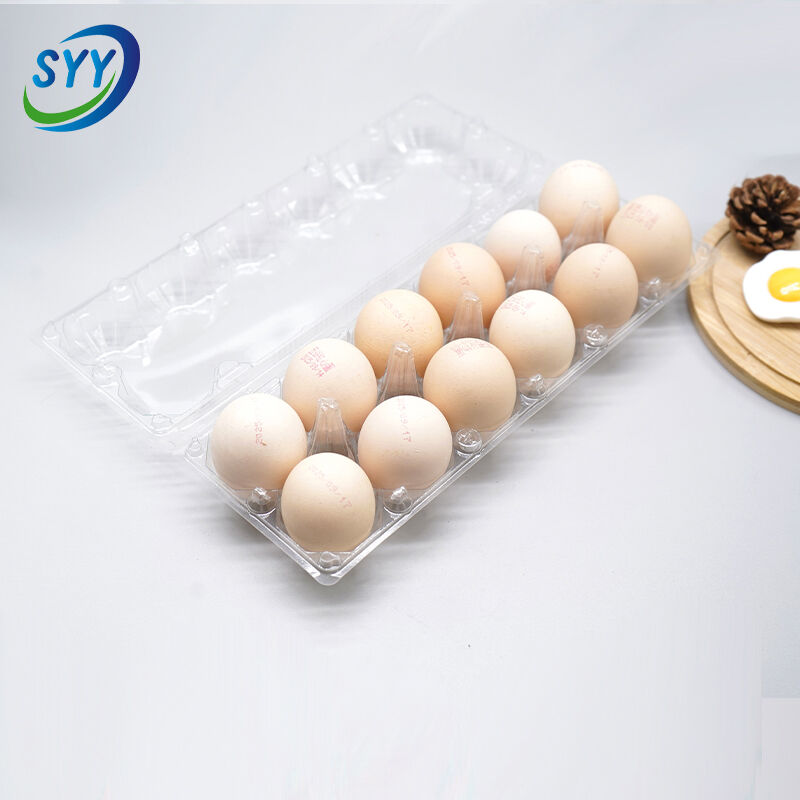
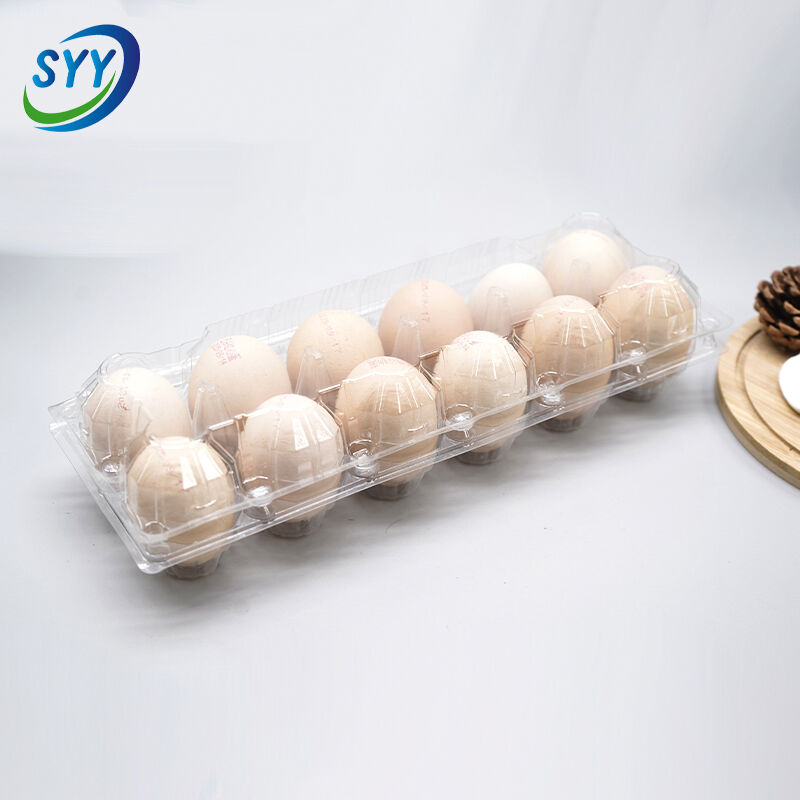
Understanding how to pack eggs for shipping is crucial for businesses and individuals who need to transport these fragile items safely across distances. The process involves specialized techniques and materials designed to protect eggs from breakage during transit. Proper egg packaging serves multiple essential functions, including shock absorption, temperature regulation, and structural protection against external pressures. The primary technological features of effective egg shipping methods incorporate cushioning materials, temperature-controlled environments, and secure containment systems. These packaging solutions utilize foam inserts, bubble wrap, corrugated cardboard dividers, and insulated containers to create multiple layers of protection. Advanced packaging systems also include moisture control elements and impact-resistant outer shells. The applications of proper egg packaging extend beyond commercial food distribution to include specialty farm-to-consumer deliveries, breeding stock transportation, and artisanal egg product shipments. Modern packaging technology employs computer-designed protection systems that calculate optimal spacing and cushioning requirements based on shipping distances and handling conditions. Temperature management features include gel packs, insulated liners, and ventilation systems that maintain consistent conditions throughout the shipping journey. Structural integrity relies on custom-fitted compartments that prevent movement while allowing for natural settling during transport. The packaging process also incorporates labeling systems that clearly identify fragile contents and handling requirements. Quality assurance protocols ensure each package meets industry standards for protection and food safety. Professional packaging services often utilize automated systems that streamline the packing process while maintaining consistent protection standards. These comprehensive approaches to egg shipping have revolutionized the ability to transport fresh eggs over long distances while maintaining product quality and minimizing losses due to breakage or spoilage.

New Product Recommendations

Learning how to pack eggs for shipping provides numerous practical benefits that directly impact both cost savings and customer satisfaction. Proper packaging techniques significantly reduce breakage rates, which translates into substantial financial savings for businesses shipping eggs regularly. When eggs arrive intact at their destination, companies avoid costly replacements, refunds, and damaged reputation issues that result from poor packaging practices. Professional packaging methods also extend shelf life by maintaining optimal temperature and humidity conditions during transit. This preservation capability allows businesses to reach customers in distant markets without compromising product quality or freshness. The systematic approach to egg packaging streamlines operations and reduces packing time per shipment, improving overall efficiency in warehouse and distribution facilities. Trained staff can package eggs more quickly and consistently when following established protocols, leading to increased throughput and reduced labor costs. Customer satisfaction improves dramatically when orders arrive undamaged, resulting in higher repeat purchase rates and positive reviews that drive future sales growth. Proper packaging also reduces insurance claims and liability issues related to damaged shipments, protecting businesses from unexpected financial losses. The professional appearance of well-packaged egg shipments enhances brand perception and demonstrates commitment to quality that customers value and remember. Compliance with shipping regulations becomes easier when using proven packaging methods that meet industry standards for food transportation. This compliance reduces the risk of regulatory violations and associated penalties that can impact business operations. Environmental benefits emerge from optimized packaging that reduces waste through fewer damaged products and more efficient use of materials. The scalability of proper packaging techniques allows businesses to handle increased order volumes without proportional increases in packaging costs or labor requirements. Investment in quality packaging materials and training pays for itself through reduced losses and improved operational efficiency that compounds over time.

Latest News

How to Reduce Egg Breakage During Transport: Best Egg Packaging Solutions for Poultry Farms

07

May

How to Reduce Egg Breakage During Transport: Best Egg Packaging Solutions for Poultry Farms

For poultry farms of every scale, egg breakage during transport represents one of the most persistent and costly operational challenges. Every cracked or shattered egg is not just a lost product — it is lost revenue, wasted labor, and a potenti...
View More
What to Look for in Egg Packaging Manufacturers: Quality, Cost, and Customization Guide

12

May

What to Look for in Egg Packaging Manufacturers: Quality, Cost, and Customization Guide

Choosing the right egg packaging manufacturer is one of the most consequential decisions a poultry producer, retailer, or food distribution business can make. The packaging that holds your eggs does far more than contain a product — it communicates b...
View More
How to Choose the Right Egg Tray Supplier: Key Factors for Reliable Egg Packaging Manufacturers

11

May

How to Choose the Right Egg Tray Supplier: Key Factors for Reliable Egg Packaging Manufacturers

Finding the right egg tray supplier is one of the most consequential procurement decisions a poultry farm, food distributor, or retail chain can make. The quality of your egg packaging directly impacts product integrity during transit, shelf presenta...
View More
Best Egg Packaging Solutions for Supermarkets: Clear PET Egg Cartons for Retail Display

13

May

Best Egg Packaging Solutions for Supermarkets: Clear PET Egg Cartons for Retail Display

In the competitive world of retail grocery, the way eggs are packaged and displayed can significantly influence purchasing decisions. Supermarkets today face mounting pressure to balance product visibility, structural protection, and shelf appeal — a...
View More

Get a Free Quote

We usually reply within 12 hours.
Email
Country/Region
Product Type
Please select your products type
Estimated Order Quantity
Hole Count
Please select your hole count
Packing System
Please select your packing system
Target Delivery Time
Color
Please select your color
Attachment
Please upload at least an attachment
Up to 3 files,more 30mb,suppor jpg、jpeg、png、pdf、doc、docx、xls、xlsx、csv、txt、stp、step、igs、x_t、dxf、prt、sldprt、sat、rar、zip
Message
0/1000

how to pack eggs for shipping

Advanced Multi-Layer Protection System

Advanced Multi-Layer Protection System

The cornerstone of effective how to pack eggs for shipping lies in implementing a sophisticated multi-layer protection system that safeguards eggs throughout their entire journey from origin to destination. This comprehensive approach begins with individual egg protection using specialized foam inserts or molded pulp trays that cradle each egg in its own secure compartment, preventing contact between eggs that could cause cracking or breakage during movement. The primary layer utilizes shock-absorbing materials that distribute impact forces across the entire surface area rather than concentrating pressure on vulnerable points. Secondary protection involves cushioning materials such as bubble wrap, foam padding, or biodegradable packing peanuts that fill void spaces and provide additional impact resistance. The tertiary layer consists of rigid outer containers made from corrugated cardboard or plastic that maintain structural integrity under stacking pressure and external forces encountered during shipping and handling. Advanced systems incorporate temperature regulation through insulated liners that maintain consistent conditions regardless of external weather variations or storage environments. Moisture control elements prevent condensation buildup that could weaken packaging materials or affect egg quality during extended shipping periods. The multi-layer approach also includes vibration dampening features that minimize the effects of vehicle movement and handling equipment operations. Professional packaging services often employ custom-designed solutions that calculate optimal protection levels based on specific shipping routes, handling procedures, and destination requirements. Quality testing protocols verify that each layer performs effectively under simulated shipping conditions, ensuring reliable protection for valuable egg shipments. This systematic protection methodology has proven effective across various shipping distances and handling conditions, making it the preferred choice for businesses requiring consistent delivery of intact eggs to their customers.
Temperature-Controlled Preservation Technology

Temperature-Controlled Preservation Technology

Mastering how to pack eggs for shipping requires understanding the critical importance of temperature-controlled preservation technology that maintains egg quality and safety throughout the distribution process. Professional-grade insulated packaging systems utilize advanced materials that regulate internal temperatures regardless of external environmental conditions encountered during transportation. These systems employ phase-change materials, gel packs, and insulated liners that work together to create stable microclimates within shipping containers. The technology prevents temperature fluctuations that could compromise egg freshness, extend shelf life, or create food safety concerns for end consumers. Proper temperature management also reduces the risk of condensation formation that could weaken packaging materials or create bacterial growth conditions. Advanced preservation systems include ventilation features that allow controlled air circulation while maintaining temperature stability, preventing the buildup of gases that could affect egg quality. Monitoring capabilities in premium systems provide real-time temperature tracking throughout the shipping journey, enabling proactive adjustments when conditions deviate from optimal ranges. The preservation technology also accommodates different egg types and shipping durations, from standard chicken eggs requiring basic temperature control to specialty breeding eggs needing precise environmental conditions. Seasonal adaptations allow the same packaging system to perform effectively in summer heat or winter cold by adjusting insulation levels and cooling or warming elements as needed. Cost-effective preservation solutions balance protection requirements with shipping economics, providing adequate temperature control without excessive material costs that would make shipping prohibitively expensive. The reliability of temperature-controlled systems reduces product loss rates and maintains customer satisfaction levels that support long-term business relationships. Integration with logistics systems allows temperature preservation technology to coordinate with shipping schedules and routing decisions that optimize both protection and delivery timing for maximum effectiveness.
Streamlined Packaging Process Efficiency

Streamlined Packaging Process Efficiency

The methodology of how to pack eggs for shipping emphasizes streamlined process efficiency that transforms complex packaging requirements into manageable, repeatable procedures that save time and reduce errors in high-volume operations. Standardized packaging protocols eliminate guesswork and variability by providing clear step-by-step instructions that any trained employee can follow consistently, regardless of experience level or shift timing. Efficient processes utilize pre-assembled packaging components that reduce setup time per shipment while ensuring uniform protection standards across all orders. Assembly line techniques allow multiple workers to specialize in specific packaging steps, increasing overall throughput while maintaining quality control at each stage of the process. Material optimization strategies ensure that packaging supplies are readily available and properly organized to prevent delays or substitutions that could compromise protection levels. Time-saving tools such as automated tape dispensers, pre-cut cushioning materials, and quick-assembly containers reduce manual labor requirements while improving packaging speed and consistency. Quality checkpoints integrated into the streamlined process catch potential issues before packages leave the facility, preventing costly returns or customer complaints due to inadequate protection. Training programs that focus on process efficiency help employees develop muscle memory and efficiency improvements that compound over time, leading to significant productivity gains. Inventory management systems coordinate packaging material supplies with shipping schedules to prevent stockouts or excess inventory that ties up working capital unnecessarily. Performance metrics track packaging efficiency improvements and identify opportunities for further optimization through process refinements or equipment upgrades. The scalable nature of streamlined packaging processes allows businesses to handle seasonal volume fluctuations or growth without proportional increases in staffing or facilities. Documentation of efficient packaging procedures enables consistent training of new employees and maintains quality standards even during staff turnover or expansion periods. Cost tracking capabilities help businesses understand the true economics of their packaging operations and make informed decisions about investments in efficiency improvements.

Get a Free Quote

We usually reply within 12 hours.
Email
Country/Region
Product Type
Please select your products type
Estimated Order Quantity
Hole Count
Please select your hole count
Packing System
Please select your packing system
Target Delivery Time
Color
Please select your color
Attachment
Please upload at least an attachment
Up to 3 files, each no larger than 30MB. Supported formats: jpg, jpeg, png, pdf, doc, docx, xls, xlsx, csv, txt, stp, step, igs, x_t, dxf, prt, sldprt, sat, rar, zip.
Message
0/1000