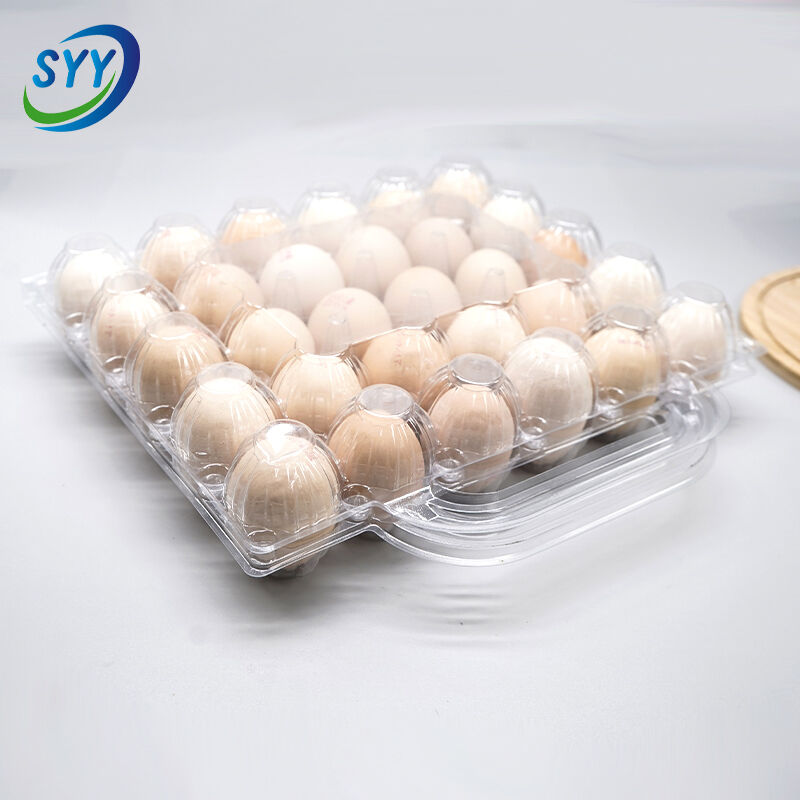
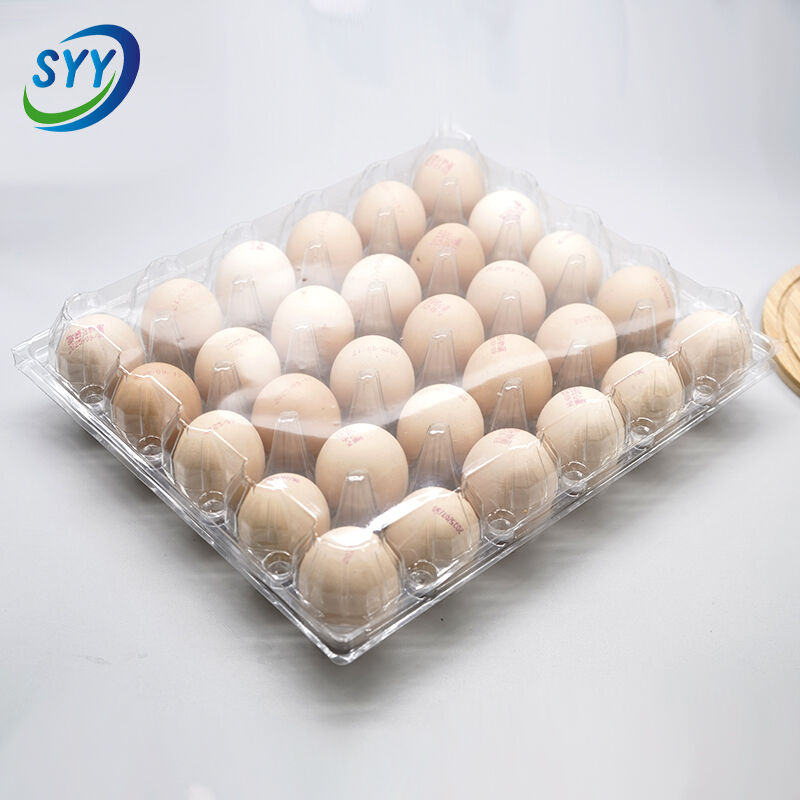
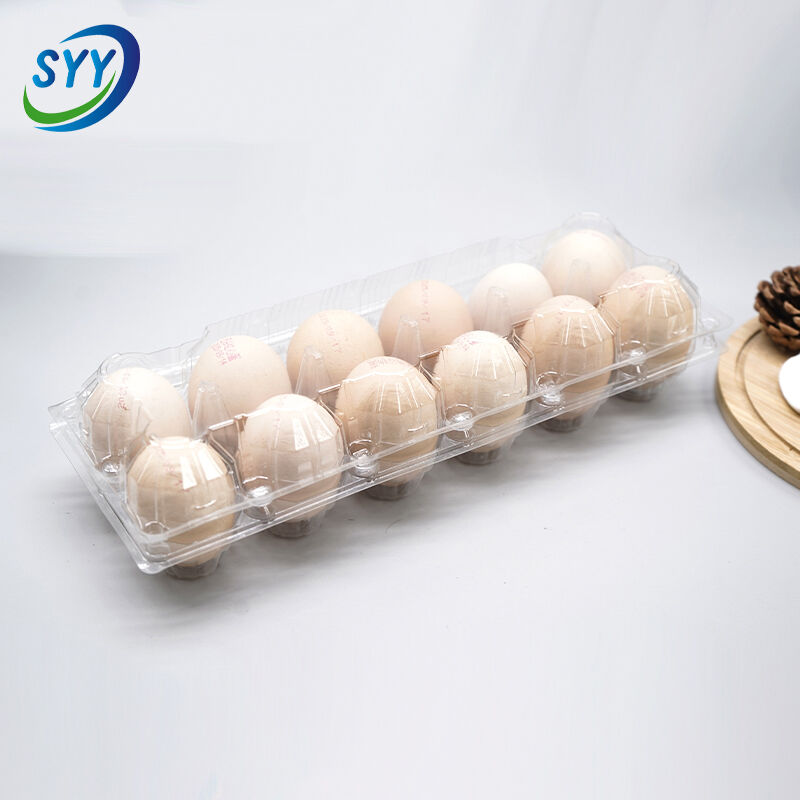
Premium Egg Safety Packaging Solutions - Advanced Protection for Fresh Egg Distribution

Get a Free Quote

We usually reply within 12 hours.
Email
Country/Region
Product Type
Please select your products type
Estimated Order Quantity
Hole Count
Please select your hole count
Packing System
Please select your packing system
Target Delivery Time
Color
Please select your color
Attachment
Please upload at least an attachment
Up to 3 files, each no larger than 30MB. Supported formats: jpg, jpeg, png, pdf, doc, docx, xls, xlsx, csv, txt, stp, step, igs, x_t, dxf, prt, sldprt, sat, rar, zip.
Message
0/1000

egg safety packaging

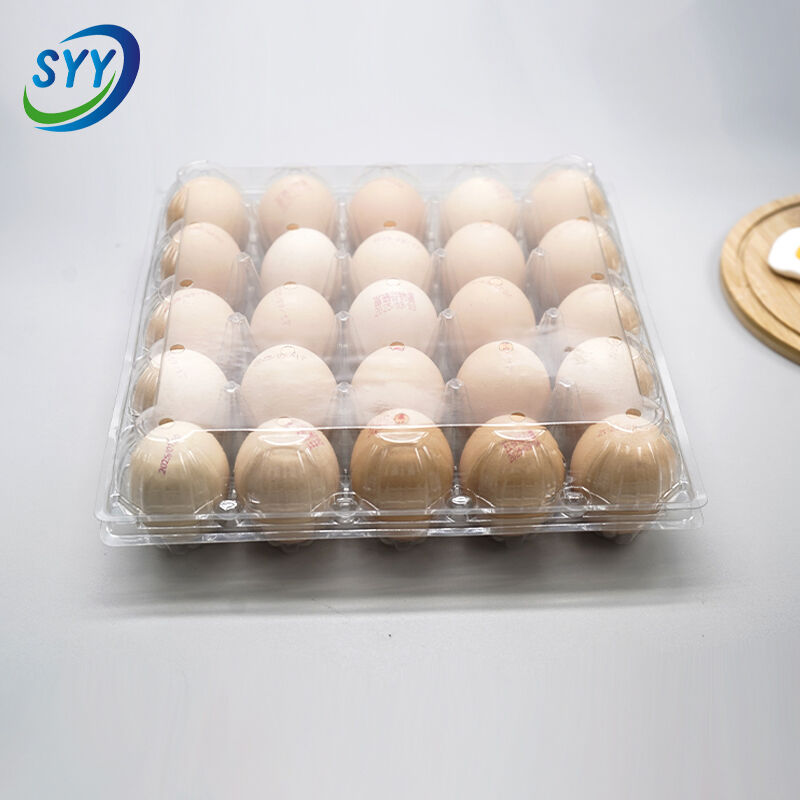
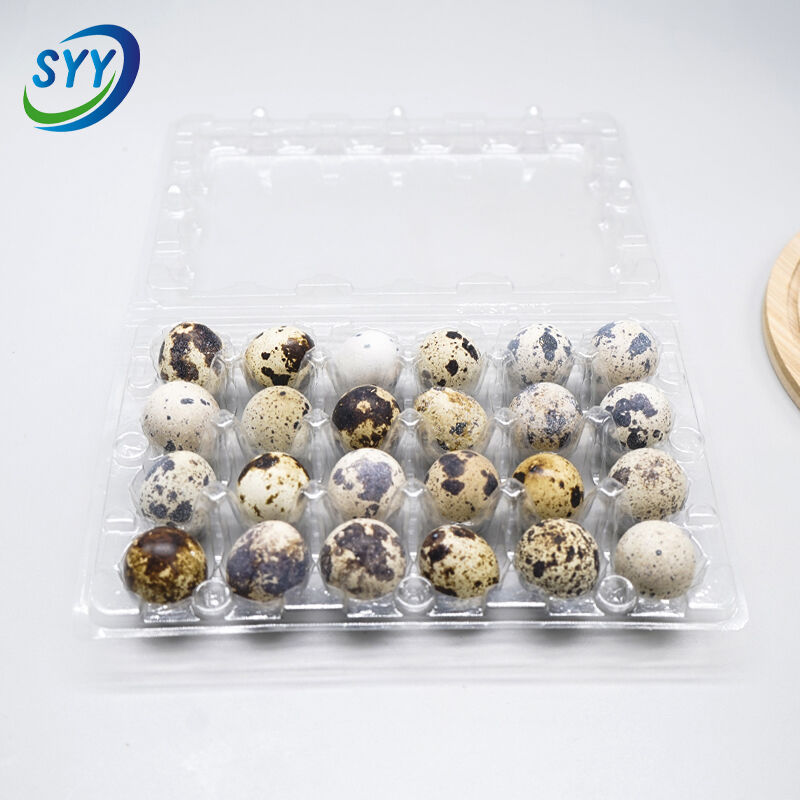
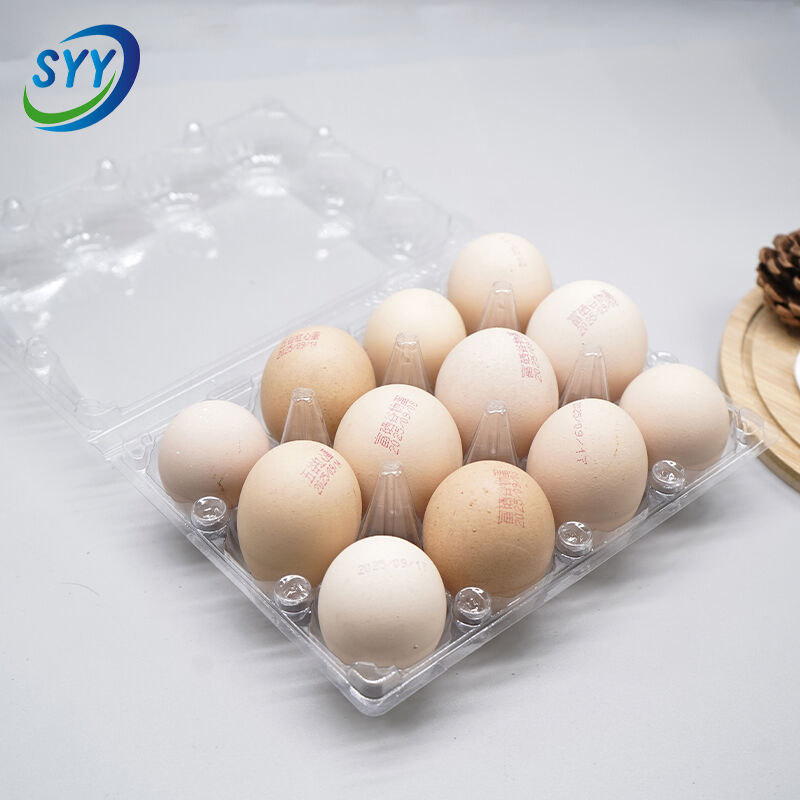
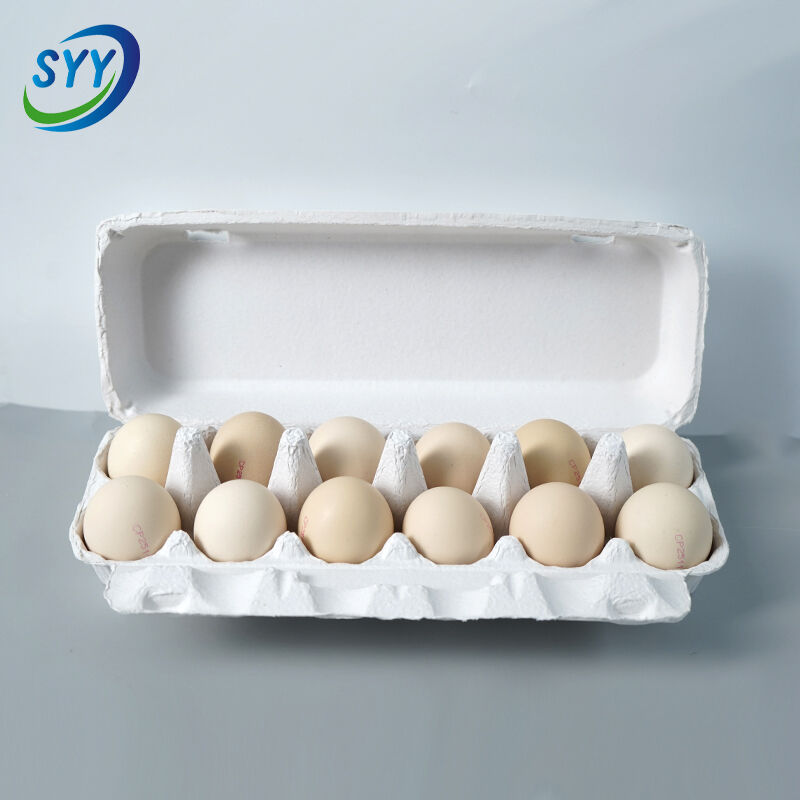
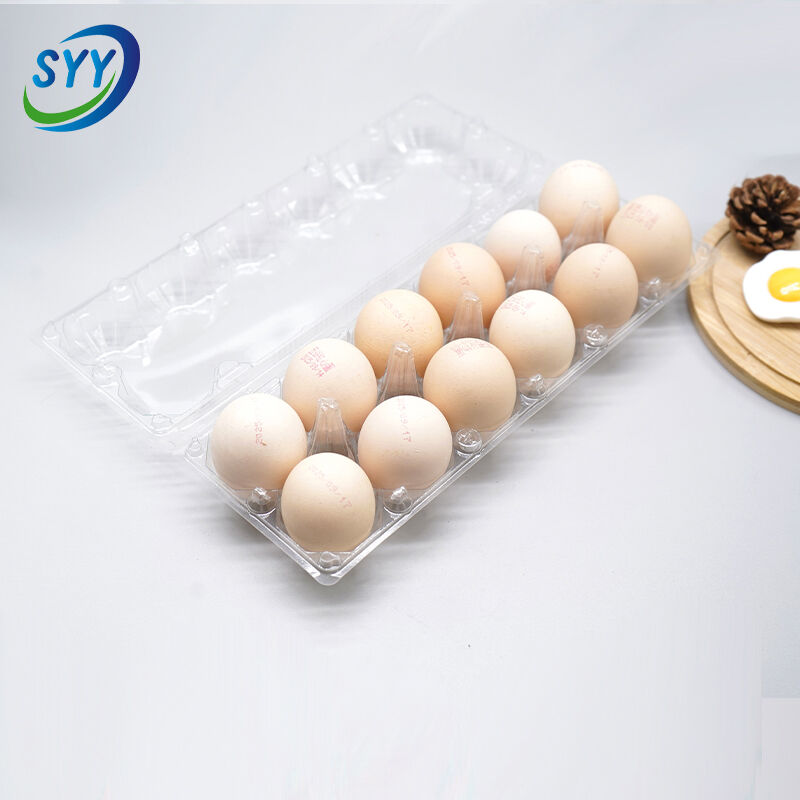
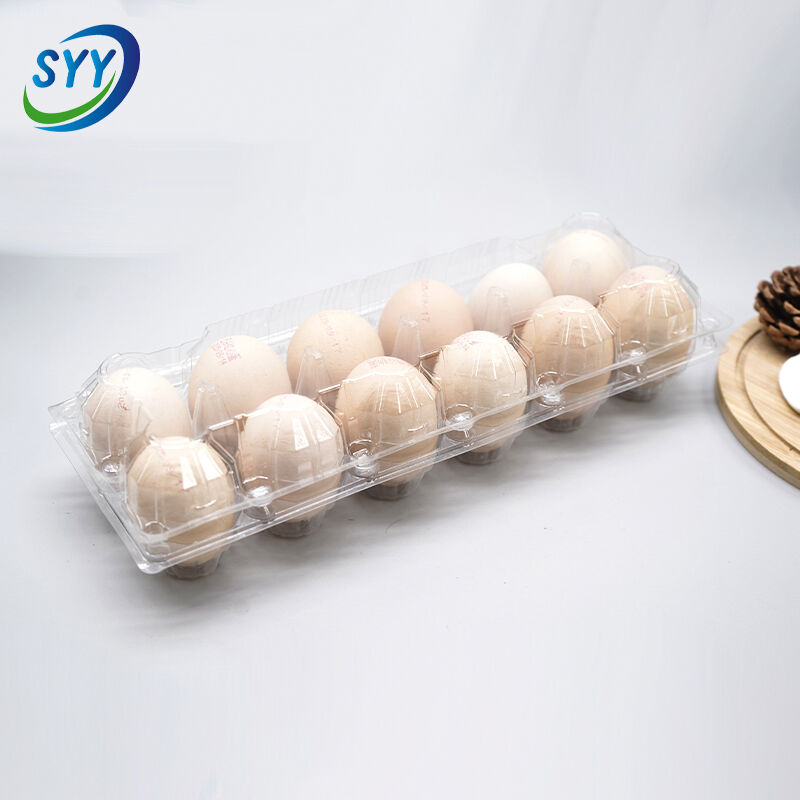
Egg safety packaging represents a revolutionary advancement in food protection technology, specifically engineered to safeguard one of nature's most fragile and valuable protein sources during transport and storage. This specialized packaging system employs multiple layers of protection mechanisms designed to prevent breakage, contamination, and deterioration while maintaining optimal freshness throughout the supply chain. Modern egg safety packaging incorporates shock-absorbing materials, antimicrobial treatments, and temperature-resistant designs that work synergistically to create an impenetrable barrier against external threats. The primary functions of egg safety packaging extend beyond simple containment, encompassing comprehensive protection against physical impacts, bacterial infiltration, moisture fluctuations, and temperature variations that could compromise product integrity. Advanced technological features include precision-molded compartments that cradle each egg individually, preventing shell-to-shell contact while distributing impact forces evenly across the protective structure. These compartments utilize high-density foam materials or specially formulated plastics that possess exceptional cushioning properties without adding excessive weight to the overall package. Additionally, many egg safety packaging solutions incorporate ventilation systems that regulate airflow while preventing contaminant entry, ensuring eggs remain fresh for extended periods. The applications of egg safety packaging span across multiple sectors of the food industry, from commercial poultry operations and distribution centers to retail establishments and direct-to-consumer delivery services. Large-scale producers rely on these packaging systems to minimize losses during automated handling processes, while retailers depend on them to maintain product presentation and reduce customer complaints about damaged goods. The versatility of egg safety packaging allows for customization based on specific requirements, whether for organic free-range eggs requiring premium presentation or budget-friendly options needing basic protection during high-volume distribution.

New Product Recommendations

The implementation of egg safety packaging delivers substantial benefits that directly impact both operational efficiency and customer satisfaction across the entire food supply chain. Primary advantages include dramatic reduction in product loss, with studies showing breakage rates decreasing by up to 85 percent when proper egg safety packaging systems are employed compared to traditional cardboard containers. This significant improvement translates into immediate cost savings for producers and distributors who previously absorbed losses from damaged inventory. Enhanced product presentation represents another crucial advantage, as egg safety packaging maintains the pristine appearance of eggs throughout handling and display processes, resulting in increased consumer confidence and purchase decisions. The protective nature of these packaging systems extends shelf life by creating optimal storage conditions that slow bacterial growth and moisture loss, allowing retailers to maintain inventory longer without quality degradation. Operational benefits become apparent through improved handling efficiency, as standardized egg safety packaging designs facilitate automated processing equipment and reduce manual sorting time required for damaged product removal. Workers experience fewer injuries related to cleaning up broken eggs and dealing with slippery surfaces, creating safer workplace environments while reducing liability concerns for employers. Customer satisfaction increases significantly when consumers receive intact, fresh eggs that meet their expectations, leading to improved brand loyalty and reduced return rates. The environmental impact of egg safety packaging often proves superior to alternatives, as durable materials can be reused multiple times before recycling, reducing overall packaging waste compared to single-use cardboard options that frequently become contaminated and unusable. Supply chain reliability improves dramatically when egg safety packaging systems are implemented, as predictable protection levels allow for more accurate inventory planning and reduce emergency restocking needs caused by unexpected product losses. Cost-effectiveness becomes evident through reduced insurance claims, lower replacement product costs, and improved operational efficiency that collectively generate substantial return on investment for businesses of all sizes. Additionally, egg safety packaging enables expansion into new markets and distribution channels previously considered too risky due to handling concerns, opening revenue opportunities that justify the initial investment in protective packaging systems.

Practical Tips

How to Reduce Egg Breakage During Transport: Best Egg Packaging Solutions for Poultry Farms

07

May

How to Reduce Egg Breakage During Transport: Best Egg Packaging Solutions for Poultry Farms

For poultry farms of every scale, egg breakage during transport represents one of the most persistent and costly operational challenges. Every cracked or shattered egg is not just a lost product — it is lost revenue, wasted labor, and a potenti...
View More
What to Look for in Egg Packaging Manufacturers: Quality, Cost, and Customization Guide

12

May

What to Look for in Egg Packaging Manufacturers: Quality, Cost, and Customization Guide

Choosing the right egg packaging manufacturer is one of the most consequential decisions a poultry producer, retailer, or food distribution business can make. The packaging that holds your eggs does far more than contain a product — it communicates b...
View More
How to Choose the Right Egg Tray Supplier: Key Factors for Reliable Egg Packaging Manufacturers

11

May

How to Choose the Right Egg Tray Supplier: Key Factors for Reliable Egg Packaging Manufacturers

Finding the right egg tray supplier is one of the most consequential procurement decisions a poultry farm, food distributor, or retail chain can make. The quality of your egg packaging directly impacts product integrity during transit, shelf presenta...
View More
Best Egg Packaging Solutions for Supermarkets: Clear PET Egg Cartons for Retail Display

13

May

Best Egg Packaging Solutions for Supermarkets: Clear PET Egg Cartons for Retail Display

In the competitive world of retail grocery, the way eggs are packaged and displayed can significantly influence purchasing decisions. Supermarkets today face mounting pressure to balance product visibility, structural protection, and shelf appeal — a...
View More

Get a Free Quote

We usually reply within 12 hours.
Email
Country/Region
Product Type
Please select your products type
Estimated Order Quantity
Hole Count
Please select your hole count
Packing System
Please select your packing system
Target Delivery Time
Color
Please select your color
Attachment
Please upload at least an attachment
Up to 3 files,more 30mb,suppor jpg、jpeg、png、pdf、doc、docx、xls、xlsx、csv、txt、stp、step、igs、x_t、dxf、prt、sldprt、sat、rar、zip
Message
0/1000

egg safety packaging

Advanced Shock Absorption Technology

Advanced Shock Absorption Technology

The cornerstone of effective egg safety packaging lies in its sophisticated shock absorption technology, which employs scientifically engineered materials and structural designs to protect eggs from impact damage during every stage of the distribution process. This technology utilizes multi-layered cushioning systems that incorporate viscoelastic foams, air-filled chambers, and precision-molded supports that work together to distribute impact forces across the entire package structure rather than concentrating stress on individual eggs. The materials selected for these shock absorption systems undergo rigorous testing to ensure optimal performance across varying temperature ranges and humidity conditions commonly encountered during transportation and storage. Advanced polymers used in egg safety packaging exhibit exceptional memory characteristics, allowing them to compress under impact and immediately return to their original shape, providing consistent protection throughout multiple handling cycles. The geometric design of these cushioning systems follows principles of biomechanical engineering, creating honeycomb-like structures that maximize energy absorption while minimizing material usage and package weight. This technology proves particularly valuable during automated sorting and packaging operations where high-speed mechanical handling can generate significant impact forces that would destroy unprotected eggs. The shock absorption capabilities extend beyond simple drop protection to include vibration dampening during transportation, protecting against the cumulative effects of road vibrations that can cause hairline cracks and internal damage not immediately visible but affecting egg quality and safety. Research has demonstrated that properly designed shock absorption systems in egg safety packaging can withstand impacts equivalent to drops from heights exceeding six feet without causing shell damage, far surpassing the protection offered by traditional packaging methods. The integration of these technologies ensures that egg safety packaging maintains its protective capabilities even when packages are stacked multiple layers high during storage and transport, distributing weight loads efficiently while preserving the cushioning properties of lower packages. This advanced shock absorption technology represents a significant advancement in food packaging science, providing unprecedented levels of protection that enable expanded distribution networks and improved product quality assurance throughout the supply chain.
Antimicrobial Protection Systems

Antimicrobial Protection Systems

Modern egg safety packaging incorporates cutting-edge antimicrobial protection systems that create hostile environments for harmful bacteria while maintaining the natural protective qualities of eggshells and supporting extended freshness periods. These protection systems utilize silver ion technology, natural antimicrobial compounds, and specialized surface treatments that actively inhibit bacterial growth without introducing harmful chemicals that could migrate to the egg contents. The antimicrobial properties are integrated directly into the packaging materials during manufacturing, ensuring consistent protection throughout the package lifespan rather than relying on surface treatments that may wear away during handling. This technology proves particularly crucial for preventing salmonella contamination, as egg safety packaging with antimicrobial systems creates multiple barriers against pathogen infiltration while supporting natural egg defense mechanisms. The protection extends to preventing cross-contamination between damaged and intact eggs within the same package, as antimicrobial surfaces neutralize bacteria that might otherwise spread from cracked shells to healthy eggs nearby. Advanced formulations used in these antimicrobial systems maintain effectiveness across wide temperature ranges, ensuring protection remains active whether eggs are stored in refrigerated conditions or temporary ambient temperatures during distribution. The technology also addresses biofilm formation, which can occur on packaging surfaces and provide protected environments for bacterial colonies to establish and multiply. Research indicates that egg safety packaging with integrated antimicrobial protection systems can reduce bacterial counts by over 99.9 percent compared to untreated surfaces, significantly improving food safety outcomes for consumers. These systems work synergistically with proper storage and handling practices to extend egg freshness periods, allowing retailers to maintain inventory longer while ensuring product quality meets or exceeds safety standards. The antimicrobial technology proves especially beneficial for organic and free-range eggs, which may have higher initial bacterial loads due to natural production methods, providing additional safety margins without compromising the natural qualities consumers seek. Implementation of antimicrobial protection systems in egg safety packaging has enabled producers to expand distribution ranges and explore new markets previously considered too risky due to extended transport times and storage requirements.
Temperature Regulation and Freshness Preservation

Temperature Regulation and Freshness Preservation

Revolutionary temperature regulation technology integrated into modern egg safety packaging systems provides unprecedented control over thermal conditions that directly impact egg quality, safety, and shelf life throughout the distribution chain. This sophisticated technology employs phase-change materials, insulation systems, and ventilation controls that work collectively to maintain optimal temperatures while preventing harmful temperature fluctuations that can compromise egg integrity. The thermal management systems utilize specially formulated materials that absorb excess heat during warm conditions and release stored thermal energy when temperatures drop, creating stable microclimates within each package that protect eggs from external temperature variations. Advanced insulation technologies incorporated into egg safety packaging include vacuum-sealed panels, reflective barriers, and multi-layer thermal blankets that provide exceptional temperature stability without adding excessive bulk or weight to packages. These systems prove particularly valuable during transportation across different climate zones, where external temperatures may vary dramatically while maintaining consistent internal conditions that preserve egg quality. The technology addresses both immediate temperature protection and long-term freshness preservation through controlled humidity management systems that prevent moisture loss while blocking external humidity infiltration that could promote bacterial growth. Ventilation components within the temperature regulation systems allow for controlled air exchange that removes metabolic gases produced by eggs while preventing contamination from external sources, supporting natural preservation processes. Research demonstrates that egg safety packaging with integrated temperature regulation can extend freshness periods by up to 40 percent compared to conventional packaging methods, providing significant economic benefits for producers and retailers while improving consumer satisfaction. The systems automatically adjust to varying load conditions, maintaining optimal temperatures whether packages contain six eggs or multiple dozens, ensuring consistent performance across different package sizes and configurations. Smart temperature monitoring capabilities integrated into advanced egg safety packaging systems provide real-time data on thermal conditions throughout the supply chain, enabling proactive quality management and reducing losses from temperature-related deterioration. This temperature regulation technology enables expansion into markets requiring extended distribution times, including international shipping and direct-to-consumer delivery services that demand reliable freshness preservation over extended periods.

Get a Free Quote

We usually reply within 12 hours.
Email
Country/Region
Product Type
Please select your products type
Estimated Order Quantity
Hole Count
Please select your hole count
Packing System
Please select your packing system
Target Delivery Time
Color
Please select your color
Attachment
Please upload at least an attachment
Up to 3 files, each no larger than 30MB. Supported formats: jpg, jpeg, png, pdf, doc, docx, xls, xlsx, csv, txt, stp, step, igs, x_t, dxf, prt, sldprt, sat, rar, zip.
Message
0/1000