Premium Egg Cartons - Superior Protection & Sustainable Packaging Solutions

Get a Free Quote

We usually reply within 12 hours.
Email
Country/Region
Product Type
Please select your products type
Estimated Order Quantity
Hole Count
Please select your hole count
Packing System
Please select your packing system
Target Delivery Time
Color
Please select your color
Attachment
Please upload at least an attachment
Up to 3 files, each no larger than 30MB. Supported formats: jpg, jpeg, png, pdf, doc, docx, xls, xlsx, csv, txt, stp, step, igs, x_t, dxf, prt, sldprt, sat, rar, zip.
Message
0/1000

egg carton

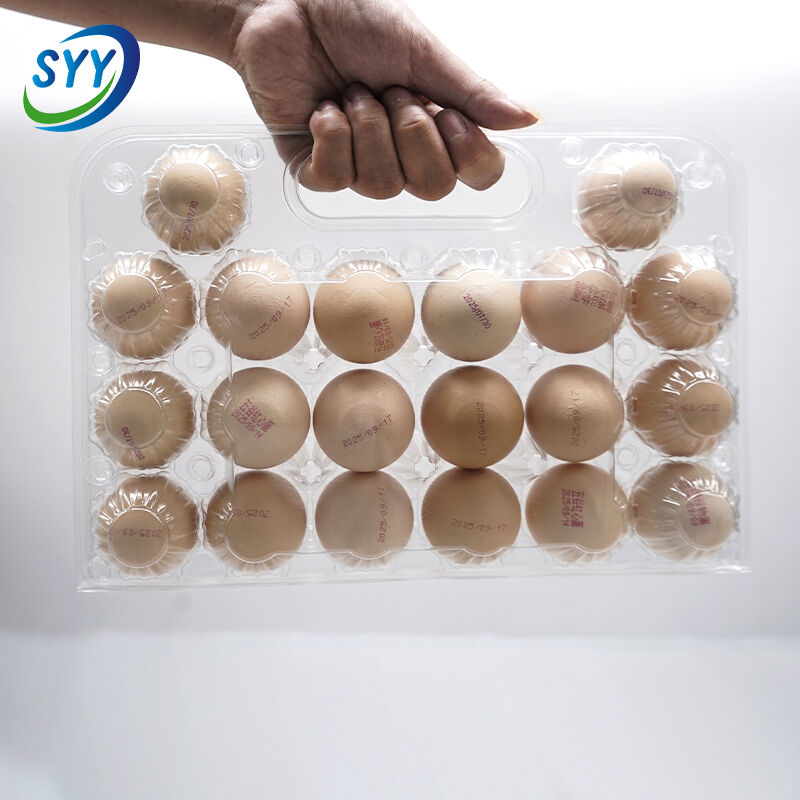
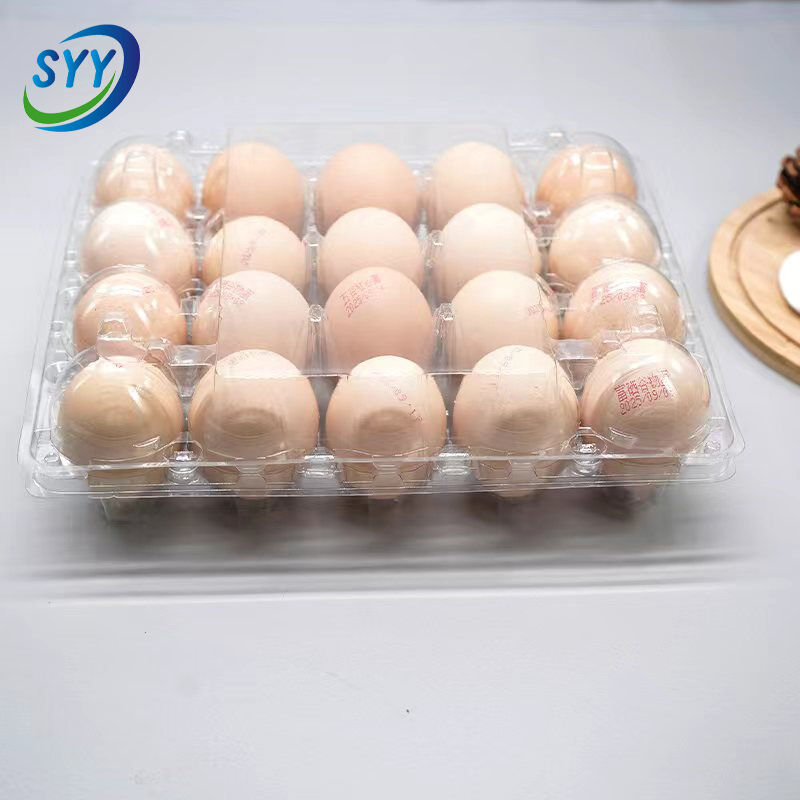
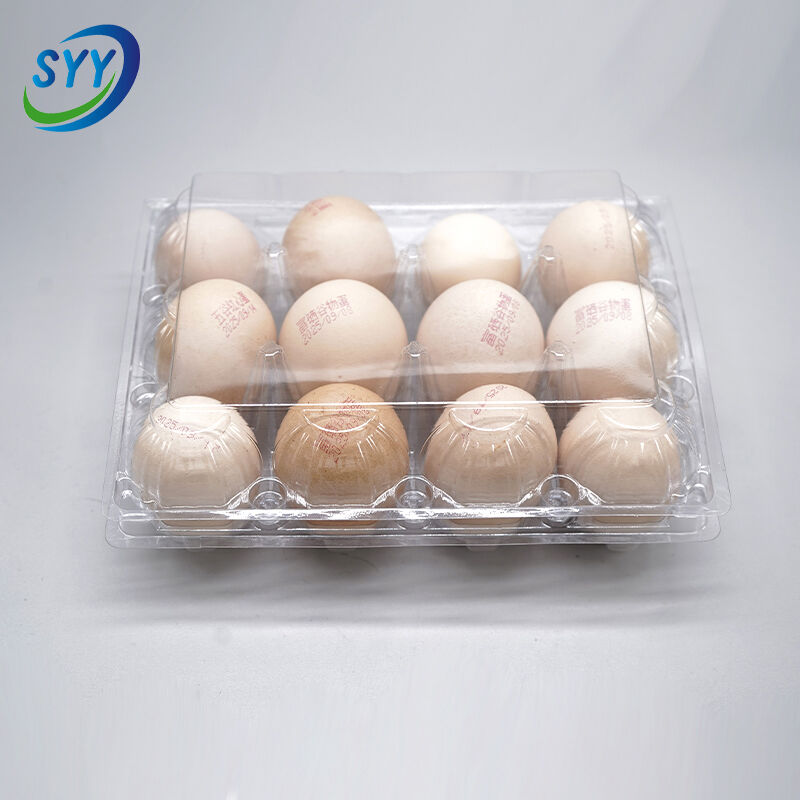
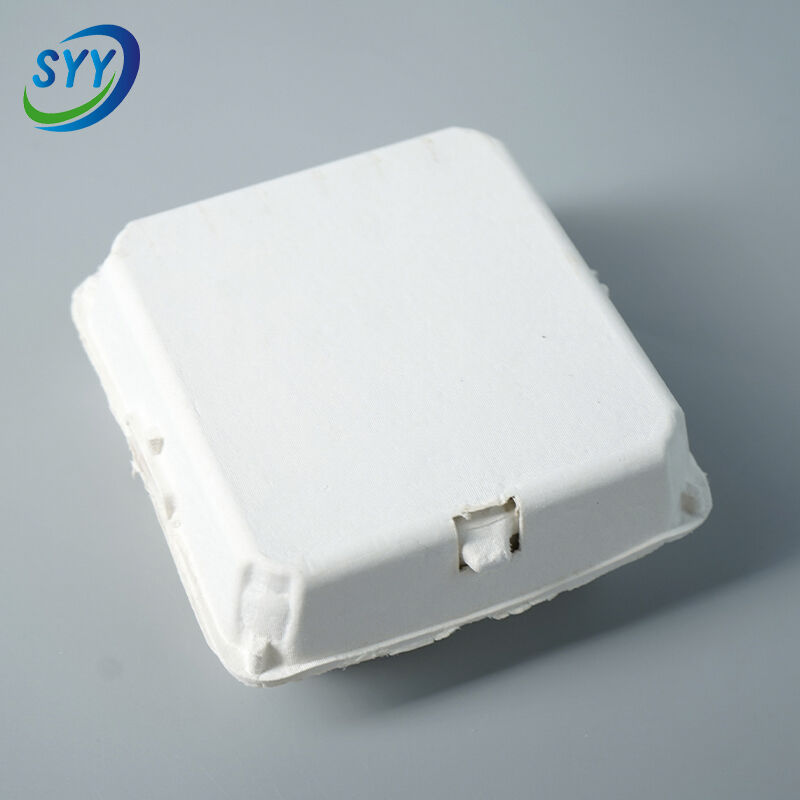
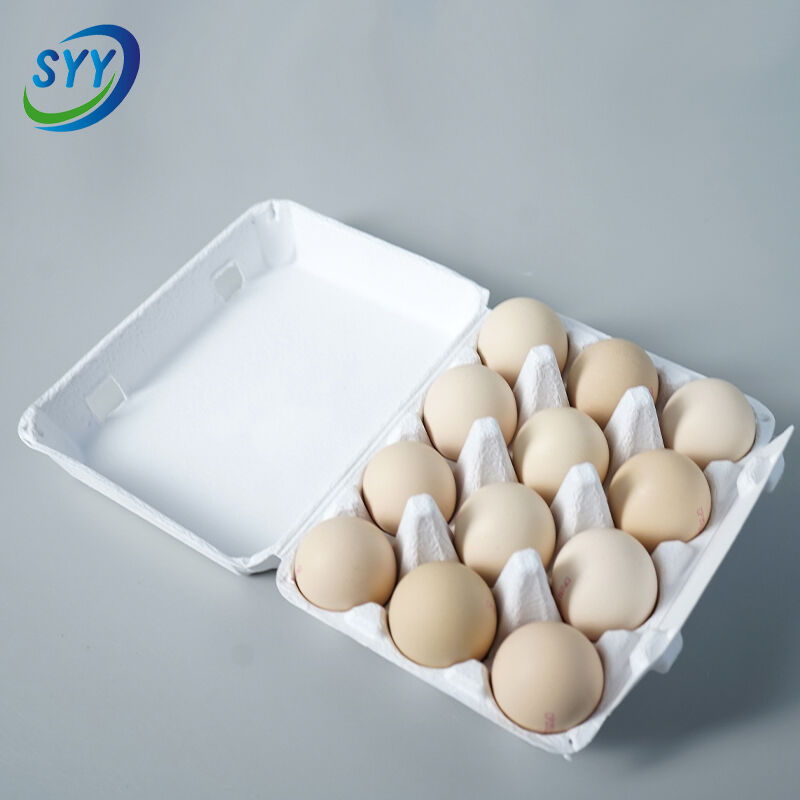
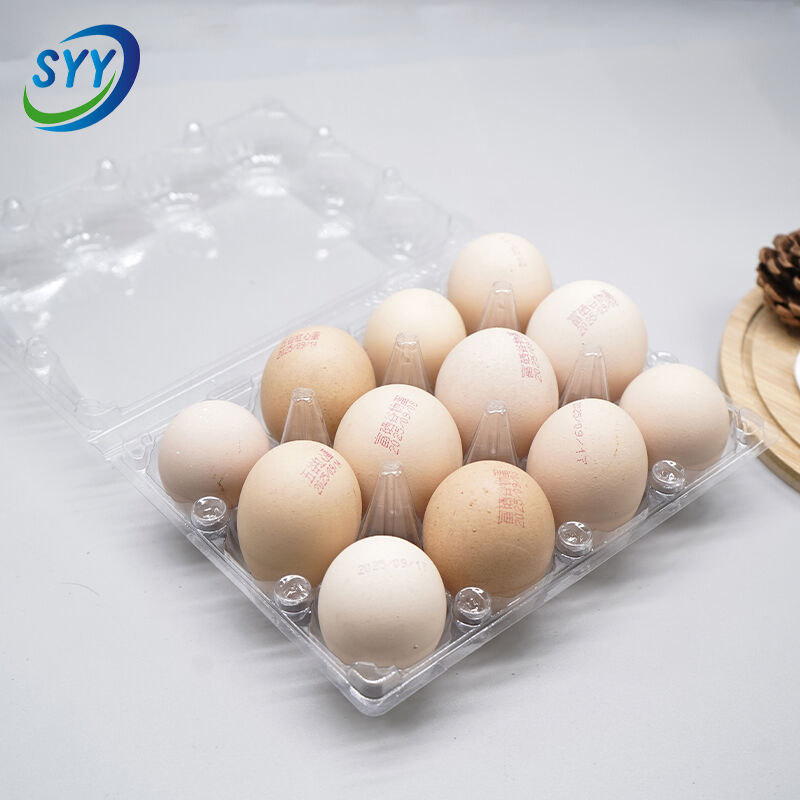
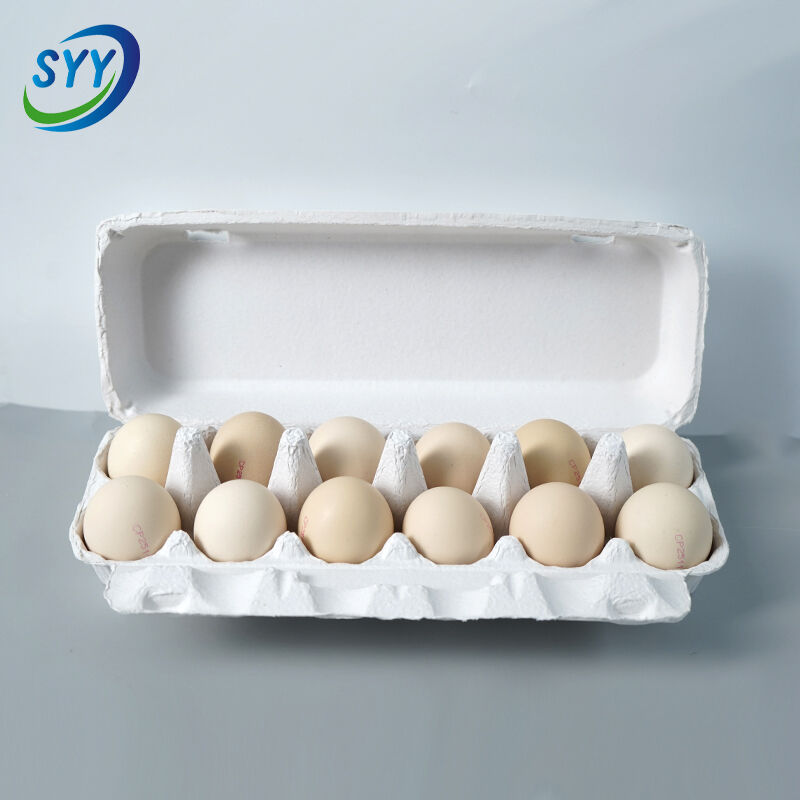
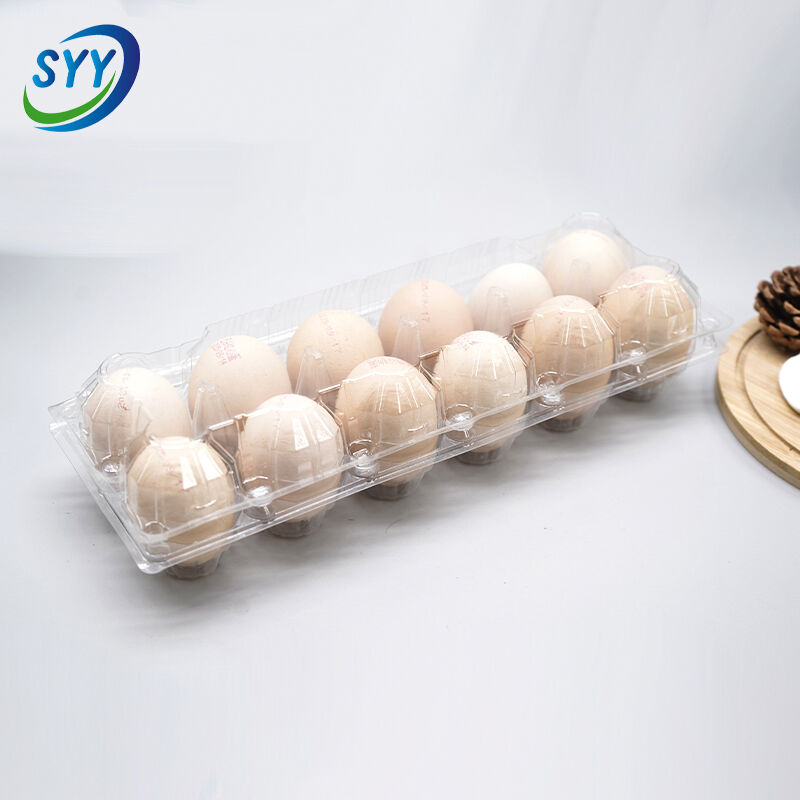
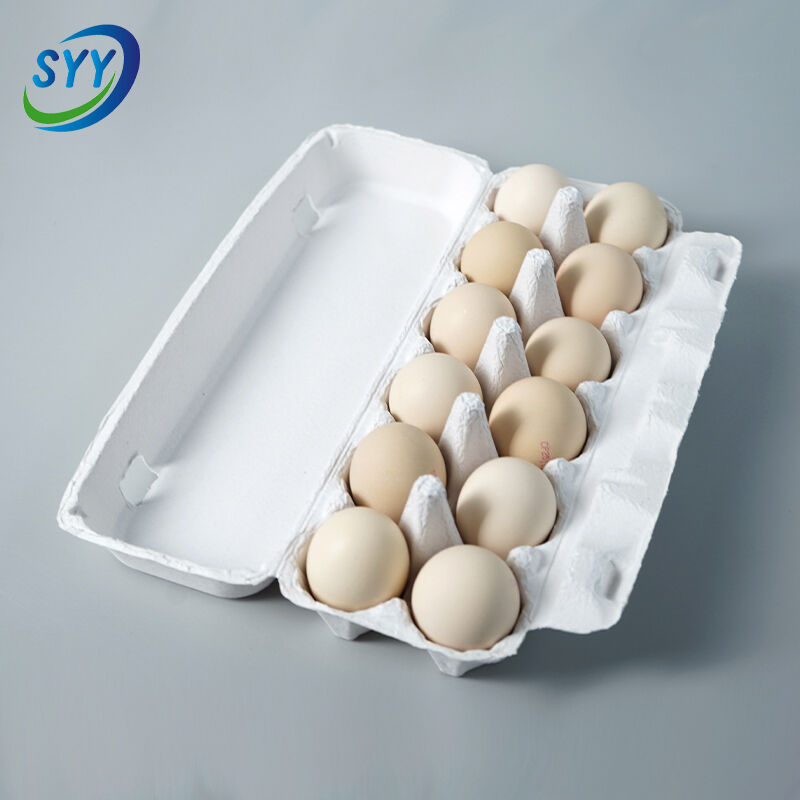
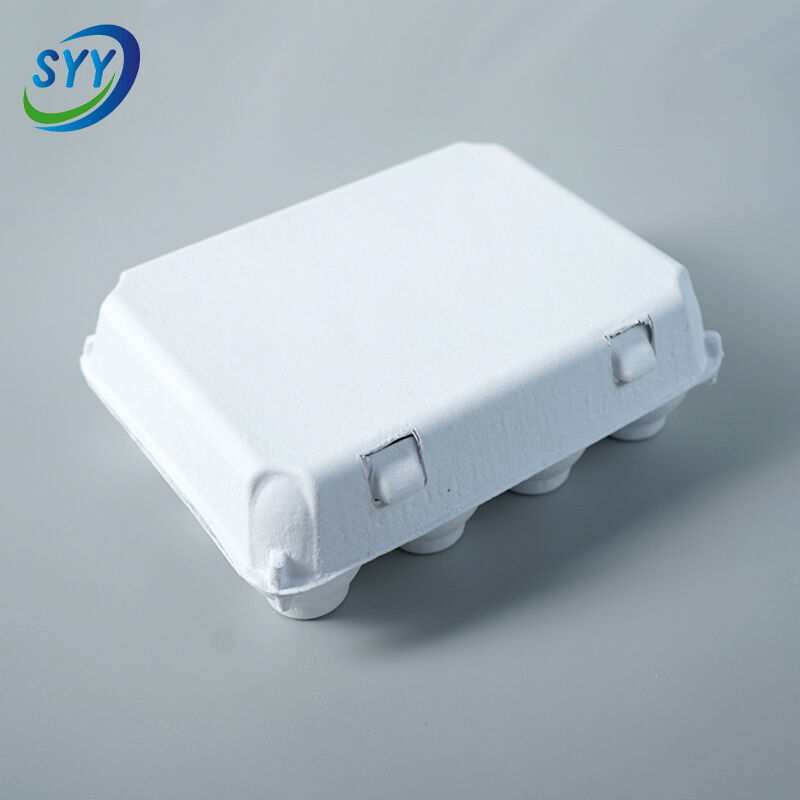
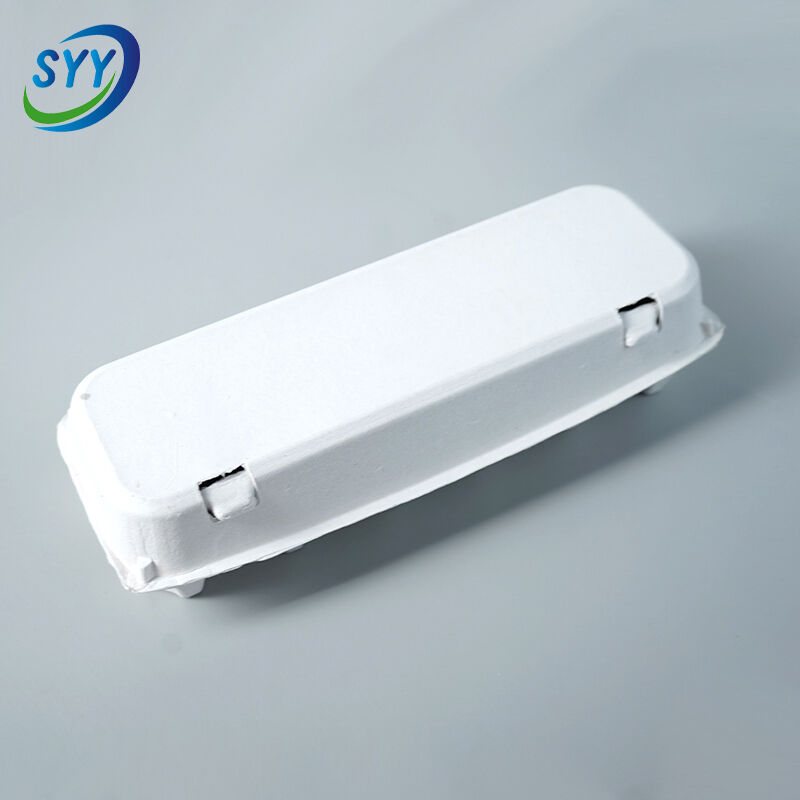
The egg carton stands as one of the most ingenious packaging solutions in modern food distribution, designed specifically to protect and transport eggs safely from farms to consumers. This essential packaging system serves multiple critical functions that extend far beyond simple containment. The primary purpose of an egg carton involves safeguarding fragile eggs during transportation, storage, and retail display through its carefully engineered structure that absorbs shock and prevents breakage. Each egg carton features individual compartments or pockets that cradle eggs securely, minimizing movement and reducing the risk of cracking or damage during handling. The technological design incorporates strategic ventilation holes that allow proper air circulation while maintaining optimal humidity levels for egg preservation. Modern egg carton manufacturing utilizes various materials including recycled paper pulp, plastic, and foam, each offering distinct advantages for different applications and environmental considerations. The molded pulp egg carton represents the most environmentally sustainable option, created from recycled newspaper and cardboard materials through a specialized forming process that shapes the protective compartments. This eco-friendly approach aligns with growing consumer demands for sustainable packaging solutions. Plastic egg cartons provide superior durability and moisture resistance, making them ideal for premium egg products and extended storage periods. The applications of egg cartons extend across multiple market segments including commercial agriculture, retail grocery chains, farmer markets, and direct-to-consumer sales channels. Restaurant suppliers, institutional food services, and food processing facilities rely heavily on egg carton packaging to maintain product integrity throughout their supply chains. The standardized sizing of egg cartons ensures compatibility with existing storage systems, refrigeration units, and transportation containers, streamlining logistics operations for distributors and retailers. Advanced egg carton designs incorporate labeling areas for product information, branding opportunities, and traceability codes that support food safety regulations and consumer transparency initiatives.

New Product Recommendations

The egg carton delivers numerous practical benefits that make it indispensable for egg handling and distribution operations. First and foremost, the egg carton provides exceptional protection against breakage, which directly translates to reduced financial losses for producers, distributors, and retailers. Studies consistently demonstrate that proper egg carton usage can decrease breakage rates by up to 90 percent compared to alternative packaging methods. This protection stems from the engineered shock-absorption properties built into each compartment design, effectively distributing impact forces across the entire structure rather than concentrating stress on individual eggs. The standardized dimensions of egg cartons facilitate efficient storage and transportation, allowing maximum space utilization in refrigerated trucks, warehouse facilities, and retail coolers. This optimization reduces shipping costs per dozen eggs and enables more efficient inventory management practices. The stackable design of most egg cartons creates additional storage efficiencies, as multiple units can be safely layered without compromising the integrity of eggs in lower containers. From an environmental perspective, recyclable egg cartons support sustainability goals while reducing packaging waste in landfills. The biodegradable nature of paper-based egg cartons means they decompose naturally, contributing to circular economy principles that many businesses now prioritize. Consumer convenience represents another significant advantage, as egg cartons enable easy handling, counting, and storage in home refrigerators. The transparent or windowed designs allow shoppers to inspect egg quality before purchase, building consumer confidence and reducing returns. Retail presentation benefits include uniform product display, clear pricing visibility, and professional appearance that enhances brand perception. The egg carton also serves as an effective marketing platform, providing space for nutritional information, farm certifications, promotional messages, and brand differentiation elements. Temperature stability features help maintain consistent egg quality during transport and storage, preserving freshness and extending shelf life. Cost-effectiveness remains a crucial advantage, as egg cartons offer superior protection at relatively low per-unit costs compared to alternative packaging solutions. The lightweight construction minimizes shipping expenses while maintaining structural integrity throughout the distribution chain.

Latest News

Why Do Eggs Break During Shipping? Causes and Best Egg Packaging Solutions Explained

08

May

Why Do Eggs Break During Shipping? Causes and Best Egg Packaging Solutions Explained

Every year, millions of eggs are lost to breakage during transit — a costly problem that affects egg producers, distributors, and retailers alike. The fragility of eggs is not a new challenge, but as supply chains grow more complex and shipping...
View More
How to Reduce Egg Breakage During Transport: Best Egg Packaging Solutions for Poultry Farms

07

May

How to Reduce Egg Breakage During Transport: Best Egg Packaging Solutions for Poultry Farms

For poultry farms of every scale, egg breakage during transport represents one of the most persistent and costly operational challenges. Every cracked or shattered egg is not just a lost product — it is lost revenue, wasted labor, and a potenti...
View More
What to Look for in Egg Packaging Manufacturers: Quality, Cost, and Customization Guide

12

May

What to Look for in Egg Packaging Manufacturers: Quality, Cost, and Customization Guide

Choosing the right egg packaging manufacturer is one of the most consequential decisions a poultry producer, retailer, or food distribution business can make. The packaging that holds your eggs does far more than contain a product — it communicates b...
View More
Best Egg Packaging Solutions for Supermarkets: Clear PET Egg Cartons for Retail Display

13

May

Best Egg Packaging Solutions for Supermarkets: Clear PET Egg Cartons for Retail Display

In the competitive world of retail grocery, the way eggs are packaged and displayed can significantly influence purchasing decisions. Supermarkets today face mounting pressure to balance product visibility, structural protection, and shelf appeal — a...
View More

Get a Free Quote

We usually reply within 12 hours.
Email
Country/Region
Product Type
Please select your products type
Estimated Order Quantity
Hole Count
Please select your hole count
Packing System
Please select your packing system
Target Delivery Time
Color
Please select your color
Attachment
Please upload at least an attachment
Up to 3 files,more 30mb,suppor jpg、jpeg、png、pdf、doc、docx、xls、xlsx、csv、txt、stp、step、igs、x_t、dxf、prt、sldprt、sat、rar、zip
Message
0/1000

egg carton

Superior Protection Technology

Superior Protection Technology

The revolutionary protection technology integrated into modern egg cartons represents a pinnacle of packaging engineering specifically designed to safeguard one of nature's most fragile food products. This sophisticated protection system begins with the precise molding process that creates individual egg cups, each geometrically optimized to cradle eggs in their most stable position while distributing weight evenly across the shell surface. The engineering behind egg carton protection involves complex calculations of impact absorption, stress distribution, and shock mitigation that rival protection systems used in high-tech industries. Each compartment features carefully designed walls and curves that conform to natural egg shapes, creating a custom-fit environment that prevents rolling, sliding, or collision between adjacent eggs during transport and handling. The multi-directional cushioning effect achieved through strategic material placement and density variations ensures protection from impacts occurring from any angle, whether vertical drops, horizontal jolts, or rotational movements commonly experienced during shipping and retail handling. Advanced egg carton designs incorporate graduated thickness levels throughout the structure, with reinforced base sections providing foundational support and thinner sidewalls offering flexibility that absorbs sudden movements without transferring shock directly to the eggs. The scientific approach to protection extends to ventilation integration, where precisely positioned holes maintain air circulation without compromising structural integrity or protection capabilities. This technological advancement significantly reduces the economic impact of egg breakage, which costs the industry millions of dollars annually in lost product and cleanup expenses. Quality control testing demonstrates that premium egg cartons can withstand drop tests from heights exceeding standard shipping conditions while maintaining zero breakage rates. The protection technology also adapts to different egg sizes and types, accommodating everything from small pullet eggs to extra-large premium varieties through scalable compartment designs. Temperature fluctuation protection represents another crucial technological feature, as the insulating properties of egg carton materials help buffer eggs against rapid temperature changes that can cause thermal shock and subsequent cracking.
Environmental Sustainability Features

Environmental Sustainability Features

The environmental sustainability features of modern egg cartons position them as exemplary solutions in the growing movement toward eco-conscious packaging alternatives that minimize ecological impact while maintaining superior functionality. The foundation of egg carton sustainability lies in the extensive use of recycled materials, particularly post-consumer recycled paper and cardboard that would otherwise contribute to landfill waste. This circular approach to material utilization transforms discarded newspapers, office papers, and packaging materials into valuable protective packaging through innovative manufacturing processes that require significantly less energy than producing new materials from virgin sources. The biodegradability of paper-based egg cartons ensures complete decomposition within composting environments, typically breaking down within 30-60 days under proper conditions, leaving no harmful residues or microplastics that could contaminate soil or water systems. This natural decomposition process contrasts sharply with traditional plastic packaging alternatives that may persist in environments for hundreds of years. The manufacturing process itself demonstrates environmental responsibility through water-based production methods that eliminate harmful chemical solvents and reduce air pollution emissions commonly associated with plastic manufacturing. Energy efficiency represents another sustainability advantage, as egg carton production typically requires 75% less energy than comparable plastic packaging manufacturing processes. The lightweight nature of egg cartons contributes to transportation efficiency, reducing fuel consumption and carbon emissions throughout the distribution chain while maintaining protective capabilities. Local sourcing opportunities for recycled materials reduce transportation requirements for raw materials, further minimizing the carbon footprint associated with egg carton production. End-of-life disposal options extend beyond composting to include recycling programs that can process used egg cartons into new packaging products, creating a continuous cycle of material reuse. Many egg carton manufacturers have achieved carbon-neutral or carbon-negative production status through renewable energy adoption, efficient manufacturing processes, and carbon offset programs. The sustainable forestry practices associated with alternative fiber sources ensure responsible resource management that supports long-term environmental health. Consumer education programs associated with sustainable egg cartons promote broader environmental awareness and encourage responsible disposal practices that maximize the ecological benefits of choosing environmentally conscious packaging solutions.
Versatile Application Range

Versatile Application Range

The versatile application range of egg cartons extends far beyond traditional grocery retail environments, encompassing diverse market segments and innovative uses that demonstrate the adaptability and universal value of this packaging solution. Commercial agriculture operations represent the largest application segment, where egg cartons facilitate efficient collection, sorting, and initial packaging of fresh eggs directly at production facilities. These agricultural applications require robust egg cartons capable of withstanding farm environment conditions including temperature variations, humidity fluctuations, and frequent handling by farm workers and automated collection systems. The standardization of egg carton dimensions across the industry enables seamless integration with existing agricultural equipment, processing lines, and storage facilities, streamlining operations from farm to distribution center. Specialty food markets and gourmet retailers utilize premium egg cartons to showcase high-value products such as organic eggs, free-range varieties, and artisanal farm products, where packaging quality directly impacts consumer perception and purchasing decisions. The customization capabilities of egg cartons allow these specialty retailers to incorporate branding elements, certification logos, and product differentiation features that command premium pricing and build customer loyalty. Institutional food service operations including restaurants, hospitals, schools, and catering facilities rely on bulk egg carton packaging that facilitates efficient inventory management, portion control, and food safety compliance. These applications often require specialized egg carton designs that accommodate high-volume usage patterns and integration with commercial food preparation equipment. Export markets demand egg cartons meeting international shipping standards and regulations, incorporating enhanced protection features and documentation capabilities that support global trade requirements. The pharmaceutical and nutraceutical industries utilize specialized egg carton designs for packaging egg-based supplements and health products, requiring compliance with strict regulatory standards and enhanced product protection protocols. Educational institutions and research facilities employ egg cartons in various scientific applications including biology education, embryology studies, and agricultural research programs. Craft and hobby applications have emerged as an unexpected market segment, where empty egg cartons serve as organizational tools, seedling starters for gardening projects, and materials for educational activities. The versatility extends to seasonal applications such as holiday decorations, gift packaging for farm-fresh products, and specialty presentation formats for farmers markets and direct sales operations.

Get a Free Quote

We usually reply within 12 hours.
Email
Country/Region
Product Type
Please select your products type
Estimated Order Quantity
Hole Count
Please select your hole count
Packing System
Please select your packing system
Target Delivery Time
Color
Please select your color
Attachment
Please upload at least an attachment
Up to 3 files, each no larger than 30MB. Supported formats: jpg, jpeg, png, pdf, doc, docx, xls, xlsx, csv, txt, stp, step, igs, x_t, dxf, prt, sldprt, sat, rar, zip.
Message
0/1000