egg box
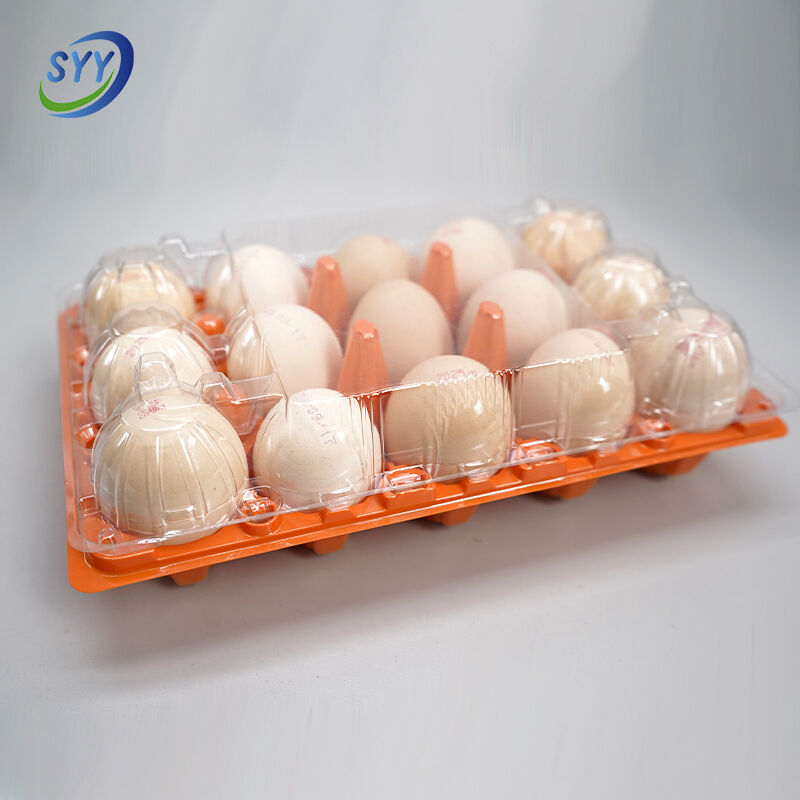
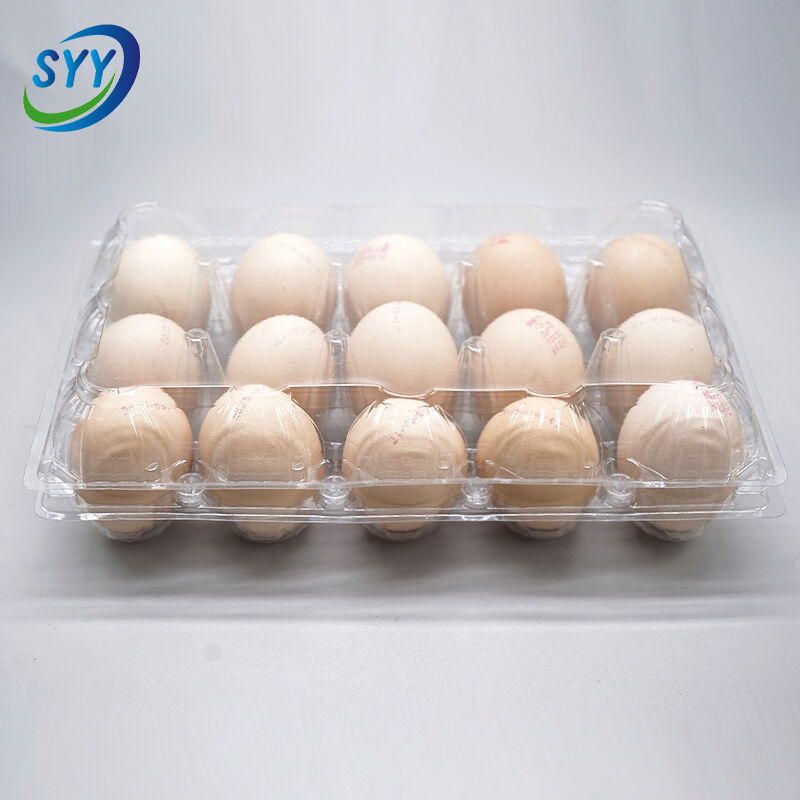
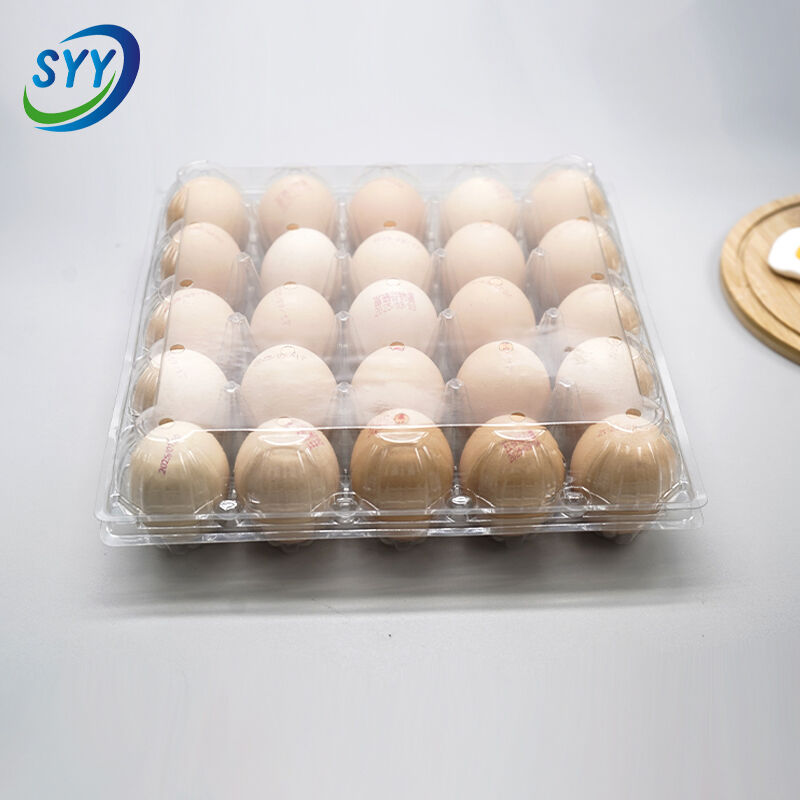
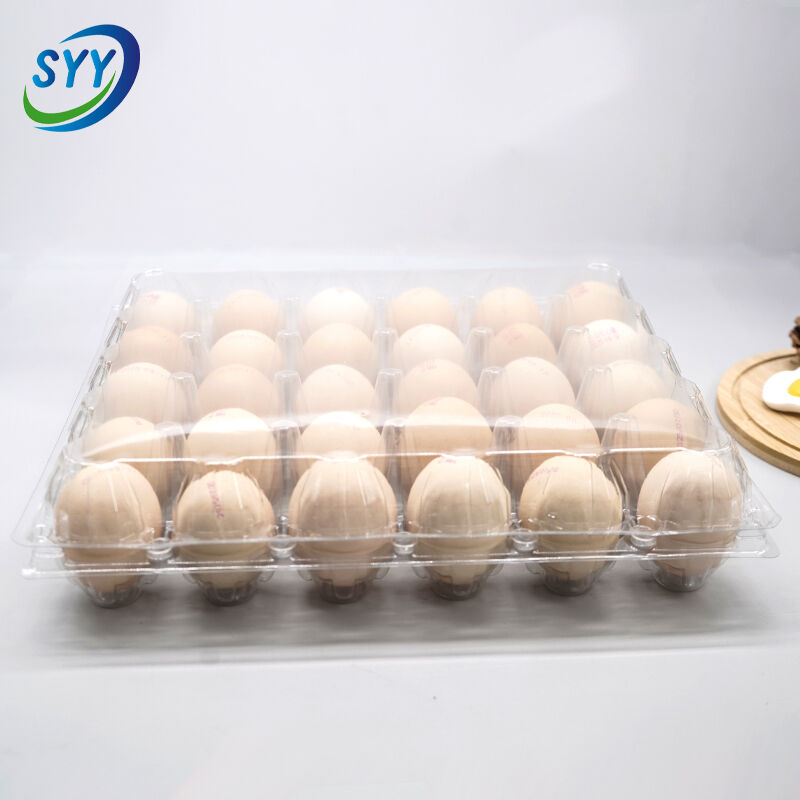
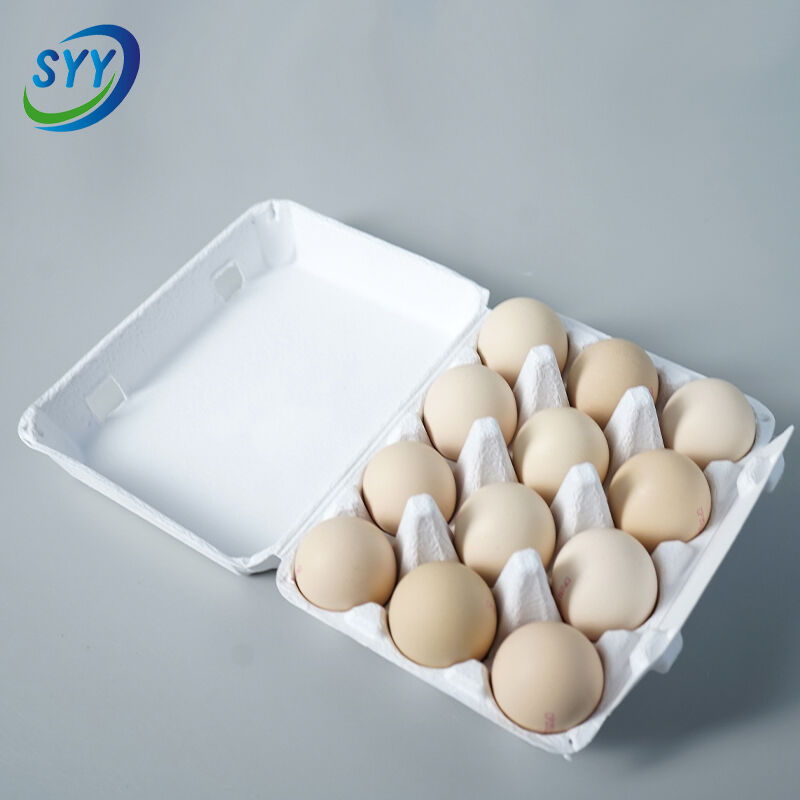
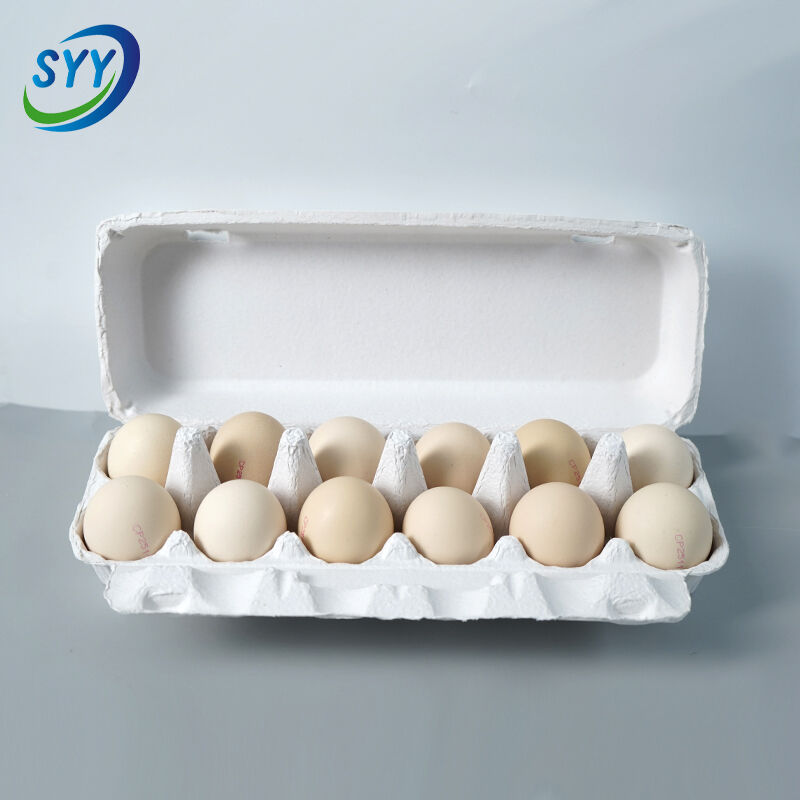
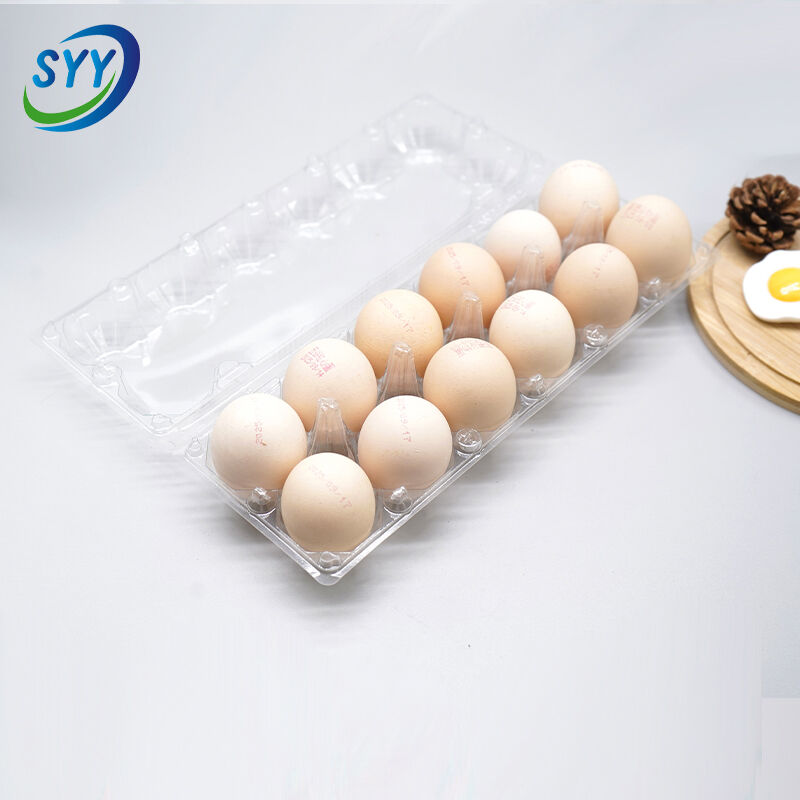
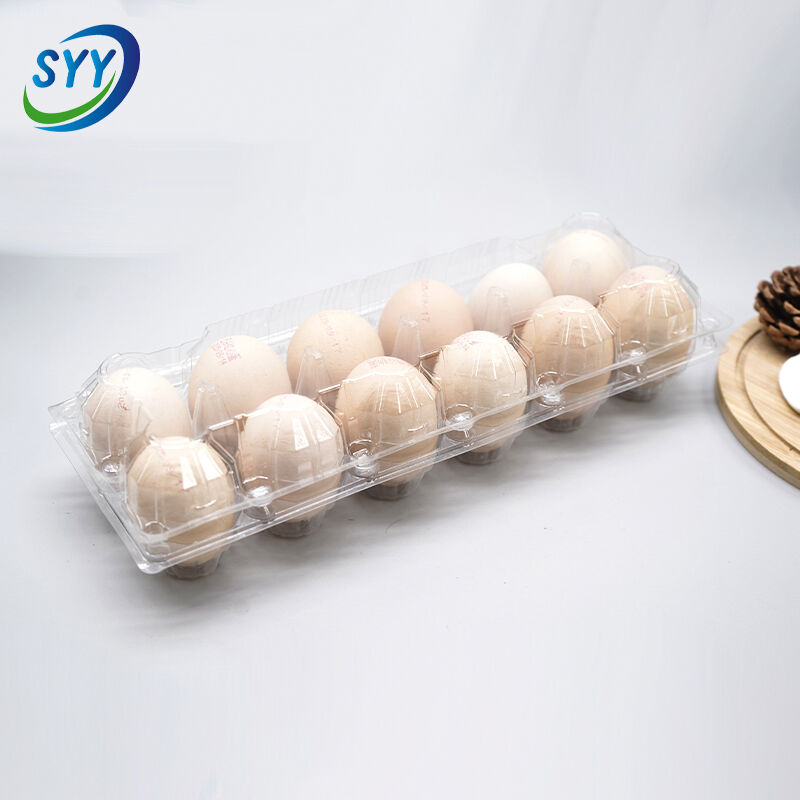
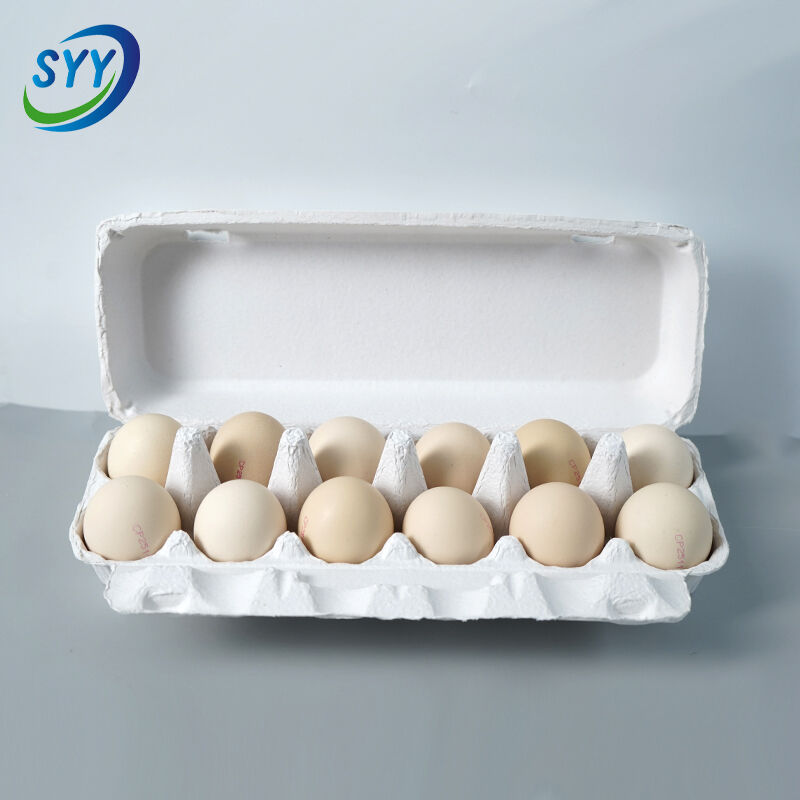
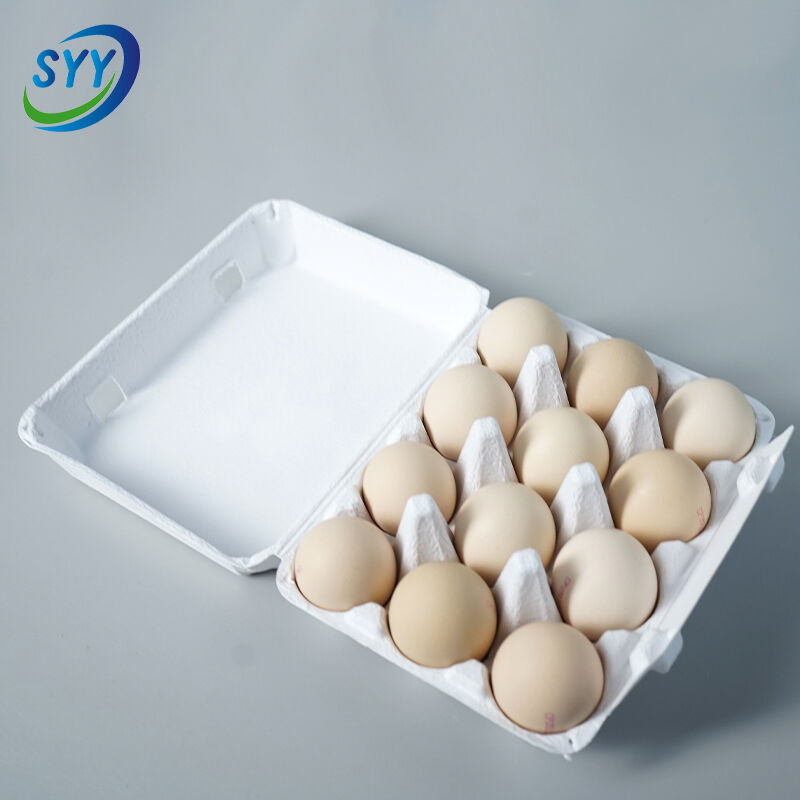
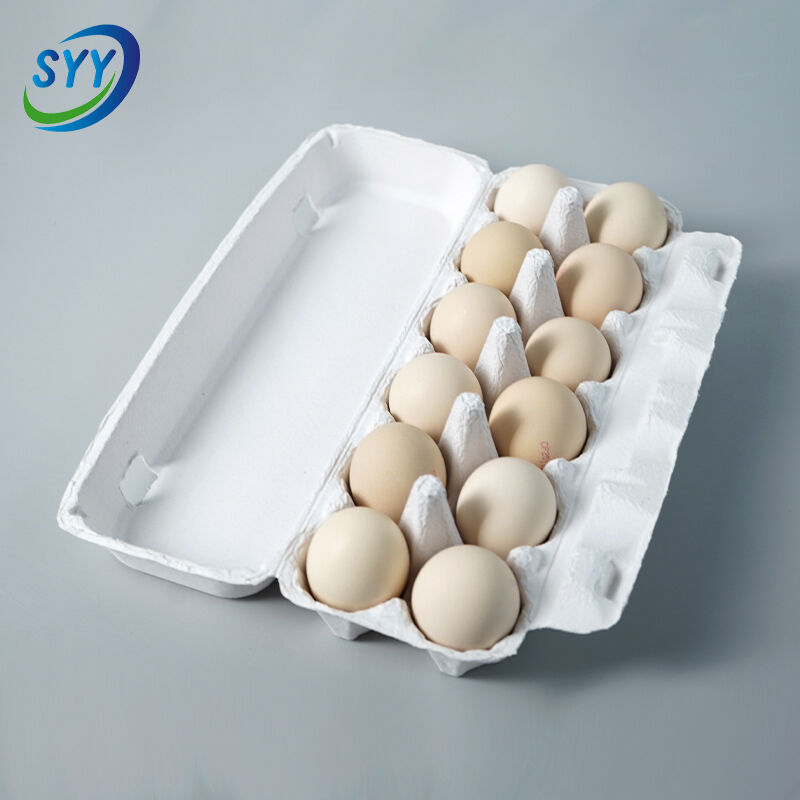
An egg box represents a fundamental packaging solution designed specifically for the safe storage, transportation, and display of eggs in various commercial and domestic settings. This specialized container serves as the primary protective barrier between fragile eggs and potential damage during handling, shipping, and retail presentation. The egg box typically features individual compartments or molded depressions that cradle each egg securely, preventing movement and collision that could lead to cracking or breaking. Modern egg box designs incorporate advanced materials and engineering principles to maximize protection while maintaining cost-effectiveness and environmental sustainability. The structure of an egg box utilizes carefully calculated dimensions that accommodate standard egg sizes while providing adequate cushioning through strategic material distribution. Manufacturing processes for egg boxes have evolved significantly, incorporating recycled materials and biodegradable components that align with contemporary environmental standards. The technological features of egg boxes include shock-absorption capabilities, moisture resistance, and ventilation properties that help maintain egg freshness during extended storage periods. These containers are engineered to withstand stacking pressures encountered in warehouse environments and transportation vehicles. The applications of egg boxes extend across multiple sectors including commercial poultry operations, retail grocery chains, food service establishments, and household consumers. In agricultural settings, egg boxes facilitate efficient collection and sorting processes while maintaining product integrity from farm to market. The standardized dimensions of egg boxes enable compatibility with automated handling equipment and storage systems used throughout the supply chain. Quality egg boxes feature reinforced corners and edges that prevent structural failure under normal use conditions, ensuring consistent protection for valuable contents.
 EN
EN