Exceptional Economic Value and Environmental Benefits
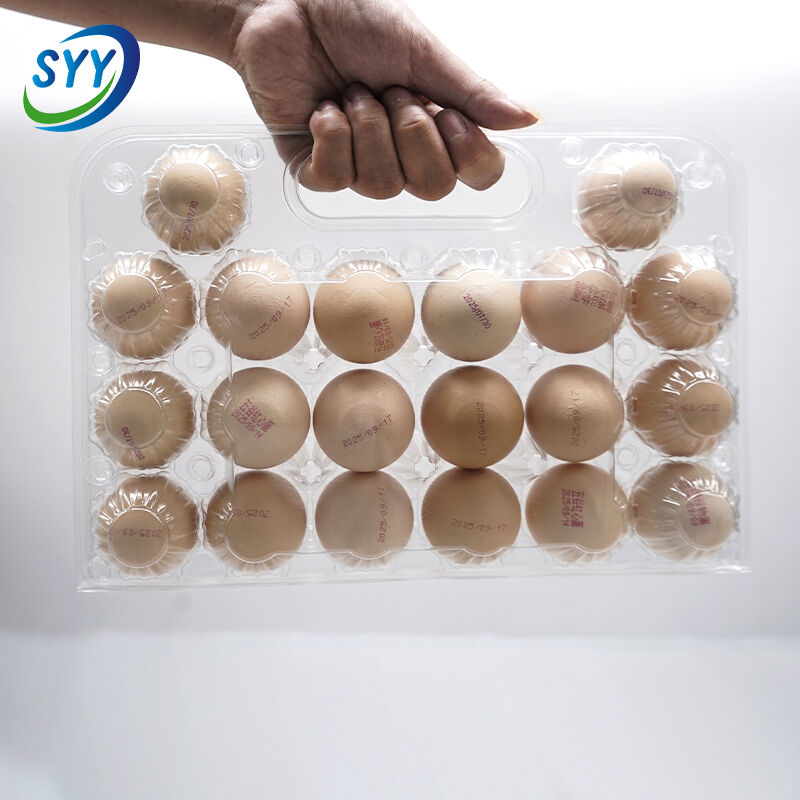
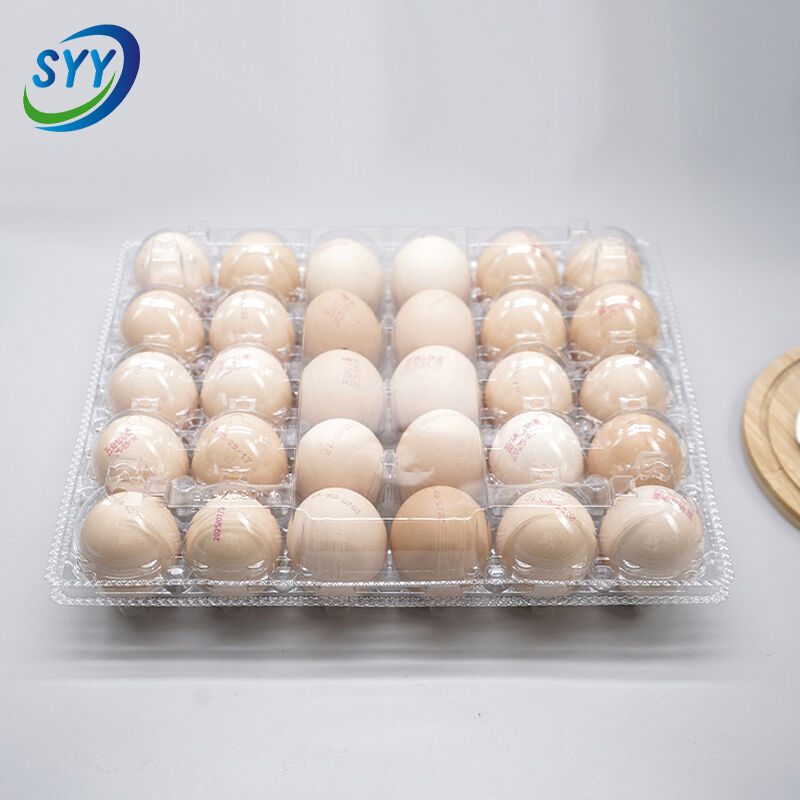
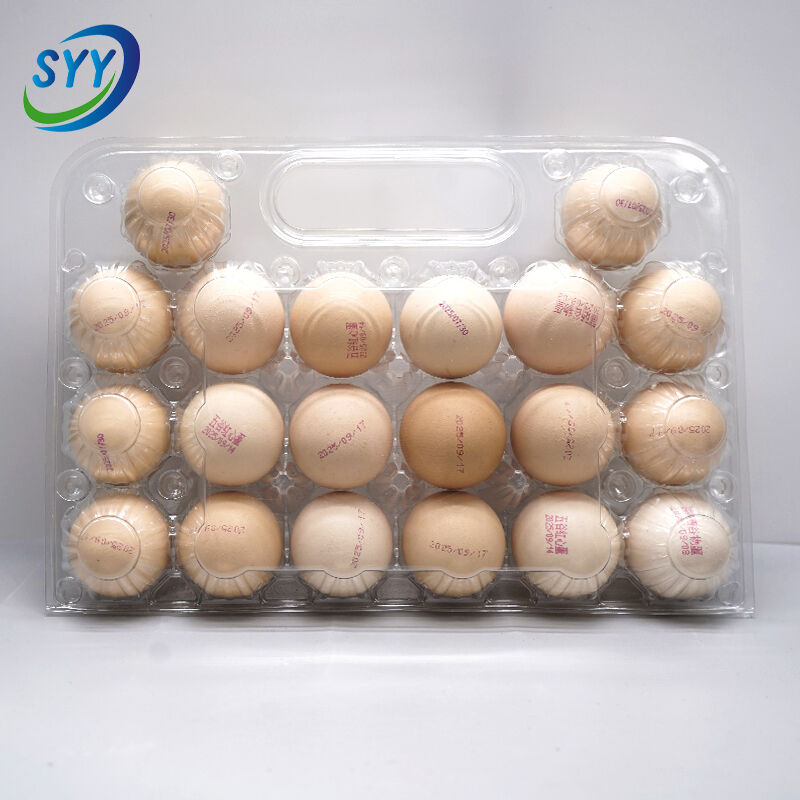
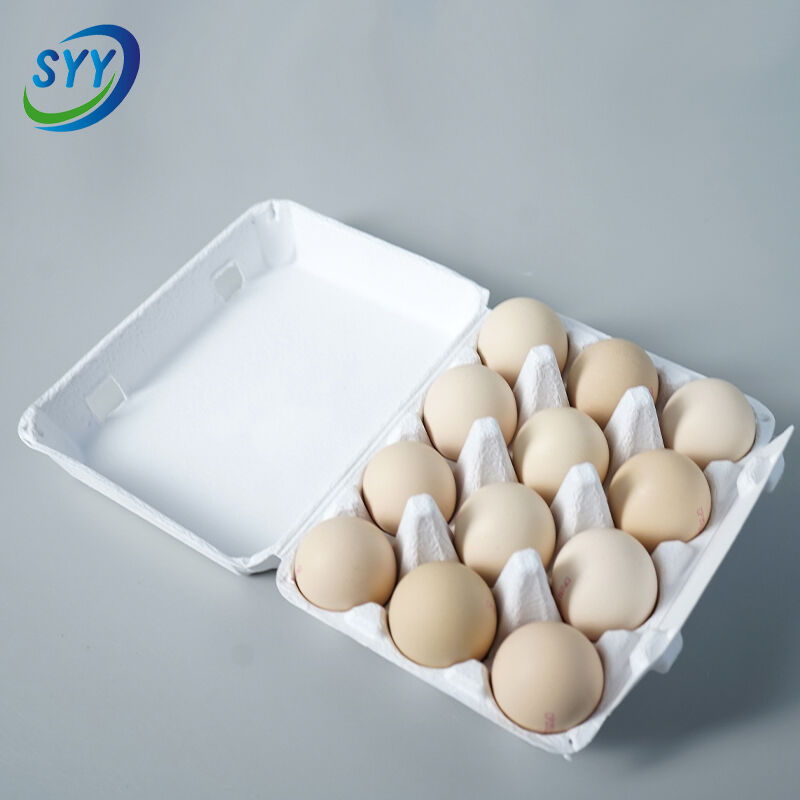
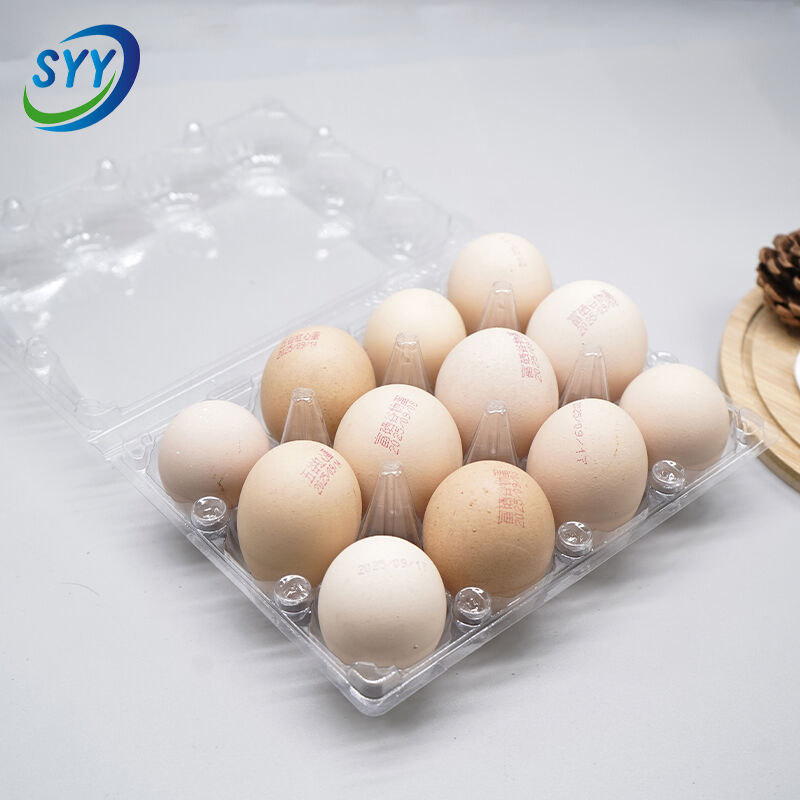
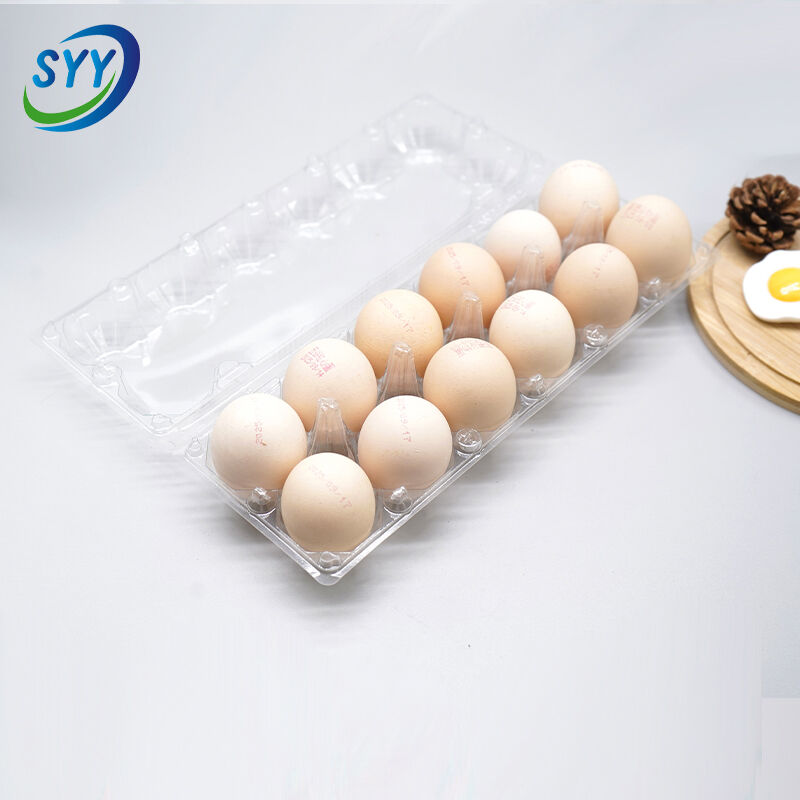
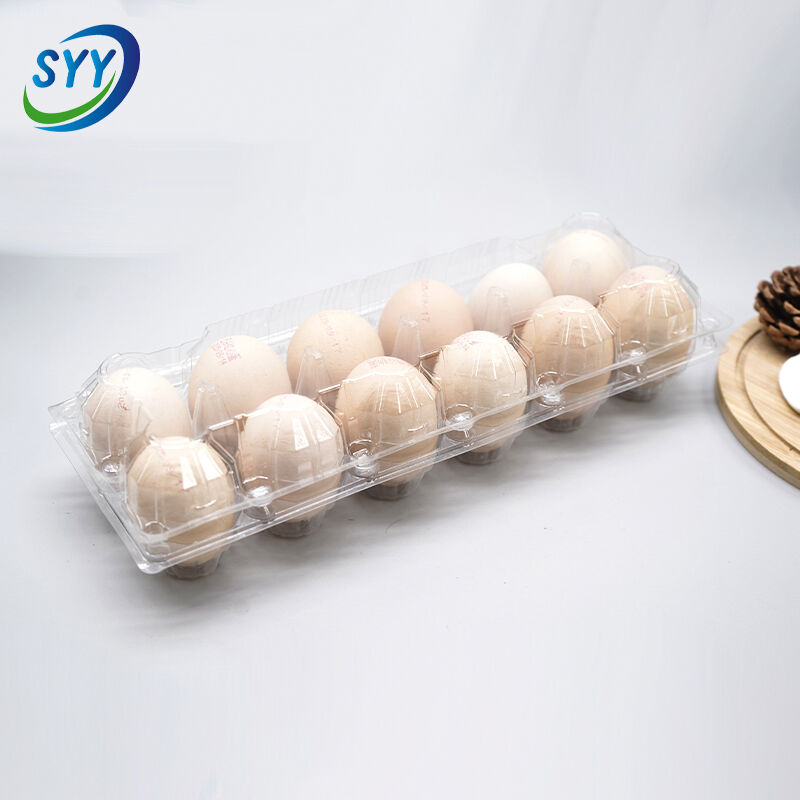
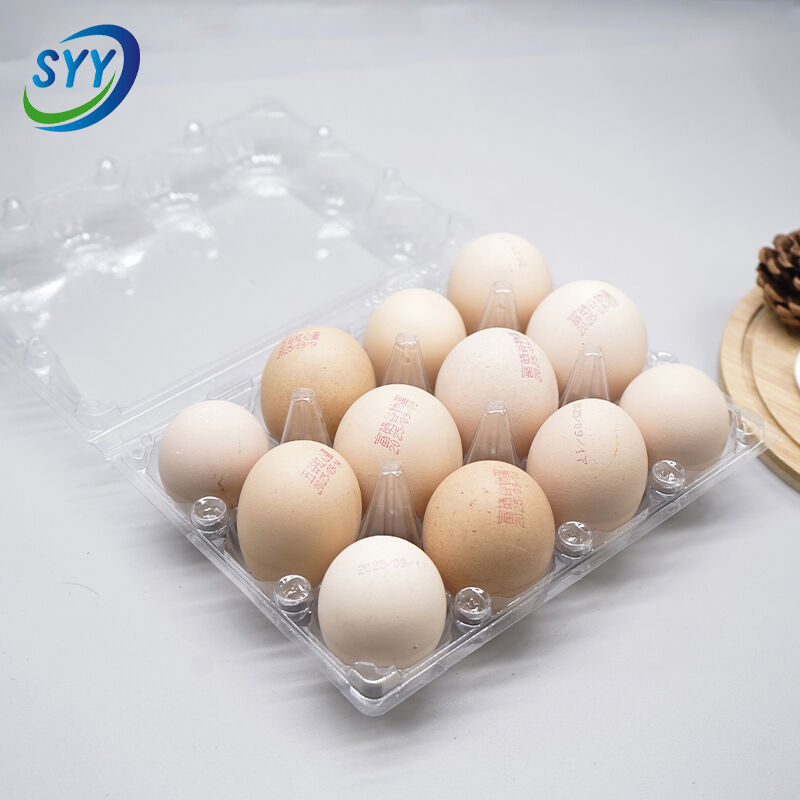
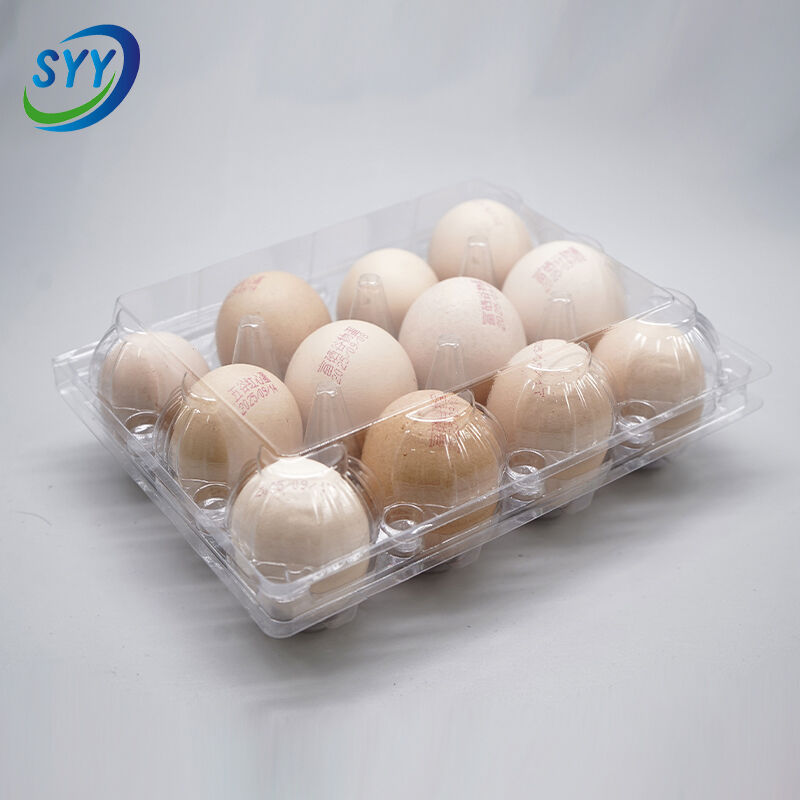
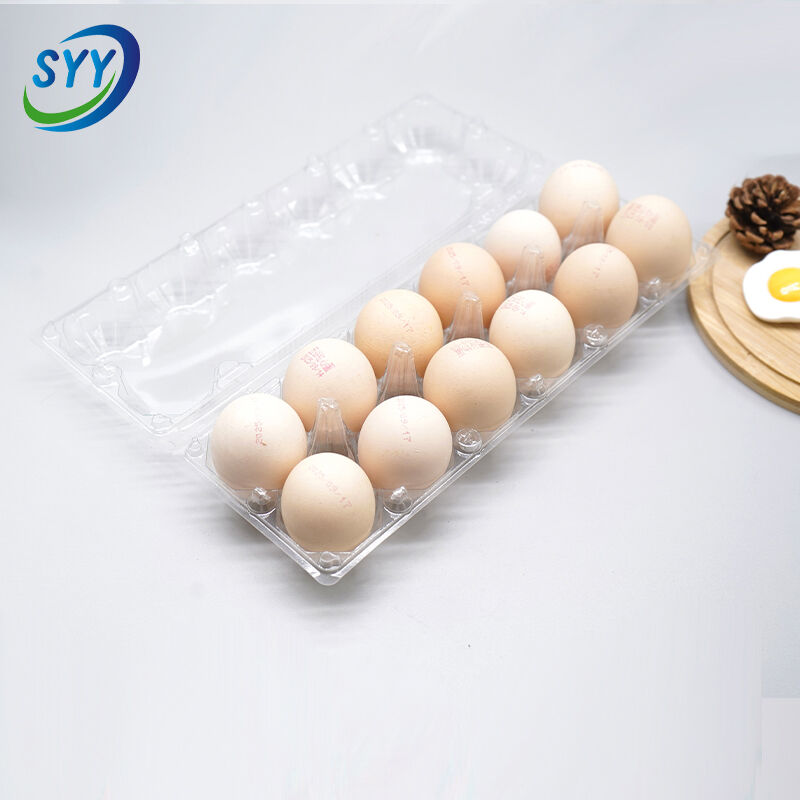
The economic advantages of the durable plastic egg tray extend far beyond initial purchase price considerations, delivering comprehensive value through reduced operational costs, improved efficiency, and sustainable practices that benefit both businesses and the environment. The reusable nature of these trays eliminates the recurring expense of disposable packaging materials, generating substantial savings that compound over time as usage volumes increase. Detailed cost analysis reveals that the durable plastic egg tray typically pays for itself within six to twelve months of regular use, after which all continued service represents pure cost savings compared to single-use alternatives. The lightweight design reduces transportation costs by minimizing shipping weight while maintaining superior strength characteristics, lowering fuel consumption and freight expenses throughout the distribution network. Warehouse efficiency improvements result from the standardized dimensions and reliable stacking properties that enable automated handling systems to operate at optimal speeds without jamming or misalignment issues common with inconsistent disposable packaging. Labor cost reductions occur through simplified handling procedures, reduced package replacement time, and decreased cleanup requirements associated with broken or damaged disposable containers. The durable plastic egg tray contributes to environmental sustainability by dramatically reducing waste generation, landfill burden, and resource consumption compared to single-use packaging systems. Life cycle assessment studies demonstrate that despite higher initial manufacturing energy requirements, the cumulative environmental impact becomes significantly lower than disposable alternatives after relatively few use cycles. Recycling compatibility ensures that end-of-life trays can be processed into new products, supporting circular economy principles and corporate sustainability goals. Carbon footprint reduction results from decreased transportation frequency for packaging supplies, reduced waste hauling requirements, and lower manufacturing demands for replacement materials. The enhanced product protection capabilities reduce food waste by minimizing egg breakage and spoilage, contributing to overall supply chain efficiency and resource conservation efforts that align with global sustainability initiatives.
 EN
EN