 EN

The Shipping Data Behind Plastic Versus Pulp Egg Packaging
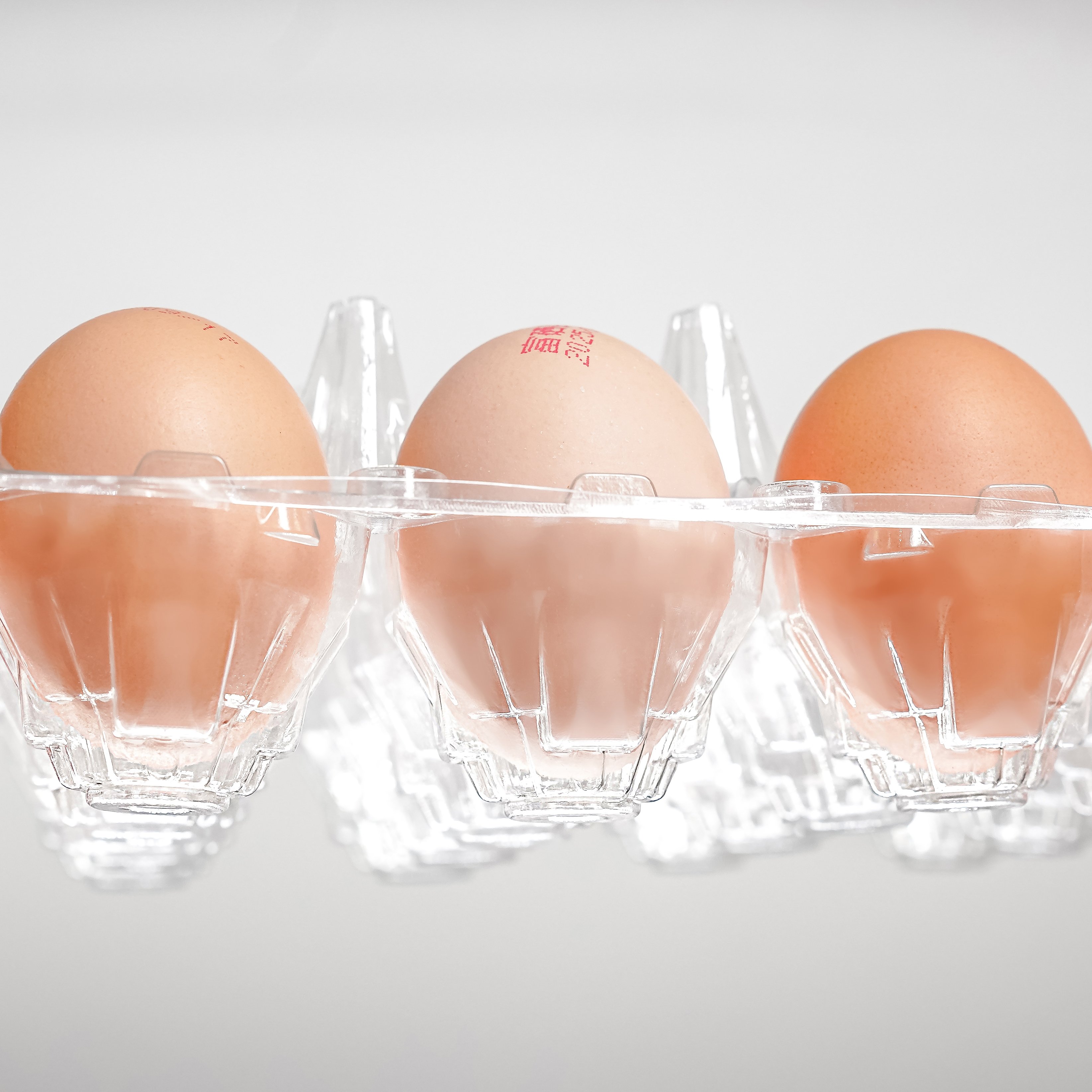
Exporters comparing packaging options rarely have the luxury of running their own controlled breakage tests before committing to a supplier, which means the decision often comes down to trusting general industry experience rather than hard numbers. Across years of working with export clients, Wuhu Shengyiyuan has observed a consistent pattern: shipments packed in plastic PET egg trays report noticeably lower breakage rates than those packed in molded pulp, particularly on longer routes involving multiple transfer points. The reasons are not mysterious once the materials are examined closely. As a plastic egg tray manufacturer producing food grade PET egg tray and blister egg tray formats, Shengyiyuan builds its packaging around the specific failure points that cause pulp trays to underperform once a shipment leaves controlled warehouse conditions and enters the unpredictable environment of a shipping route. Why does this gap between materials matter so much to an exporter's bottom line? Because breakage is rarely an isolated cost — it shows up again in credit notes, in re-inspection fees, and in buyers who quietly start requesting quotes from a competing egg tray manufacturer after a single bad shipment.


How Molded Pulp Behaves Under Real Shipping Conditions
Moisture Absorption and Structural Fatigue
Molded pulp is manufactured from recycled fiber, and that fiber structure absorbs moisture readily from the surrounding air. In a climate-controlled warehouse, this is rarely a problem, but shipping containers are far from climate-controlled once they leave port. Humidity builds up inside a sealed container, especially on routes crossing tropical regions, and pulp trays gradually soften as they absorb this moisture. A softened tray loses its ability to hold eggs firmly in place, and once that support weakens, ordinary vibration from road or sea transport becomes enough to cause breakage that would not have occurred with a stronger tray. This process is also difficult to reverse once it starts, since a pulp tray that has already absorbed humidity does not regain its original firmness even if it later dries out in a warmer climate. By the time a shipment reaches a receiving warehouse, the damage caused by this moisture cycle is often already locked in, regardless of how carefully the tray is handled from that point onward.
Inconsistent Wall Thickness From Batch to Batch
Pulp molding is a less precise process than injection or thermoforming with PET resin, and it is common for wall thickness to vary noticeably between individual trays within the same production batch. This inconsistency means that even if some trays in a shipment hold up well, others may be structurally weaker from the start, creating unpredictable breakage patterns that are difficult for exporters to diagnose or prevent through handling improvements alone. It also makes root-cause analysis frustrating for quality teams, since a batch that performs well in a spot check may still contain a meaningful percentage of undersized or thin-walled trays that only reveal their weakness once they are loaded and put under real transport stress.
Why Plastic PET Egg Trays Perform Differently
Consistent Wall Strength Across Every Tray
Because a plastic egg tray is produced from a controlled resin formulation using precision molds, wall thickness and structural strength remain consistent across an entire production run. This uniformity means exporters can expect the same level of protection whether they are looking at the first tray off the line or the ten-thousandth, which is difficult to guarantee with pulp packaging. This consistency is a major reason exporters increasingly search for a reliable egg tray manufacturer that can document and maintain this level of quality control. Shouldn't packaging performance be something an exporter can predict in advance rather than discover after a shipment has already left the warehouse? With a properly controlled plastic egg tray production process, that predictability becomes the norm rather than the exception, and it is one of the clearest advantages a plastic egg tray manufacturer can offer over pulp-based alternatives.
Better Recovery From Compression Loads
When a stack of trays is compressed under the weight of pallets above it, pulp tends to deform permanently, losing its shape even after the pressure is removed. PET resin, by contrast, has a degree of elastic memory that allows it to recover much of its original shape after compression, which keeps cell dimensions consistent throughout a long journey rather than gradually loosening and allowing eggs to shift. This matters particularly on routes where pallets are restacked multiple times during transshipment, since each additional stacking cycle adds another round of compression that a weaker pulp tray simply cannot absorb without permanent deformation.
Comparing Breakage Outcomes Across Shipping Methods
Road and Rail Transport Considerations
Road and rail transport introduce constant low-level vibration punctuated by occasional sharp jolts from potholes, uneven track, or sudden braking. A plastic egg tray absorbs and distributes this vibration more evenly due to its consistent structure, while pulp trays with variable wall thickness are more likely to have weak points that fail under repeated vibration over a multi-hour or multi-day road journey. On rail routes in particular, coupling shocks at each stop add another layer of repeated stress that a uniformly molded plastic egg tray is simply better equipped to absorb without transferring that force directly to the shell.
Sea Freight and Extended Transit Times
Sea freight combines the vibration challenges of road and rail with extended exposure to humidity, sometimes over several weeks. This is precisely the environment where the gap between plastic and pulp performance becomes most visible, which is why moisture resistant egg trays for sea shipping are almost always specified as plastic rather than pulp for export routes involving ocean transit of any significant duration. Once humidity and vibration are combined over a multi-week voyage, the two stresses tend to compound each other, since a tray that has already softened from moisture absorption has far less resistance left to offer against ongoing vibration by the time the container reaches port.
What Exporters Should Evaluate Before Switching Packaging
Working With an OEM Plastic Egg Tray Supplier
Switching packaging materials is not just a procurement decision, it often involves adjusting mold specifications, branding, and sometimes packing line settings. An experienced OEM plastic egg tray supplier should be able to guide exporters through this transition smoothly, including matching new tray dimensions to existing equipment such as Moba compatible egg trays or Sanovo compatible egg trays already in use on a client's grading line. It also helps to work with a supplier that can run a small trial batch first, so any adjustments to line settings or handling procedures can be worked out before a full production volume is committed to the new packaging format.
Wholesale Formats Including 30 Hole Configurations
For exporters evaluating a switch at scale, understanding available formats matters as much as understanding material performance. Shengyiyuan offers a range of formats, including 30 hole plastic egg tray wholesale options for bulk distribution and smaller retail ready egg cartons for consumer-facing channels, allowing exporters to standardize on plastic packaging across their entire product range rather than mixing materials by market. Standardizing on a single material family across formats also simplifies quality control, since a single food grade PET egg tray manufacturer can be held to one consistent set of specifications instead of managing separate pulp and plastic supply chains at once.
FAQ
Why Plastic Egg Trays Outperform Pulp Trays in Shipping?
Plastic egg trays maintain consistent wall strength and resist moisture absorption, while pulp trays soften and lose structural integrity when exposed to humidity during long shipping routes, leading to higher breakage rates over time. This performance gap tends to widen the longer a shipment stays in transit, which is why the difference is most visible on extended sea freight routes.
Cost Considerations When Switching From Pulp to Plastic?
While unit costs can vary by order volume and format, many exporters find that reduced breakage, fewer insurance claims, and lower dispute rates with buyers offset the packaging cost difference over time. Looking at total landed cost per intact egg delivered, rather than packaging cost alone, usually gives a clearer picture of the actual savings involved.
Available Tray Formats for Bulk Export Orders?
Shengyiyuan offers 30 hole plastic egg tray wholesale formats for bulk distribution as well as smaller retail ready egg cartons, allowing exporters to match packaging to different sales channels.
How Shengyiyuan Ensures Consistent Tray Quality?
As a food grade PET egg tray manufacturer, Shengyiyuan uses precision molds and ongoing quality control checks to maintain consistent wall thickness and structural performance across every production batch.