 EN

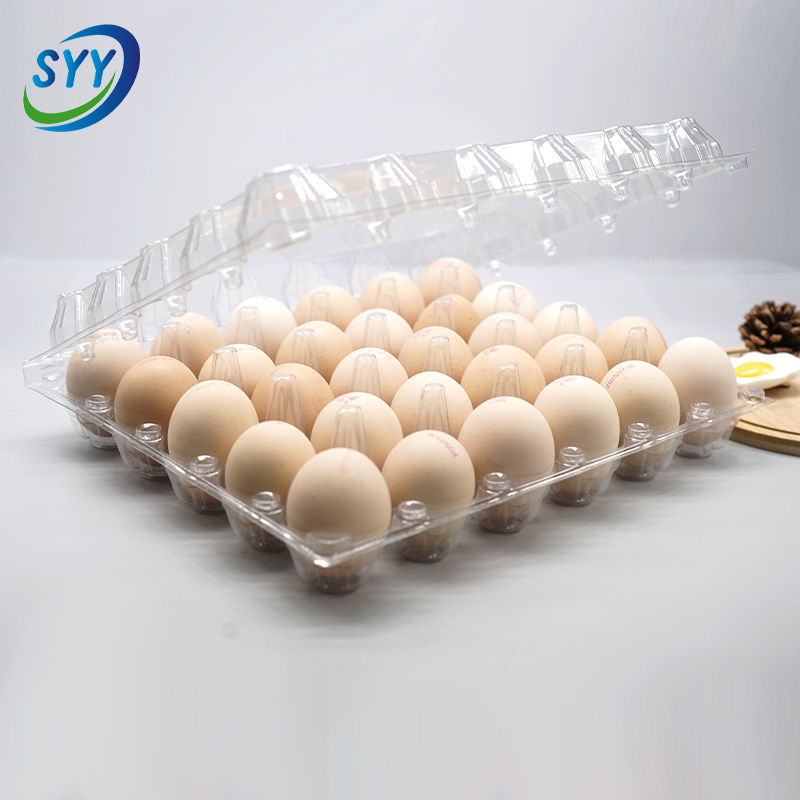
Understanding Breakage Risk Across a Full Sea Shipping Journey
Sea shipping is often the most cost-effective way to move eggs across long distances, but it is also the transport method most likely to expose weaknesses in packaging that would never show up on a short domestic delivery route. A container that spends two or three weeks at sea passes through varying temperatures, humidity levels, and handling conditions at multiple ports before it ever reaches its final destination. For exporters relying on traditional pulp-based packaging, this extended exposure often translates into breakage rates that are difficult to explain until the packaging itself is examined closely. Wuhu Shengyiyuan has focused specifically on this challenge, developing plastic PET egg tray and blister egg tray solutions built around the realities of ocean freight rather than the shorter, more controlled conditions that traditional packaging was originally designed for. What separates a shipment that arrives intact from one that generates a breakage claim is often decided long before the container ever reaches the port, in the choice of tray sitting underneath each egg.

The Unique Challenges of Sea Freight for Egg Exporters
Extended Transit Times and Cumulative Stress
A truck journey might last a single day, but a sea shipment can remain in transit for weeks, meaning that even small, repeated stresses have far more time to accumulate into meaningful damage. Vibration from ship movement, handling at transshipment ports, and repeated stacking and restacking during loading all add up over an extended timeline. Isn't it reasonable to expect that packaging designed for short domestic trips would struggle under this kind of sustained pressure? This is exactly the gap that a properly engineered plastic egg tray is built to close. A tray that only needs to perform for a few hours faces a very different set of demands than one that needs to maintain its structure for the length of an entire transoceanic voyage.
Humidity, Temperature Swings and Container Conditions
Shipping containers are not uniformly climate-controlled, and even refrigerated containers can experience condensation and humidity fluctuations as they move between different climate zones. A route passing through tropical ports before arriving at a cooler destination market exposes packaging to significant temperature and humidity swings within a single journey. Traditional pulp-based trays absorb this moisture directly into their fiber structure, while a moisture resistant egg tray for sea shipping made from PET resin remains structurally unaffected by these same fluctuations. Condensation forming inside a container as it moves from a warm port to a cooler climate zone can be just as damaging as the humidity present at origin, and packaging needs to withstand both ends of that temperature swing rather than just one.
Traditional Packaging Limitations in Ocean Transit
Pulp and Paper-Based Trays Under Prolonged Moisture
The longer a pulp tray is exposed to a humid environment, the more moisture it absorbs, and this is a cumulative rather than a one-time effect. Over a multi-week sea voyage, a pulp tray that started out firm and structurally sound can become noticeably softer by the time it reaches its destination, reducing its ability to hold eggs securely in place during the final stages of unloading and distribution, which is often when handling becomes least careful. This softening effect is rarely visible from the outside of the packaging, which means it often goes unnoticed until a tray gives way under normal handling and the damage is already done.
Weak Points in Stacking Stability
Traditional packaging formats were often designed decades ago around domestic distribution patterns rather than modern container shipping. As a result, many pulp tray designs do not stack as securely inside a standard shipping container, leaving more room for shifting during rough seas or uneven loading. This shifting, even when it does not directly crush any single tray, can create uneven pressure points that lead to breakage across an otherwise stable shipment. Rough seas in particular can introduce lateral movement that a loosely stacked pallet was never tested against, and that movement often goes unnoticed until the container is opened at the destination port.
How Plastic PET Trays Address Sea Shipping Breakage
Moisture Resistant Construction for Long Voyages
Because PET resin does not absorb moisture the way pulp fiber does, a plastic egg tray retains its original strength and shape from the moment it is packed until the moment it is unloaded, regardless of how long the voyage takes or how many climate zones the container passes through. This is precisely why moisture resistant egg trays for sea shipping are specified as a standard requirement by exporters who have previously dealt with breakage claims tied to humidity damage. Once an exporter has experienced the cost of a single humidity-related breakage claim, moisture resistance tends to stop being a nice-to-have feature and starts being treated as a non-negotiable requirement in every future packaging order.
Stable Stacking for Container Loading
Shengyiyuan designs its plastic egg tray formats with container loading patterns in mind, ensuring trays interlock securely when stacked and leave minimal room for shifting during transit. This attention to stacking geometry is a detail that is easy to overlook when comparing packaging on cost alone, but it plays a direct role in how well a shipment holds together across an extended sea route. A pallet that is loaded tightly and consistently at origin is also far less likely to require repacking or realignment when it is unloaded at destination, which saves additional handling time on both ends of the journey.
Preparing an Export Packaging Strategy That Works
Retail Ready Egg Cartons for Destination Markets
Sea shipments do not end at the port — eggs often need to move directly into retail distribution once they clear customs. Using retail ready egg cartons from the outset can reduce repacking steps at the destination market, saving time and reducing the additional handling that introduces further breakage risk after the sea leg of the journey is already complete. Planning for this final stage during the initial packaging design, rather than treating it as a separate problem for the destination market to solve, tends to produce a smoother and less costly distribution process overall.
Partnering With an Egg Tray Manufacturer That Understands Export Logistics
Not every egg tray manufacturer designs specifically around the demands of export shipping, and this difference becomes obvious once breakage data starts coming in from real shipments. Working with a supplier that understands sea freight conditions, container loading patterns, and destination market packaging requirements allows exporters to build a packaging strategy around the full journey rather than just the first leg of transport. Asking a potential supplier directly about their experience with sea freight clients, rather than assuming all egg tray manufacturers approach the problem the same way, is often the fastest way to identify a genuinely suitable long-term packaging partner.
FAQ
Causes of Higher Egg Breakage Rates in Sea Shipping
Extended transit times, cumulative vibration, and fluctuating humidity across multiple climate zones all contribute to higher breakage risk in sea shipping, particularly when packaging is not designed to withstand prolonged moisture exposure. These factors tend to compound one another over a multi-week voyage rather than acting independently.
Suitability of Plastic PET Trays Across Sea Freight Routes
Plastic PET egg trays are engineered to remain structurally stable regardless of humidity or temperature changes, making them suitable across a wide range of sea freight routes, including longer voyages through varying climate zones. This makes them a practical default choice for exporters shipping to multiple regions with different climate conditions.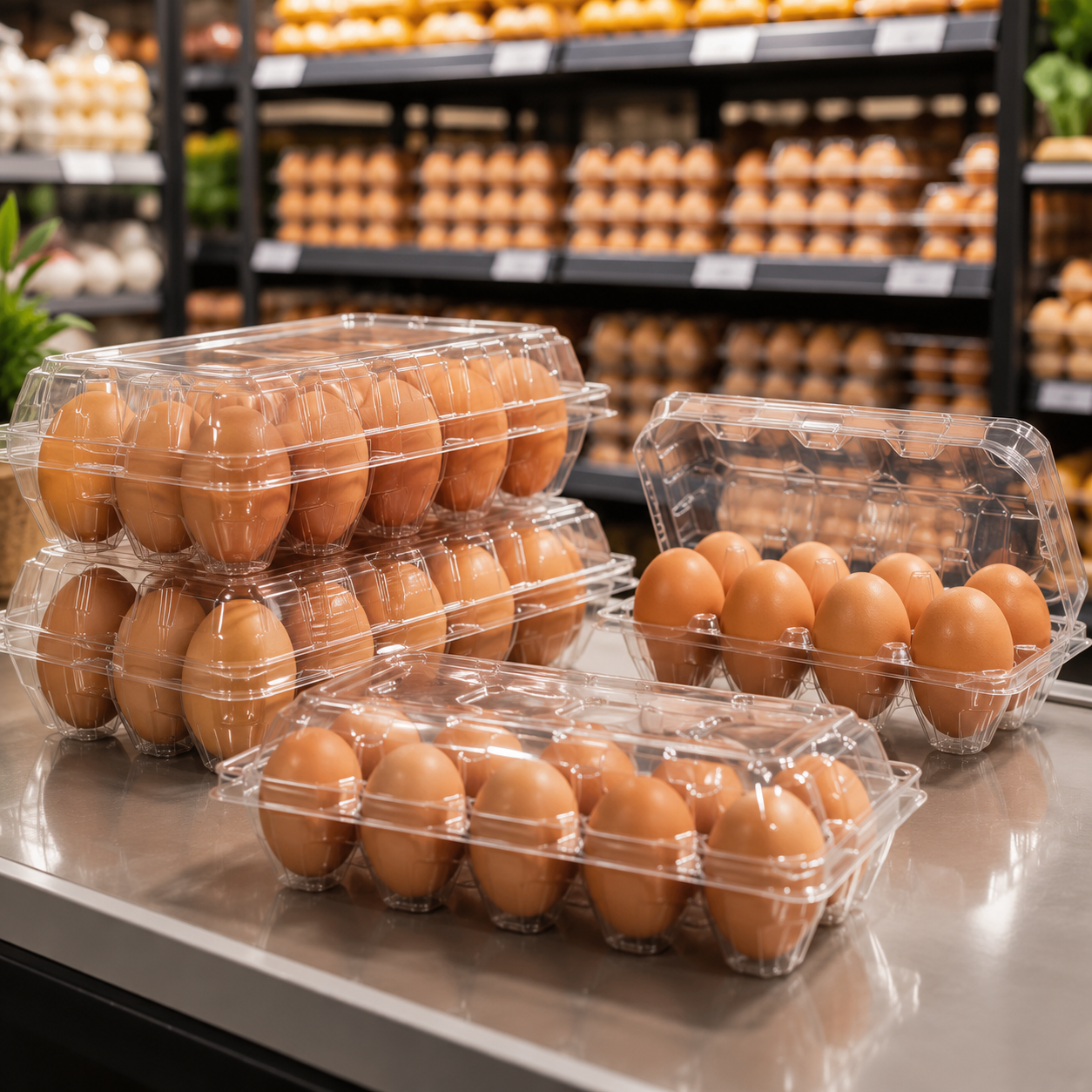
Tray Design and Container Loading Efficiency
Tray stacking geometry affects how securely a shipment sits inside a container, and a well-designed plastic egg tray reduces shifting during transit, which helps prevent uneven pressure points that can lead to breakage. Efficient stacking also helps exporters make better use of available container space.
What to Ask Before Choosing a Sea Shipping Packaging Supplier
Exporters should ask about moisture resistance, stacking stability, compatibility with grading equipment, and whether the supplier can provide retail ready egg cartons or custom formats suited to their specific destination markets.