Madaling Pagmaminbago at Matagalang Tibay
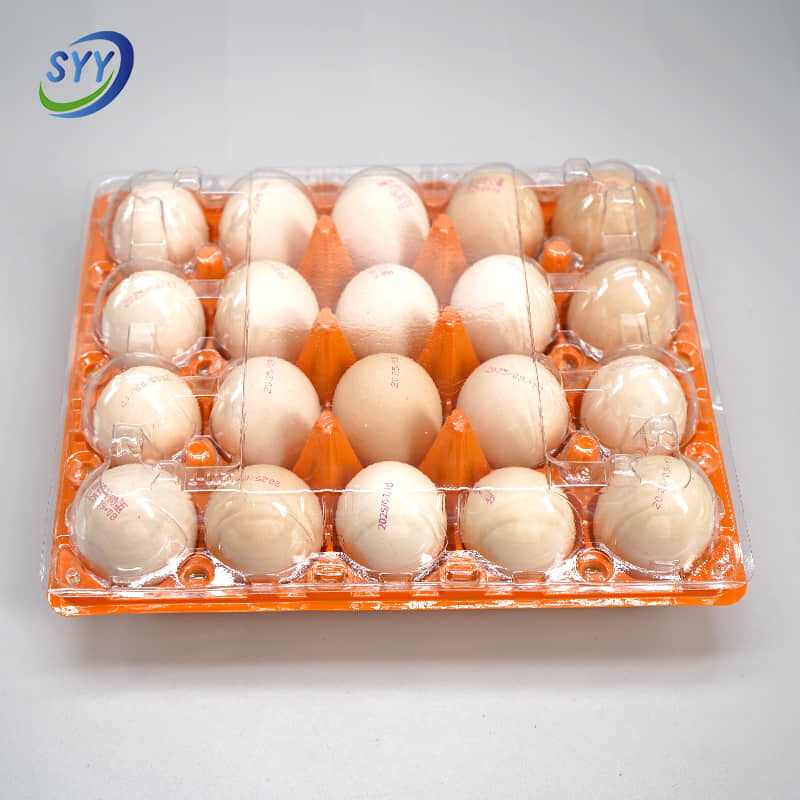
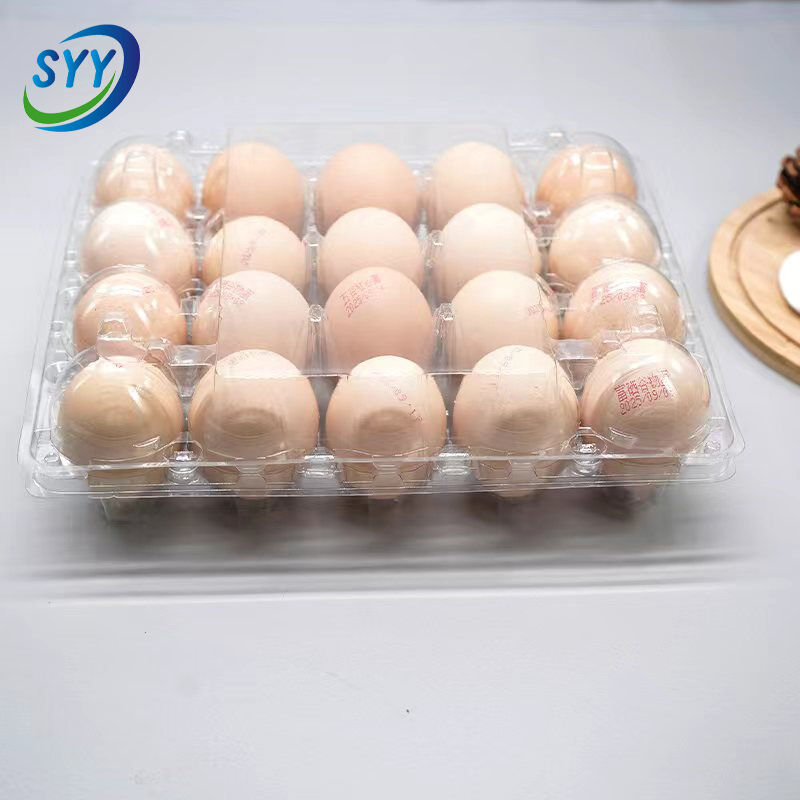
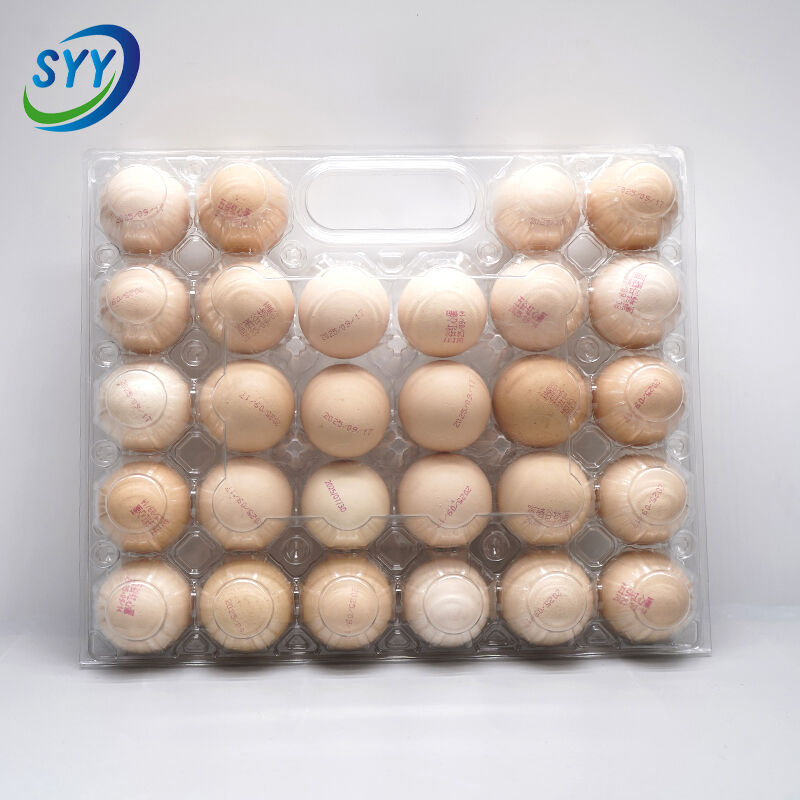
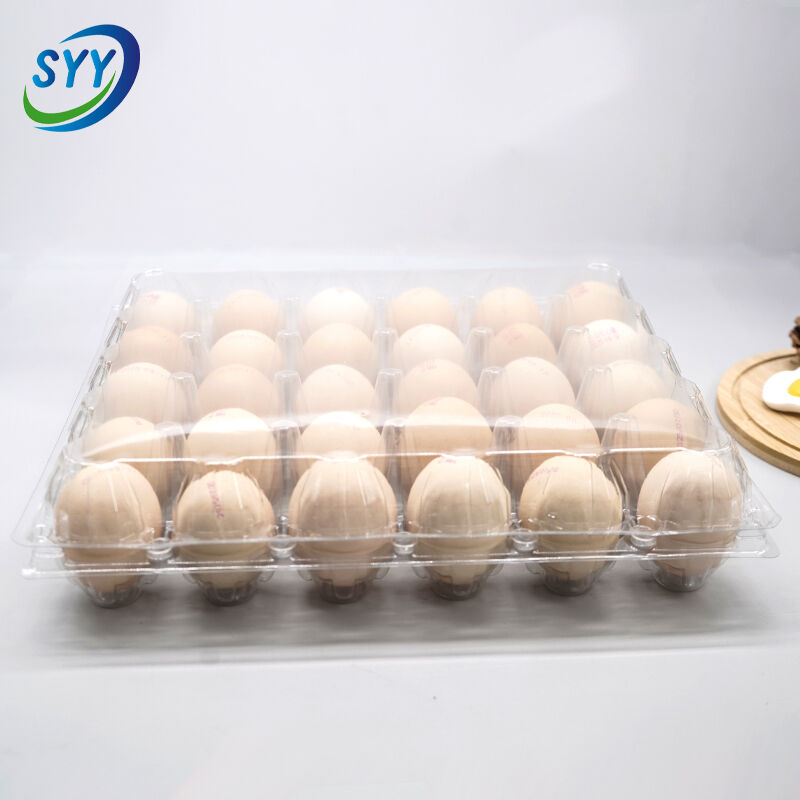
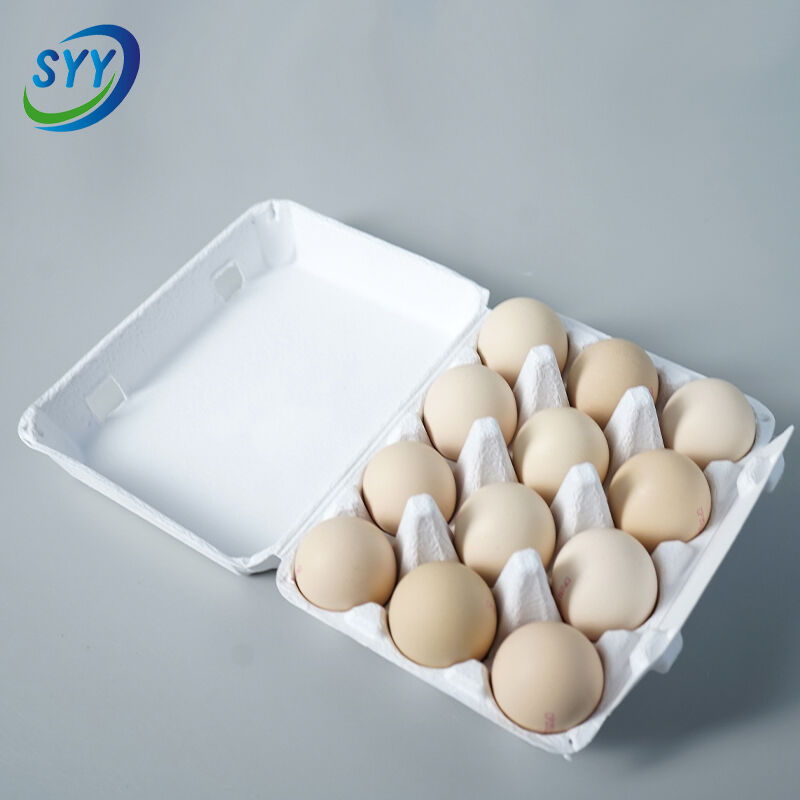
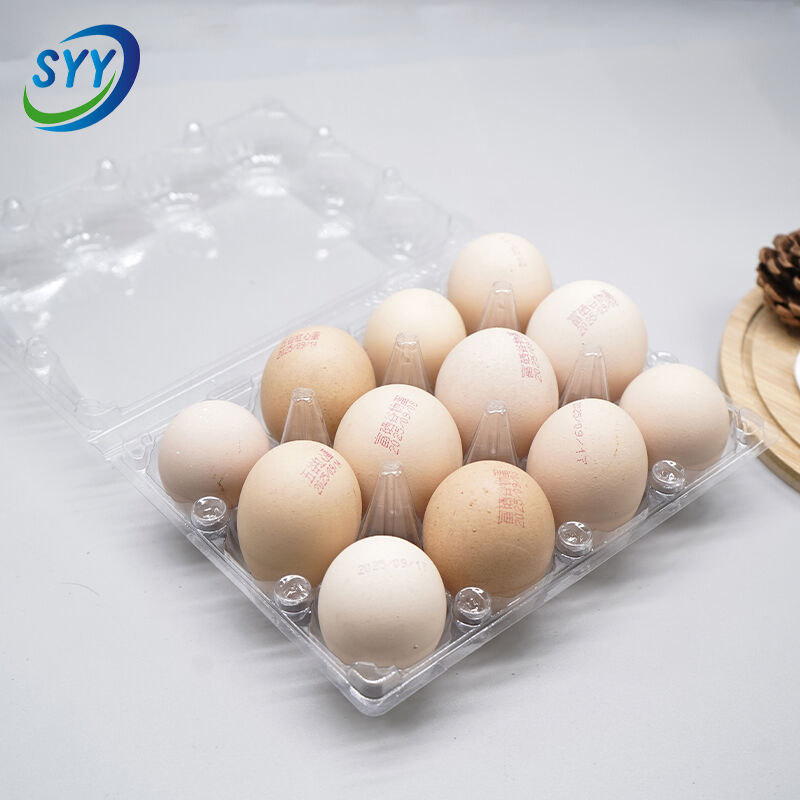
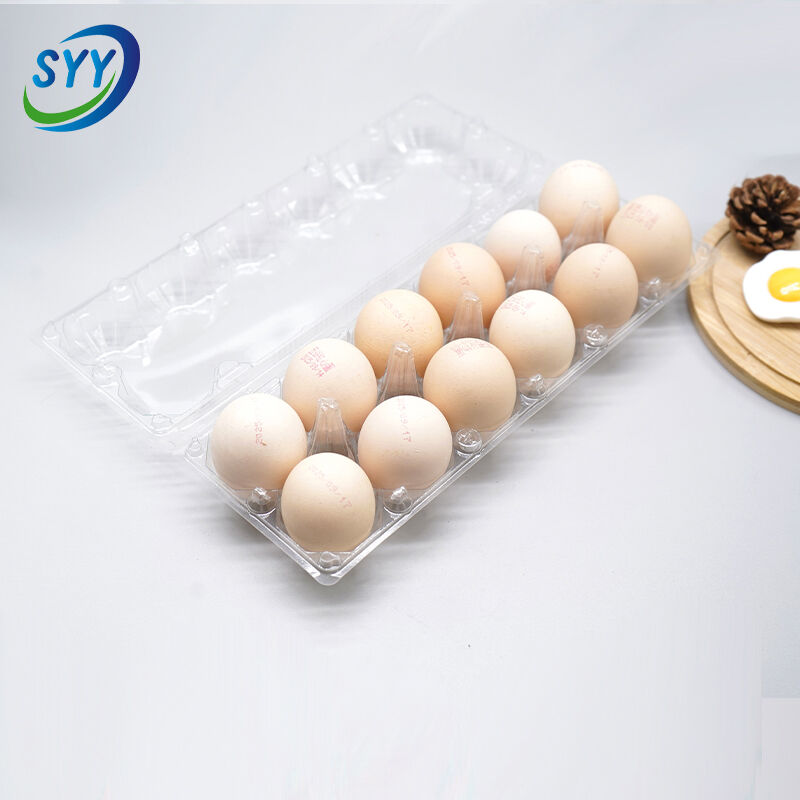
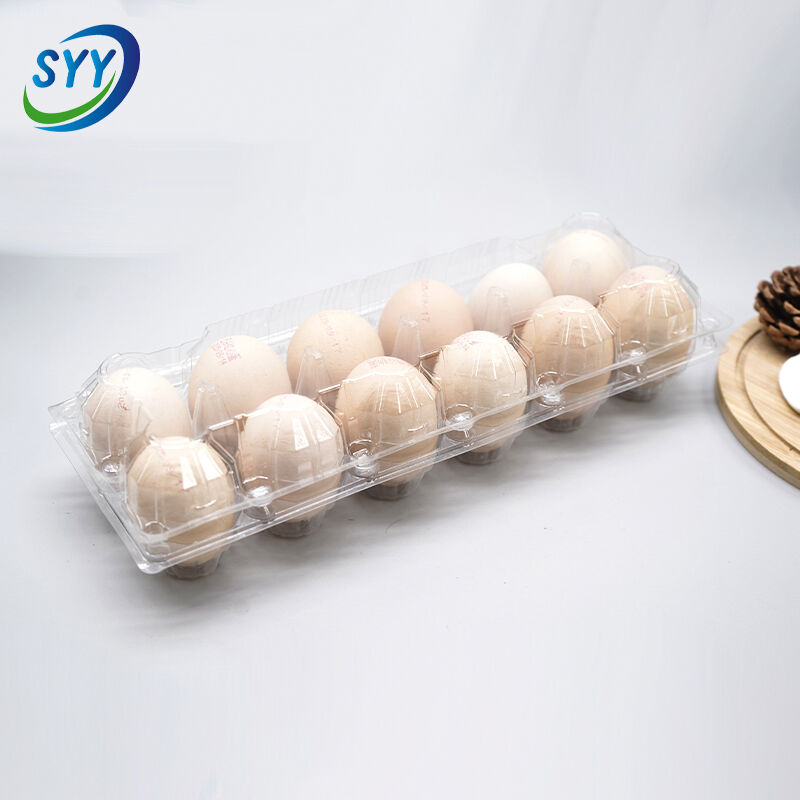
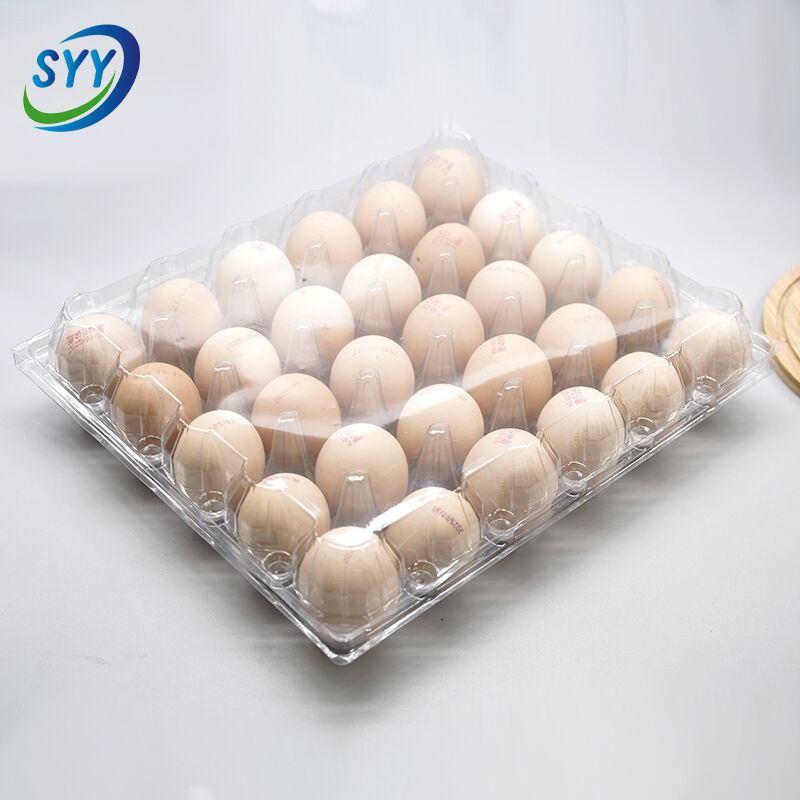
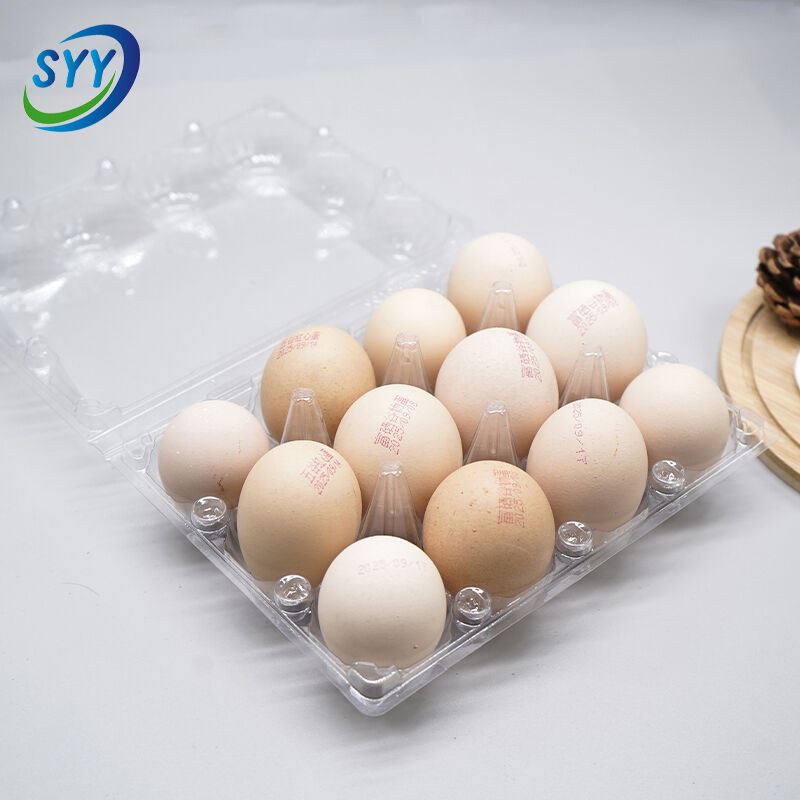
Ang mga katangian ng pangangalaga sa tray para sa itlog na may kahusayan sa kalinisan ay nagpapakilala rito bilang isang superior na long-term na investment para sa mga operasyon sa produksyon ng itlog, anuman ang laki nito. Ang konstruksyon ng hindi poroso na ibabaw ay nagpipigil sa pag-absorb ng mga likido, amoy, at mga stain, na nagsisiguro na ang bawat paglilinis ay ibabalik ang tray sa kondisyon na parang bagong-bago. Ang teknolohiyang ito sa ibabaw ay nag-aalis ng paulit-ulit na pagbaba ng kalidad na karaniwan sa mga poroso na materyales, kung saan ang mga nakalap na kontaminante ay unti-unting nagiging mas mahirap tanggalin sa paglipas ng panahon. Ang tray para sa itlog na may kahusayan sa kalinisan ay nangangailangan lamang ng simpleng paghuhugas gamit ang karaniwang mga solusyon para sa pagdidisinfect, na nagpapalagay ng kailangan para sa espesyal na kemikal sa paglilinis o komplikadong proseso ng pangangalaga. Ang makinis na huling gawa ng ibabaw ay nagpapadali ng epektibong paglilinis gamit ang awtomatikong sistema ng paghuhugas, na binabawasan ang gastos sa paggawa at nagsisiguro ng pare-parehong resulta sa pagdidisinfect. Hindi tulad ng mga alternatibong tray na gawa sa karton na nabubulok kapag basa, ang tray para sa itlog na may kahusayan sa kalinisan ay nananatiling buo ang istruktura nito sa paulit-ulit na paghuhugas, na nagbibigay ng maaasahang pagganap sa taon-taon ng patuloy na paggamit. Ang katangian ng pagtutol sa kemikal ay nagpapahintulot sa paggamit ng mas malakas na mga ahente sa pagdidisinfect kapag kinakailangan, nang walang takot sa pagbaba ng kalidad ng materyales o pinsala sa ibabaw. Ang katatagan sa temperatura ay nagpapahintulot sa tray para sa itlog na may kahusayan sa kalinisan na tumagal sa mataas na temperatura sa proseso ng paghuhugas at pagdidisinfect, kabilang ang paglilinis gamit ang steam at paggamit ng mainit na tubig na magpapadulas sa mga konbensyonal na materyales. Ang pagtutol sa UV ay nagpapigil sa pagbaba ng kalidad dahil sa pagkakalantad sa araw, na ginagawa ang mga tray na ito na angkop para sa pag-iimbak at transportasyon sa labas ng gusali. Ang pagsusuri sa tibay ay nagpapakita na ang mga de-kalidad na tray para sa itlog na may kahusayan sa kalinisan ay nananatiling gumagana nang maayos sa libo-libong siklo ng paggamit, na malayo pa sa haba ng buhay ng mga disposable na alternatibo. Ang pare-parehong pagganap sa loob ng napakahabang buhay na ito ay nagsisiguro na ang mga pamamaraan sa operasyon ay mananatiling standard at maaasahan. Ang pagpaplano ng pagpapalit ay naging simple at mura, dahil ang mga pattern ng pagsuot ay madaling subaybayan at mahulaan. Ang disenyo ng tray para sa itlog na may kahusayan sa kalinisan ay nagpapadali ng mabilis na inspeksyon para sa pagsuot o pinsala, na may malinaw na visual na indikador na nagpapahiwatig kung kailan kailangang palitan. Ang mapredictable na siklo ng pagpapalit na ito ay nagpapahintulot sa mas mahusay na pamamahala ng imbentaryo at pagpaplano ng badyet. Ang kakayahang i-recycle ng mga materyales na ginamit sa produksyon ay nagsisiguro na ang pagtatapon sa dulo ng buhay ng produkto ay sumasalamin sa mga layunin ng environmental sustainability, samantalang ang napakahabang buhay ng serbisyo ay binabawasan ang dalas ng mga pagkakataon ng pagtatapon, na nagpapababa pa ng impact sa kapaligiran at sa gastos sa operasyon.
 EN
EN