cassida oviarum impressa
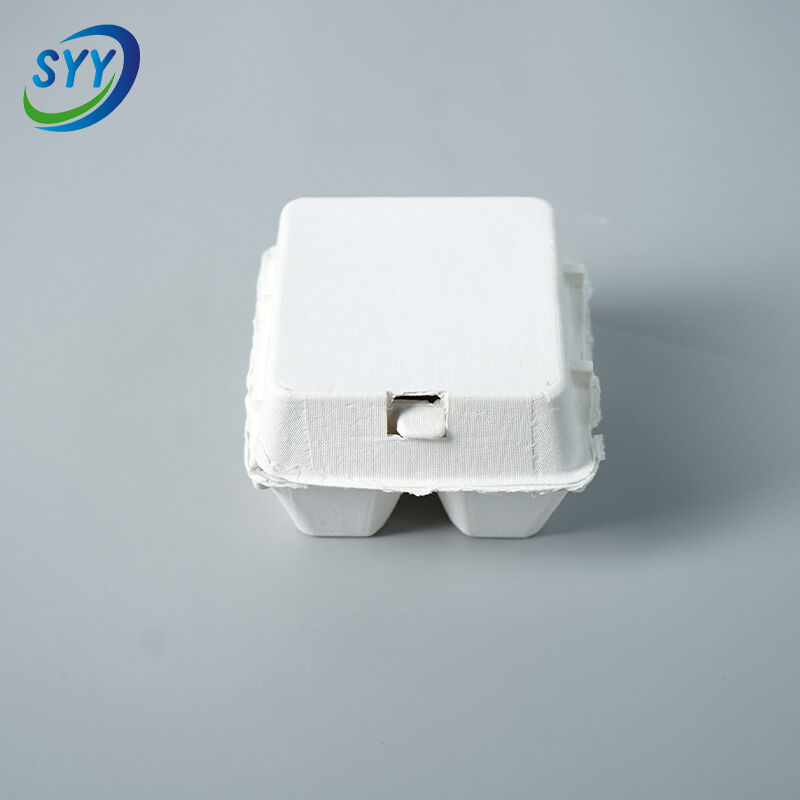
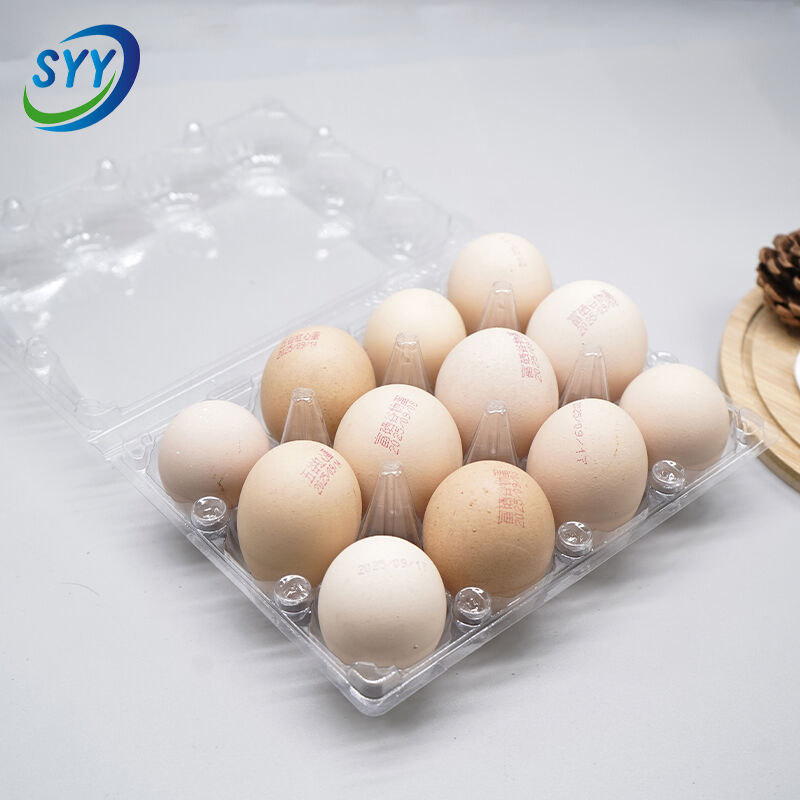
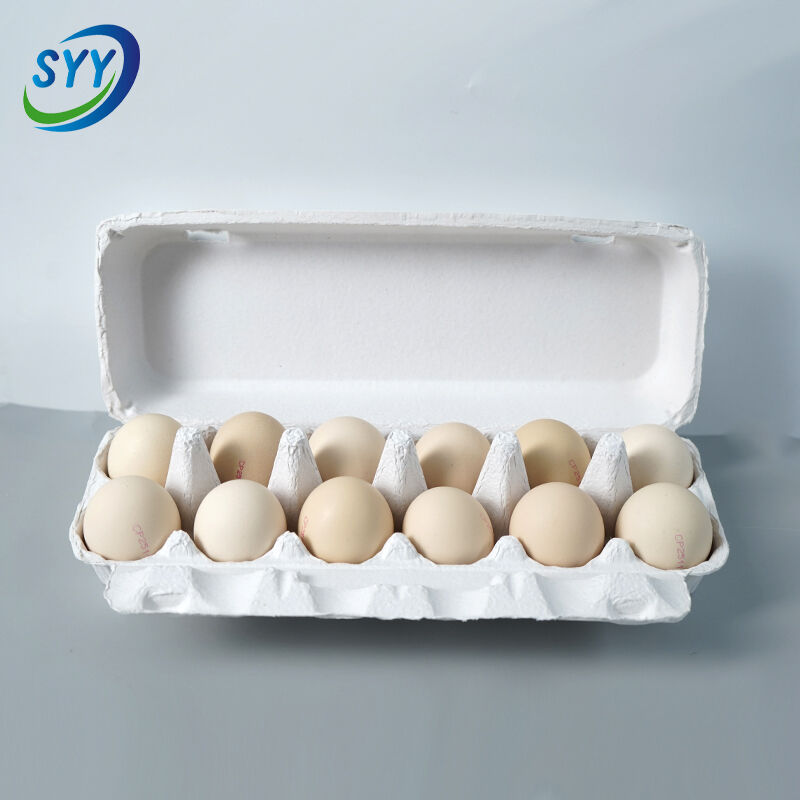
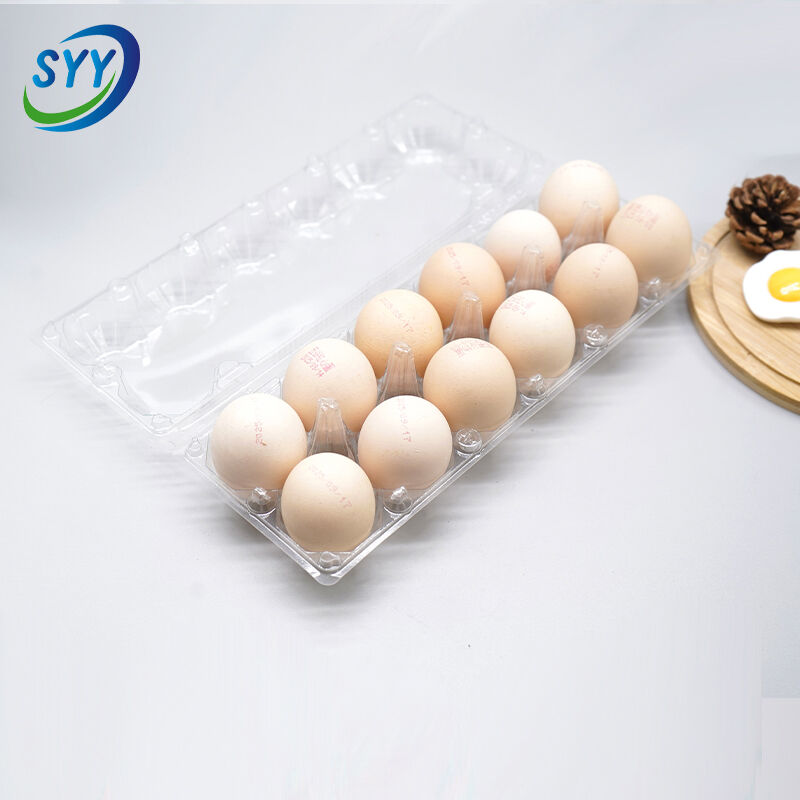
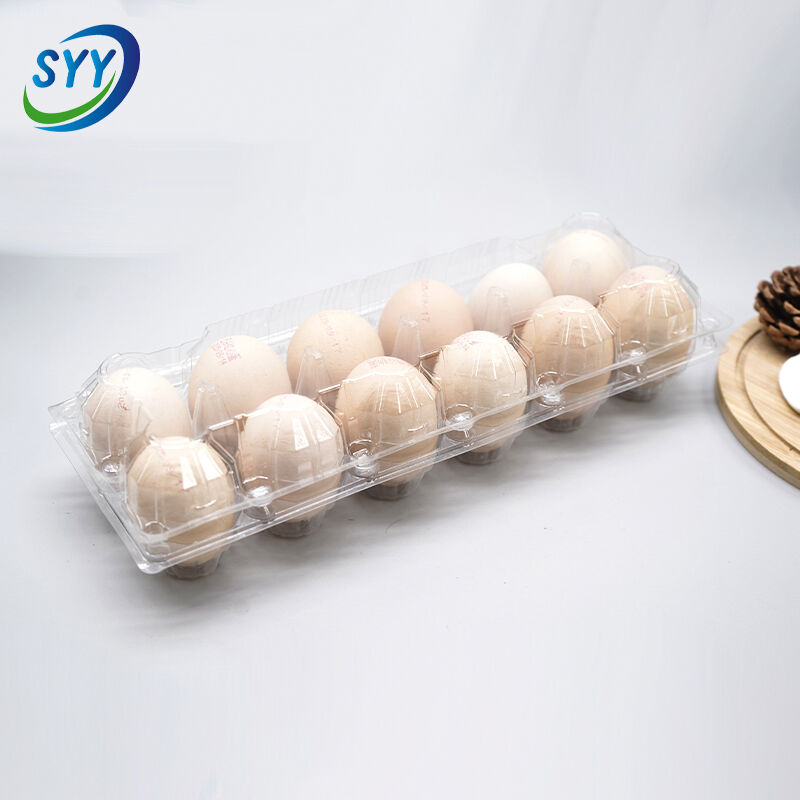
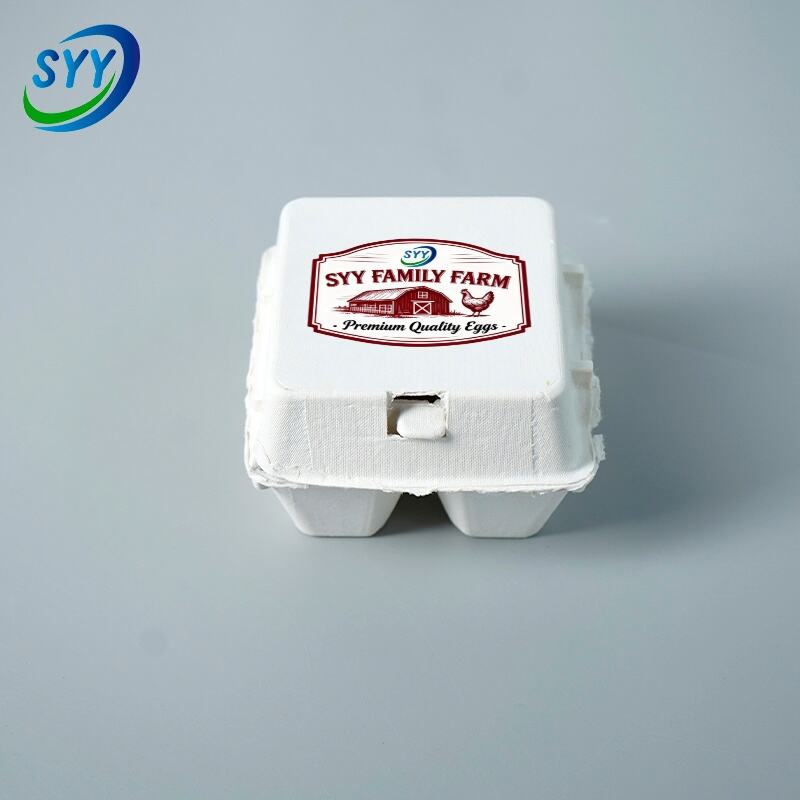
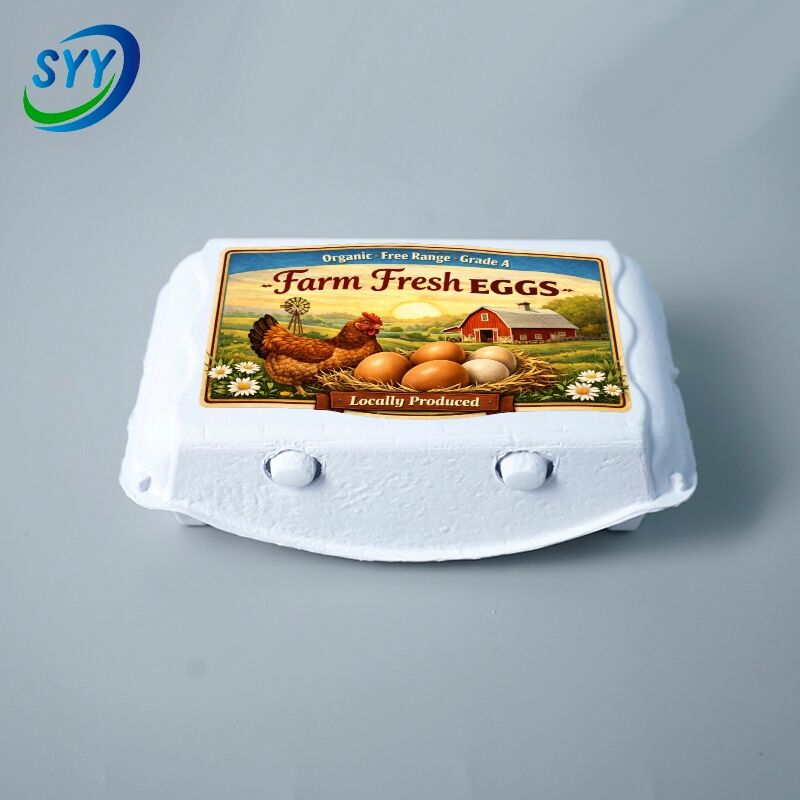
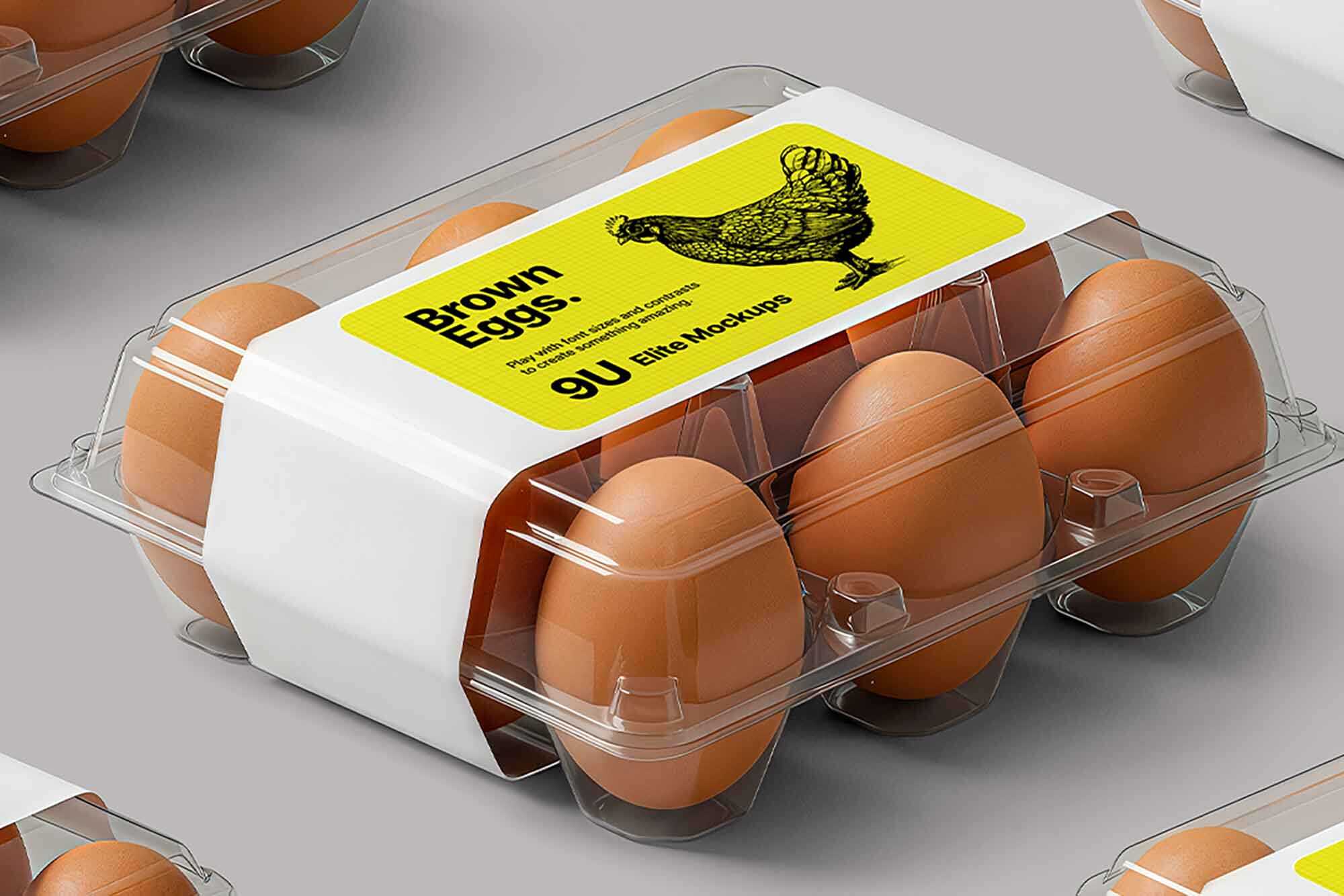
Carton ovorum impressus novam et praecellentem progressum in technologia impacationis ovorium repraesentat, quae protectionem optimam cum facultatibus promovendis auctis coniungit. Haec innovativa solutio impacationis integrat impressionem altae qualitatis directe in cartones ex pulpa formata, creans productum versatilis, quod plures functiones praeter simplicem conservationem ovorium implere potest. Carton ovorum impressus qualitates protectivas fundamentales tradicionalis impacationis ovorium servat, dum valorem magnificum addit per facultates personalizatas branding et communicationis. Processus moderni fabricandi permittunt reproductionm colorum praecisam et graphicas minutiis refertas in superficie cartonis, ut productores identitatem suam brand, informationem nutrimentalem, et nuntios promovendos efficaciter ostendere possint. Structura principalis ex materia fibrosa formata constat, quae est amica ambienti, saepissime ex recensitis chartis et cartonibus confecta, ut durabilitas simul et responsabilitas ecologica certificentur. Quisque carton ovorum impressus singulos compartimentos strategice designatos habet, qui ova secure amplexantur, frangibilitatem in transportando et tractando prohibentes. Technologia impressionis in usum venit inks et tegmina salubria ad cibos, quae normas internationales salutis observant, ut tutela sanitatis consummatorum certa sit. Technicae formandae provectae uniformitatem crassitudinis per parietes cartonis creant, integritatem structuralem constantem praebentes, dum proprietates ventilationis optimae servantur. Superficies impressa varias methodos impressionis recipit, inter quas flexographica, offset, et digitalis, quae personalizationem pretio commode factam pro diversis voluminibus productionis permittunt. Systemata controlis qualitatis tam integritatem structuralem quam qualitatem impressionis inspiciunt, ut omnis carton ovorum impressus severissimis normis performance satisfaciat. Processus fabricandi measuras contra umorem includit, quae effluvium inki prohibent et claritatem impressionis per totam vitam producti servant. Proprietates resistentiae ad temperaturam cartonem ovorum impressum patiuntur conditiones refrigerationis communis sine detrimento stabilitatis structurales aut speciei visualis.
 EN
EN