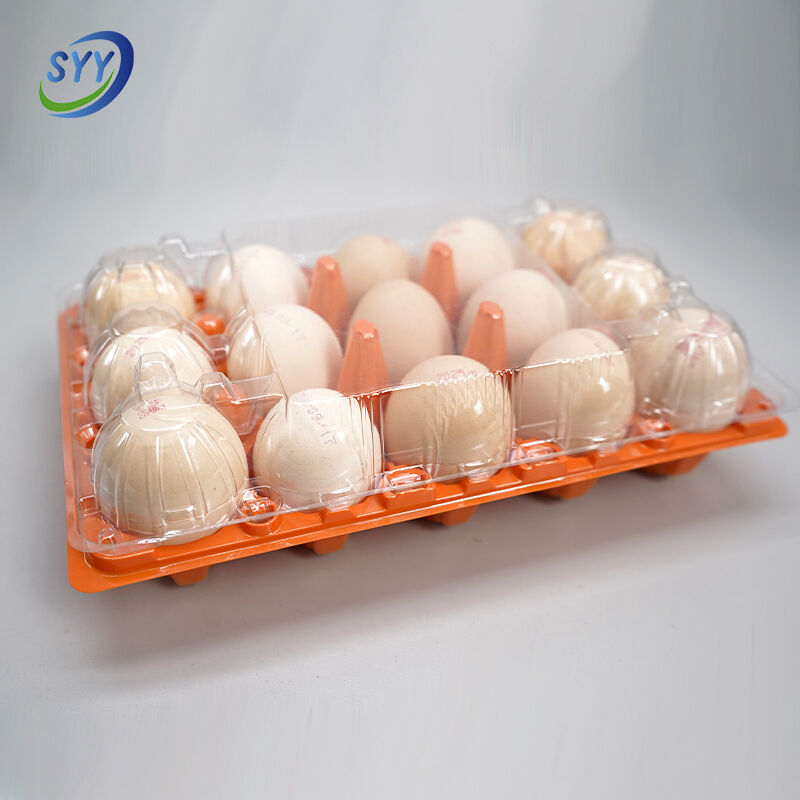
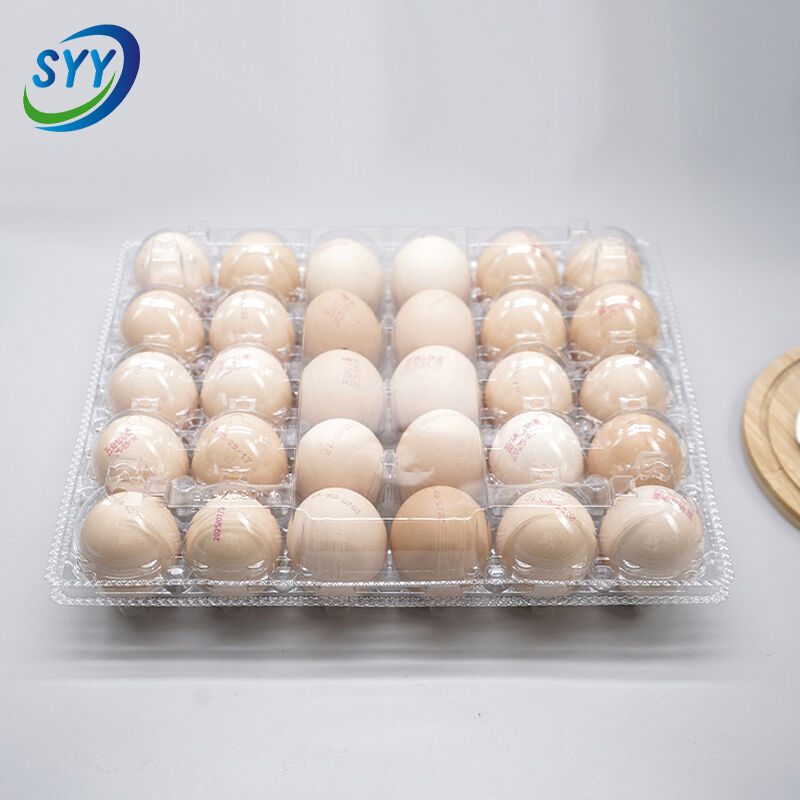
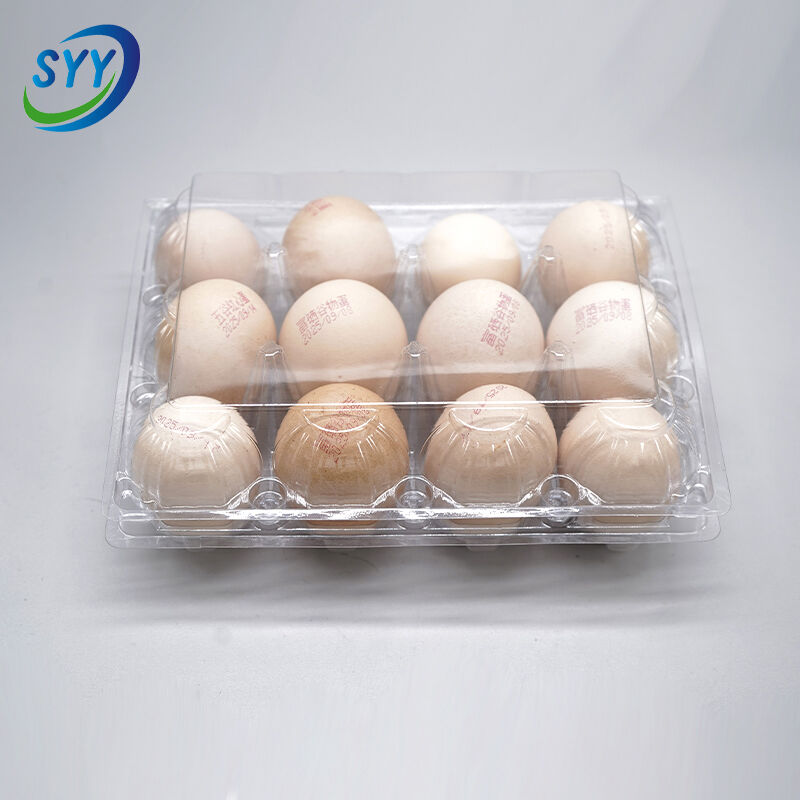
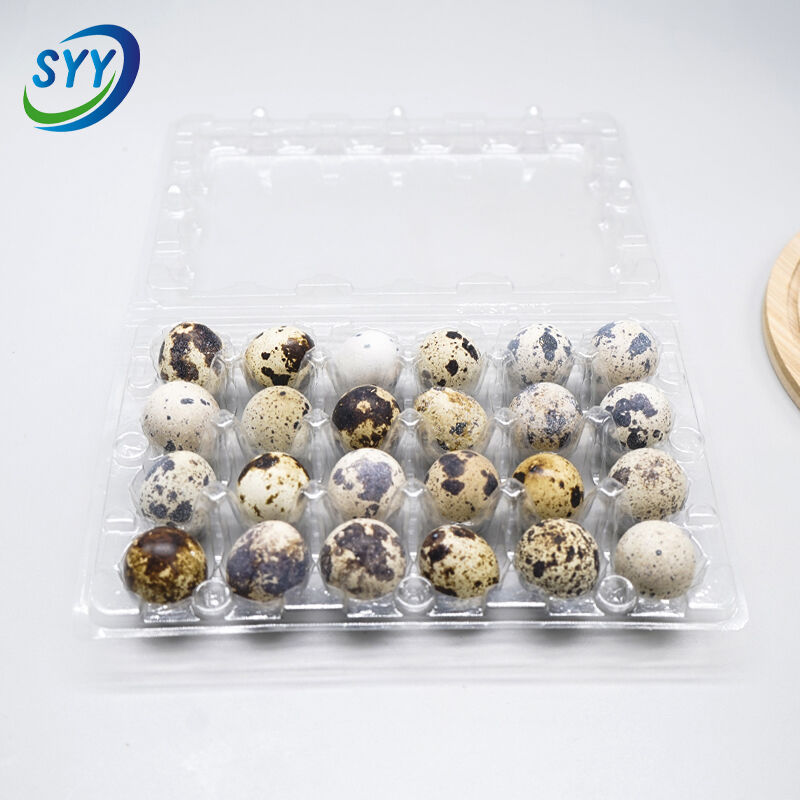
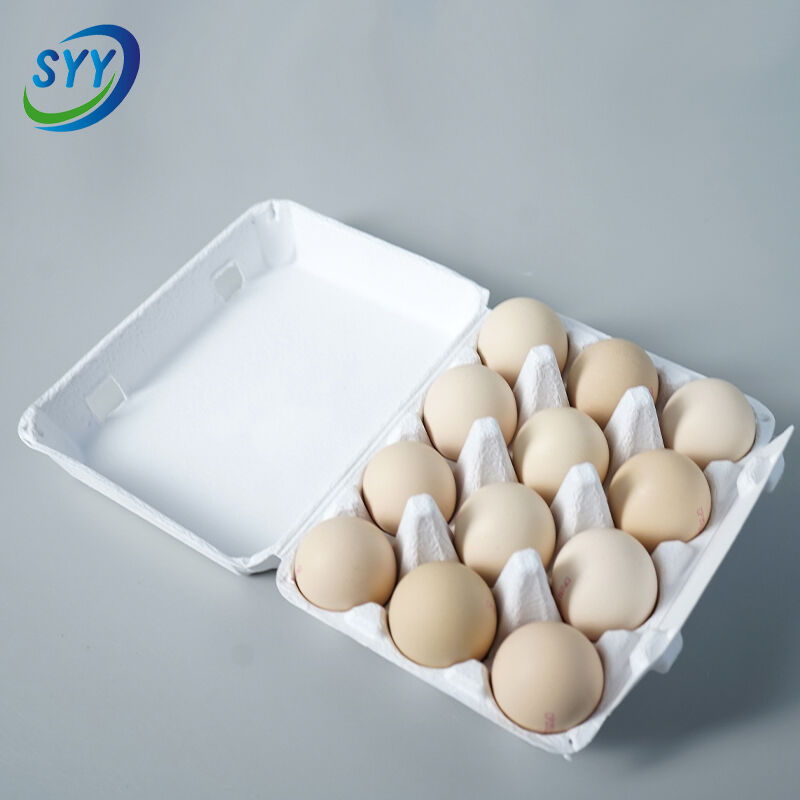
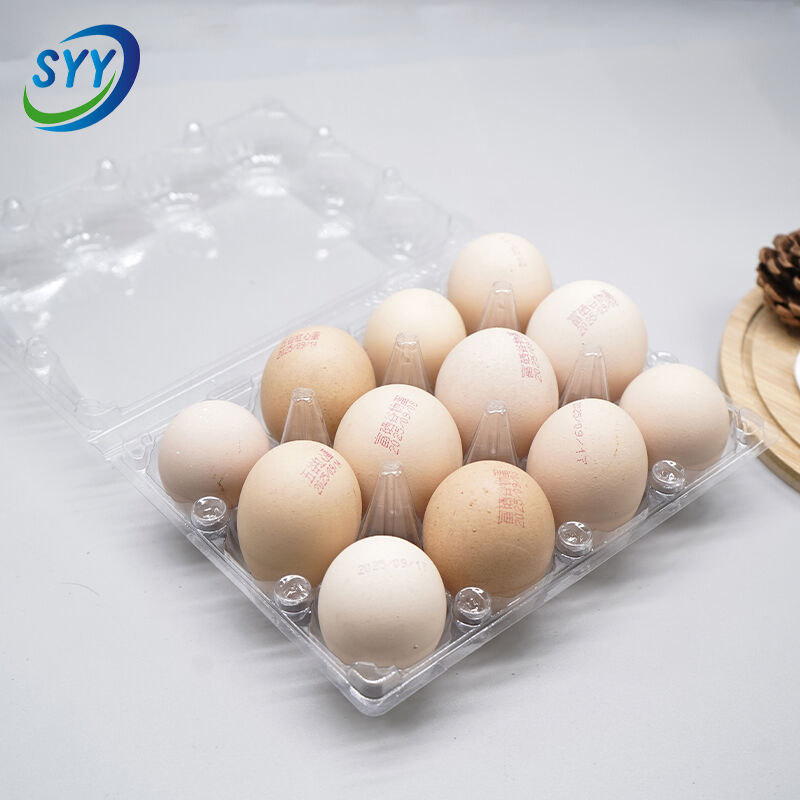
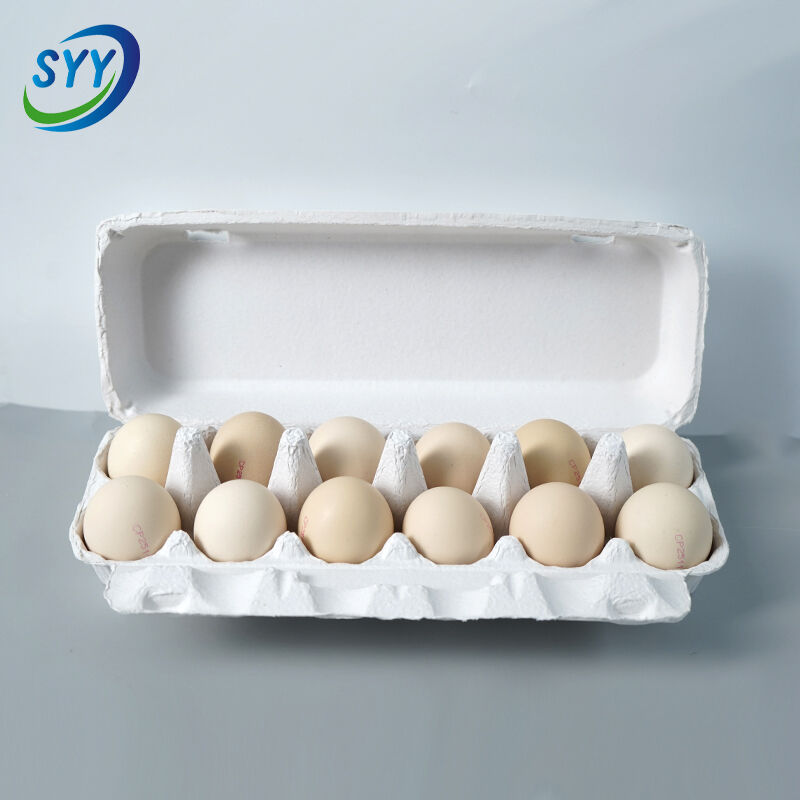
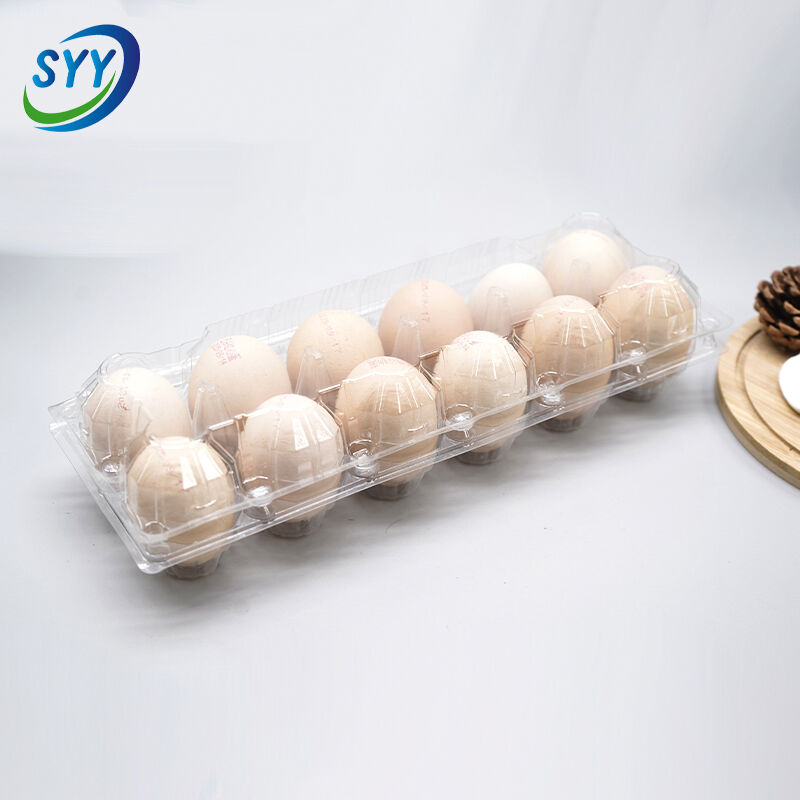
Professional Egg Storage Solutions: Advanced Climate Control and Inventory Management Systems

Get a Free Quote

We usually reply within 12 hours.
Email
Country/Region
Product Type
Please select your products type
Estimated Order Quantity
Hole Count
Please select your hole count
Packing System
Please select your packing system
Target Delivery Time
Color
Please select your color
Attachment
Please upload at least an attachment
Up to 3 files, each no larger than 30MB. Supported formats: jpg, jpeg, png, pdf, doc, docx, xls, xlsx, csv, txt, stp, step, igs, x_t, dxf, prt, sldprt, sat, rar, zip.
Message
0/1000

egg storage

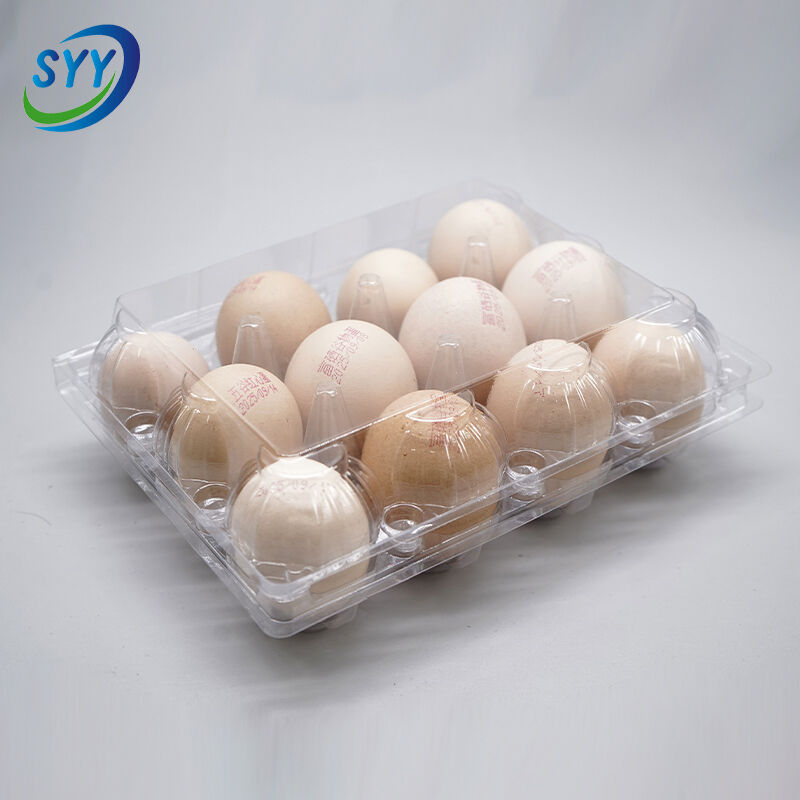
Egg storage represents a critical component in modern poultry farming operations, serving as the backbone for maintaining egg quality and extending shelf life from farm to consumer. This sophisticated storage infrastructure encompasses various technologies and methodologies designed to preserve the nutritional integrity, freshness, and safety of eggs throughout the supply chain. The primary function of egg storage systems revolves around controlling environmental factors such as temperature, humidity, and air circulation to prevent bacterial growth and maintain optimal conditions for egg preservation. Modern egg storage facilities utilize advanced refrigeration technology, typically maintaining temperatures between 35-40°F (1.7-4.4°C) with humidity levels around 70-75 percent to ensure maximum freshness retention. These systems incorporate automated monitoring capabilities that continuously track environmental conditions and alert operators to any deviations that could compromise egg quality. The technological features of contemporary egg storage solutions include precise climate control systems, automated inventory management, and sophisticated ventilation mechanisms that ensure consistent air flow throughout the storage area. Many facilities employ computerized tracking systems that monitor storage duration, rotation schedules, and quality parameters, enabling efficient inventory management and reducing waste. Applications of egg storage extend beyond simple preservation, encompassing commercial distribution centers, retail facilities, processing plants, and large-scale poultry operations. These systems accommodate various packaging formats, from individual consumer cartons to bulk commercial containers, making them versatile solutions for different market segments. The storage infrastructure also supports quality assurance protocols, enabling facilities to maintain traceability and comply with food safety regulations. Advanced egg storage systems often integrate with existing farm management software, providing real-time data on inventory levels, storage conditions, and distribution schedules, thereby optimizing operational efficiency and reducing costs associated with spoilage and waste.

Popular Products

Egg storage systems deliver substantial benefits that directly impact profitability, quality assurance, and operational efficiency for businesses across the poultry industry. The most significant advantage lies in extended shelf life preservation, where properly controlled storage conditions can maintain egg freshness for weeks beyond what conventional storage methods achieve. This extension translates into reduced product loss, lower waste disposal costs, and improved profit margins for retailers and distributors. Temperature-controlled egg storage prevents the growth of harmful bacteria such as Salmonella, significantly reducing food safety risks and protecting both consumers and businesses from potential liability issues. This enhanced safety profile becomes increasingly valuable as food safety regulations become more stringent and consumer awareness grows regarding foodborne illnesses. The automated monitoring capabilities inherent in modern egg storage systems reduce labor costs by minimizing manual inspection requirements while providing more accurate and consistent quality control than human oversight alone. These systems generate detailed reports on storage conditions, inventory levels, and product rotation schedules, enabling managers to make data-driven decisions that optimize inventory turnover and minimize losses. Energy efficiency represents another compelling advantage, as modern egg storage units utilize advanced insulation materials and intelligent climate control systems that reduce electricity consumption compared to older refrigeration methods. This efficiency translates into lower operational costs and reduced environmental impact, appealing to environmentally conscious consumers and businesses seeking to reduce their carbon footprint. The scalability of egg storage solutions allows businesses to expand their operations gradually without requiring complete infrastructure overhauls, making it easier to respond to market demand fluctuations. Improved inventory management through automated tracking systems enables better forecasting, reduces overstock situations, and ensures optimal product rotation to maintain freshness standards. The professional appearance and organized presentation of properly stored eggs enhance marketability and consumer confidence, potentially commanding premium prices in competitive markets. Additionally, compliance with food safety standards becomes more manageable with documented storage conditions and automated alerts, reducing regulatory risks and associated penalties. These storage systems also provide protection against external factors such as temperature fluctuations, power outages, and environmental contamination, ensuring consistent product quality regardless of external conditions.

Practical Tips

Why Do Eggs Break During Shipping? Causes and Best Egg Packaging Solutions Explained

08

May

Why Do Eggs Break During Shipping? Causes and Best Egg Packaging Solutions Explained

Every year, millions of eggs are lost to breakage during transit — a costly problem that affects egg producers, distributors, and retailers alike. The fragility of eggs is not a new challenge, but as supply chains grow more complex and shipping...
View More
How to Reduce Egg Breakage During Transport: Best Egg Packaging Solutions for Poultry Farms

07

May

How to Reduce Egg Breakage During Transport: Best Egg Packaging Solutions for Poultry Farms

For poultry farms of every scale, egg breakage during transport represents one of the most persistent and costly operational challenges. Every cracked or shattered egg is not just a lost product — it is lost revenue, wasted labor, and a potenti...
View More
What to Look for in Egg Packaging Manufacturers: Quality, Cost, and Customization Guide

12

May

What to Look for in Egg Packaging Manufacturers: Quality, Cost, and Customization Guide

Choosing the right egg packaging manufacturer is one of the most consequential decisions a poultry producer, retailer, or food distribution business can make. The packaging that holds your eggs does far more than contain a product — it communicates b...
View More
Best Egg Packaging Solutions for Supermarkets: Clear PET Egg Cartons for Retail Display

13

May

Best Egg Packaging Solutions for Supermarkets: Clear PET Egg Cartons for Retail Display

In the competitive world of retail grocery, the way eggs are packaged and displayed can significantly influence purchasing decisions. Supermarkets today face mounting pressure to balance product visibility, structural protection, and shelf appeal — a...
View More

Get a Free Quote

We usually reply within 12 hours.
Email
Country/Region
Product Type
Please select your products type
Estimated Order Quantity
Hole Count
Please select your hole count
Packing System
Please select your packing system
Target Delivery Time
Color
Please select your color
Attachment
Please upload at least an attachment
Up to 3 files,more 30mb,suppor jpg、jpeg、png、pdf、doc、docx、xls、xlsx、csv、txt、stp、step、igs、x_t、dxf、prt、sldprt、sat、rar、zip
Message
0/1000

egg storage

Advanced Climate Control Technology

Advanced Climate Control Technology

The cornerstone of effective egg storage lies in sophisticated climate control technology that maintains precise environmental conditions essential for preserving egg quality and safety. Modern egg storage systems employ multi-zone temperature management that can accommodate different storage requirements within a single facility, allowing operators to optimize conditions for various egg types, sizes, and intended uses. The temperature control system utilizes advanced sensors and computerized monitoring that continuously tracks ambient conditions and automatically adjusts cooling and heating elements to maintain optimal storage temperatures within narrow tolerances, typically plus or minus one degree Fahrenheit. This precision proves crucial because even small temperature variations can significantly impact egg quality, with higher temperatures accelerating spoilage and lower temperatures potentially causing freezing damage that compromises shell integrity. The humidity control component works in tandem with temperature management, utilizing sophisticated dehumidification and humidification systems that maintain ideal moisture levels to prevent shell deterioration and bacterial growth. Proper humidity control prevents eggs from losing moisture through their porous shells while avoiding excessive moisture that could promote mold growth or bacterial contamination. The air circulation system ensures uniform distribution of conditioned air throughout the storage area, eliminating hot spots or dead zones that could compromise egg quality in specific locations. This circulation system operates quietly to minimize stress on stored products while ensuring consistent environmental conditions from floor to ceiling and corner to corner within the storage facility. Advanced filtration systems remove airborne contaminants, dust, and potential pathogens from the circulated air, creating a clean storage environment that further protects egg quality and extends shelf life. The integration of backup systems ensures continuity of climate control during power outages or equipment maintenance, protecting valuable inventory from environmental fluctuations that could result in significant financial losses. Smart technology integration allows remote monitoring and control of climate conditions, enabling facility managers to respond quickly to alerts and maintain optimal storage conditions even when not physically present at the facility.
Automated Inventory Management Systems

Automated Inventory Management Systems

Contemporary egg storage facilities incorporate sophisticated automated inventory management systems that revolutionize how businesses track, monitor, and manage their egg inventory throughout the storage and distribution process. These systems utilize advanced scanning technology, RFID tags, and barcode systems to create comprehensive digital records of every egg batch entering and leaving the storage facility, providing unprecedented visibility into inventory levels, product age, and distribution patterns. The automated tracking capabilities enable precise implementation of first-in-first-out (FIFO) rotation protocols, ensuring older inventory moves through the system before newer arrivals, thereby minimizing spoilage and maintaining consistent product quality for consumers. Real-time inventory monitoring provides managers with instant access to current stock levels, enabling more accurate forecasting, better purchasing decisions, and reduced risk of stockouts or overstock situations that tie up capital and storage space. The system generates detailed reports on inventory turnover rates, storage duration, and product movement patterns, providing valuable insights that help optimize storage capacity utilization and identify opportunities for operational improvements. Integration with enterprise resource planning (ERP) systems enables seamless communication between storage operations and other business functions such as procurement, sales, and financial management, creating a unified approach to inventory management across the entire organization. Automated alert systems notify managers when products approach expiration dates, when storage conditions deviate from optimal ranges, or when inventory levels require attention, enabling proactive management that prevents losses and maintains quality standards. The traceability features built into these systems support food safety compliance requirements by maintaining detailed records of product origins, storage conditions, and distribution channels, making it easier to respond to regulatory inquiries or implement product recalls if necessary. Quality control integration allows the system to flag products that may have been exposed to suboptimal conditions, enabling quality assurance teams to conduct targeted inspections and make informed decisions about product disposition. The data analytics capabilities provide insights into seasonal demand patterns, customer preferences, and market trends, enabling better strategic planning and inventory optimization that aligns with business objectives and market conditions.
Enhanced Food Safety and Quality Assurance

Enhanced Food Safety and Quality Assurance

Egg storage systems provide comprehensive food safety and quality assurance capabilities that protect both consumers and businesses from the risks and costs associated with contaminated or deteriorated products. The controlled environment within professional egg storage facilities creates barriers against bacterial contamination, particularly targeting pathogens like Salmonella enteritidis that pose significant health risks and regulatory concerns for the poultry industry. Temperature control mechanisms maintain consistent cooling that slows bacterial growth rates and preserves the natural protective barriers within egg shells, while preventing temperature fluctuations that could create condensation and promote microbial activity on shell surfaces. The monitoring systems continuously track critical control points throughout the storage process, generating detailed logs that demonstrate compliance with Hazard Analysis and Critical Control Points (HACCP) protocols and other food safety standards required by regulatory agencies. These documented records prove invaluable during food safety audits, regulatory inspections, and certification processes, providing objective evidence of proper storage practices and due diligence in food safety management. Air quality management systems filter incoming air and maintain positive pressure within storage areas to prevent contamination from external sources, while specialized ventilation patterns minimize the risk of cross-contamination between different egg batches or storage zones. The integration of cleaning and sanitation protocols ensures that storage equipment, surfaces, and air handling systems receive regular maintenance and decontamination to eliminate potential sources of bacterial growth or chemical contamination. Quality monitoring capabilities include automated systems that can detect changes in egg appearance, odor, or other quality indicators, enabling early identification of deterioration before it spreads to other products in storage. Staff training programs supported by these systems ensure that personnel understand proper handling procedures, recognize quality issues, and respond appropriately to system alerts or unusual conditions that could compromise food safety. The comprehensive documentation capabilities support product traceability requirements, enabling rapid identification and isolation of affected products in the event of contamination incidents or quality issues that require product recalls. Insurance benefits often accompany documented food safety programs, as insurers recognize the reduced liability risks associated with professional storage practices and comprehensive quality assurance systems that protect against foodborne illness claims and associated legal costs.

Get a Free Quote

We usually reply within 12 hours.
Email
Country/Region
Product Type
Please select your products type
Estimated Order Quantity
Hole Count
Please select your hole count
Packing System
Please select your packing system
Target Delivery Time
Color
Please select your color
Attachment
Please upload at least an attachment
Up to 3 files, each no larger than 30MB. Supported formats: jpg, jpeg, png, pdf, doc, docx, xls, xlsx, csv, txt, stp, step, igs, x_t, dxf, prt, sldprt, sat, rar, zip.
Message
0/1000