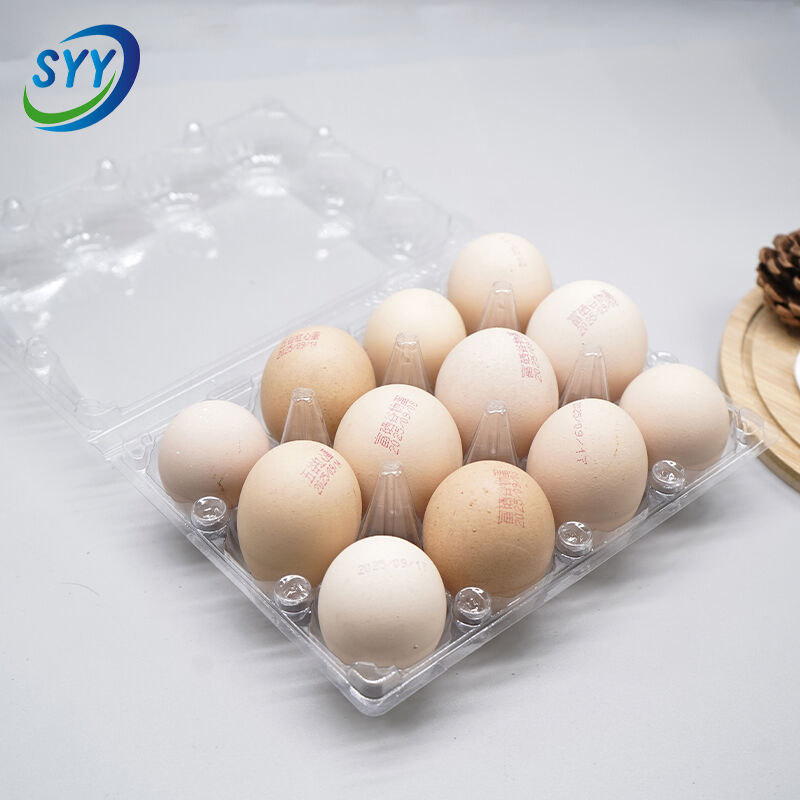
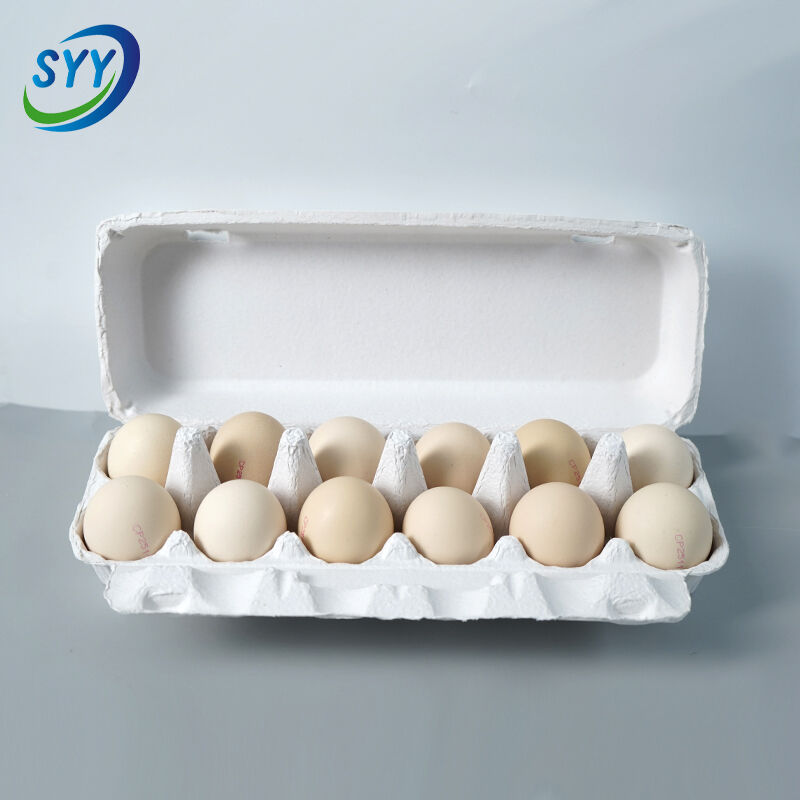
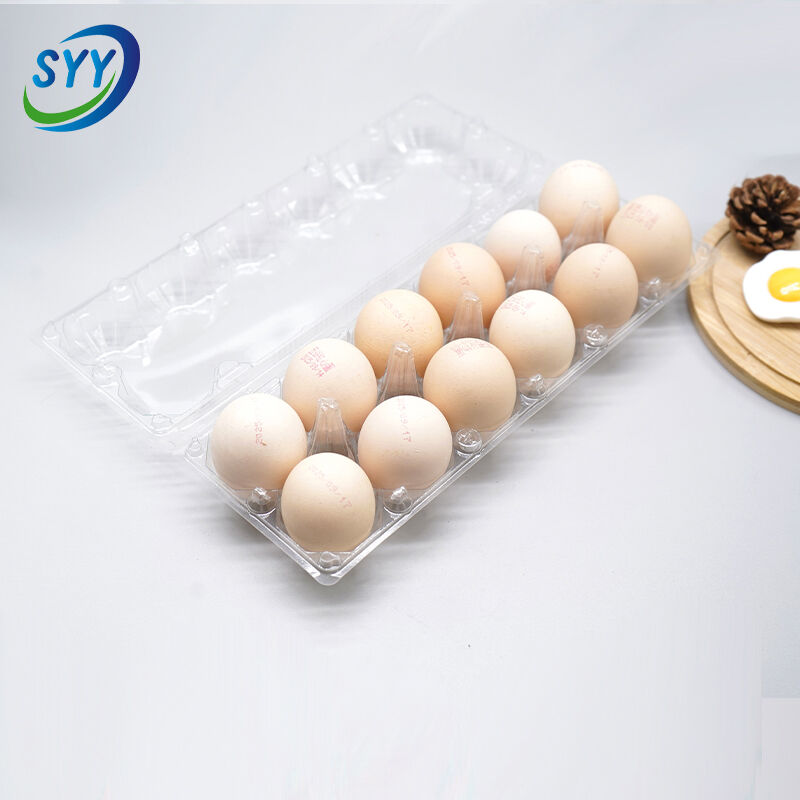
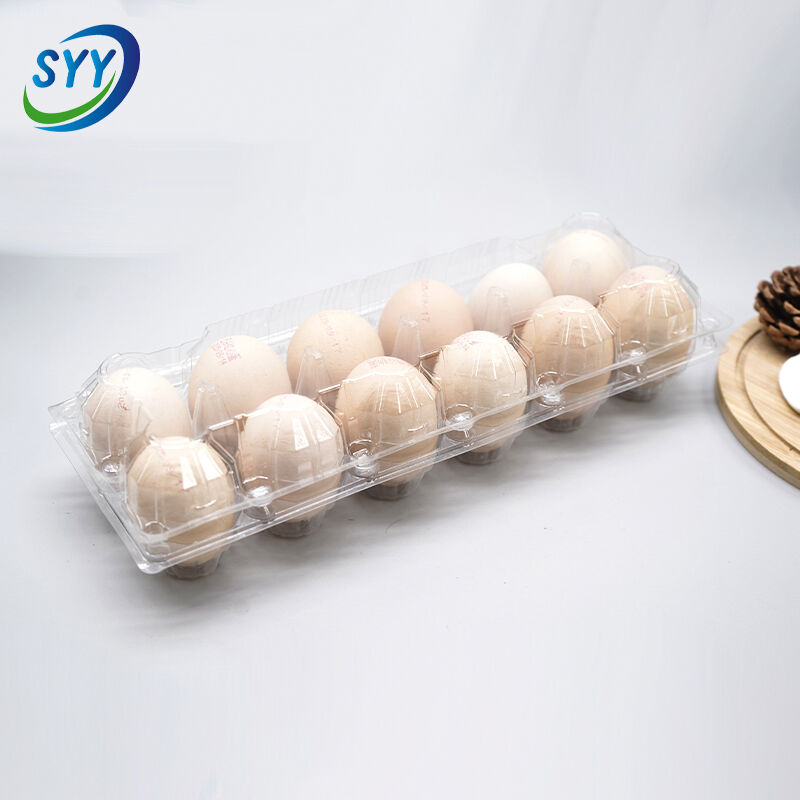
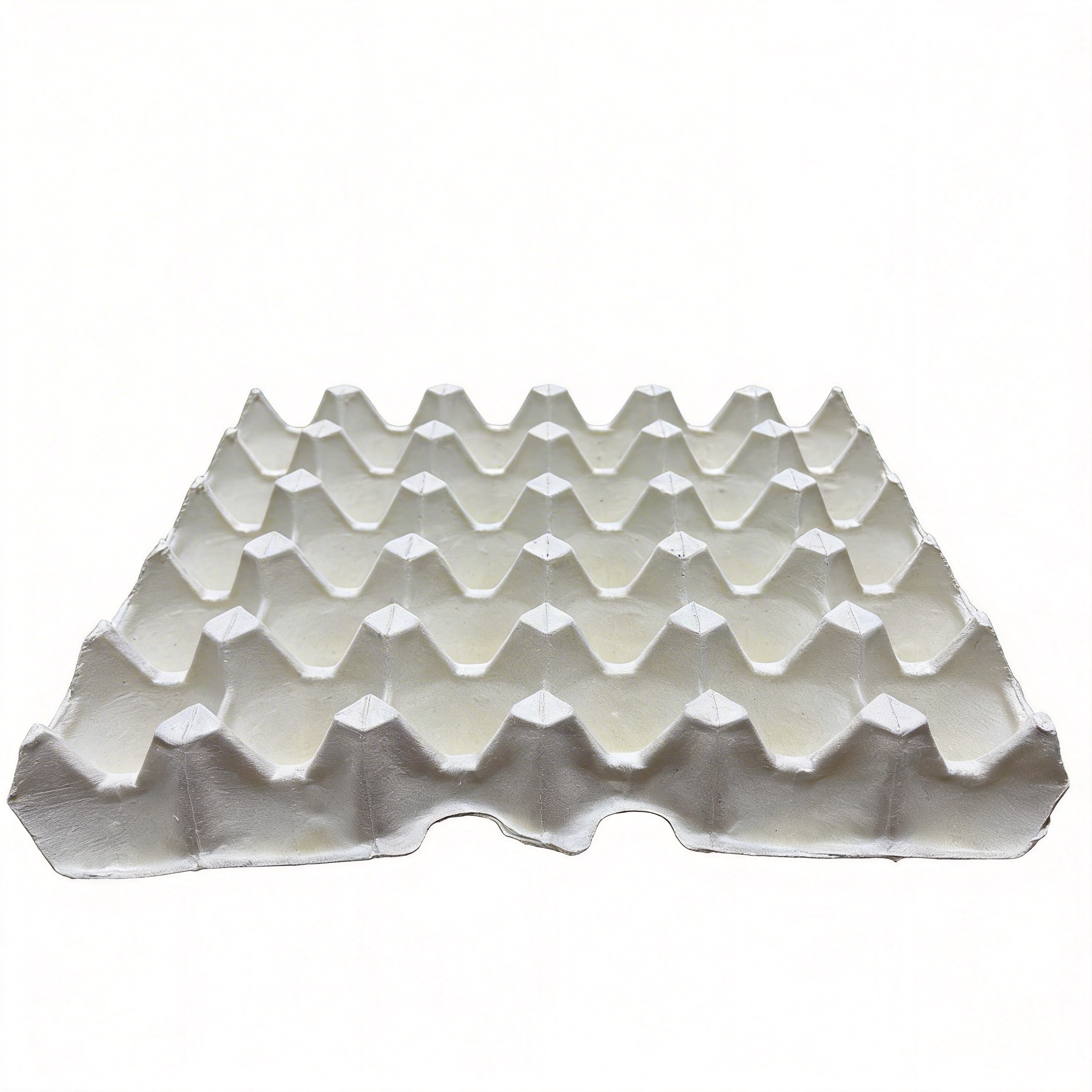
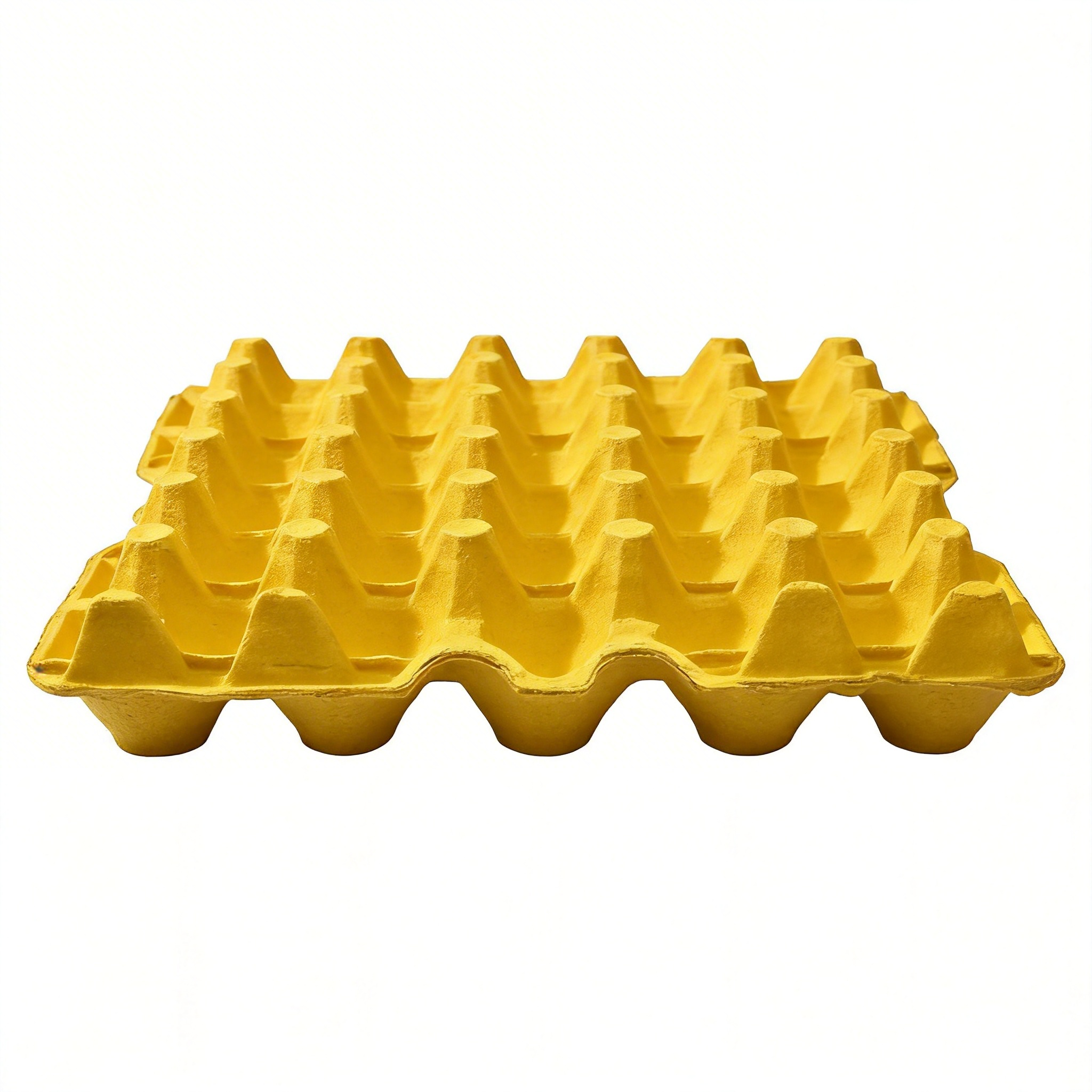
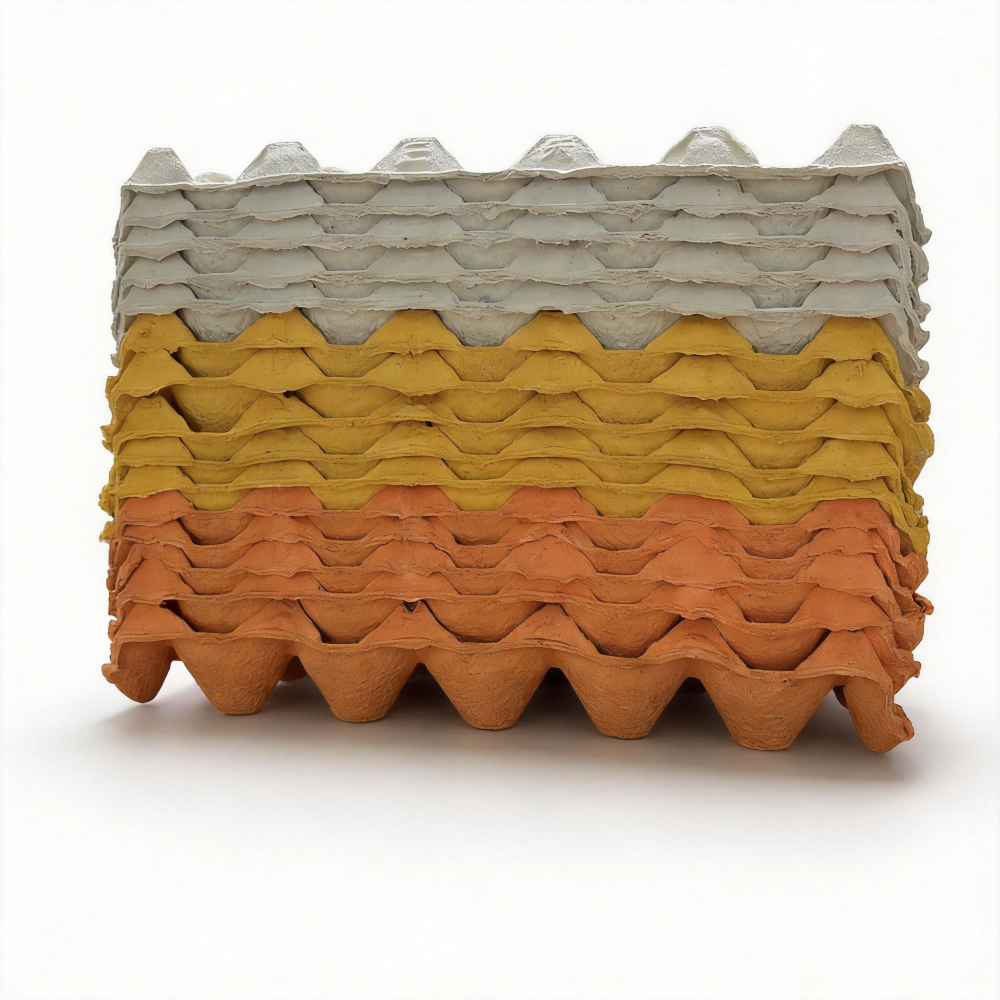
Premium Compostable Molded Fiber Trays - Sustainable Packaging Solutions

Get a Free Quote

We usually reply within 12 hours.
Email
Country/Region
Product Type
Please select your products type
Estimated Order Quantity
Hole Count
Please select your hole count
Packing System
Please select your packing system
Target Delivery Time
Color
Please select your color
Attachment
Please upload at least an attachment
Up to 3 files, each no larger than 30MB. Supported formats: jpg, jpeg, png, pdf, doc, docx, xls, xlsx, csv, txt, stp, step, igs, x_t, dxf, prt, sldprt, sat, rar, zip.
Message
0/1000

compostable molded fiber tray

The compostable molded fiber tray represents a revolutionary advancement in sustainable packaging technology, offering businesses and consumers an environmentally responsible alternative to traditional plastic and foam containers. These innovative trays are manufactured using a sophisticated pulp molding process that transforms recycled paper fibers, agricultural waste, and other organic materials into durable, functional packaging solutions. The primary function of these trays extends beyond simple containment, as they provide excellent protection for various products while maintaining structural integrity during transportation and storage. The technological features of compostable molded fiber trays include moisture resistance, temperature stability, and customizable designs that can accommodate specific product dimensions and weight requirements. Manufacturing involves combining recycled paperboard, wheat straw, bamboo fibers, or sugarcane bagasse with water to create a pulp mixture that is then molded under heat and pressure into precise shapes. The resulting compostable molded fiber tray exhibits remarkable strength-to-weight ratios while remaining completely biodegradable within industrial composting facilities. These trays find extensive applications across multiple industries including food service, electronics packaging, medical device storage, and retail merchandise presentation. Restaurant chains utilize these trays for takeout meals, while electronics manufacturers rely on them for protecting sensitive components during shipping. The agricultural sector employs compostable molded fiber trays for seedling cultivation and plant transportation, taking advantage of their ability to decompose naturally when planted directly in soil. Healthcare facilities use these trays for organizing medical supplies and instruments, benefiting from their sterile manufacturing process and disposal convenience. The versatility of compostable molded fiber trays makes them suitable for both hot and cold applications, with specialized variants designed to handle temperature extremes without compromising structural integrity or releasing harmful chemicals.

New Products

Compostable molded fiber trays deliver substantial environmental benefits that directly address growing concerns about plastic pollution and waste management challenges. These trays break down completely within 90 to 180 days under proper composting conditions, eliminating long-term environmental impact and reducing landfill burden. Businesses switching to compostable molded fiber trays often discover significant cost savings through reduced waste disposal fees and improved brand reputation among environmentally conscious consumers. The manufacturing process requires less energy compared to plastic production, resulting in lower carbon footprints and reduced greenhouse gas emissions throughout the supply chain. Companies using these trays frequently report enhanced customer satisfaction as consumers increasingly prefer businesses that demonstrate genuine environmental commitment. The durability of compostable molded fiber trays surprises many users, as these containers withstand moisture, grease, and temperature variations while maintaining their shape and protective qualities. Unlike styrofoam alternatives, these trays do not release toxic chemicals when exposed to heat, making them safer for food contact applications and worker handling. The lightweight nature of compostable molded fiber trays reduces shipping costs and storage space requirements, providing operational efficiencies that improve profit margins. Retailers appreciate the stackable design that maximizes shelf space utilization while presenting products in an attractive, professional manner that appeals to quality-conscious shoppers. Food service establishments benefit from the grease-resistant properties that prevent leakage and maintain food quality during delivery and storage periods. The customization capabilities allow businesses to create branded packaging solutions that reinforce marketing messages while demonstrating corporate social responsibility. Compostable molded fiber trays eliminate the need for additional protective materials like plastic wrap or foam inserts, simplifying packaging processes and reducing material costs. Healthcare facilities value the sterile manufacturing standards and single-use convenience that supports infection control protocols. The natural fiber composition provides excellent insulation properties, keeping hot foods warm and cold items cool for extended periods without requiring additional temperature control measures.

Latest News

How to Reduce Egg Breakage During Transport: Best Egg Packaging Solutions for Poultry Farms

07

May

How to Reduce Egg Breakage During Transport: Best Egg Packaging Solutions for Poultry Farms

For poultry farms of every scale, egg breakage during transport represents one of the most persistent and costly operational challenges. Every cracked or shattered egg is not just a lost product — it is lost revenue, wasted labor, and a potenti...
View More
What to Look for in Egg Packaging Manufacturers: Quality, Cost, and Customization Guide

12

May

What to Look for in Egg Packaging Manufacturers: Quality, Cost, and Customization Guide

Choosing the right egg packaging manufacturer is one of the most consequential decisions a poultry producer, retailer, or food distribution business can make. The packaging that holds your eggs does far more than contain a product — it communicates b...
View More
How to Choose the Right Egg Tray Supplier: Key Factors for Reliable Egg Packaging Manufacturers

11

May

How to Choose the Right Egg Tray Supplier: Key Factors for Reliable Egg Packaging Manufacturers

Finding the right egg tray supplier is one of the most consequential procurement decisions a poultry farm, food distributor, or retail chain can make. The quality of your egg packaging directly impacts product integrity during transit, shelf presenta...
View More
Best Egg Packaging Solutions for Supermarkets: Clear PET Egg Cartons for Retail Display

13

May

Best Egg Packaging Solutions for Supermarkets: Clear PET Egg Cartons for Retail Display

In the competitive world of retail grocery, the way eggs are packaged and displayed can significantly influence purchasing decisions. Supermarkets today face mounting pressure to balance product visibility, structural protection, and shelf appeal — a...
View More

Get a Free Quote

We usually reply within 12 hours.
Email
Country/Region
Product Type
Please select your products type
Estimated Order Quantity
Hole Count
Please select your hole count
Packing System
Please select your packing system
Target Delivery Time
Color
Please select your color
Attachment
Please upload at least an attachment
Up to 3 files,more 30mb,suppor jpg、jpeg、png、pdf、doc、docx、xls、xlsx、csv、txt、stp、step、igs、x_t、dxf、prt、sldprt、sat、rar、zip
Message
0/1000

compostable molded fiber tray

Superior Environmental Performance and Sustainability

Superior Environmental Performance and Sustainability

The environmental performance of compostable molded fiber trays sets them apart as the premier choice for businesses committed to reducing their ecological footprint while maintaining operational excellence. These trays achieve complete biodegradation within commercial composting facilities, typically breaking down into nutrient-rich soil amendments within 90 to 180 days under optimal conditions. The composting process transforms the organic fibers into valuable humus that enriches soil quality and supports healthy plant growth, creating a closed-loop system that benefits agricultural productivity. Unlike conventional plastic trays that persist in the environment for hundreds of years, releasing microplastics and toxic chemicals, compostable molded fiber trays return harmlessly to the earth without leaving any harmful residues. The manufacturing process utilizes renewable resources including recycled paper, agricultural waste products like wheat straw and sugarcane bagasse, and rapidly renewable materials such as bamboo fibers. This approach reduces dependence on petroleum-based materials while providing valuable markets for agricultural byproducts that might otherwise be burned or discarded. The carbon footprint of producing compostable molded fiber trays is significantly lower than plastic alternatives, with studies showing up to 75 percent reduction in greenhouse gas emissions throughout the product lifecycle. Water usage during manufacturing is minimized through closed-loop systems that recycle process water, while energy requirements are reduced due to lower processing temperatures compared to plastic production. The transportation efficiency improves due to the lightweight nature of these trays, resulting in lower fuel consumption and reduced emissions during distribution. End-of-life disposal options are vastly superior, as these trays can be composted in municipal facilities, backyard compost systems, or even buried directly in soil where they will decompose naturally. This flexibility eliminates the sorting confusion often associated with recycling programs and reduces contamination of recycling streams. The positive environmental impact extends beyond waste reduction, as choosing compostable molded fiber trays supports sustainable forestry practices and encourages the development of renewable material technologies.
Exceptional Durability and Performance Characteristics

Exceptional Durability and Performance Characteristics

The remarkable durability and performance characteristics of compostable molded fiber trays challenge preconceptions about biodegradable packaging, delivering strength and reliability that equals or exceeds traditional alternatives while maintaining complete environmental compatibility. Advanced manufacturing techniques create dense fiber networks that provide exceptional structural integrity, allowing these trays to support substantial weight loads without deformation or failure during normal use conditions. The molding process incorporates precise pressure and temperature controls that compress organic fibers into rigid configurations capable of withstanding mechanical stress, vibration, and impact forces encountered during transportation and handling. Moisture resistance represents a critical performance feature, achieved through natural fiber treatment processes that create barriers against liquid penetration without compromising biodegradability. These trays maintain their structural integrity when exposed to condensation, spills, or humid storage conditions, preventing product damage and maintaining professional presentation throughout the supply chain. Temperature stability allows compostable molded fiber trays to perform effectively across wide thermal ranges, from frozen food storage at sub-zero temperatures to hot food service applications exceeding 200 degrees Fahrenheit. The cellular structure of compressed fibers provides excellent insulation properties that help maintain product temperature while protecting contents from external thermal variations. Grease and oil resistance prevents absorption and staining, making these trays particularly suitable for food service applications where appearance and hygiene are paramount concerns. The surface finish can be customized to provide smooth, professional textures that enhance product presentation while facilitating easy cleaning and sanitization when required. Impact resistance protects fragile items during shipping and handling, with cushioning properties that absorb shock and prevent damage to delicate products. Stack strength enables efficient storage and transportation, as these trays maintain their shape under compression loads while nested or stacked configurations. The dimensional stability ensures consistent fit and function across temperature and humidity variations, preventing warping or distortion that could compromise product protection or aesthetic appeal. Quality control processes ensure uniform performance characteristics across production runs, providing reliable supply chain consistency that businesses depend upon for operational success.
Versatile Applications and Customization Options

Versatile Applications and Customization Options

The versatility and customization capabilities of compostable molded fiber trays make them ideal solutions for diverse industries and specialized applications, offering tailored performance characteristics that meet specific operational requirements while maintaining environmental benefits. Food service establishments utilize these trays for everything from casual dining takeout containers to elegant catering presentations, with options ranging from simple clamshell designs to multi-compartment configurations that separate different food items. The ability to create custom cavity shapes enables perfect product fit for items like fruits, vegetables, baked goods, and prepared meals, minimizing movement during transport and maintaining visual appeal. Electronics manufacturers rely on compostable molded fiber trays for component protection during shipping and storage, with conductive and anti-static variants available for sensitive electronic devices that require specialized handling protocols. The natural cushioning properties protect delicate circuitry while dissipating static charges that could damage sensitive components. Healthcare applications benefit from sterile manufacturing processes and single-use convenience, with medical device trays designed to organize instruments and supplies while supporting infection control protocols. Pharmaceutical companies use these trays for medication packaging and sample organization, taking advantage of moisture barriers and contamination resistance that protect product integrity. Agricultural operations employ compostable molded fiber trays for seedling cultivation, plant transportation, and produce packaging, with biodegradable options that can be planted directly with seedlings, eliminating transplant shock and reducing labor costs. Retail merchandising applications showcase products attractively while reinforcing brand environmental commitments, with custom printing and branding options available to enhance marketing impact. The manufacturing process accommodates complex geometries and intricate details, enabling creation of specialized features like drainage holes, ventilation channels, and interlocking mechanisms. Color options extend beyond natural fiber tones to include custom dyes and finishes that match brand specifications while maintaining compostability. Size flexibility ranges from small component trays to large shipping containers, with thickness variations that optimize material usage while meeting strength requirements. Surface textures can be modified to provide slip resistance, improved grip, or enhanced aesthetic appeal depending on application needs. Integration capabilities allow these trays to work seamlessly with existing packaging systems and automated handling equipment, ensuring smooth operational transitions when switching from conventional alternatives.

Get a Free Quote

We usually reply within 12 hours.
Email
Country/Region
Product Type
Please select your products type
Estimated Order Quantity
Hole Count
Please select your hole count
Packing System
Please select your packing system
Target Delivery Time
Color
Please select your color
Attachment
Please upload at least an attachment
Up to 3 files, each no larger than 30MB. Supported formats: jpg, jpeg, png, pdf, doc, docx, xls, xlsx, csv, txt, stp, step, igs, x_t, dxf, prt, sldprt, sat, rar, zip.
Message
0/1000