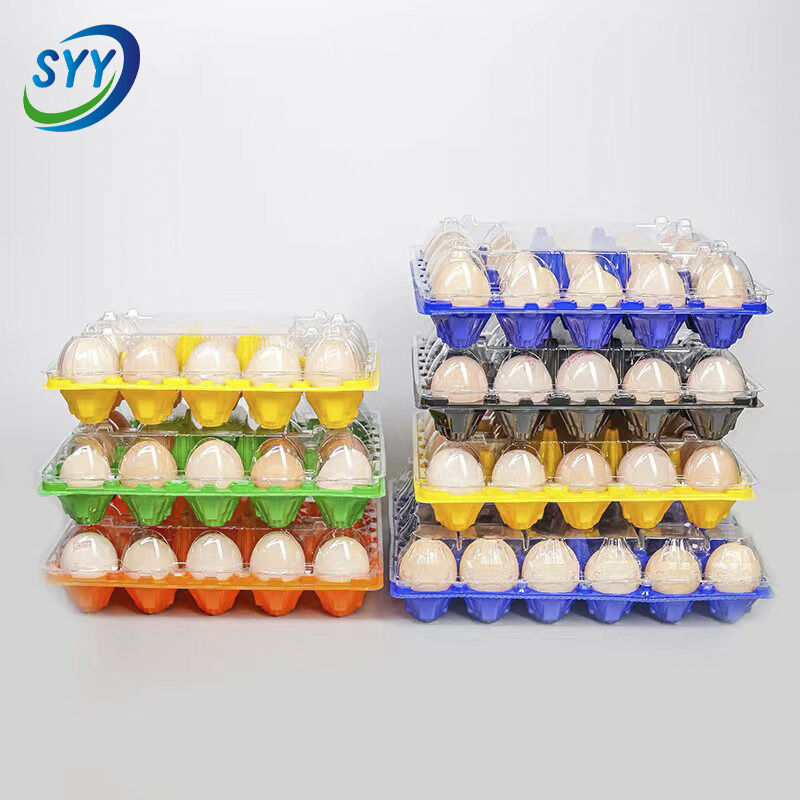
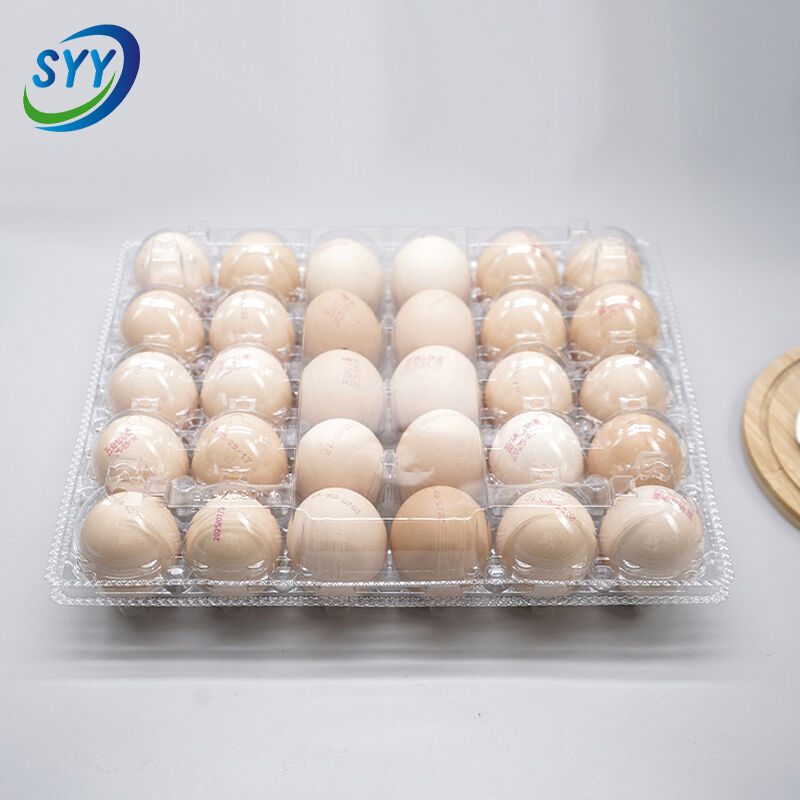
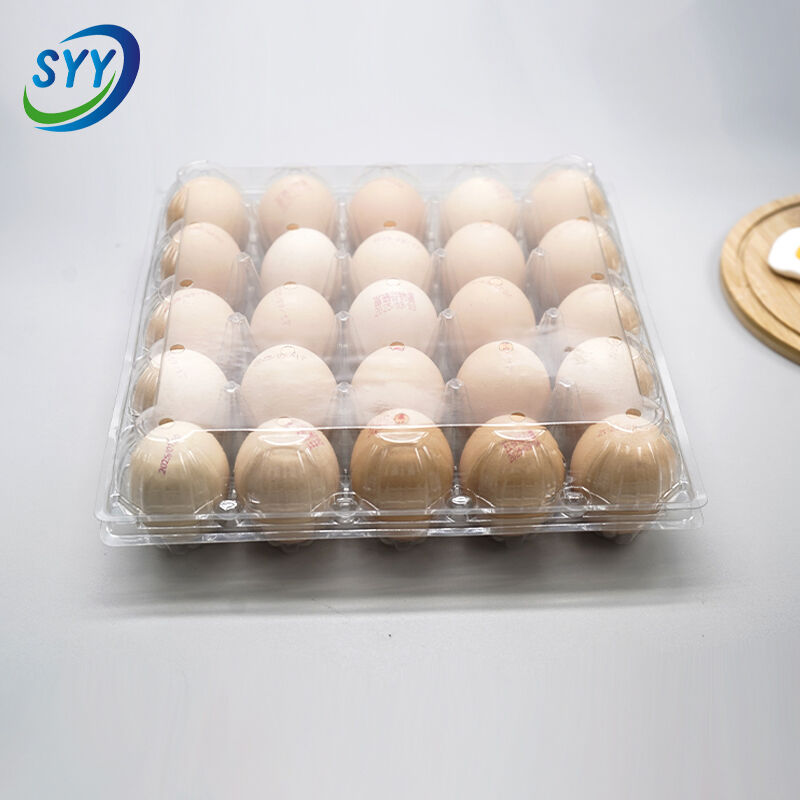
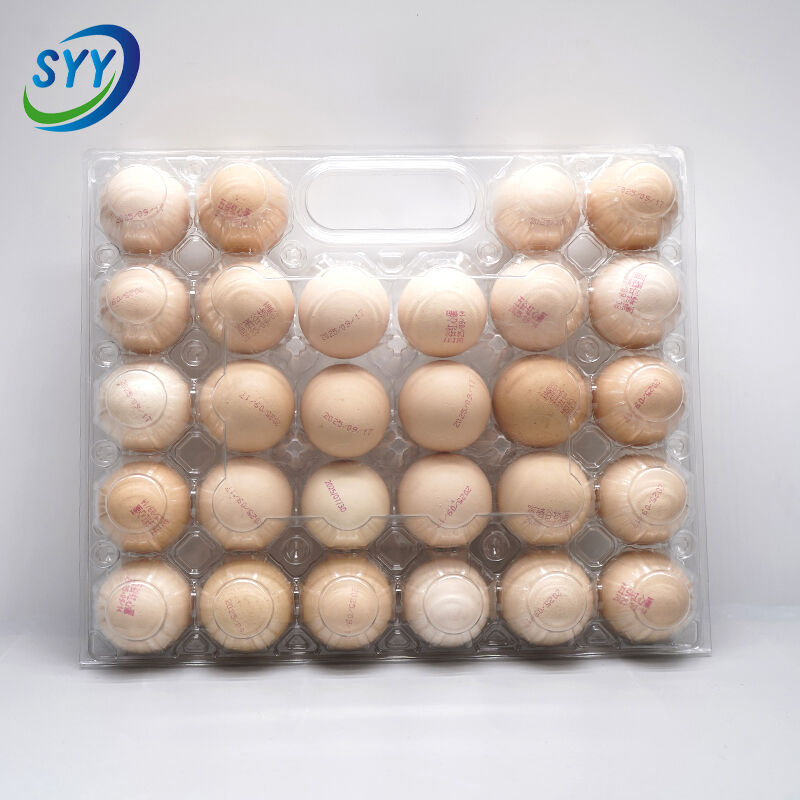
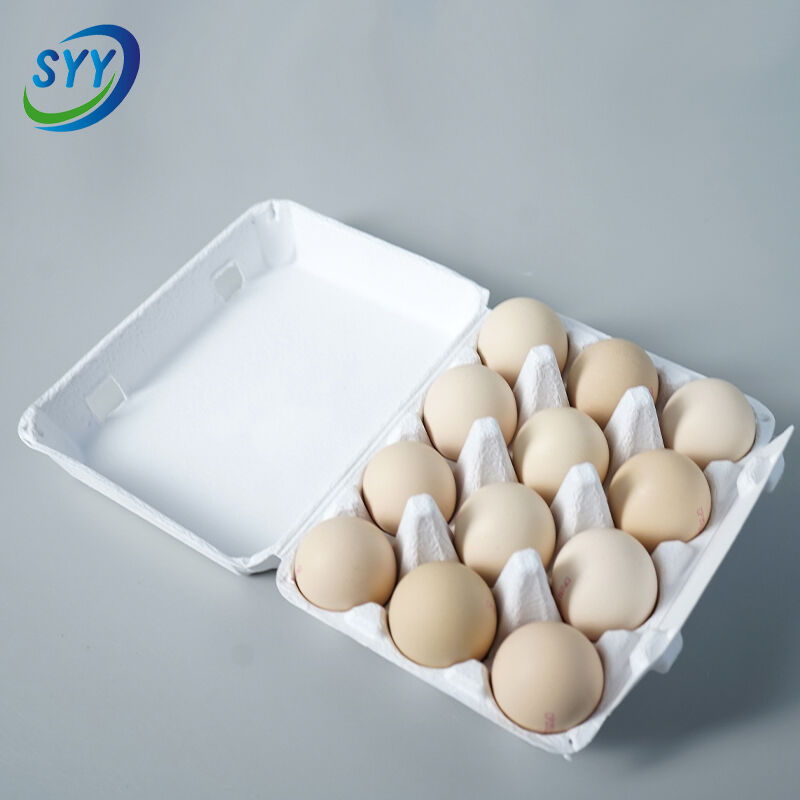
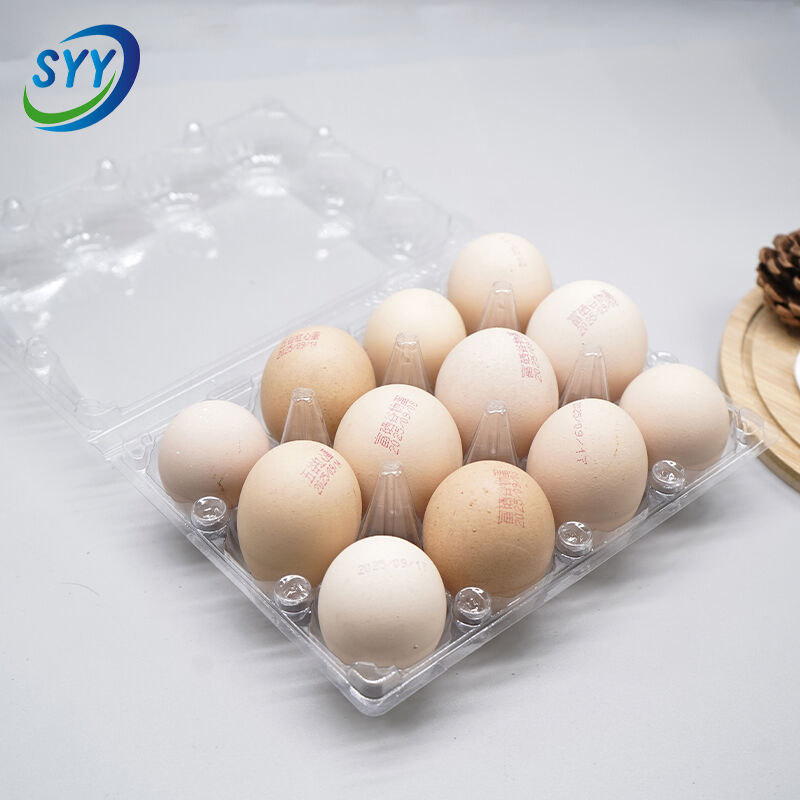
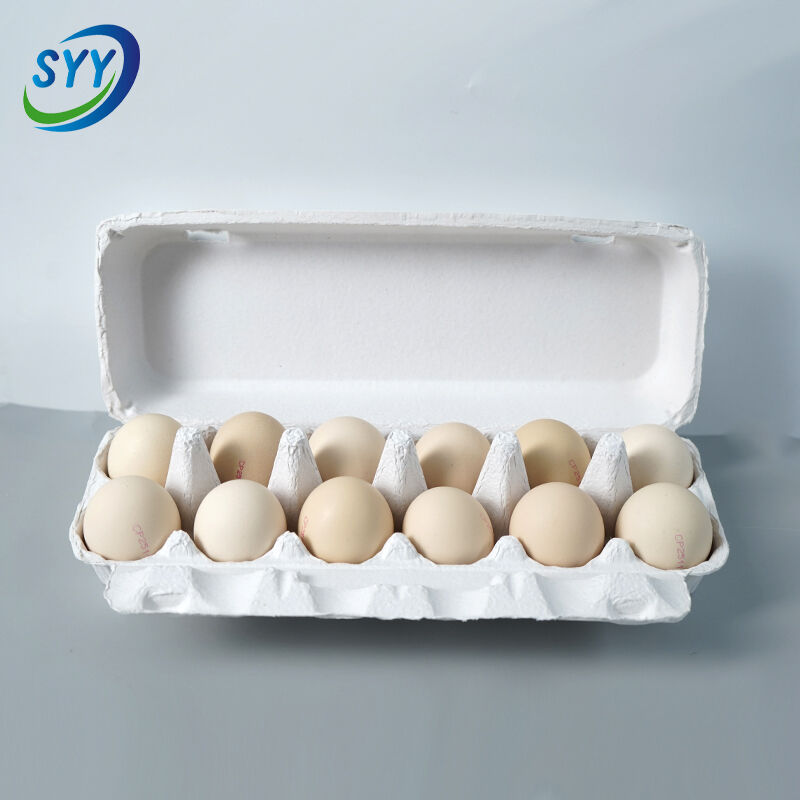
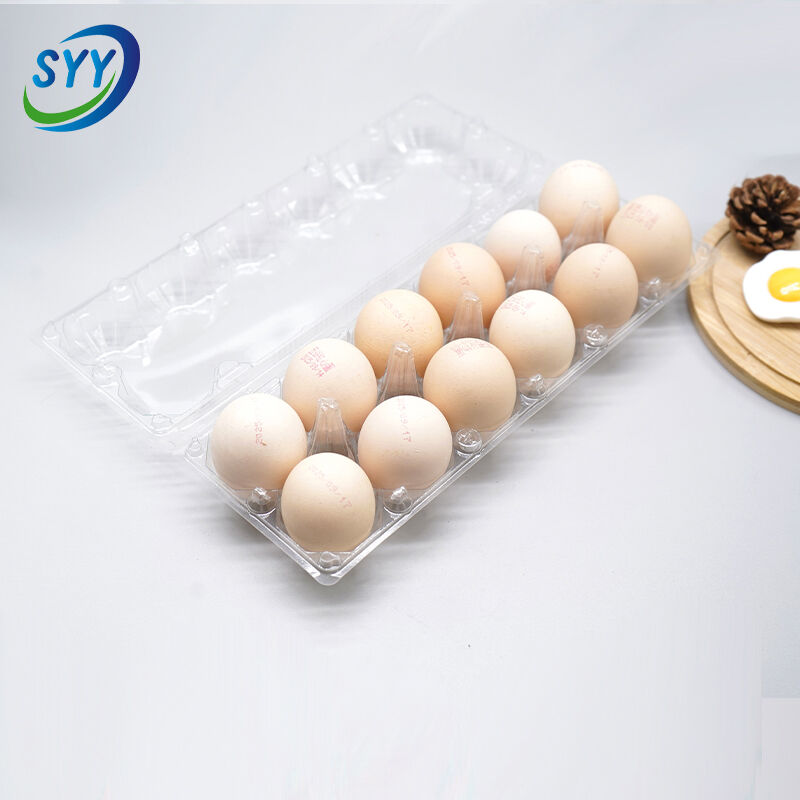
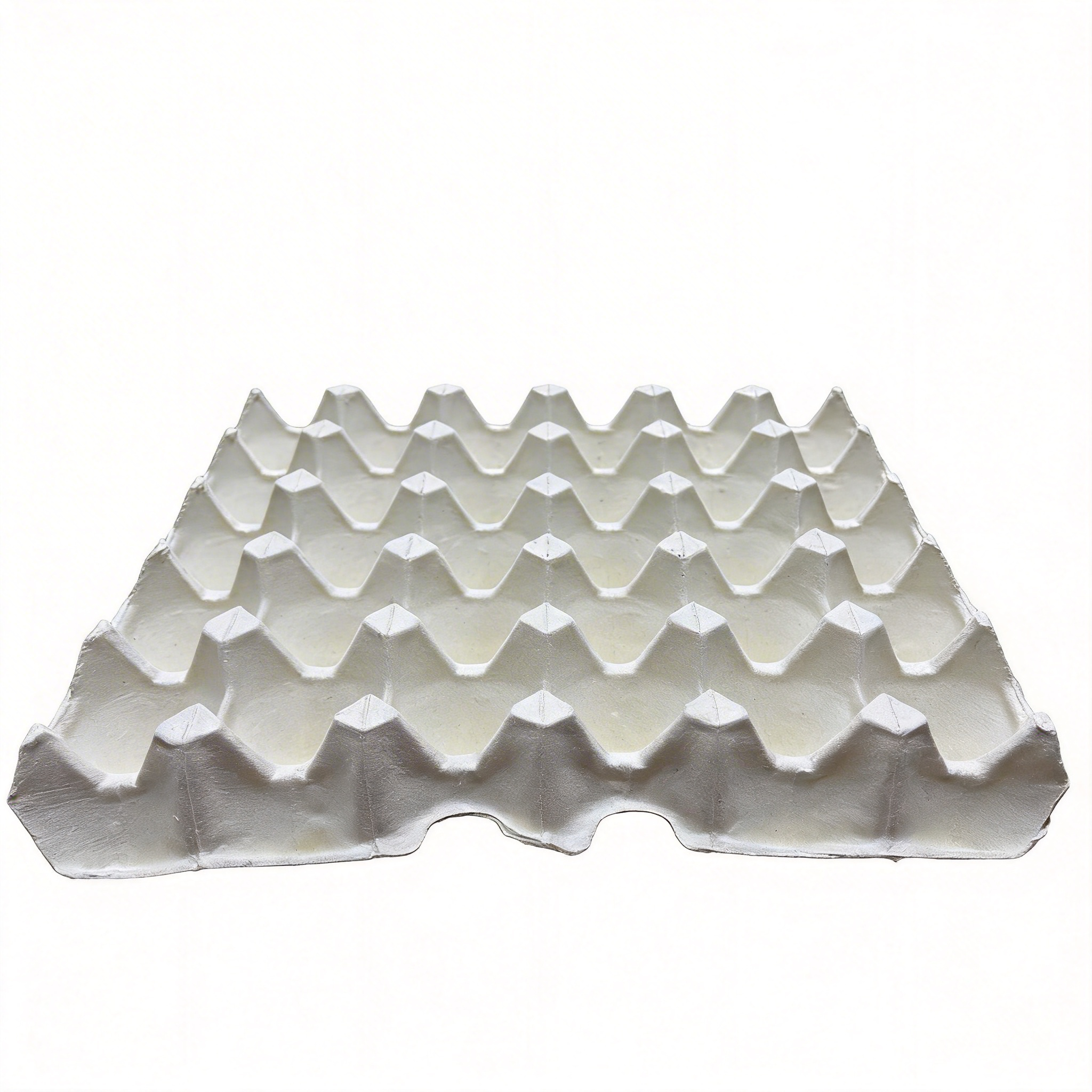
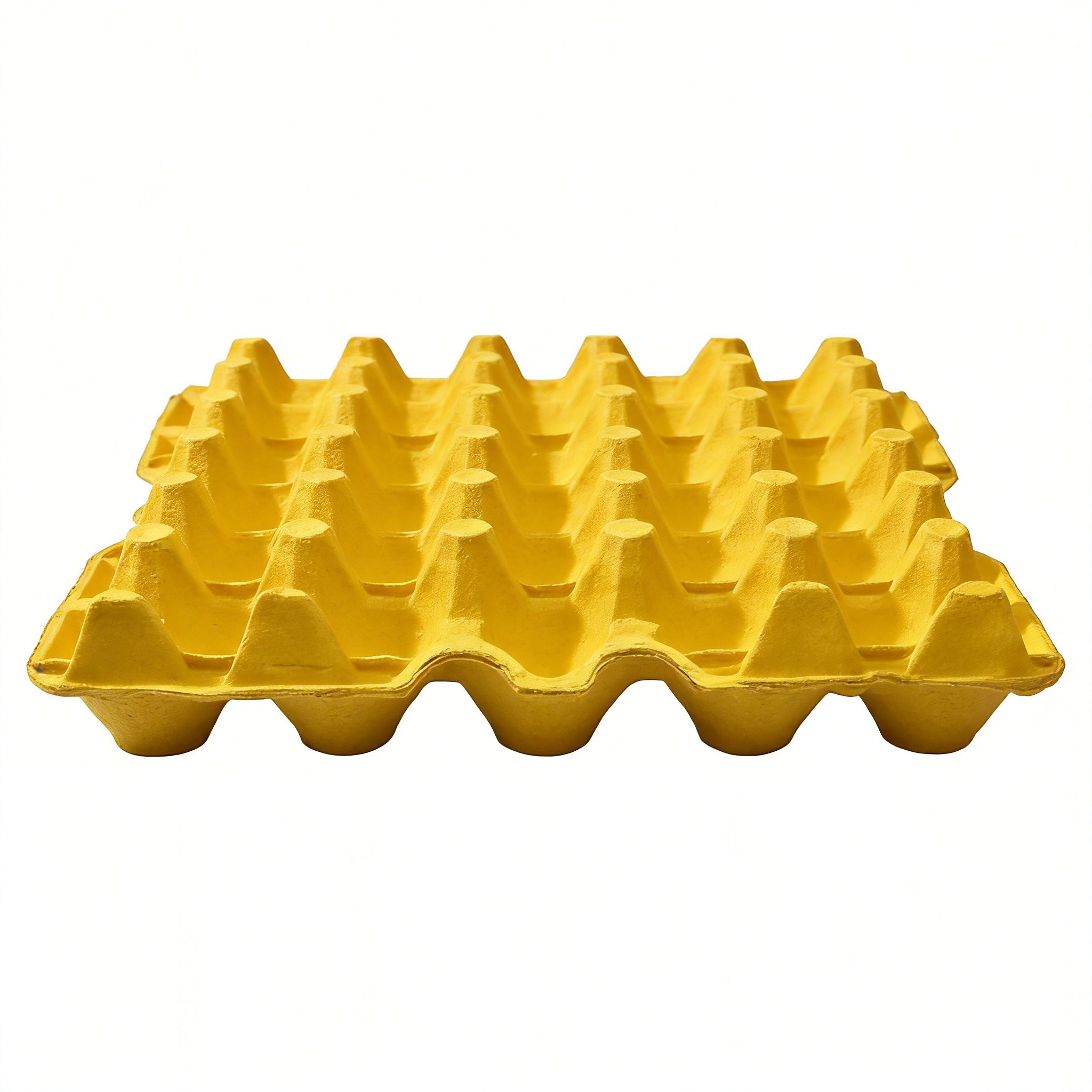
Premium Cardboard Egg Cartons - Sustainable Protective Packaging Solutions

Get a Free Quote

We usually reply within 12 hours.
Email
Country/Region
Product Type
Please select your products type
Estimated Order Quantity
Hole Count
Please select your hole count
Packing System
Please select your packing system
Target Delivery Time
Color
Please select your color
Attachment
Please upload at least an attachment
Up to 3 files, each no larger than 30MB. Supported formats: jpg, jpeg, png, pdf, doc, docx, xls, xlsx, csv, txt, stp, step, igs, x_t, dxf, prt, sldprt, sat, rar, zip.
Message
0/1000

cardboard egg carton

The cardboard egg carton represents a fundamental packaging solution that has revolutionized egg storage and transportation for decades. This molded pulp container serves as the primary protective housing for eggs from farm to consumer, utilizing recycled paper materials to create a sustainable and cost-effective packaging system. The cardboard egg carton features a distinctive design with individual compartments that cradle each egg securely, preventing movement and potential breakage during handling and transport. Manufacturing involves transforming recycled paperboard and newsprint into a pulp mixture that gets molded into the characteristic shape using specialized machinery and drying processes. The technological foundation relies on compression molding techniques that create uniform cavities perfectly sized to accommodate standard chicken eggs while maintaining structural integrity. Each cardboard egg carton typically holds twelve eggs in a hinged configuration that allows easy access while protecting contents from external pressure and impact. The material composition includes biodegradable fibers that decompose naturally, making these containers environmentally responsible choices for consumers and businesses alike. Applications extend across residential, commercial, and industrial sectors where egg storage and distribution occur regularly. Grocery stores, restaurants, food service establishments, and individual households rely on cardboard egg cartons for maintaining egg freshness and preventing contamination. The porous nature of the cardboard material permits air circulation around eggs, helping regulate moisture levels and extending shelf life compared to non-breathable alternatives. Production facilities utilize automated systems to manufacture thousands of cardboard egg cartons daily, ensuring consistent quality and meeting demand from egg producers nationwide. Quality control measures verify dimensional accuracy, strength requirements, and safety standards throughout the manufacturing process, guaranteeing reliable performance for end users.

Popular Products

Cardboard egg cartons offer numerous practical benefits that make them the preferred choice for egg packaging across multiple industries and consumer segments. The primary advantage lies in their exceptional protective capabilities, as the molded design creates individual cushioned compartments that absorb shock and prevent eggs from colliding with each other during transportation. This protective feature significantly reduces breakage rates, saving money for both retailers and consumers while ensuring product quality remains intact from production to consumption. Environmental sustainability represents another major advantage of cardboard egg cartons, as they consist entirely of recycled materials that can be composted or recycled again after use. This circular approach to packaging reduces waste streams and minimizes environmental impact compared to plastic alternatives that persist in landfills for extended periods. Cost effectiveness makes cardboard egg cartons attractive to producers and consumers alike, as the manufacturing process utilizes abundant recycled materials and efficient production methods that keep unit costs low. The lightweight nature of cardboard egg cartons reduces shipping costs and makes handling easier for workers throughout the supply chain. Breathability constitutes a crucial advantage that directly impacts egg freshness and quality preservation. The porous structure allows air circulation around eggs, preventing moisture buildup that could lead to bacterial growth or premature spoilage. This natural ventilation system helps maintain optimal storage conditions without requiring additional packaging materials or preservation methods. Versatility in design allows cardboard egg cartons to accommodate different egg sizes and quantities, from standard dozen packs to specialty configurations for organic or premium products. The flat-packed shipping capability of unassembled cartons maximizes transportation efficiency and reduces storage space requirements at manufacturing facilities. Consumer convenience features include easy-opening hinged lids, clear visibility of contents, and stackable designs that optimize refrigerator space utilization. The biodegradable composition ensures responsible disposal options that align with growing environmental consciousness among modern consumers.

Latest News

Why Do Eggs Break During Shipping? Causes and Best Egg Packaging Solutions Explained

08

May

Why Do Eggs Break During Shipping? Causes and Best Egg Packaging Solutions Explained

Every year, millions of eggs are lost to breakage during transit — a costly problem that affects egg producers, distributors, and retailers alike. The fragility of eggs is not a new challenge, but as supply chains grow more complex and shipping...
View More
How to Reduce Egg Breakage During Transport: Best Egg Packaging Solutions for Poultry Farms

07

May

How to Reduce Egg Breakage During Transport: Best Egg Packaging Solutions for Poultry Farms

For poultry farms of every scale, egg breakage during transport represents one of the most persistent and costly operational challenges. Every cracked or shattered egg is not just a lost product — it is lost revenue, wasted labor, and a potenti...
View More
What to Look for in Egg Packaging Manufacturers: Quality, Cost, and Customization Guide

12

May

What to Look for in Egg Packaging Manufacturers: Quality, Cost, and Customization Guide

Choosing the right egg packaging manufacturer is one of the most consequential decisions a poultry producer, retailer, or food distribution business can make. The packaging that holds your eggs does far more than contain a product — it communicates b...
View More
How to Choose the Right Egg Tray Supplier: Key Factors for Reliable Egg Packaging Manufacturers

11

May

How to Choose the Right Egg Tray Supplier: Key Factors for Reliable Egg Packaging Manufacturers

Finding the right egg tray supplier is one of the most consequential procurement decisions a poultry farm, food distributor, or retail chain can make. The quality of your egg packaging directly impacts product integrity during transit, shelf presenta...
View More

Get a Free Quote

We usually reply within 12 hours.
Email
Country/Region
Product Type
Please select your products type
Estimated Order Quantity
Hole Count
Please select your hole count
Packing System
Please select your packing system
Target Delivery Time
Color
Please select your color
Attachment
Please upload at least an attachment
Up to 3 files,more 30mb,suppor jpg、jpeg、png、pdf、doc、docx、xls、xlsx、csv、txt、stp、step、igs、x_t、dxf、prt、sldprt、sat、rar、zip
Message
0/1000

cardboard egg carton

Superior Protection Through Advanced Molded Design

Superior Protection Through Advanced Molded Design

The cardboard egg carton achieves exceptional protective performance through its scientifically engineered molded pulp construction that creates individual cushioned chambers for each egg. This innovative design represents the culmination of decades of packaging engineering focused on minimizing breakage while maximizing cost efficiency. Each compartment within the cardboard egg carton features curved walls that conform naturally to egg shapes, distributing external forces across the entire surface rather than concentrating pressure at single points. The shock-absorbing properties of the molded cardboard material provide multiple layers of protection against impacts, vibrations, and compression forces encountered during transportation and handling. Advanced manufacturing techniques ensure consistent wall thickness and structural integrity across all compartments, eliminating weak points that could compromise protective capabilities. The interlocking design of the cardboard egg carton creates a unified protective system where individual chambers work together to maintain stability and prevent movement that could lead to collisions between eggs. Quality testing demonstrates that properly manufactured cardboard egg cartons can withstand significant external pressures while maintaining their protective function throughout extended storage periods. The material density optimization balances protection requirements with weight considerations, ensuring adequate cushioning without creating unnecessarily heavy packaging that increases shipping costs. Consumer handling benefits from the protective design as well, with the sturdy construction allowing safe transport from store to home while maintaining easy access to individual eggs. Professional food service operations rely on this protective capability to minimize product loss and maintain consistent supply availability for their customers.
Environmental Sustainability and Recyclable Materials

Environmental Sustainability and Recyclable Materials

Environmental responsibility stands as a defining characteristic of the cardboard egg carton, positioning it as the eco-friendly packaging solution that addresses growing consumer concerns about sustainable practices. The complete lifecycle of cardboard egg cartons demonstrates exceptional environmental stewardship, beginning with raw materials sourced exclusively from recycled paper products and newsprint that would otherwise contribute to waste streams. Manufacturing processes incorporate water-based systems that eliminate harmful chemical additives while utilizing renewable energy sources wherever possible to reduce carbon footprint. The biodegradable nature of cardboard egg cartons ensures complete decomposition within composting systems, typically breaking down within sixty to ninety days under proper conditions without leaving harmful residues. This contrasts sharply with plastic alternatives that persist in landfills for hundreds of years while releasing microplastics into soil and water systems. Post-consumer recycling programs readily accept used cardboard egg cartons, allowing the materials to re-enter production cycles and create new packaging products through established infrastructure networks. The renewable fiber content supports sustainable forestry practices by creating demand for recycled materials rather than virgin pulp that requires tree harvesting. Carbon sequestration occurs naturally within the cardboard structure, effectively storing atmospheric carbon throughout the product lifespan and contributing to climate change mitigation efforts. Water usage during manufacturing remains minimal compared to alternative packaging materials, while waste water treatment systems ensure environmental protection throughout production processes. Consumer education programs highlight proper disposal methods for cardboard egg cartons, encouraging composting and recycling practices that maximize environmental benefits while supporting circular economy principles that benefit communities and ecosystems alike.
Cost-Effective Manufacturing and Distribution Efficiency

Cost-Effective Manufacturing and Distribution Efficiency

The economic advantages of cardboard egg cartons extend throughout the entire supply chain, delivering substantial cost savings that benefit producers, distributors, and consumers while maintaining superior product quality and protection standards. Manufacturing efficiency stems from streamlined production processes that utilize readily available recycled materials, eliminating the need for expensive raw material sourcing while supporting local waste management programs. Automated production lines can manufacture thousands of cardboard egg cartons per hour with minimal labor requirements, reducing operational costs and ensuring consistent quality standards across large production volumes. The lightweight construction of cardboard egg cartons significantly reduces transportation costs compared to heavier alternatives, allowing more units per shipment while maintaining structural integrity and protective capabilities. Flat-pack shipping configurations maximize warehouse storage efficiency and reduce logistics expenses for distributors who can store larger quantities in smaller spaces before assembly. Assembly processes require minimal training and equipment, enabling quick setup at packaging facilities without substantial capital investments in specialized machinery or extensive worker training programs. Bulk purchasing advantages allow large-scale operations to secure favorable pricing on cardboard egg cartons while smaller operations benefit from competitive unit costs that remain accessible across different business sizes. Inventory management becomes simplified with standardized dimensions and specifications that streamline storage systems and reduce complexity in supply chain operations. The durability of properly manufactured cardboard egg cartons minimizes replacement costs while ensuring reliable performance throughout expected usage periods. Market flexibility allows producers to quickly adjust packaging quantities and specifications without significant tooling changes or production delays, supporting responsive business practices that adapt to changing consumer demands and market conditions while maintaining cost-effective operations.

Get a Free Quote

We usually reply within 12 hours.
Email
Country/Region
Product Type
Please select your products type
Estimated Order Quantity
Hole Count
Please select your hole count
Packing System
Please select your packing system
Target Delivery Time
Color
Please select your color
Attachment
Please upload at least an attachment
Up to 3 files, each no larger than 30MB. Supported formats: jpg, jpeg, png, pdf, doc, docx, xls, xlsx, csv, txt, stp, step, igs, x_t, dxf, prt, sldprt, sat, rar, zip.
Message
0/1000