PET egg trays are widely used across multiple sectors, including poultry farms, supermarkets and retail displays, the food processing and baking industry, as well as e-commerce and home delivery services. For kitchen storage and inventory management.
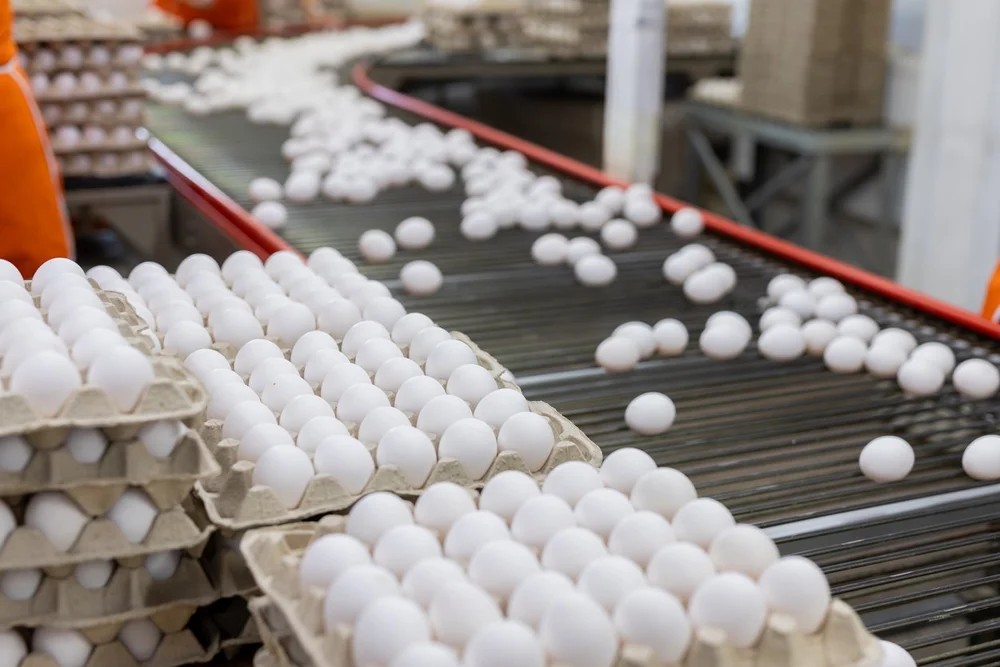
For food manufacturers who use eggs as an ingredient—from bakeries and pasta producers to prepared meal companies—efficiency, hygiene, and breakage prevention are non-negotiable. The adoption of blister egg trays in this high-volume environment addresses critical operational challenges that traditional flimsier cartons cannot. The primary advantage lies in the significant reduction of breakage and leakers. A single compromised egg can contaminate an entire shipment, leading to costly product loss, sanitation downtime, and potential food safety issues. The rigid structure and individual cell design of blister trays ensure that each egg is securely isolated and protected throughout the complex logistics chain, from the distributor to the factory floor.
This robust protection directly impacts the bottom line by minimizing waste and maximizing the yield of usable product. Moreover, blister trays streamline the production line. Their standardized dimensions and stackability allow for efficient palletization, optimized storage space, and easier automated handling. In advanced facilities, eggs can be mechanically de-trayed, a process that is far more reliable with the consistent and durable nature of blister packs compared to pulp. Hygiene is another critical factor. The non-porous, smooth surface of plastic is easier to clean and sanitize externally, reducing the risk of cross-contamination from pathogens like Salmonella from the shell entering the production environment. For manufacturers, the slightly higher initial cost of blister trays is quickly offset by the savings from reduced breakage, improved labor efficiency, and enhanced food safety protocols, making them an indispensable tool for modern, large-scale food production.
 EN
EN